What a Welsh Corgi Did on a Farm All Day
If you've ever watched a Corgi, you know there's a certain spark, a low-slung energy that hints at a bigger purpose than just being an adorable, fluffy companion. Many Corgi owners wonder about the origins of this unique breed and specifically, what kind of work these stout little dogs actually performed on a bustling Welsh farm. This guide will take you back in time to explore the essential, versatile roles the Welsh Corgi played, going beyond just nipping at heels, to provide a clear picture of their indispensable contribution to daily farm life.
The Primary Role: Cattle Droving and Herding
Let's be honest, when most people think of a Corgi's job, they immediately picture cattle herding. And they're right – this was, without a doubt, the Corgi's most famous and crucial role on the Welsh farm. But it wasn't just about running around in circles; it was a highly specialized, dangerous, and incredibly skilled task that their unique build and temperament were perfectly suited for. Imagine a vast, open field, or a narrow lane, filled with powerful, stubborn cattle that could easily stomp a lesser dog. That's where the Corgi shone.
Working Below the Hooves
The Corgi's distinctive low-slung body wasn't just a quirk of breeding; it was a fundamental part of their working strategy. Their short stature meant they could dart in and out, nipping at the heels of cattle without getting kicked. This was known as "heeling" or "driving." They were masters of evasion, incredibly agile despite their stocky build. They'd charge in, deliver a quick, sharp nip to a cow's hock, and then flatten themselves to the ground or duck under the swing of a hoof. It was an intricate dance of courage, speed, and timing. Their entire body was designed for this, from their powerful, short legs to their strong jaws capable of getting a message across to a stubborn steer. This meant they were incredibly effective at moving herds long distances, pushing them to market or from pasture to barn, often without much human intervention beyond general direction. If you've ever seen a modern Corgi try to "herd" your ankles, or circle a group of children, you're witnessing the echoes of this ancient skill. You can learn more about How a Corgi Moved Cattle Without Being Kicked.
Independent Decision-Making on the Range
A farm in rural Wales wasn't always a place with close supervision. Farmers often worked vast tracts of land, and their dogs had to be capable of making decisions on their own. Corgis weren't just followers; they were thinkers. When driving cattle, they'd often be out of sight or earshot of their human, relying on their keen intelligence and strong herding instinct to keep the herd moving in the right direction. They had to assess situations, identify stragglers, and know when to apply pressure and when to back off. This independent nature is something modern Corgi owners often grapple with—that endearing stubbornness or the dog that seems to have its own ideas. It's a direct lineage from their working past. They had to be quick-witted and resilient, able to handle unexpected challenges like a cow breaking rank or a difficult patch of terrain, all while staying safe themselves.
Beyond Herding: The Versatile Farmhand
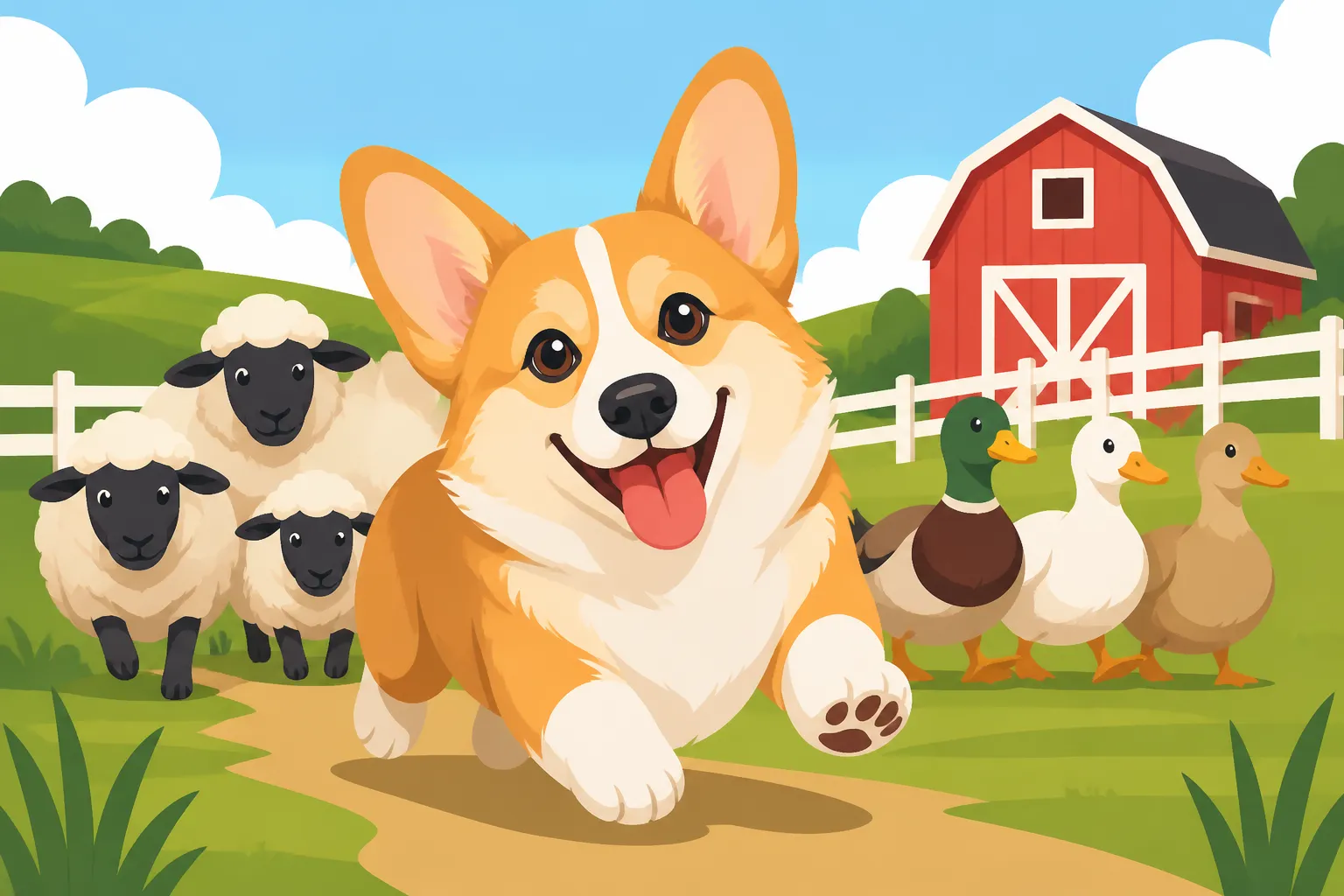
While cattle herding was their star performance, the Welsh Corgi was far from a one-trick pony. On a working farm, every animal had to earn its keep, and Corgis were valuable all-round farmhands, integrating into many aspects of daily life. They weren't specialized like some breeds; their adaptability made them indispensable.
Vermin Control: The Farm's Pest Patrol
A farm, by its very nature, attracted rodents. Rats, mice, and other small critters were a constant threat to crops, stored feed, and even the structural integrity of barns. Corgis, with their sharp senses and quick reflexes, were excellent ratters. They had a natural prey drive, honed by centuries of chasing smaller animals that darted through fields and around buildings. A Corgi on a farm would spend a good portion of its day patrolling the perimeter, sniffing out burrows, and dispatching any pests it found. This wasn't just a fun pastime for them; it was an important service that helped protect the farmer's livelihood. Their low profile made them perfect for squeezing into tight spaces, under sheds, and into hay bales where vermin might hide. This instinct can sometimes surprise new owners when their Corgi suddenly becomes obsessed with a squirrel or a chipmunk in the yard!
Guarding and Alarm System
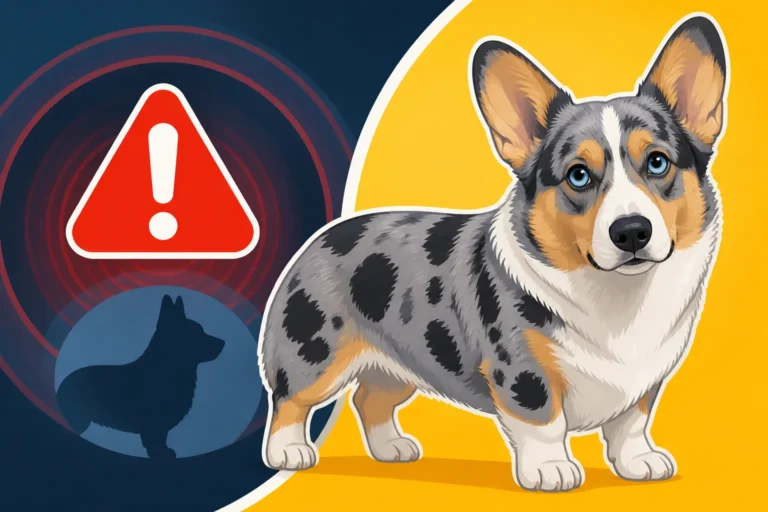
Given their small size, Corgis weren't typically guard dogs in the sense of physically deterring large intruders. However, they were exceptional alarm systems. With their keen hearing and observant nature, they were quick to notice anything out of the ordinary – a stranger approaching, an unfamiliar sound, or an animal in distress. And they weren't shy about broadcasting their observations. Their characteristic, often surprisingly loud, bark served as an immediate alert to the farmer and a warning to any potential threats. This incessant barking can sometimes be a challenge for urban Corgi owners, but it was a prized trait on a lonely farm. They were the first line of defense, letting everyone know when something wasn't right. This vigilance also extended to the livestock, alerting the farmer to predators or other dangers to the herd. You might be interested in Whether Corgis Were Ever Guard Dogs to understand more about this aspect of their history.
Companionship and Family Protector
Despite their working prowess, Corgis were also cherished family members. Farm life could be isolating, and these intelligent, loyal dogs provided much-needed companionship. They were often found by the farmer's side, whether in the fields or back at the farmhouse. Crucially, they were also trusted with the farmer's children. Their protective instincts, combined with their sturdy build, made them excellent playmates and watchful guardians. While they might have "herded" the children a bit, their inherent protectiveness ensured they were always looking out for the younger members of the family. The Corgi's loving, yet often opinionated, nature today stems directly from this dual role as worker and family companion. When you're browsing for a new toy or a cozy bed for your Corgi on a site like Chewy, remember that you're continuing a tradition of providing comfort and care for a loyal friend who would have worked tirelessly for their family.
The Corgi's Physique and Temperament: Tools of the Trade
Every aspect of the Welsh Corgi, from its physical structure to its core personality traits, was intrinsically linked to its demanding farm duties. They weren't just cute; they were purpose-built, efficient little machines for agricultural work. Understanding these foundational elements helps us appreciate the breed we know today.
Form Dictating Function: Built for the Job
We've touched on their low stature, but let's dive a little deeper into how their entire body was a testament to their working purpose. Their strong, muscular neck provided a low center of gravity and power for nipping. Their deep chest gave them the lung capacity for long days of running and barking. The long back, which sometimes raises concerns today (and is why Disc Disease in a Long-Backed Corgi is a common topic), was necessary for agility and quick turns while driving cattle. Their powerful hindquarters provided the propulsion needed for sudden bursts of speed and the ability to stop on a dime. Even their large, upright ears were an asset, allowing them to pinpoint sounds across vast fields. They were built like little tanks – compact, powerful, and incredibly durable, able to withstand the rough and tumble of farm life.
| Feature | Farm Purpose | Modern Day Manifestation |
|---|---|---|
| Short Legs | Duck under hooves, maneuver through undergrowth. | Prone to jumping off furniture, needs ramps/steps. |
| Long, Strong Back | Agility for quick turns and pivots while herding. | Requires careful lifting, prone to spinal issues. |
| Deep Chest | Stamina for long days of running and working. | Can be prone to respiratory issues if overweight. |
| Powerful Jaws | Delivering corrective nips to cattle. | Prone to "nipping" behaviors if not trained. |
| Large, Upright Ears | Excellent hearing for detecting distant sounds/dangers. | Highly alert to sounds, sometimes prone to barking. |
| Thick Double Coat | Protection from elements (rain, cold) in Wales. | Requires regular grooming, heavy shedding. |
The Enduring Corgi Temperament
The temperament of a Corgi today is a direct reflection of what was required of them on the farm. They needed to be intelligent, independent, and brave. They couldn't be shy or timid; facing down a cow twice their size required immense confidence. They also needed to be resilient and hardy, capable of working in all weather conditions. This explains their characteristic "big dog in a small body" attitude. They are bold, often bossy, and always ready for action. They are loyal and deeply devoted to their families, a trait developed from their close bond with farmers. However, that intelligence and independence can also translate into stubbornness if not managed with consistent training. They will try to make their own decisions if you let them, which is exactly what made them so valuable on the farm. If you're pondering whether your Corgi's antics are rooted in their history, consider topics like The Cattle Dog Behind the Corgi or Why a Corgi Was Bred So Low.
The Evolution to Modern Companionship
Fast forward to today, and most Corgis aren't pushing cattle to market. They're curled up on sofas, charming us with their sassy personalities and boundless energy. But their innate drives and physical traits are still very much present, shaping their behavior and care needs. Understanding their historical role is key to being a responsible and empathetic Corgi owner.
Channeling Ancient Instincts in a Modern World
The instinct to herd doesn't just vanish because a dog lives in a suburban home. This is why you might see your Corgi "herding" children, other pets, or even you, by nipping at heels or circling. It's not malice; it's their hardwired job description. Providing outlets for these instincts is vital. Engagement in activities like agility (with caution for their backs, of course), obedience, scent work, or even just playing fetch in a controlled environment can help satisfy their need for a "job." Puzzle toys and interactive feeders from retailers like Chewy can also engage their problem-solving intelligence, which was so crucial on the farm. A mentally stimulated Corgi is generally a happier, better-behaved Corgi. For ideas on how to manage this, check out The Job a Corgi Needs Instead of Herding You.
Adapting Care for a New Lifestyle
While their physical form was perfect for the farm, some aspects require extra attention in a domestic setting. Their long backs, for instance, mean we need to be mindful of jumping off furniture, using stairs, and how we lift them. Ramps and steps are often recommended for Corgi households. Their thick double coats, designed for the harsh Welsh climate, require regular grooming to manage shedding and prevent matting. And their hearty appetites, developed to fuel strenuous farm work, mean careful portion control is essential to prevent obesity, which can exacerbate spinal issues. A farm Corgi burned calories all day; a pet Corgi needs its food intake carefully measured. A visit to a pet supply store or an online shop like Chewy will reveal countless options for grooming tools and diet-specific foods, all aimed at helping modern Corgis thrive.
Appreciating the Breed's Legacy
The Welsh Corgi's journey from a working farm dog to a beloved family pet is a testament to its intelligence, resilience, and charming personality. When you look at your Corgi, remember the generations of brave, hardworking ancestors who were essential members of Welsh farm families. They weren't just pets; they were partners, protectors, and providers. Embracing their history helps us understand their quirks, appreciate their unique qualities, and provide them with the best possible life today. They may not be driving cattle anymore, but their spirit of diligence and devotion remains as strong as ever.
Disclaimer
This article is for general informational purposes only and does not constitute professional advice. Laws, prices and regulations vary by location and change over time. Consult a qualified professional for guidance on your specific situation.