How a Corgi Moved Cattle Without Being Kicked
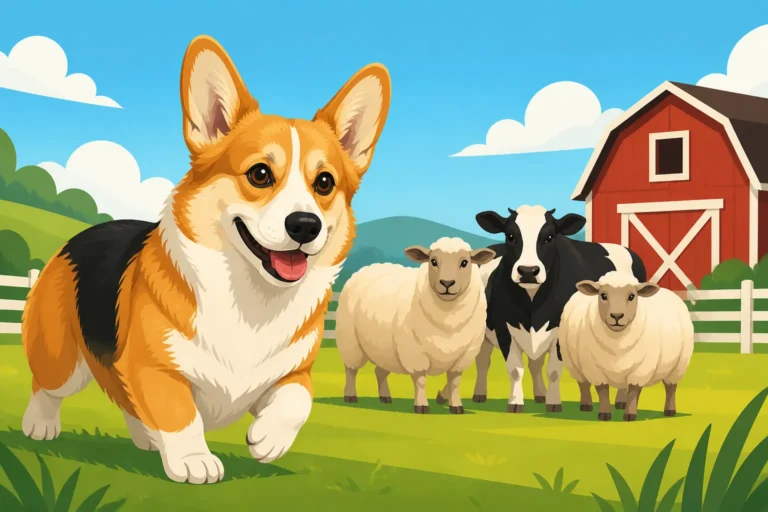
If you've ever watched a Corgi waddle by, all low to the ground with those sturdy little legs, you might scratch your head wondering how on earth these adorable fluffballs ever managed to herd cattle without getting trampled. It's a valid question, and one that gets to the very heart of what makes Corgis so unique! This guide will dive deep into the fascinating history and physical adaptations that allowed these incredible dogs to work with massive, hoofed animals, all while staying safe and incredibly effective.
Understanding the Corgi's Unique Design for Herding
It’s easy to look at a Corgi today, curled up on a plush dog bed or chasing a squeaky toy, and forget their rugged past as working dogs. But every inch of their distinctive build, from their long bodies to their short legs, was purposefully bred to navigate the challenging world of cattle herding. They weren't just cute; they were perfectly engineered for the job.
The Low-Slung Stature: More Than Just Cute
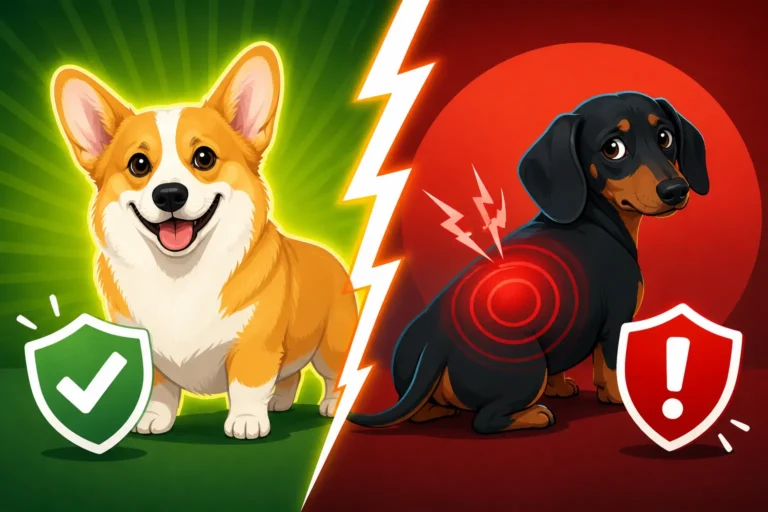
The most striking feature of a Corgi is undeniably their low height. This isn't just a charming aesthetic; it was their primary defense mechanism. Imagine a full-grown cow, easily weighing over a thousand pounds, with powerful legs and hooves. If a dog was taller, it would be directly in the line of fire, vulnerable to swift, crushing kicks. The Corgi’s job was to dart in, deliver a strategic nip, and then vanish from sight before the bovine could even react. Their proximity to the ground meant their heads and bodies were typically below the arc of a cow’s kick.
Their short legs kept their center of gravity extremely low, which is a massive advantage when you're working amongst animals many times your size. It allowed them to pivot quickly, change direction on a dime, and essentially "disappear" beneath the larger animals. This was less about brute force and more about strategic agility and evasion, using the landscape of the herd itself as their shield. This physical trait is a core part of Why the Corgi Was Bred So Low, showcasing generations of selective breeding for efficiency and survival.
Agility and Speed: Built for the Job
While their short legs might suggest a slower pace, Corgis are surprisingly quick and agile. They weren't built for long-distance running like a Border Collie, but for explosive bursts of speed and incredible maneuverability over short distances. This was crucial for their herding style. They needed to dart in, make their presence known with a sharp nip, and then immediately spring back out of danger.
Their sturdy, muscular build, despite their size, provided the power for these rapid movements. They have strong hindquarters that can propel them forward or sideways with impressive force, allowing them to dodge a swinging hoof or shift directions instantly. Think of them like tiny, furry race cars, hugging the ground and cornering at incredible speeds. This combination of low stature and quickness made them exceptionally effective at their dangerous job.
The Herding Technique: How They Worked the Cattle
The Corgi's method of herding wasn't about intimidation through size or endless barking from a distance. It was a precise, calculated approach that leveraged their physical advantages and inherent intelligence. They were taught, and instinctively knew, how to apply just the right amount of pressure to move large, stubborn animals.
Nipping at Heels, Evading Hooves
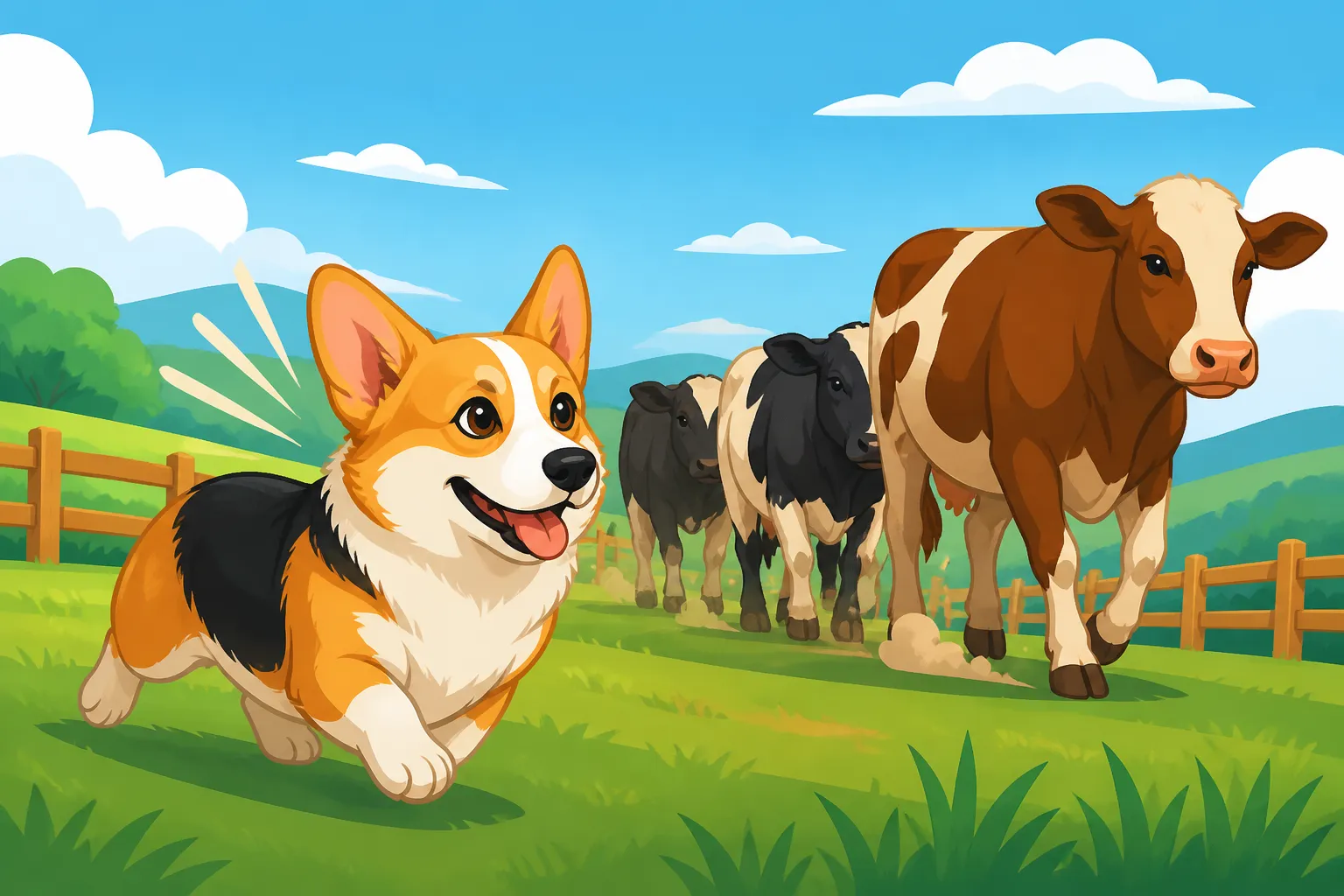
The quintessential Corgi herding technique is the "heel nip." These dogs would get low, dart under the belly or to the side of a cow, and deliver a sharp, quick nip to the animal's hocks or heels. This was enough to startle the cow and encourage it to move in the desired direction, but it wasn't meant to cause serious injury. The nip was a communication, a firm request to get going. The moment the nip was delivered, the Corgi would immediately drop even lower, or duck and roll, making themselves an incredibly difficult target for a retaliatory kick.
This "nip and duck" strategy required incredible timing, bravery, and an intimate understanding of bovine behavior. They learned to anticipate the cow's reaction, ensuring they were already out of the way before the hoof could come down. It's a stark reminder of The Cattle-Driving Nip a Corgi Still Has in their DNA, sometimes surfacing as playful nips at human ankles! Owners often see a toned-down version of this instinct when their Corgis try to "herd" family members or other pets.
Working as a Team: Corgis and the Drovers
Corgis weren't solitary workers; they were integral members of a team, working in close collaboration with human drovers. The drovers would guide the herd from the front and sides, while the Corgis managed the rear, ensuring stragglers kept up and the herd maintained its shape. This division of labor was highly efficient and effective for moving cattle over long distances to markets or new pastures.
The dogs were trained to respond to specific commands and signals from their drovers, showcasing their intelligence and willingness to learn. They were the ground-level operators, executing the detailed movements that a human couldn't physically achieve. This partnership was vital, with each party trusting the other to do their part in a potentially dangerous environment. It highlights the fascinating role these dogs played in agricultural life, making them true working partners. If you're looking for gear that supports an active dog, even if they're not herding cattle, places like Chewy offer a fantastic selection of harnesses and leashes that respect their unique physique.
Instinct and Intelligence: The Mind of a Mover
Beyond their physical attributes and learned techniques, the Corgi's success as a cattle dog was deeply rooted in their innate instincts and sharp intelligence. These weren't just dogs following commands; they were thinking, problem-solving animals perfectly attuned to their task. This mental prowess is still evident in our modern Corgi companions.
Innate Herding Drive: It's in Their DNA
The herding drive in Corgis is incredibly powerful and deeply ingrained. For centuries, only the dogs with the strongest and most effective herding instincts were bred, ensuring these traits were passed down through generations. This is why even a Corgi puppy raised in a city apartment might still try to "herd" children, other pets, or even household objects. They have an intrinsic desire to gather and control movement, a legacy from their working ancestors.
This instinct isn't just about chasing; it involves an understanding of pressure and release, of how to influence the direction of a group. They're constantly assessing the environment and making decisions about where to apply their efforts. It’s a complex behavior that stems from a long history as functional farm dogs, truly showcasing The Cattle Dog Behind the Corgi. Understanding this drive is key to understanding many of their behaviors today.
Problem-Solving and Adaptability
Working with live cattle on open pastures or crowded lanes required constant adaptability. Every animal in a herd is different, and environmental conditions can change rapidly. Corgis had to be clever, able to think on their feet, and adjust their tactics accordingly. If a cow was particularly stubborn, a simple nip might not suffice, and the Corgi would need to find another way to motivate it.
This intelligence meant they weren't just robots; they were keen observers and strategic thinkers. They could assess a situation, remember what worked before, and apply those lessons to new challenges. This problem-solving ability is why many Corgi owners find their dogs to be incredibly smart, sometimes almost too smart for their own good! They excel in activities like Scentwork as a Sport That Spares a Corgi's Back or obedience, where their minds are challenged.
Here's a quick summary of the Corgi's unique advantages for herding:
| Trait | Herding Advantage | How it Avoided Kicks |
|---|---|---|
| Low Stature | Below the kick range of cattle, natural hiding spot | Physical evasion, hard target |
| Explosive Agility | Quick dart-in and dart-out movements | Rapid escape from danger zone |
| Sturdy Build | Powerful propulsion for quick maneuvers | Enabled swift dodges and changes in direction |
| Heel-Nipping | Effective communication to move stubborn cattle | Targeted, brief interaction followed by immediate retreat |
| High Intelligence | Problem-solving, adaptable to changing herd dynamics | Anticipation of cattle reactions, strategic positioning |
| Strong Instinct | Innate drive to gather and control movement | Hardwired behaviors for self-preservation and efficiency |
Modern Day Echoes: What This Means for Your Corgi
Even though most Corgis today are cherished family pets rather than working dogs, the traits that made them so effective at herding cattle are still very much present. Understanding this heritage can help us better appreciate and manage our Corgi companions. Their historical "job" profoundly shapes who they are, even hundreds of years later.
Nipping Behavior in the Home
One of the most common behaviors that harkens back to their herding days is the Corgi's tendency to "nip" at heels or ankles, especially when people are moving quickly. This isn't aggression; it's an instinctive attempt to gather or direct. A running child, a busy family member, or even a vacuum cleaner can trigger this ingrained response. For a Corgi, you're just a particularly large, slow-moving cow that needs to be steered!
While charming in theory, it's a behavior that needs gentle redirection in a domestic setting. Instead of scolding, provide alternative, appropriate outlets for their herding drive, like rolling a ball for them to "herd" or engaging in structured play. Retailers like Chewy offer fantastic interactive toys and puzzle feeders that can redirect their mental and physical energy in a positive way. Understanding A Corgi That Nips Running Children is crucial for ensuring a harmonious household.
Exercise Needs and Mental Stimulation
Because Corgis were bred to be active, intelligent working dogs, they require more than just a quick stroll around the block. They need consistent physical exercise and, perhaps even more importantly, mental stimulation to be truly happy and well-behaved. Without an outlet for their energy and intelligence, Corgis can become bored, destructive, or excessively vocal.
Activities like obedience training, Trick and Scent Work for a Corgi, or even just engaging playtime in the yard can help fulfill their innate needs. Providing them with opportunities to "work" their brains and bodies, even in a playful context, will make them much more content. Consider their daily walks as not just potty breaks, but opportunities for exploration and engagement. A high-quality food, readily available from sources like Chewy, will fuel their active minds and bodies, ensuring they have the energy for all their adventures. Remember, a tired Corgi is usually a happy Corgi!
Disclaimer
This article is for general informational purposes only and does not constitute professional advice. Laws, prices and regulations vary by location and change over time. Consult a qualified professional for guidance on your specific situation.