Corgis in Advertising and on Screen
It's undeniable that Corgis have captured hearts not just in homes but across our screens, leading to a huge surge in their visibility and popularity. For many, their first introduction to this adorable, low-riding breed wasn't a friend's dog or a local dog park, but rather a charming appearance in a movie, a viral video, or a memorable commercial. This guide will explore the fascinating journey of Corgis from royal companions to beloved media darlings, and delve into the real-world implications of their widespread fame.
The Royal Connection: A Corgi's First Big Break
Before Corgis became internet sensations and commercial stars, their most famous association was, without a doubt, with the British Royal Family, particularly Queen Elizabeth II. This long-standing connection cemented the Corgi's image in the public consciousness as a regal, yet charmingly mischievous, companion. For decades, images of the Queen surrounded by her beloved Pembrokes were a staple in news and media, giving the breed an unparalleled level of exposure.
The sheer volume of photographs and newsreels featuring the Queen with her Corgis cultivated an enduring image. These were not just pets; they were part of her public persona, often accompanying her on walks around her estates and even making appearances in official photographs. This consistent, high-profile presence effectively made the Corgi an unofficial mascot of the monarchy, bringing them into homes worldwide long before the age of social media. The Queen's preference for the breed highlighted their loyalty, intelligence, and distinctive appearance, intriguing people who might never have otherwise encountered such a unique dog. You can learn more about The Corgi in the Royal Household and What the Queen's Corgis Did to the Breed's Popularity.
This royal endorsement sparked initial waves of interest in the breed, particularly in the UK and Commonwealth countries. People saw these charismatic dogs trotting alongside royalty, and it created a perception of them being sophisticated yet lovable. It laid the groundwork for their later, more widespread media presence, making them recognizable and appealing to a global audience. The perception of a Corgi as a dog fit for a queen, yet accessible enough to be a family pet, was a powerful message.
From Royalty to Commercials: Corgis as Brand Ambassadors
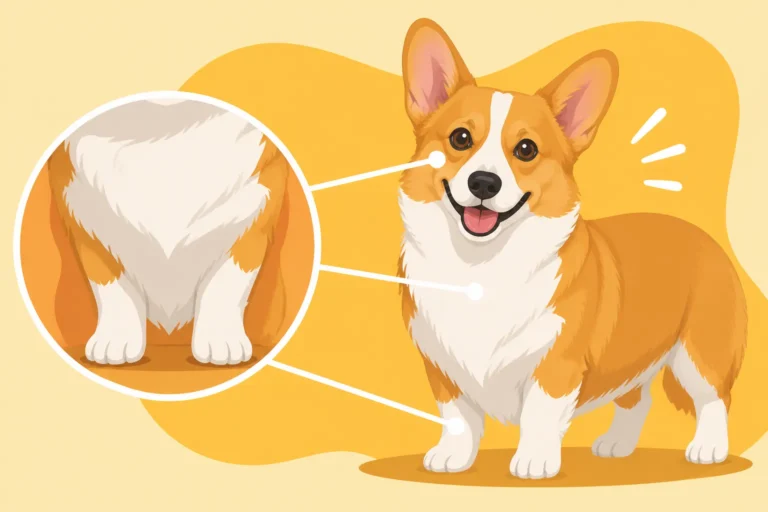
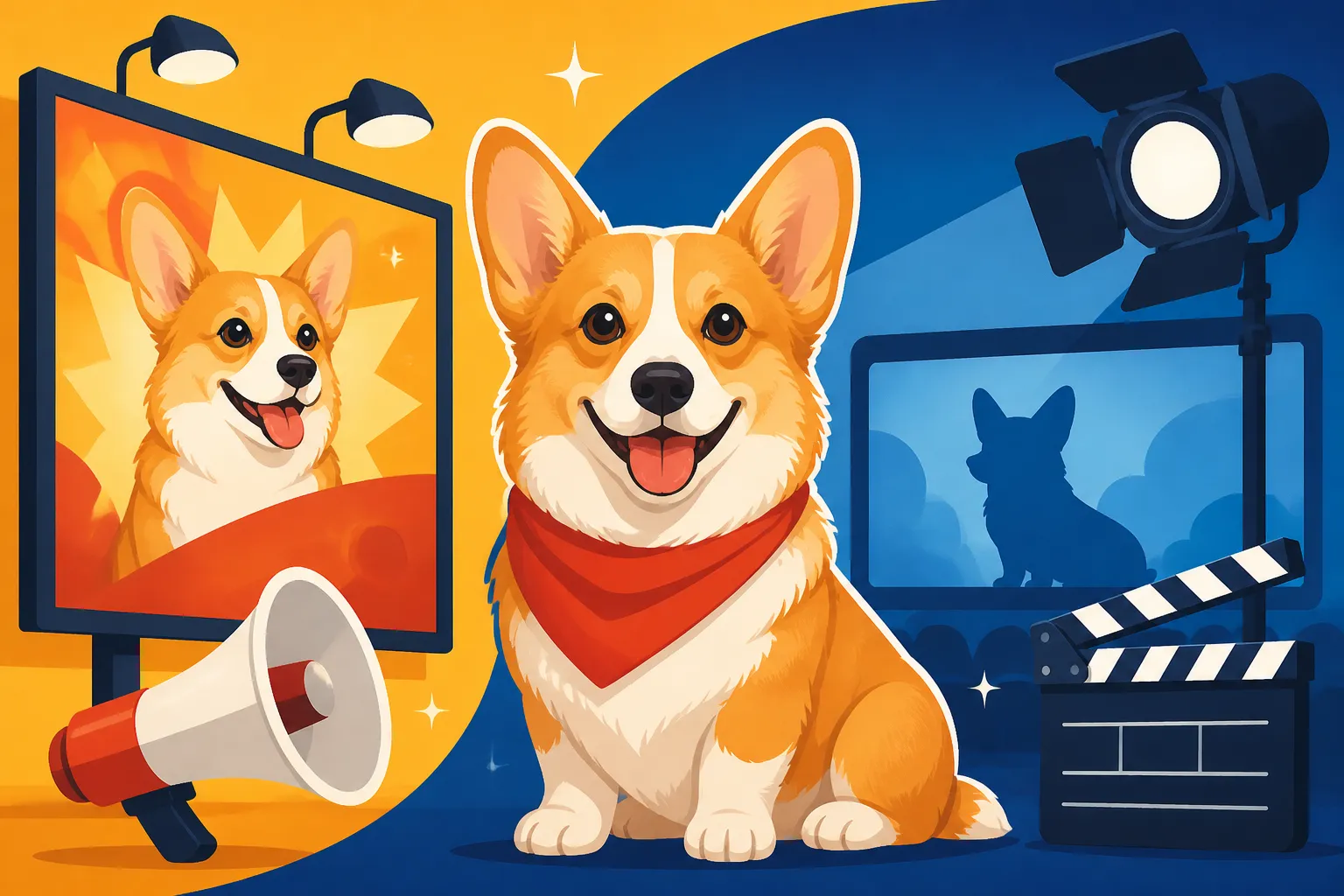
As the world became more visually driven, Corgis naturally transitioned from royal companions to sought-after commercial stars. Their unique appearance – short legs, long bodies, expressive faces, and often a "fairy saddle" marking – makes them instantly recognizable and incredibly appealing on screen. Advertisers quickly realized the power of a Corgi's charm to capture attention and convey a sense of warmth, fun, or even a touch of quirky elegance.
We've seen Corgis gracing commercials for everything from car insurance to pet food, and even technology brands. Their natural comedic timing, often unintentional, works wonders. Picture a Corgi attempting to "herd" a group of kittens for a pet product, or hilariously struggling to jump onto a sofa in a furniture ad. These scenarios are instantly relatable and endearing, making the product they're promoting more memorable. Brands like Chewy, for instance, understand the appeal of showcasing a happy, healthy dog, and a Corgi often fits that bill perfectly, demonstrating vitality and joy. This widespread use in advertising has catapulted them from a somewhat niche herding breed to a mainstream symbol of cuteness and character.
However, it's not just their looks. Corgis possess a distinct personality that shines through on camera. They are often intelligent, spirited, and sometimes a little stubborn, which can make for entertaining moments that resonate with viewers. This combination of visual appeal and personality has made them incredibly effective brand ambassadors, driving home messages in a way that other breeds might not. Their "big dog in a small package" vibe also makes them versatile, appealing to a broad demographic.
Corgis on the Big and Small Screen: More Than Just Cameos
Beyond commercials, Corgis have carved out a significant niche for themselves in movies and television shows. While they might not always be the central protagonist, their memorable appearances often steal scenes and leave a lasting impression on audiences. From animated features to live-action comedies and dramas, Corgis have proven their ability to enhance storytelling and add a touch of whimsy or grounding reality.
One of the most notable examples is the animated film "The Queen's Corgi," which, while fictional, capitalized on the widespread recognition of the royal Corgis. This movie put a Corgi right at the heart of the narrative, showcasing their personality, loyalty, and even a bit of their mischievous side. But even in roles where they are secondary, like a family pet in a sitcom or a quirky companion in a romantic comedy, Corgis tend to stand out. Their low stature and distinctive waddle automatically add visual interest and often a touch of humor to any scene. They bring a certain "everydog" appeal mixed with their inherent unique charm.
The visibility extends to online platforms as well. Corgis are viral sensations on social media, with countless videos of their zoomies, their attempts at stair climbing, or their dramatic reactions to everyday situations. These short, engaging clips contribute immensely to their global fame, introducing them to new audiences every day. These digital appearances often precede their more formal roles, turning individual Corgis into "influencers" in their own right. The more people see these delightful dogs, the more they fall in love with the breed's distinct characteristics and lively spirit.
Here's a quick look at some ways Corgis have popped up in media:
| Category | Examples | Typical Role | Impact |
|---|---|---|---|
| Royal Family | Queen Elizabeth II's Corgis (real-life, documentaries) | Loyal companion, symbol of British monarchy | Global recognition, association with royalty |
| Commercials | Pet food, insurance, automotive, tech products | Cute mascot, relatable family pet, humorous element | Increases brand appeal, widespread public exposure |
| Movies | "The Queen's Corgi," "Cowboy Bebop" (Ein), various cameos | Main character (animated), intelligent sidekick, comic relief, family pet | Drives specific film/show interest, showcases breed's versatility |
| TV Shows | Sitcoms, dramas, reality shows, dog-focused programs | Recurring character, beloved family member, often a source of humor | Normalizes Corgi ownership, highlights their unique traits |
| Social Media | Viral videos (e.g., Corgi Beach Day, zoomies), pet accounts | Internet celebrity, source of entertainment, meme generator | Massive, continuous global reach, instant gratification |
The Impact of Corgi Stardom: Good, Bad, and Misunderstood
The skyrocketing popularity of Corgis due to their media presence has had a profound impact on the breed, bringing both wonderful opportunities and some significant challenges. On the one hand, it has introduced countless people to these amazing dogs, fostering a greater appreciation for their unique characteristics. On the other, it has unfortunately led to a surge in demand that sometimes outpaces responsible breeding practices, and can result in owners unprepared for the realities of Corgi ownership.
The "good" is clear: more people are aware of Corgis and their endearing qualities. This increased visibility can lead to more opportunities for breed rescues, better understanding of their health needs, and even a greater market for Corgi-specific products from retailers like Chewy. Responsible breeders who prioritize health and temperament often see greater interest from well-informed prospective owners. It’s lovely to see so many people charmed by this breed, wanting to give a Corgi a loving home.
However, the "bad" side often stems from impulse decisions based purely on a Corgi's adorable on-screen persona. People might see a cute Corgi in a commercial or a viral video and decide they want one without fully researching the breed's specific needs, challenges, or health predispositions. Corgis are not merely fluffy, low-maintenance living room ornaments. They are intelligent, vocal, high-shedding dogs with a strong herding instinct. They require consistent training, plenty of mental and physical stimulation, and careful management to protect their long backs. A Corgi's tendency to bark, for example, might be an unexpected shock for neighbors, especially if an owner isn't prepared for Corgi Barking and How Much Is Normal.
This demand can also fuel irresponsible breeding practices, with some individuals prioritizing profit over the health and welfare of the dogs. This can lead to Corgis being bred without proper health clearances, increasing the incidence of genetic conditions like Degenerative Myelopathy and the Corgi or issues related to their long backs. Potential owners who see a Corgi on screen might not realize the financial commitment or the potential health challenges that can come with the breed's unique physique. It's vital for anyone considering a Corgi to do thorough research and understand What a Corgi Costs a Year Before Any Back Trouble and how to pick a responsible breeder. Otherwise, you might find yourself facing the long-term consequences of a poorly bred dog.
Ultimately, while Corgis in advertising and on screen have brought joy and exposure to this incredible breed, it's crucial for prospective owners to look beyond the cute facade. The fame should serve as an invitation to learn about the true Corgi – a lively, intelligent, and sometimes opinionated companion who needs dedication, proper care, and an understanding of their unique breed traits.
Disclaimer
This article is for general informational purposes only and does not constitute professional advice. Laws, prices and regulations vary by location and change over time. Consult a qualified professional for guidance on your specific situation.