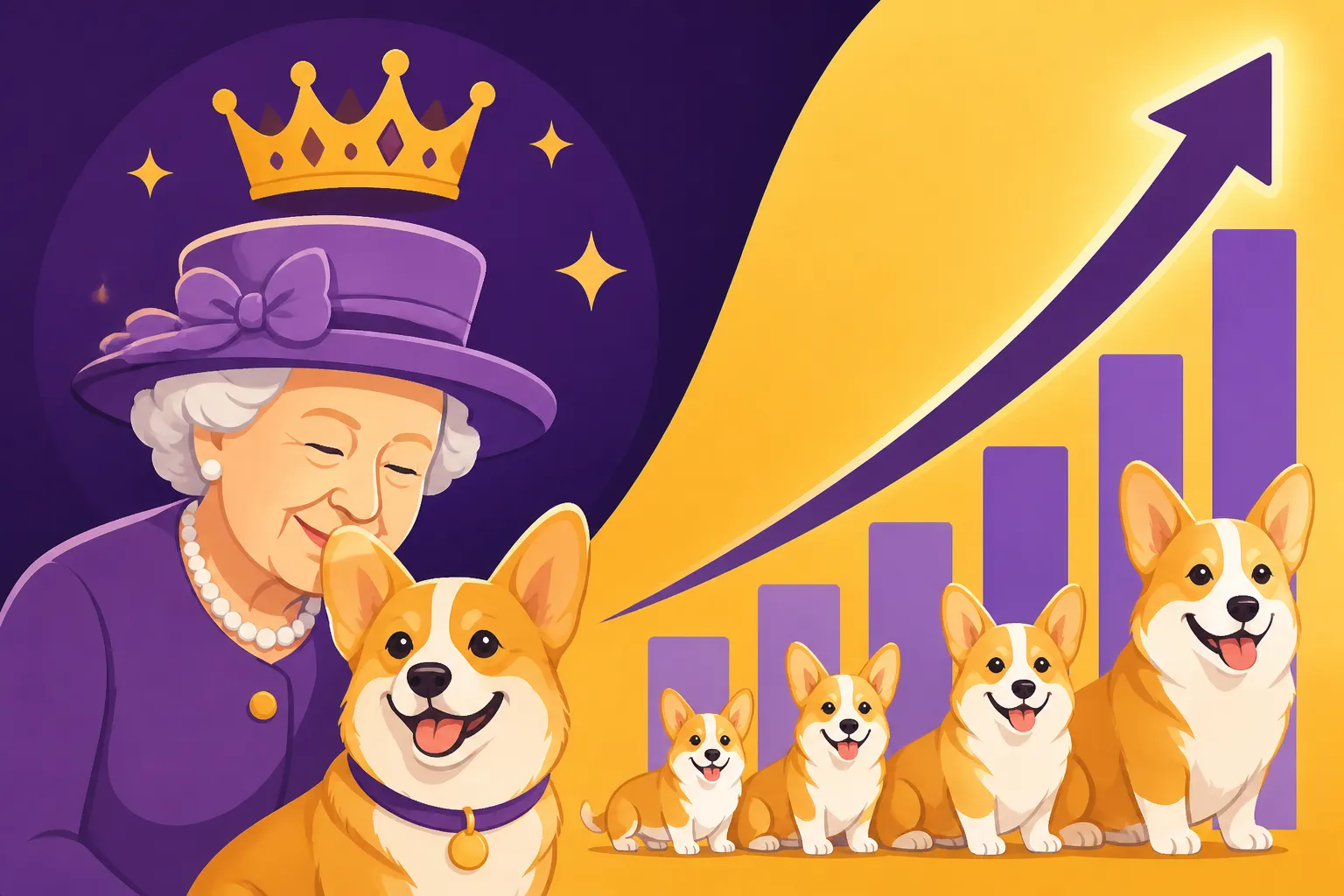
What the Queen’s Corgis Did to the Breed’s Popularity
For many Corgi enthusiasts, the image of a little bob-tailed dog trotting alongside royalty is as iconic as the breed itself. While Corgis have always held a special charm, it was their undeniable association with Queen Elizabeth II that catapulted them from a beloved herding dog into a global phenomenon, changing the public perception and demand for this delightful breed forever. This guide will delve into how the Queen's steadfast affection profoundly impacted the Corgi's journey to international stardom.
The Royal Connection Before Elizabeth II
While Queen Elizabeth II became synonymous with Corgis, she wasn't actually the first member of the British Royal Family to fall for their short-legged charm. The breed had already made its way into royal circles before her long reign, laying the groundwork for the future Corgi dynasty. Understanding this early introduction helps us appreciate the scale of the Queen's later influence.
Early Royal Introductions
The journey of the Corgi into royal hearts began a little earlier than many might assume. Before Elizabeth II received her own beloved Corgi, the breed had already caught the eye of her father, King George VI. It’s a common misconception that she was the pioneer, but the groundwork for royal Corgi adoration was actually laid by her parents. The early 20th century saw the Pembroke Welsh Corgi gaining recognition, particularly for its spirited nature and compact size, making it an appealing choice even for those in stately homes who appreciated working breeds.
King George VI and the First Pembroke
It was in 1933 that King George VI, then the Duke of York, decided to bring a Pembroke Welsh Corgi puppy into the royal household. This particular puppy, named Dookie, was purchased from a local kennel and quickly became a cherished member of the family. Dookie’s arrival marked a significant moment, bringing the relatively lesser-known breed into the opulent halls of Buckingham Palace and Windsor Castle. Imagine this little bundle of fur exploring the vast royal estates, a stark contrast to its humble origins herding cattle in the Welsh countryside. Who Gave the Royal Family Its First Corgi gives more detail on this pivotal acquisition. This initial introduction, though not as globally publicized as later generations, nonetheless planted the seeds for the incredible affection the future Queen would develop for the breed.
Queen Elizabeth II's Enduring Love Affair with Corgis
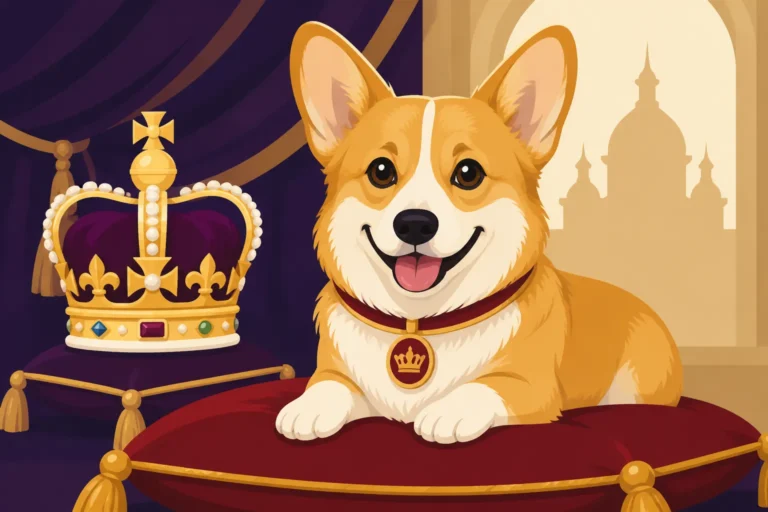
Queen Elizabeth II’s love for Corgis wasn't a fleeting fancy; it was a deep, lifelong bond that began in her childhood and lasted until her passing. Her devotion to the breed was unparalleled, shaping her public image and inextricably linking the Corgi to the British monarchy in the eyes of the world. This profound connection became the single greatest factor in the breed's global fame.
Susan: The Corgi Who Started a Dynasty
The true beginning of the Queen's personal Corgi dynasty started with a special gift for her 18th birthday in 1944. This gift was a Pembroke Welsh Corgi named Susan, who would become the matriarch of a long line of royal Corgis. Susan wasn't just a pet; she was a constant companion, even accompanying the then-Princess Elizabeth on her honeymoon with Prince Philip. Her presence by the Queen's side through countless official and private moments cemented her place in royal history. Which Corgi the Queen Got for Her Eighteenth Birthday elaborates on this significant event.
Susan’s lineage was carefully managed, and it was from her that the Queen bred most of her subsequent Corgis, often keeping two or three generations of the same line at any given time. This direct, personal involvement in breeding showcased her profound commitment to the dogs, far beyond that of a casual owner. The decision to maintain a direct line from Susan meant that each new puppy held a special connection to her beloved first Corgi, creating a beautiful narrative of continuity and devotion that resonated with the public. Susan and the Corgi Line That Followed and How Many Corgi Generations Came From Susan dive deeper into this fascinating aspect of the royal Corgi family tree.
A Lifelong Companion: The Queen's Pack
Over her lifetime, Queen Elizabeth II owned more than 30 Corgis, all descended from Susan. Her dogs were not merely royal accessories; they were deeply cherished members of her family, accompanying her on walks, traveling with her, and even appearing in official photographs. They had a privileged life, sleeping in their own room at Buckingham Palace, being fed gourmet meals prepared by palace chefs, and receiving daily attention directly from the Queen whenever possible. This visible affection humanized the monarch and made Corgis seem incredibly accessible and lovable to people worldwide.
The sight of the Queen surrounded by her Corgis became a hallmark of her reign. Whether she was disembarking from a plane with a Corgi at her heels or captured in a candid moment petting one, these images conveyed a sense of warmth and genuine connection. This constant, high-profile presence was an unprecedented level of exposure for any dog breed, turning the Corgi into a global icon. The public saw them as not just royal dogs, but as the royal dog, embodying a touch of approachable charm within the grandeur of the monarchy. How Many Corgis the Queen Owned details the extent of her Corgi family.
The "Dorgis": An Unexpected Offshoot
Beyond her purebred Pembrokes, the Queen also became known for her "Dorgis," a charming crossbreed resulting from an unexpected pairing between one of her Corgis and Princess Margaret's Dachshund, Pipkin. This serendipitous union produced a litter of Dorgi puppies, which the Queen continued to breed for several generations. These delightful mixes, with their longer bodies and Corgi-like temperament, only added to the public's fascination with the Queen's canine companions.
The existence of the Dorgis showcased another dimension of the Queen's personal relationship with her dogs – it was rooted in affection and practicality, rather than strict adherence to breed standards. This willingness to embrace a crossbreed, and to continue caring for them with the same devotion, reinforced the image of a genuine dog lover. It provided a unique, relatable anecdote about royal pets, further endearing the Corgis (and Dorgis) to a global audience. Dorgis and Other Royal Corgi Crosses provides more context on these charming royal hybrids.
The Unprecedented Rise in Corgi Popularity
The Queen's unwavering devotion to her Corgis had a phenomenal impact on the breed's popularity, transforming it from a relatively niche herding dog into one of the most recognizable and sought-after breeds globally. This surge in demand, fueled by constant media exposure, created a unique phenomenon in the canine world.
The "Royal Corgi" Image Takes Hold
For decades, the image of Queen Elizabeth II was incomplete without her Corgis. They were photographed with her at formal events, featured in documentaries, and became a consistent presence in news coverage surrounding the monarchy. This constant, positive association with a beloved global figure meant that the Corgi brand became synonymous with royalty, charm, and loyalty. People didn't just see a Corgi; they saw a "Royal Corgi," imbued with a certain prestige and endearing eccentricity.
This unique branding, cultivated over many years, created an aspirational appeal. Owning a Corgi felt like a little piece of that royal magic, a connection to the beloved Queen herself. This subconscious link was incredibly powerful, distinguishing the Corgi from other small breeds and elevating its status in the public imagination. The breed benefited immensely from being an unofficial, four-legged ambassador for the British Crown.
Media Spotlight and Global Fascination
The media played a crucial role in amplifying the Corgi's fame. Every photograph, every news report, every documentary featuring the Queen and her dogs contributed to their ever-growing celebrity. This wasn't a one-off advertisement; it was a continuous, organic campaign spanning more than half a century. The advent of television and later the internet ensured that images of the royal Corgis reached every corner of the globe, captivating audiences with their distinctive look and reportedly cheeky personalities.
The global fascination peaked, perhaps, with events like the London 2012 Olympic Opening Ceremony, where the Queen, accompanied by her Corgis, famously appeared alongside Daniel Craig's James Bond. This playful, charming cameo cemented their place in contemporary pop culture beyond just royal circles. More recently, popular culture depictions, such as the Netflix series The Crown, brought the Corgis to a new generation of viewers, reigniting interest and conversations around them. How Corgi Popularity Changed After The Crown explores this further, showing how their legacy continued even through dramatized portrayals.
Measuring the Surge in Demand
The impact of this royal patronage wasn't just anecdotal; it was measurable in skyrocketing demand for Corgi puppies. Kennel club registrations saw significant increases in many countries, and prices for Corgi puppies often reflected their newfound celebrity status. Breeders, both responsible and otherwise, struggled to keep up with the public's desire to bring a piece of the royal canine charm into their homes. It wasn't uncommon for people to seek out Corgis specifically because of the Queen's association, often overlooking other equally wonderful breeds. This dramatic shift underscores the unparalleled influence of one individual on an entire breed.
To illustrate the dramatic shift in perception and demand, let's consider a simplified timeline:
| Era | Key Royal Corgi Event | Public Perception / Demand Impact |
|---|---|---|
| Pre-1930s | Minimal royal association | Niche herding dog, appreciated by a specific demographic |
| 1930s | King George VI acquires Dookie | First royal exposure, mild increase in curiosity |
| 1940s | Queen Elizabeth II receives Susan | Personal royal connection established, growing recognition |
| 1950s – 2000s | Decades of consistent royal presence, media coverage | Steady rise in popularity, "Royal Corgi" image solidified |
| 2010s | London Olympics cameo, The Crown series | Global pop culture phenomenon, renewed and amplified demand |
| Post-Elizabeth II | Corgi legacy continues in popular culture | Enduring affection, continued high visibility and desirability |
The Double-Edged Sword: Impact on the Breed
While the Queen's love for Corgis undeniably brought them global recognition, this immense popularity wasn't without its challenges. The surge in demand often led to both positive developments in responsible breeding and concerning trends in commercial breeding, creating a complex situation for the breed's welfare.
Challenges for Responsible Breeders
For dedicated, responsible Corgi breeders, the sudden spike in popularity presented a double-edged sword. On one hand, it brought more attention to the breed, potentially attracting new enthusiasts who genuinely appreciated the Corgi’s temperament and heritage. On the other hand, the sheer volume of inquiries could be overwhelming. True responsible breeders adhere to strict ethical guidelines, performing health checks, carefully selecting breeding pairs, and often maintaining waiting lists to ensure their puppies go to suitable homes. They prioritize health, temperament, and adherence to breed standards over quick profits.
This commitment means they can only produce a limited number of puppies each year. When demand far outstrips supply, it puts immense pressure on these breeders. They often find themselves having to turn away many interested families, a difficult task when they know these families might then turn to less scrupulous sources. For those who breed with integrity, like many involved with the Corgi breed clubs, the goal is always to improve the breed, not just to capitalize on its momentary fame. They focus on crucial aspects such as genetic testing for conditions like Degenerative Myelopathy and the Corgi and Corgi Eye Disease and PRA, which are vital for the long-term health of the breed.
The Rise of Unethical Breeding Practices
Unfortunately, whenever a breed gains significant popularity, it attracts individuals and operations more interested in profit than puppy welfare – often referred to as "puppy mills" or backyard breeders. These unethical breeders see the high demand and price tags as an opportunity, often breeding dogs indiscriminately, without proper health testing, adequate socialization, or concern for the genetic health of the puppies. They may bypass essential screenings like those for Corgi Hips and Front-End Structure or skip the crucial The DNA Tests a Corgi Breeder Should Run.
The consequences of such practices are severe, leading to puppies with health issues, poor temperaments, and inadequate early life experiences. Buyers, often unaware of the red flags, may end up with a Corgi that requires extensive veterinary care or behavioral training later in life, leading to heartbreak and significant financial strain. For example, a Corgi from an irresponsible breeder might develop back problems earlier due to poor breeding choices, incurring huge Paying for a Corgi's Ruptured Disc bills, all because popularity drove demand faster than ethics. It’s a painful reality that follows many beloved breeds after a surge in public interest.
The Crucial Role of Corgi Rescues
In the wake of increased popularity and, sadly, the rise of irresponsible breeding, Corgi breed rescues become more vital than ever. These dedicated organizations step in to help dogs who might be surrendered due to unforeseen health problems, behavioral issues stemming from lack of socialization, or simply because their owners weren't prepared for the realities of Corgi ownership. A Corgi's energetic personality and distinct needs, even its significant shedding, can be a surprise for those who only bought into the "royal pet" image.
Corgi rescues work tirelessly to rehabilitate these dogs, provide necessary veterinary care, and find them loving, permanent homes. They often require potential adopters to undergo thorough screening processes, educating them about the breed’s specific needs, including its potential for Disc Disease in a Long-Backed Corgi or other common health concerns. Organizations like these serve as a safety net, mitigating some of the negative impacts of popularity. Many of these rescues, and indeed many thoughtful owners, turn to trusted pet supply retailers like Chewy for everything from specialized senior diets for older Corgis to crates and enrichment toys for those undergoing rehabilitation. Their work ensures that every Corgi, regardless of its origin, has a chance at a happy life. When people find themselves in a situation where they can no longer care for their Corgi, breed-specific rescues are often the best place to turn, as detailed in Rehoming a Corgi That Someone Could Not Manage.
A Lasting Legacy: Corgis Beyond the Monarchy
Even after Queen Elizabeth II’s passing, the Corgi's legacy as a beloved and internationally recognized breed shows no signs of waning. Their journey from humble herding dogs to royal companions and now global internet darlings is a testament to their enduring charm and the powerful impact of their royal association.
From Royal Lapdogs to Internet Stars
The Queen's Corgis were, for many years, the epitome of a dignified royal companion. However, in the modern age, their image has seamlessly transitioned into the digital realm, transforming them into bona fide internet stars. Corgis are now omnipresent across social media platforms, starring in countless memes, viral videos, and popular accounts dedicated solely to their antics. Their unique physical characteristics – the fluffy rear, the expressive face, the short legs – make them incredibly photogenic and endlessly amusing online.
This digital fame has given the breed a new lease on life in terms of public visibility, introducing them to a demographic that might not have followed royal news. The Corgi's natural charisma, combined with its royal backstory, makes it a breed with universal appeal. People share pictures of their Corgis dressing up, performing tricks, or just being adorably goofy, reinforcing the breed's image as a joyful and entertaining companion, accessible to everyone, not just royalty.
Corgis in Advertising and Popular Culture
The Corgi's elevated status extends far beyond internet virality, making them a fixture in advertising campaigns and various forms of popular entertainment. From television commercials to feature films and animated series, Corgis are frequently cast for their distinctive look and engaging personality. Brands recognize the immediate recognition and positive associations the breed carries, leveraging their wholesome image and connection to royalty to enhance their products or messages.
They appear on merchandise of all kinds, from clothing and stationery to home decor, cementing their place as cultural icons. This pervasive presence in popular culture means that even individuals who know little about dog breeds can instantly identify a Corgi, often linking it back to its royal heritage. This widespread media integration helps to keep the breed at the forefront of the public's mind, ensuring their popularity remains robust even without direct royal endorsement.
The Enduring Charm and Future of the Breed
The Queen’s Corgis didn't just boost the breed's popularity; they ingrained the Corgi into the collective consciousness as a symbol of loyalty, cheerfulness, and a touch of regal charm. Even as the direct royal connection fades with time, the legacy of Elizabeth II’s affection will continue to shape how the world perceives these wonderful dogs. Their short stature and sturdy build belie a spirited, intelligent, and often vocal personality, which is what truly captures hearts once someone gets to know a Corgi.
The future of the breed lies in the hands of responsible owners and breeders who prioritize health and temperament over trends. While the initial surge in popularity can be challenging, it also brings more resources and awareness to the breed's specific needs, such as managing their weight to prevent Why Corgi Weight Is a Spinal Problem or understanding their active minds, which require mental stimulation. As long as we remember to look past the royal veneer and appreciate the Corgi for the incredible dog it is, a dog with a rich history and a bright future, their charm will surely endure. Many Corgi owners, appreciating the breed's specific needs, frequently browse Chewy for toys that encourage mental engagement, high-quality food to maintain a healthy weight, and grooming tools necessary for their double coats.
Disclaimer
This article is for general informational purposes only and does not constitute professional advice. Laws, prices and regulations vary by location and change over time. Consult a qualified professional for guidance on your specific situation.