How Corgi Popularity Changed After The Crown
Before The Crown aired, Corgis were certainly well-loved, but they occupied a somewhat niche corner of the canine world. Many prospective owners are now realizing that the increased visibility brought by this popular series has significantly changed the landscape of Corgi ownership, making it both more appealing and, unfortunately, fraught with new challenges. This guide will delve into how the portrayal of Corgis in The Crown transformed their public perception and the subsequent impacts on demand, pricing, and the ethical breeding world, equipping you with a realistic understanding of the Corgi's journey into widespread fame.
The Royal Spotlight: How The Crown Amplified Corgi Charm
It's hard to deny the enduring appeal of Queen Elizabeth II's Corgis. For decades, these short-legged, long-bodied dogs were synonymous with the British monarchy, a constant presence at the Queen's side, often seen trotting just behind her on palace grounds or even peeking out from under her armchair. This was well-known to breed enthusiasts, but for the wider public, it remained a charming, if somewhat distant, royal eccentricity.
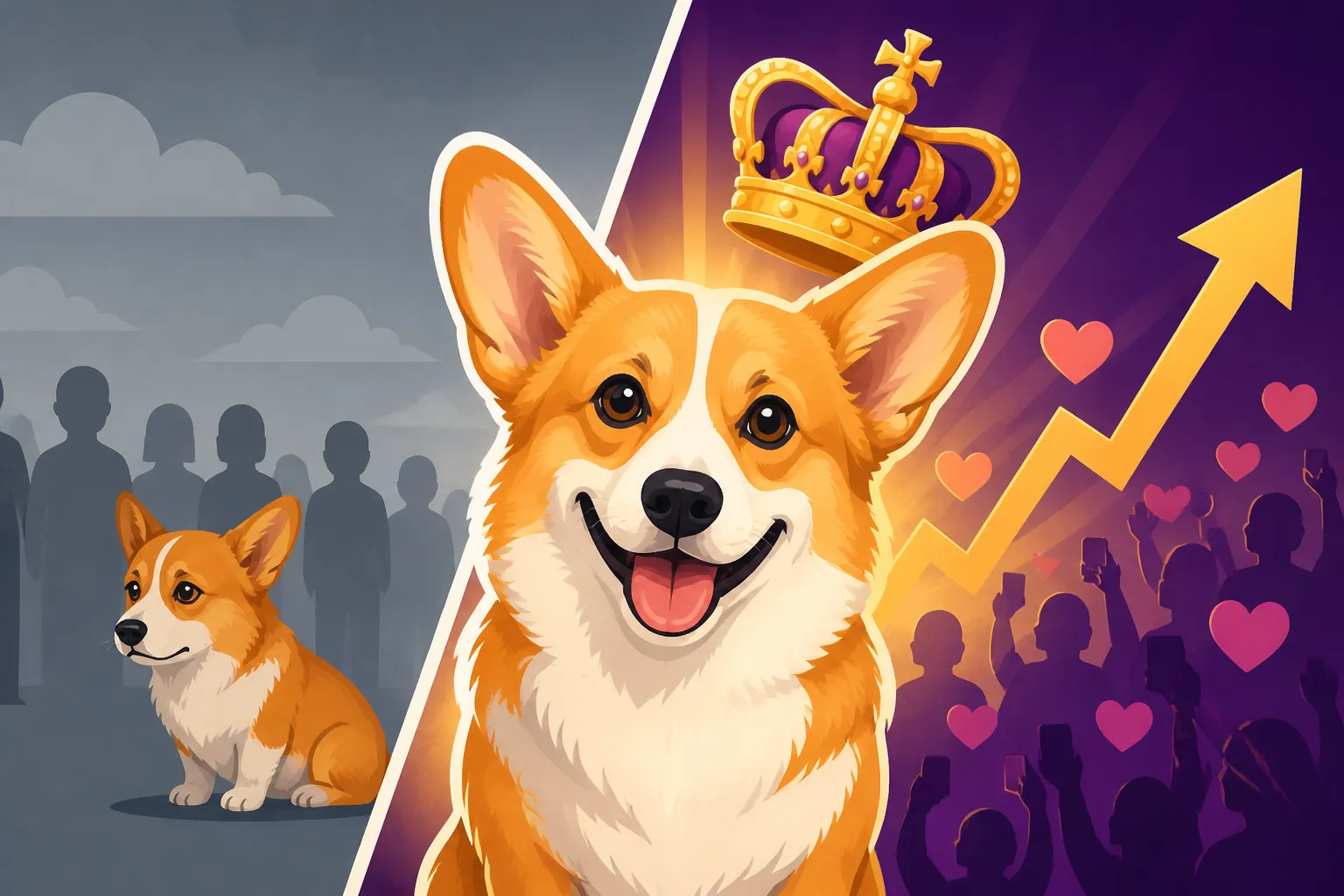
Then came The Crown. The Netflix series, depicting the life and reign of Queen Elizabeth II, brought these beloved dogs into millions of homes across the globe with unprecedented intimacy. Suddenly, Corgis weren't just a historical footnote; they were active, sometimes comedic, characters in a compelling drama. Scenes showing the Queen interacting with her Corgis, walking them, even feeding them, humanized the monarch and, by extension, elevated the Corgi from a regal accessory to an undeniable star in its own right. The sheer volume of screen time, coupled with the emotional resonance of the narrative, created a powerful, relatable image of these dogs.
This constant, positive exposure was a game-changer. Viewers who had never considered a Corgi before suddenly saw them not just as "royal dogs" but as intelligent, spirited, and utterly adorable companions. The breed became aspirational, representing a certain charm and companionship that resonated deeply with audiences. Before The Crown, you might have had to explain what a Corgi was to some people; afterwards, everyone seemed to know them, often with a fond smile and a mention of the Queen. It was a massive, unintentional marketing campaign that catapulted the Corgi into the global consciousness like never before. This phenomenon fundamentally shifted What the Queen's Corgis Did to the Breed's Popularity from a quiet affection to a widespread craze.
The Unforeseen Ripple Effect: Demand, Pricing, and Ethical Concerns
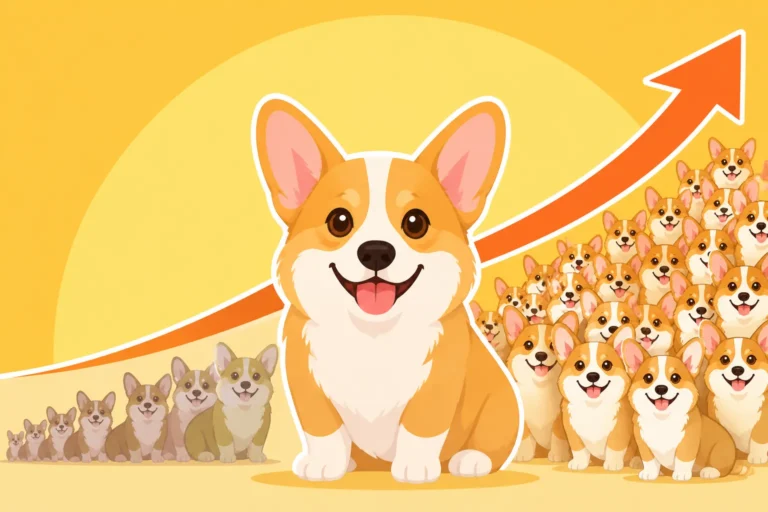
The immediate aftermath of The Crown's popularity was a dramatic surge in demand for Corgi puppies. Suddenly, everyone wanted a dog like the Queen's. This explosion in interest had predictable, yet concerning, ripple effects across the Corgi community, impacting everything from waiting lists to the integrity of breeding practices. If you've ever wondered How Common Corgis Have Become, the answer became "very" almost overnight.
Soaring Prices and Lengthening Waiting Lists
Before the show, a well-bred Corgi puppy from a reputable breeder already commanded a fair price, reflecting the significant investment in health testing, quality care, and ethical breeding practices. After The Crown, however, these prices escalated dramatically. Breeders found their waiting lists stretching for years, not months, as prospective owners clamored for a Corgi. It became a seller's market, and unfortunately, this high demand also attracted those less scrupulous.
When we talk about The Price a Corgi Puppy Actually Fetches now compared to a decade ago, you’ll find a notable difference. This isn't necessarily a bad thing if the increased price reflects the true value of careful breeding and comprehensive health screening, but often, it didn't. Many people, desperate to get their hands on a "royal" dog, were willing to pay inflated prices without understanding the importance of responsible breeding or the long-term health implications.
The Rise of Unethical Breeding Practices
The sudden and massive demand for Corgis created a vacuum that backyard breeders and puppy mills were quick to fill. These operations, often driven purely by profit, typically bypass critical health clearances, genetic testing, and proper socialization, leading to puppies with a higher risk of health issues and behavioral problems. The allure of quick cash overshadowed ethical considerations, and many unsuspecting buyers, caught up in the Corgi craze, were vulnerable to these practices.
It became a frustrating situation for truly responsible breeders, who continued their rigorous health testing, careful pairings, and limited litter sizes. They couldn't meet the skyrocketing demand without compromising their standards, and they often watched helplessly as unqualified individuals churned out puppies with little regard for the breed's future. The emphasis shifted from finding a healthy, well-adjusted companion to simply acquiring "a Corgi," regardless of its origins. This made it increasingly vital for prospective owners to understand Corgi Puppy Prices From a Tested Breeder and why those costs are justified.
Overwhelmed Rescues and Rehoming Challenges
Another heartbreaking consequence of the popularity boom was the strain it placed on Corgi rescues. While many Corgis found loving homes, a significant number of "impulse buys" inevitably ended up surrendered when new owners realized the reality of Corgi ownership didn't quite match the charming television portrayal. Corgis are intelligent, vocal, and can be quite demanding; they're not just cute, fluffy ornaments.
Many people didn't research the breed's specific needs—like their strong herding instinct, their propensity for barking, or their grooming requirements—before purchasing. As a result, rescues saw an increase in Corgis needing homes, often due to behavioral issues that could have been prevented with proper training and understanding from the start. This led to more situations where Rehoming a Corgi That Someone Could Not Manage became a sad necessity, putting a burden on dedicated volunteers and limited resources.
Here's a quick look at how the Corgi landscape shifted:
| Aspect of Ownership | Pre-The Crown Era | Post-The Crown Era |
|---|---|---|
| Public Awareness | Niche, known by enthusiasts and royal watchers | Widespread, pop culture icon, instantly recognizable |
| Demand for Puppies | Steady, manageable waiting lists | Exploded, often years-long waiting lists |
| Average Puppy Price | Stable, reflective of ethical breeding costs | Significantly inflated, even for poorly bred dogs |
| Breeding Practices | Majority from responsible, health-tested lines | Influx of backyard breeders and puppy mills |
| Rescue & Rehoming | Managed, usually for genuine life changes | Increased surrenders due to impulse buys/lack of prep |
| Owner Preparedness | Often well-researched, committed individuals | Mix of informed and impulse buyers, less prepared |
Navigating the New Corgi Landscape: Responsible Ownership in the Spotlight
With Corgis now firmly in the public eye, responsible ownership has never been more critical. The charm seen on screen is just one facet of these complex, wonderful dogs. It's vital for anyone considering bringing a Corgi into their home to look beyond the "royal dog" image and understand the breed's true needs. This means thorough research, patience, and a commitment to their specific care requirements.
Understanding the True Corgi Temperament
A Corgi is more than just a fluffy, short-legged companion. They are intelligent, strong-willed, and highly vocal dogs with a deep-seated herding instinct. They were bred to move cattle, after all, and that drive doesn't simply disappear because they live in a suburban home. They thrive on mental stimulation, consistent training, and appropriate outlets for their energy. Without these, you might find yourself with a dog that barks excessively, nips at heels, or develops destructive habits out of boredom.
Before you get swept up in the Corgi craze, ask yourself honestly if The Household a Corgi Actually Wants matches what you can provide. Do you have the time and dedication for regular training and socialization? Are you prepared for their distinctive vocalizations and their stubborn streak? These are not "easy" dogs, despite their adorable appearance. They require an owner who understands their breed-specific traits and is ready to work with them, not against them.
Prioritizing Health and Ethical Breeding
In a market saturated with high demand, it's more important than ever to seek out ethical, responsible breeders. These breeders prioritize the health and temperament of their dogs above all else. They conduct extensive health testing for genetic conditions common in Corgis, such as Degenerative Myelopathy and the Corgi, Corgi Hips and Front-End Structure, and certain eye conditions. They will be transparent about their dogs' health histories and pedigrees, and they'll likely have a waiting list, a testament to their careful planning.
Don't be tempted by ads for "Corgi puppies available now!" that offer suspiciously low prices or can't provide verifiable health clearances for the parents. These are often red flags for irresponsible breeding. Always ask about The DNA Tests a Corgi Breeder Should Run and be prepared to wait for a puppy from parents who have been properly screened. Websites like Chewy, for example, can be a great resource for finding high-quality dog food and essential supplies once you bring your Corgi home, but when it comes to finding a puppy, stick to reputable breed clubs and established breeders who are transparent about their health practices.
Long-Term Commitment and Lifestyle Adjustments
Bringing a Corgi into your life is a commitment for their entire lifespan, which can be 12 to 15 years. This isn't a short-term trend; it's a long-term relationship. Owners need to consider the financial responsibilities, including quality food (easily found at places like Chewy), routine vet care, and potential emergency medical expenses. A Corgi's unique body structure means they are prone to back problems, which can be costly to manage. Therefore, understanding things like The Corgi Bills That Come With a Long Back is crucial for financial planning.
Beyond finances, consider the lifestyle adjustments. Will you install ramps for furniture to protect their back? Are you prepared for the notorious Corgi shed? Will you engage them in activities that satisfy their intelligent minds, like scent work or obedience classes, rather than just relying on walks? What a First Corgi Asks of Its Owner is a question that requires serious consideration, and the answer involves more than just their cute looks.
Is the "Crown" Legacy Good for the Corgi Breed?
This is the million-dollar question that many Corgi enthusiasts and breeders are grappling with. On one hand, the unprecedented visibility brought by The Crown has undoubtedly introduced countless people to the undeniable charm of the Corgi. It has broadened the breed's appeal and, for many, sparked a lifelong love affair with these captivating dogs. When done right, ethical ownership can lead to a wonderful life for both dog and human.
However, the rapid surge in popularity also carries significant risks. There's a real concern that the Corgi could become a victim of its own success. The immediate, high demand incentivizes fast breeding over careful, health-focused breeding. This can lead to a dilution of the gene pool, an increase in genetic health problems, and a rise in behavioral issues due to poor socialization and breeding choices. This is where Whether Corgi Fame Has Been Good for the Breed really comes into play. If too many Corgis are bred without proper health clearances, the breed could suffer in the long run.
The key to turning this popularity into a positive legacy lies with prospective owners and responsible breeders. Prospective owners must do their due diligence, educating themselves fully on the breed's needs and committing to a lifetime of responsible care. They need to understand that a Corgi requires more than just admiration; they need engagement, training, and veterinary care. Responsible breeders must hold the line, continuing to prioritize health, temperament, and ethical practices, even in the face of immense pressure. They understand that What a Corgi Breeder Should Be Testing For is a fundamental part of preserving the breed's health.
Ultimately, the long-term impact of The Crown's Corgi spotlight depends on collective responsibility. If we can channel the increased interest into informed, committed homes and support ethical breeding, the legacy could be one of greater appreciation for a truly remarkable breed. If not, we risk seeing the Corgi's health and temperament compromised by unsustainable demand. Remember, acquiring a Corgi from a dedicated breeder might involve patience and Waiting Lists at Reputable Corgi Breeders, but that wait is a small price to pay for a healthy, well-adjusted companion that will enrich your life for years to come. Even after you bring your Corgi home, remember that essential supplies and dietary needs can be conveniently met through trusted retailers like Chewy, ensuring your royal companion receives the best care.
Disclaimer
This article is for general informational purposes only and does not constitute professional advice. Laws, prices and regulations vary by location and change over time. Consult a qualified professional for guidance on your specific situation.