Where Pembrokes Rank Among AKC Breeds
If you've spent any time online or simply walking through your local park, you've probably noticed a distinct increase in fluffy, low-riding, big-eared dogs wiggling their way into everyone's hearts. These are, of course, the beloved Pembroke Welsh Corgis. But just how popular are these charismatic little herders, and where do they truly stand among the vast array of breeds recognized by the American Kennel Club (AKC)? This guide will unpack the Pembroke's impressive popularity and what it means for the breed and its enthusiasts.
The Pembroke Welsh Corgi's Place in the AKC Rankings
It's no secret that the Pembroke Welsh Corgi has enjoyed a significant surge in popularity over the last few decades. From royal endorsements to viral internet fame, these dogs have carved out a special niche in the public consciousness. This widespread adoration translates directly into their standing within the American Kennel Club's annual breed rankings, where they consistently hold a coveted spot near the top.
A Consistent Crowd Favorite
The Pembroke Welsh Corgi isn't just a fleeting trend; it's been a consistent favorite for a considerable amount of time. While specific rankings fluctuate year to year, the Pembroke has established itself firmly within the top ten most popular breeds, often vying for a spot within the top five. This consistent high ranking speaks volumes about their enduring appeal and how many families choose to welcome these delightful dogs into their homes. The AKC rankings are based on the number of individual dogs registered each year, so a high placement signifies a robust interest in the breed across the country. It reflects a steady demand from people who are drawn to their unique combination of looks and personality.
This isn't just a numbers game; it's a testament to how deeply Corgis resonate with people. Their expressive faces and quirky antics seem tailor-made for viral content, but their real-world charm is what keeps them in such high esteem. Think about the impact of well-known Corgi owners, especially royalty, on the breed's image. While we don't need a crown to love a Corgi, the increased visibility certainly plays a role in their consistent popularity. You can see just How Corgi Popularity Changed After The Crown in a very tangible way, with waves of new interest following any prominent media exposure.
Pembroke vs. Cardigan in Popularity
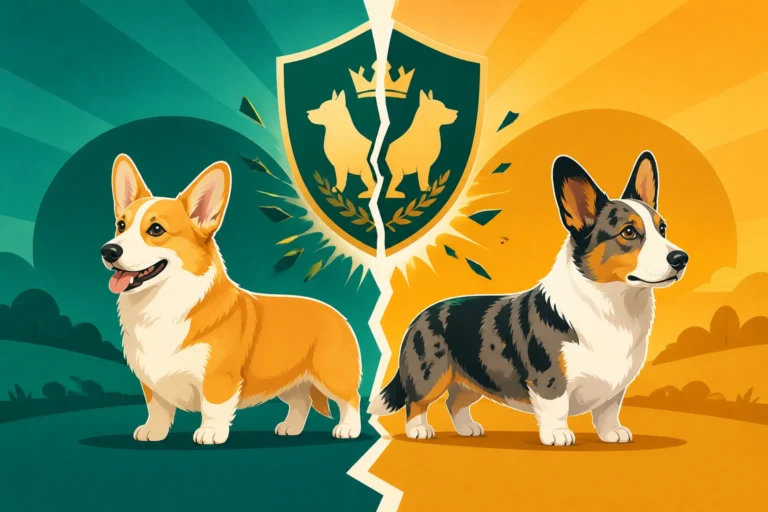
When we talk about "Corgis" in popular culture, more often than not, we're referring to the Pembroke Welsh Corgi. It's important to remember that there are actually two distinct breeds: the Pembroke Welsh Corgi and the Cardigan Welsh Corgi. While both are wonderful, intelligent, and sturdy dogs, their popularity within the AKC differs quite significantly.
The Pembroke typically enjoys a much higher ranking than the Cardigan. Cardigans, with their tails and slightly larger build, are still beloved by their dedicated fanciers but don't quite reach the same level of widespread recognition or demand as their Pembroke cousins. It’s a bit like comparing two different types of apples – both delicious, but one just happens to be more commonly found in grocery stores. The Pembroke’s iconic look, particularly the often-docked or naturally bobbed tail (or lack thereof), and its slightly more compact size, seem to have captured the public imagination in a way the Cardigan, despite its own considerable charms, has not. It really highlights how Pembroke and Cardigan Are Two Different Breeds, even if they share the Corgi name. For those seeking a Corgi, understanding this distinction is key, as it often influences availability and breeder wait times.
Why Pembrokes Capture So Many Hearts (and High Ranks)
So, what is it about the Pembroke Welsh Corgi that makes them such a consistent contender for the top spots in the AKC rankings? It's a blend of their distinctive appearance, engaging personalities, and surprising adaptability that wins over so many people. They're not just cute faces; they're genuinely fantastic companions.
Irresistible Charm and Character
Pembrokes are often described as big dogs in small packages, and it's a description that couldn't be more fitting. They possess a bold, intelligent, and often very confident personality, stemming from their history as cattle-herding dogs. They're quick-witted, eager to please (most of the time!), and incredibly affectionate with their families. Their expressive faces, complete with those alert, upright ears and intelligent eyes, make them seem perpetually engaged in conversation with you.
Their distinctive "loaf" shape, short legs, and often fluffy posterior are undeniably endearing. Many Pembrokes have a natural bobtail or are traditionally docked, giving them that signature waddle and round appearance that people adore. The Corgi Tail Question often comes up, and whether a dog has a tail or not, their rear-end wiggle is legendary. Beyond the looks, Corgis have a delightful sass about them. They're known for their "Corgi leans," demanding pets, and sometimes, a tendency to "talk back" with a variety of barks, grunts, and yaps. This strong personality, combined with their affectionate nature, creates a captivating companion that keeps owners entertained and utterly smitten. It's this unique blend of tenacity and charm that truly sets them apart and helps explain their high ranking.
Adaptability to Various Lifestyles
One of the often-underestimated factors contributing to the Pembroke's popularity is their surprising adaptability. Despite their history as working farm dogs, they can thrive in a wide range of living situations, from spacious homes with yards to smaller apartments, provided their exercise and mental stimulation needs are met. This flexibility makes them an attractive option for many different types of owners.
While they do need regular exercise to keep their sturdy bodies fit and their minds engaged, they don't necessarily require hours of intense running like some other herding breeds. Daily walks, playtime in a securely fenced yard, or even indoor games can suffice. This makes them a feasible option for city dwellers who might not have access to vast open spaces. However, it's crucial to remember that "adaptable" doesn't mean "couch potato." A bored Corgi can become a mischievous Corgi. They are intelligent and need mental challenges, whether it's learning new tricks, puzzle toys, or even scent work. This balance of manageable exercise needs and a robust, engaging personality allows them to fit seamlessly into many different households, further cementing their high standing in the AKC rankings. Many owners wonder Whether a Corgi Copes Without a Yard, and the answer is often yes, with the right commitment to walks and enrichment.
Navigating Popularity: What It Means for Corgi Owners
The Pembroke Welsh Corgi's elevated status in the AKC rankings brings both wonderful advantages and some significant responsibilities for prospective and current owners. Understanding these dynamics is crucial for ensuring the continued health and well-being of the breed.
The Good Side: Accessibility and Community
When a breed is highly popular, it generally means there's a wider network of support and resources available. You'll likely find more veterinarians familiar with Corgi-specific health concerns, more trainers experienced with their unique herding instincts, and a larger community of fellow Corgi enthusiasts. This strong community aspect can be incredibly rewarding, offering opportunities to share experiences, tips, and even engage in Corgi-specific events.
For new owners, this popularity also means easier access to essential supplies. Stores, both brick-and-mortar and online, tend to stock a broader range of products tailored for popular breeds. For instance, on sites like Chewy, you can often find a fantastic selection of Corgi-specific gear, food, and toys, from orthopedic beds designed for their long backs to puzzle feeders that challenge their clever minds. Furthermore, a high ranking often means more active breed clubs. These clubs are invaluable resources for education, responsible breeding practices, and organizing events. Discovering Corgi Clubs Worth Knowing About can connect you with experienced mentors and a supportive network.
The Downside: Overbreeding and Ethical Concerns
Unfortunately, immense popularity can be a double-edged sword for any breed. The high demand for Pembroke Welsh Corgis has, at times, led to an increase in irresponsible breeding practices. Puppy mills and backyard breeders, eager to cash in on the trend, may prioritize profit over the health, temperament, and genetic soundness of their puppies. This can result in dogs with serious health issues, poor temperaments, and a lack of proper socialization.
It's a heartbreaking reality that when a breed becomes a sensation, corners are sometimes cut. This means genetic health screening might be overlooked, leading to an increased prevalence of hereditary conditions such as Degenerative Myelopathy and the Corgi, Disc Disease in a Long-Backed Corgi, or even hip and elbow problems. These conditions can result in significant veterinary bills and heartache for owners down the line. It places a huge burden on prospective owners to be extra diligent in their search for a reputable breeder, to ensure they're supporting ethical practices rather than contributing to the problem.
The Search for a Responsible Breeder
Given the potential pitfalls of a highly popular breed, finding a responsible breeder is paramount. A good breeder will prioritize the health and temperament of their dogs above all else. They will be transparent about their breeding practices, perform all recommended health clearances on their breeding stock, and be knowledgeable about the breed's specific needs and potential genetic issues.
This often means there will be a wait for a puppy. Reputable breeders typically have limited litters and extensive waiting lists, which is a good sign that they're not breeding purely for demand. When you do find a breeder, don't be shy about asking questions. Inquire about The DNA Tests a Corgi Breeder Should Run for specific conditions common to the breed, ask to see the parents (or at least photos and health clearances), and expect to be asked plenty of questions yourself – a responsible breeder wants to ensure their puppies go to the best possible homes. Be prepared for the possibility of Waiting Two Years for a Corgi Puppy from a truly excellent program, but know that the wait is worth it for a healthy, well-adjusted companion. Investing in a well-bred puppy minimizes the risk of expensive health issues later on and ensures you bring home a dog with a solid foundation. You can find many quality Corgi care products and foods on Chewy, but selecting a healthy dog from the start is the best initial investment.
Here’s a quick comparison of the two Corgi breeds:
| Feature | Pembroke Welsh Corgi | Cardigan Welsh Corgi |
|---|---|---|
| AKC Popularity | Consistently high (often top 10) | Lower (but consistent following) |
| Tail | Often docked or naturally bobbed | Always has a long, bushy tail |
| Size | Slightly smaller and lighter | Slightly larger and heavier |
| Head Shape | More foxy, pointed ears | Rounder ears, broader head |
| Color Variety | Red, sable, fawn, black & tan | More variety, including blue merle |
| Temperament | Often outgoing, sassy, bold | Generally a bit calmer, watchful |
Ultimately, the Pembroke Welsh Corgi's high rank among AKC breeds is a clear indicator of their undeniable appeal. Their charm, intelligence, and adaptable nature make them wonderful companions for many households. However, this popularity also places a significant responsibility on owners to seek out ethical breeders and understand the commitment required to care for these special dogs throughout their lives.
Disclaimer
This article is for general informational purposes only and does not constitute professional advice. Laws, prices and regulations vary by location and change over time. Consult a qualified professional for guidance on your specific situation.