Corgi Colors and the Fluffy Coat
It's incredibly exciting to dive into the world of Corgis, and one of the first things that captures everyone's eye is their incredible variety of colors and, of course, the intriguing "fluffy" coat. Many new Corgi parents, or those just dreaming of welcoming one into their home, often find themselves a little confused about what's considered standard, what's unique, and what those terms actually mean for daily life. This comprehensive guide will help clear up all that delightful Corgi coat confusion, from the classic reds and sables to the stunning merles, and give you the real scoop on what that gorgeous fluffy coat truly entails for you and your future four-legged family member.
The Standard Corgi Colors: A Rainbow of Rust and Earth Tones
Corgis, particularly the Pembroke Welsh Corgi, boast a palette that evokes images of the Welsh countryside—rich, earthy tones that speak to their heritage as working dogs. Understanding these colors is key to appreciating the breed standard and recognizing the common beauty of these charismatic pups.
Pembroke Welsh Corgi Standard Colors
When you think of a classic Pembroke Welsh Corgi, chances are you're envisioning one of the four main standard colors: red, sable, fawn, or black and tan. Each has its own distinct charm and can vary quite a bit in appearance.
Red Corgis are perhaps the most iconic, ranging from a vibrant, fiery rust to a deep, rich mahogany. It's not just one shade; you'll see a spectrum within this category. Often, red Corgis will have a distinctive "mask," which is a darker pigmentation around their muzzle and eyes, giving them an expressive, almost worried look. Their coat, while appearing uniform, can shimmer with different red hues depending on the light, and some might even have subtle black tipping on their guard hairs that isn't quite enough to push them into the sable category. These dogs truly embody the cheerful, spirited nature often associated with the breed.
Sable Corgis are fascinating because their coats combine red with black tipping on the guard hairs. This creates a shaded effect, giving the dog a somewhat darker, often smokier appearance, particularly over their back and ears. The amount and distribution of black tipping can vary greatly from dog to dog. Some sables might look almost entirely red until you get close and see the delicate black overlay, while others might have such heavy black tipping that they appear much darker, almost like a faded black and tan. Many sable Corgis also sport a noticeable black mask, which contributes to their overall rich coloration. It's a color that often fools people into thinking it's something else until they learn about the specific genetics at play.
Fawn Corgis are on the lighter end of the spectrum, with a creamy, pale tan coat. They are lighter than reds and sables, sometimes appearing almost blonde. Fawn Corgis might also have a mask, though it's typically less pronounced than on a red or sable dog. This lighter coloring gives them a soft, gentle look that can be quite endearing. You might see very light areas, almost white, on their chest or legs that blend seamlessly into their main fawn color, contributing to their overall delicate appearance.
Finally, we have the striking black and tan Corgis. These dogs feature a predominantly black body with clear, distinct tan points on their muzzle, chest, legs, and under their tail. The tan markings are typically rich and warm, providing a beautiful contrast to the deep black. Some black and tan Corgis might also have white markings, which we'll discuss shortly, further enhancing their striking pattern. This color combination is incredibly handsome and highlights the Corgi's robust structure, giving them a very classic, almost stately look that harks back to their herding lineage.
Cardigan Welsh Corgi's Broader Palette
While Pembrokes have a lovely range, the Cardigan Welsh Corgi boasts an even wider, and perhaps more dramatic, array of coat colors, including patterns that are simply not found in the Pembroke breed. This difference is one of the key ways to tell the two breeds apart.
The blue merle is arguably the most distinctive and eye-catching color found exclusively in Cardigan Welsh Corgis. This isn't just a color; it's a pattern, creating a marbled effect of gray and black patches, often with lighter blueish-grey areas mixed in. Blue merle Cardigans frequently have striking blue eyes, or sometimes one blue eye and one brown eye (known as heterochromia), which adds to their unique allure. The merle gene creates this mosaic pattern by diluting random patches of black pigment, resulting in areas that are lighter. It’s a truly stunning coat, making these dogs stand out in a crowd. However, it's vital to understand the genetics of merle, especially for breeding, as breeding two merle dogs together can lead to serious health issues for puppies, including blindness and deafness. This is why you should always be wary of any breeder claiming to have a "blue merle Pembroke," as this color only exists naturally in Cardigans, indicating a crossbreed or misrepresentation.
Another beautiful pattern unique to Cardigans is brindle. Brindle coats feature stripes or streaks of color, typically darker stripes (often black or dark brown) over a lighter base coat (such as red, fawn, or gold). This creates a tiger-striped effect that can range from very subtle to highly pronounced. Just like sables, the intensity and distribution of the brindling can vary. Some might have faint, widely spaced stripes, while others can be heavily brindled, giving them a darker overall appearance. Brindle Cardigans are less common than blue merles but are equally captivating, offering a rustic beauty that speaks to their ancient heritage.
Beyond merle and brindle, Cardigans can also come in all the solid colors seen in Pembrokes, such as red, sable, and black and tan. This means you can find a red Cardigan or a black and tan Cardigan, which might visually resemble a Pembroke of the same color if you don't look at other distinguishing features like tail length (Cardigans always have full tails, Pembrokes often have naturally bobbed or docked tails) or ear shape. Their coat textures are similar to Pembrokes, a weather-resistant double coat, but the broader genetic pool for colors gives Cardigans that extra flair and visual diversity.
White Markings and "Irish Spotting"
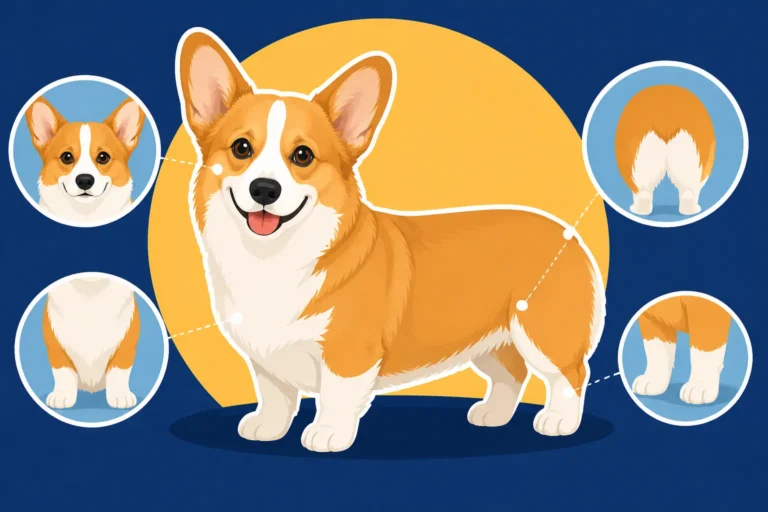
Both Pembroke and Cardigan Welsh Corgis commonly display white markings, and these are usually described as "Irish spotting." This pattern refers to white patches on the chest, legs, feet, neck, muzzle, and a blaze on the head.
The "Irish spotting" pattern is quite typical and often considered a hallmark of the Corgi's endearing appearance. You'll frequently see a white blaze running up between their eyes, extending to their forehead. This blaze can be narrow or wide, symmetrical or slightly off-center, adding to each dog's unique personality. Their chests are almost always adorned with white, often forming a broad bib or a stripe that can extend down to their belly. White socks or stockings on all four paws are also very common, giving them a tidy, finished look. Many Corgis will also have a white collar or partial collar around their neck, which can be striking against their main body color. And, of course, a little splash of white on the tip of their tail is a frequent sight. These white markings are not just beautiful; they often accentuate the Corgi's expressive face and sturdy build.
However, there are limits to how much white is considered standard. While moderate white markings are desirable, excessive white can be a fault, especially in the show ring. The term "whitelies" refers to Corgis with white extending significantly beyond the neck or chest, perhaps up over the shoulders, or encompassing large parts of the body that should be colored. This can sometimes indicate a different genetic pattern than standard Irish spotting, moving towards what's known as a piebald pattern. While a "whitlie" Corgi is just as healthy and wonderful as any other, breeders striving for the breed standard will aim for proportionate white markings. Generally, white should not dominate the coat or extend too far up the sides of the body. You can learn more about Where White Belongs on a Corgi if you're curious about the specific rules of the breed standard.
It's important to differentiate acceptable white from truly excessive white. The goal is to have white accents that frame and highlight the dog's primary color, rather than overshadowing it. A well-placed white blaze or a crisp white chest can truly enhance a Corgi's appearance, making their expressions even more captivating and their short legs even more adorable as they scamper around the house or yard.
Understanding the "Fluffy" Corgi Coat: A Genetic Twist
Ah, the "fluffy" Corgi! This is perhaps one of the most talked-about and often misunderstood aspects of Corgi coats. While incredibly charming, a fluffy coat isn't what you'd typically expect to see in the show ring, but it certainly doesn't make a Corgi any less of a wonderful companion.
What Exactly is a Fluffy Corgi?
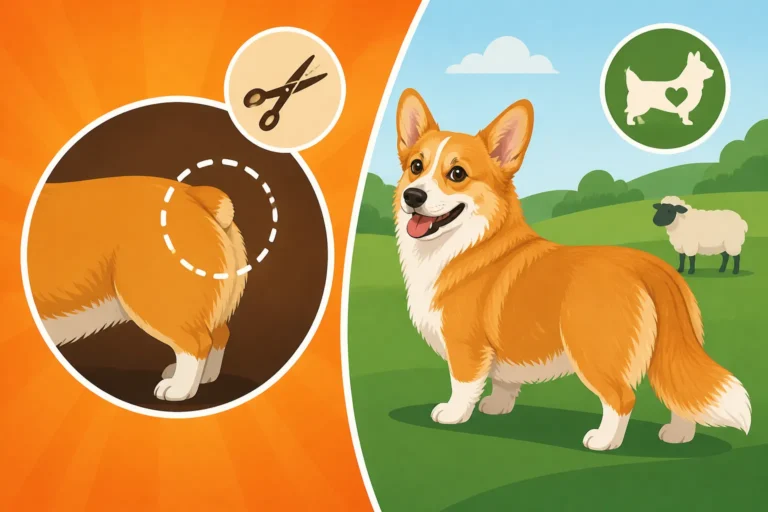
A "fluffy" Corgi possesses a coat that is noticeably longer and softer than the standard, weather-resistant double coat. Instead of the typical harsh outer guard hairs and dense undercoat, the fluffy coat features longer, silky guard hairs, often with a slight wave, that can be several inches long, especially around the ears, chest, legs, and hindquarters. Think of it as a flowing mane and luxurious skirt rather than the more tailored look of a standard Corgi.
The standard Corgi coat is designed for function: it’s a double coat with a short, dense, insulating undercoat and a coarser, water-repellent outer coat. This combination offers excellent protection from the elements, whether they were herding cattle in a damp Welsh field or just playing in a modern-day backyard. The fluffy coat, by contrast, lacks this functional harshness in its outer layer. Its longer, softer texture means it often doesn't shed water as effectively and can be prone to collecting burrs, leaves, and other debris from the environment. It feels incredibly soft to the touch, almost like a silky plush toy, which is undeniably appealing. This difference in texture and length is quite striking when you see a fluffy next to a standard-coated Corgi. While their personalities are identical, their outward appearance is distinctly different.
The Genetics Behind the Fluffy Coat
The fluffy coat in Corgis is caused by a recessive gene mutation in the FGF5 gene. This gene is responsible for controlling hair length in many breeds. For a Corgi to express the fluffy trait, it must inherit two copies of this recessive gene – one from each parent.
This means that a Corgi can carry one copy of the fluffy gene and still have a perfectly standard coat. Such a dog is known as a "carrier." If two carriers are bred together, statistically, 25% of their puppies will be fluffy, 50% will be carriers with standard coats, and 25% will have standard coats and not carry the gene at all. This is why you can have a litter where both parents look like typical Corgis, yet suddenly, a fluffy puppy appears! It's simply the laws of genetics playing out. If a fluffy Corgi (who has two copies of the gene) is bred to a standard-coated Corgi who is a carrier, half the litter will be fluffy. If a fluffy is bred to a non-carrier standard-coated Corgi, all puppies will be carriers but have standard coats. The science behind it is quite clear, and responsible breeders use DNA tests to understand the genetic makeup of their breeding dogs, which helps them avoid unexpected fluffies or plan for them. Understanding these genetics is crucial for breeders to make informed decisions and for prospective owners to understand why some puppies look different. You can delve deeper into The Fluffy Corgi and the Standard to appreciate the nuances.
Fluffy Corgis and the Breed Standard
While undeniably beautiful and popular with many pet owners, the fluffy coat is considered a fault in the conformation show ring for both Pembroke and Cardigan Welsh Corgis. This means a fluffy Corgi cannot compete in breed conformation events, as their coat does not meet the established breed standard.
The reason for this lies in the historical function of the Corgi. Their original purpose was to herd cattle, often in harsh and damp conditions. The standard double coat, with its weather-resistant outer layer, was essential for protecting them. A longer, softer, fluffier coat would have been impractical in the fields, prone to matting with mud and burrs, and less effective at repelling moisture. Therefore, the breed standard was written to reflect the coat type that best served their working heritage. It’s not a judgment on the dog’s quality or health, but rather an adherence to the specific physical characteristics deemed ideal for the breed's original purpose. For pet owners, this distinction is largely irrelevant. A fluffy Corgi is just as intelligent, playful, loving, and full of personality as its standard-coated siblings. They make equally wonderful family members. The "fault" status is purely for competitive showing purposes and has absolutely no bearing on their ability to be a cherished companion. If you're considering a fluffy Corgi, knowing that Whether a Fluffy Coat Disqualifies a Corgi in the show ring can help manage expectations if you ever had dreams of strutting them down the green carpet, but it should never deter you from choosing one as a pet.
Health Considerations and the Fluffy Coat
When you're captivated by the flowing locks of a fluffy Corgi, it's natural to wonder if this unique coat comes with any special health considerations. Generally, the fluffy gene itself doesn't cause inherent health problems, but the coat does demand some specific attention in terms of care.
Practical Grooming Differences for Fluffies
One of the most significant differences when owning a fluffy Corgi is the increased demand for grooming. Their longer, softer coat is more prone to tangles and matting, especially in high-friction areas or where the coat is longest.
Areas like behind the ears, in the "armpits" where the legs meet the body, and on the impressive "trousers" around their hindquarters are prime spots for mats to form. These mats can quickly become painful, pulling on the skin and even leading to skin infections if left untended. Regular, thorough brushing, ideally daily or every other day, becomes not just a recommendation but a necessity for fluffy Corgis. You’ll need a good quality slicker brush, a wide-toothed comb to work through tangles, and an undercoat rake to ensure you’re getting down to the skin and preventing mats from forming deep within the coat. It's not just about brushing the top layer; you need to systematically work through their entire coat. Many fluffy Corgi owners find professional grooming invaluable for maintaining their dog's coat, especially for tasks like trimming the "furnishings" on their legs and feet to keep them neat and prevent debris accumulation. Neglecting a fluffy coat can quickly lead to an uncomfortable and costly trip to the groomer for a full shave-down. For more detailed advice, you might want to read up on The Long Coat on a Fluffy Corgi to prepare for the grooming commitment.
Weather Sensitivity in Fluffy Corgis
While the fluffy coat offers a different aesthetic, some owners report that it might also impact a Corgi's ability to regulate its body temperature, though scientific consensus isn't definitive on the extent of this. The standard Corgi coat is a marvel of natural engineering, with its harsh outer guard hairs acting as a protective, somewhat water-resistant barrier, and a dense undercoat providing insulation.
In fluffy Corgis, the longer, softer guard hairs may not offer the same level of protection. Some owners have noted that their fluffy Corgis might seem more prone to overheating in hot, humid weather because the longer coat can trap heat. Conversely, in very wet or cold conditions, the fluffy coat may soak up moisture more easily, becoming heavy and potentially losing some of its insulating properties once wet. This isn't to say that fluffies can't enjoy the outdoors, but it does mean owners should be extra vigilant. During summer months, ensure your fluffy Corgi has plenty of shade, fresh water, and avoid strenuous exercise during the hottest parts of the day. In winter, if they get wet, make sure to dry them thoroughly to prevent chilling. Just like any Corgi, they have a double coat, so shaving them down in summer is generally not recommended as it can disrupt their natural insulation and potentially lead to sunburn or uneven coat regrowth. It’s all about understanding that their coat performs slightly differently and adjusting care accordingly.
Addressing Misconceptions About Fluffy Health
It's common for unique physical traits to spark questions about health, and the fluffy coat is no exception. However, it’s important to clarify that having a fluffy coat does not inherently make a Corgi less healthy than its standard-coated counterparts. The fluffy gene primarily affects hair length and texture, not vital organ function or structural integrity.
Any health issues a fluffy Corgi might face are generally those common to the Corgi breed as a whole. For instance, Corgis, due to their long backs and short legs, are predisposed to conditions like Intervertebral Disc Disease (IVDD). A fluffy Corgi is just as susceptible to this as a standard-coated Corgi. You can learn more about Disc Disease in a Long-Backed Corgi and how it affects the breed. Similarly, hip and elbow dysplasia, while less common in Corgis than some larger breeds, can still occur, and a fluffy coat does not make a Corgi more or less prone to these joint issues. Breeders should still perform health screenings, regardless of coat type, to minimize the risk of hereditary conditions. It's crucial for prospective owners to prioritize responsible breeding practices, including health testing and good temperament, over specific coat types or colors. A reputable breeder will health test all their dogs, fluffy or not, to ensure they are producing the healthiest puppies possible. Checking Corgi Hip Scores and What They Mean is a good step no matter the coat type.
Rare and Disqualifying Colors and Markings
Beyond the standard and the recognized variations like the fluffy coat, there are certain colors and markings that are considered undesirable or even disqualifying in the breed standard. Understanding these is important for identifying ethical breeding practices and recognizing potentially misleading claims about "rare" Corgi colors.
"Bluies" and Diluted Colors
When discussing Corgi colors, you might hear the term "bluies" or talk of "diluted" colors. These refer to genetic variations that result in a lighter, less intense pigmentation than what is considered standard and are often disqualifying faults in the breed ring.
A "bluie" Corgi isn't actually blue in color like a blue merle Cardigan. Instead, the term refers to a Corgi whose black pigment has been diluted, resulting in a slate-gray or blueish-gray nose, eye rims, and paw pads. This dilution can also affect the coat color itself, turning a black and tan Corgi into a gray and tan, or even subtly lightening a red or sable. Similarly, a "liver" dilute results in brown pigmentation where black should be, meaning a brown nose, brown paw pads, and a lighter, often reddish-brown coat. These dilute genes are recessive, meaning a dog must inherit two copies to express the trait. While these colors are simply genetic variations and do not inherently cause health problems, they are considered undesirable in the breed standard because they deviate from the expected rich pigmentation and coat colors. Ethical breeders avoid breeding dogs that carry these dilute genes to maintain the integrity of the breed's appearance. Seeing a Corgi advertised as a "rare blue" or "rare liver" might indicate a breeder who is prioritizing novelty over standard and health.
Excessive White Markings and "Whitelies"
As we discussed, white markings are a natural and often charming part of the Corgi's appearance, but there's a limit. When white markings become too extensive, they are considered a fault and are often referred to as "whitelies."
A "whitlie" Corgi has white markings that extend significantly beyond the typical "Irish spotting" pattern. This might mean white that goes up the sides of the body past the shoulders, wraps entirely around the chest and neck, or covers a large percentage of the dog's back or head. The concern isn't about the dog's health (these white markings are typically harmless), but rather its deviation from the established breed standard. The standard calls for specific amounts and placements of white to maintain the breed's distinct look. Excessive white can make the dog appear piebald, a pattern not recognized for Corgis. While a whitlie Corgi can make a perfectly loving and healthy pet, a breeder who consistently produces or intentionally breeds for excessive white may not be prioritizing adherence to the breed standard. Reputable breeders understand the genetics of white markings and aim for balance. If you're looking for a Corgi that fits the show standard, you'll want to pay close attention to the extent and placement of white markings. Checking the specifics in Where White Belongs on a Corgi can be really helpful when assessing a puppy.
Understanding a Blue Merle Pembroke
This is perhaps one of the most crucial points for prospective Corgi owners to understand: there is no such thing as a purebred Pembroke Welsh Corgi that is blue merle. Blue merle is a color and pattern that only occurs naturally in the Cardigan Welsh Corgi.
If you encounter a dog advertised as a "blue merle Pembroke Welsh Corgi," it is a significant red flag. This dog is either a mixed breed (likely a Pembroke crossed with a Cardigan or another merle-carrying breed) or is being misrepresented by an unethical breeder. The merle gene, while beautiful, carries specific health risks if two merle dogs are bred together. This "double merle" breeding can result in puppies with severe health defects, including blindness, deafness, and other neurological issues. Responsible Cardigan breeders are very careful to only breed a merle dog to a non-merle dog to avoid these devastating outcomes. Therefore, seeing a "blue merle Pembroke" suggests either ignorance or intentional deception on the part of the seller. It's a critical indicator that you are not dealing with a reputable breeder who understands and respects breed genetics and health. Always prioritize a breeder who is transparent about their dogs' lineage and genetic testing. This isn't just about preserving breed integrity; it's about safeguarding the health and well-being of the puppies. For more information on this specific issue, reading Why a Blue Merle Pembroke Is a Warning Sign is highly recommended.
The Impact of Color and Coat on Choosing a Corgi
When embarking on the exciting journey of finding a Corgi, it's easy to get swept up in the allure of a particular color or coat type. While these aesthetic preferences are perfectly natural, it's crucial to approach the decision with a broader perspective, prioritizing the well-being and long-term happiness of your future companion.
Prioritizing Health Over Aesthetics
It's tempting to fall in love with a striking blue merle Cardigan or the luxurious softness of a fluffy Corgi, but the most important factors in choosing a puppy should always be health, temperament, and responsible breeding practices. A beautiful coat or unusual color means very little if the dog is plagued by health issues or has an unstable temperament.
A reputable breeder will prioritize the health of their breeding stock above all else. This means conducting thorough genetic health testing for common Corgi ailments such as Degenerative Myelopathy (DM), Von Willebrand Disease (vWD), Progressive Retinal Atrophy (PRA), and hip and elbow evaluations. They should be transparent about these test results for both parent dogs. Similarly, a stable and friendly temperament is vital for a harmonious household. Observing the parent dogs and how the puppies interact with each other and people can give you a good indication of their potential personalities. An ethical breeder will also provide early socialization for their puppies, ensuring they are well-adjusted. Always ask about the health clearances, not just of the parents, but also the grandparents if possible. A dog with a "perfect" coat color but a history of health problems can lead to heartbreak and significant veterinary bills down the road. For guidance on crucial health checks, check out The DNA Tests a Corgi Breeder Should Run before you even look at puppy pictures!
The "Fluffy" as a Pet vs. Show Dog
The distinction between a "fault" in the show ring and a perfectly wonderful pet is particularly pertinent when considering a fluffy Corgi. While a fluffy cannot compete in conformation events, this has absolutely no bearing on their suitability as a companion.
A fluffy Corgi possesses the same intelligence, playful spirit, and loving nature as a standard-coated Corgi. Their temperament, trainability, and overall health are identical. The only true difference is the length and texture of their coat, which requires a bit more dedicated grooming. Many Corgi enthusiasts actively seek out fluffy Corgis for their unique appearance and wonderfully soft fur. In fact, many ethical breeders who happen to produce fluffies (because of the recessive gene carriers in their lines) are very transparent about them and place them in pet homes. They understand that a fluffy Corgi is not "lesser" in any way, just different from the breed standard for show purposes. If your primary goal is a cherished family member, and you're prepared for the extra grooming, a fluffy Corgi can be an absolutely fantastic choice. They'll bring just as much joy and Corgi sass into your life. Breeders often place these puppies at slightly different price points because they cannot be shown. Whether Breeders Place Fluffy Corgis as Pets is a common question, and the answer is a resounding yes!
Finding a Reputable Breeder Who Understands Genetics
Identifying a reputable breeder is paramount, especially when discussing coat colors and types. A good breeder will be knowledgeable about Corgi genetics, including the genes for coat length and color, and will be transparent about them.
They should be able to explain the lineage of their dogs, discuss the health tests performed, and clarify why certain puppies have certain coat types or colors. For example, if they have a fluffy Corgi in their litter, they should openly explain the recessive gene inheritance. They won't try to market a disqualified coat type as "rare" to command a higher price. Instead, they'll emphasize the health and temperament of the puppy and explain how the coat type might affect grooming. A responsible breeder will also invite you to meet the parent dogs, or at least the mother, and will ask you many questions to ensure you are a suitable home for one of their puppies. They'll often belong to local or national breed clubs, which are great resources for finding ethical breeders. Don't be afraid to ask tough questions about health, genetics, and how they handle unforeseen coat types. They might even recommend specific brands for puppy food or grooming supplies, perhaps even mentioning that they get their supplies from places like Chewy. Their goal is to match you with a healthy, well-adjusted Corgi, regardless of whether its coat is standard or fluffy.
Grooming for All Corgi Coat Types
Corgis are notorious for their shedding, and whether you have a standard or a fluffy coat, a consistent grooming routine is essential to keep them looking their best, prevent mats, and manage the inevitable Corgi glitter. Good grooming isn't just about aesthetics; it's about their comfort and skin health.
Essential Tools for the Corgi Coat
To effectively manage a Corgi's double coat, you’ll need a few key tools in your grooming arsenal. Investing in quality equipment will make the process much easier and more effective.
First and foremost, an undercoat rake is an absolute must-have. These tools are designed with specific teeth that penetrate the topcoat to gently pull out loose undercoat, which is the primary culprit behind the endless shedding. Use it regularly, especially during seasonal sheds, to remove dead hair before it ends up all over your house. Next, a slicker brush is excellent for general brushing, smoothing the topcoat, and working out minor tangles, particularly on the feathering of legs and hindquarters. For fluffies, a wide-toothed comb is also invaluable for meticulously working through longer sections of hair to detect and gently detangle any mats. You might also consider a deshedding tool, like a brand-name Furminator or a similar deshedding comb, but use these sparingly and correctly, as overuse can damage the topcoat. Regular nail clippers or a grinder are also essential for keeping their nails short, which is crucial for their paw health and gait. Finally, a good dog shampoo and conditioner designed for double coats will be needed for bath time. You can find all of these essential grooming tools, from undercoat rakes to specialty shampoos, on online retailers like Chewy, which often have a wide selection specific to breed needs.
A Regular Grooming Routine
Establishing a regular grooming routine for your Corgi, whether standard or fluffy, is key to managing their coat and keeping them comfortable. Consistency is far more important than sporadic, intense sessions.
For most Corgis, brushing every other day is a good baseline, increasing to daily during their heavy shedding seasons (typically spring and fall, but they do shed year-round!). Start with the undercoat rake, working section by section, ensuring you reach the skin without scratching. Follow up with a slicker brush to smooth the topcoat and remove any remaining loose hairs. For fluffies, pay extra attention to areas prone to matting, meticulously combing through with a wide-toothed comb. Baths should generally be infrequent – perhaps once every 1-3 months, or when they are visibly dirty. Over-bathing can strip their natural oils and dry out their skin and coat. When bathing, use a dog-specific shampoo and rinse thoroughly to avoid skin irritation. The most crucial part of bathing a Corgi is ensuring they are completely dry, especially the undercoat, to prevent skin issues like hot spots. A high-velocity pet dryer can be incredibly helpful for this, as towel drying alone rarely penetrates the dense undercoat. Keeping their ears clean (especially their upright ones) and nails trimmed every 2-4 weeks should also be part of this routine. If you're wondering How Often a Corgi Actually Needs Washing, remember that less is often more with their double coat.
Managing the Mighty Corgi Shed
Let's be realistic: Corgis shed. A lot. Anyone who owns a Corgi will tell you about the "Corgi tumbleweeds" that mysteriously appear under furniture and across floors. Managing this constant shedding is an ongoing effort, but there are strategies to help.
The first step, as mentioned, is consistent and thorough brushing. The more dead hair you can remove with your brush, the less will end up on your sofa or clothes. During peak shedding periods, daily brushing with an undercoat rake can significantly reduce the amount of hair floating around. A good diet with quality ingredients and omega fatty acids can also contribute to a healthy coat, potentially reducing excessive shedding caused by poor skin health. Consider feeding a food that focuses on coat health, which you can often find discussed in detail on pet supply sites like Chewy. Using a high-velocity pet dryer after baths can literally "blow out" a massive amount of loose undercoat, making subsequent brushing easier and reducing shedding in the following weeks. While it sounds counterintuitive, avoid shaving your Corgi in the summer, as their double coat actually helps them regulate temperature and protects them from sunburn; shaving can disrupt this natural system and lead to poor coat regrowth. Finally, accept that a certain amount of Corgi hair is just part of the experience. Investing in a good vacuum cleaner, lint rollers, and washable sofa covers will be your best friends. Understanding How Much Hair a Twenty-Eight Pound Corgi Drops will give you a realistic expectation of life with a shedding Corgi.
Color and Markings Beyond Aesthetics
While Corgi colors and coat types are often discussed for their visual appeal, some aspects of pigmentation and coat changes have implications that extend beyond mere aesthetics, affecting everything from health indicators to understanding the aging process.
The Significance of Pigmentation
The color of a Corgi's nose, eye rims, and paw pads—collectively known as pigmentation—is an important indicator of overall color genetics and can sometimes signal a departure from the breed standard. For most standard Corgi colors, these areas should be black.
A solid black nose, dark eye rims, and dark paw pads are considered ideal for most red, sable, fawn, and black and tan Pembrokes and Cardigans. This deep pigmentation complements their coat colors beautifully. Any deviation from this, such as a slate-gray or blueish-gray nose, eye rims, or paw pads, can indicate the presence of a dilute gene, leading to what breeders call a "bluie" Corgi. Similarly, a liver or brown nose and associated lighter pigmentation can also be a dilute fault. While a diluted pigment doesn't necessarily mean a health issue, it does indicate a non-standard genetic makeup and is a disqualifying fault in the show ring. However, there are exceptions: blue merle Cardigans will typically have black or mottled (pink and black) noses and paw pads, and their eye rims might be mottled as well, which is entirely normal for their merle pattern. In very light fawn or red Corgis, a slightly lighter brown or "butter" nose might occur, but typically a true black is preferred. Pay attention to these details, as they offer clues about a Corgi's underlying genetics.
Eye Color and Health
A Corgi's eye color is primarily influenced by its coat color and genetics. Most Pembrokes and non-merle Cardigans should have dark brown eyes, complementing their earnest expressions and working dog heritage.
However, eye color plays a different role in merle Cardigans. Blue merle Cardigans can, and often do, have blue eyes, or sometimes one blue eye and one brown eye (a condition called heterochromia). This is completely normal and an accepted trait within the blue merle pattern. In contrast, blue eyes in a Pembroke or a non-merle Cardigan would be considered a serious fault, suggesting either dilute genes or mixed breeding. Beyond aesthetics, eye health is paramount. While specific eye colors are linked to coat genetics, they generally don't indicate underlying health problems themselves. However, Corgis can be prone to certain eye conditions that are unrelated to their eye color, such as Progressive Retinal Atrophy (PRA). Responsible breeders will screen for such hereditary eye diseases to ensure healthy vision. If you have concerns about your Corgi's eyes, whether it's related to color or potential health issues, always consult with your veterinarian. You can also explore more about Corgi Eye Disease and PRA to understand hereditary conditions.
Understanding Coat Changes Over Time
Just like people, a Corgi's appearance can change as they mature, and their coat color is no exception. Many Corgi puppies, especially those with sable or red coats, can experience significant changes in color as they grow from fluffy youngsters into their adult coats.
Sable puppies, for instance, often have much heavier black tipping and a darker overall appearance when they are very young. As they shed their puppy coat and their adult coat comes in, the black tipping may lighten or recede, resulting in a considerably redder or lighter sable coat. Similarly, red puppies might darken or lighten slightly as they mature. Fawn coats can also shift, sometimes becoming a deeper cream or even developing more distinct red undertones. Environmental factors can also play a subtle role; for example, prolonged sun exposure can lighten a Corgi's coat over time, giving it sun-bleached highlights. Aging can also bring changes, with some Corgis developing grizzling or graying around the muzzle and eyes, much like humans getting gray hair. This is a natural part of the aging process and adds character to their wise old faces. It's truly fascinating to watch a Corgi's coat evolve, revealing its final, beautiful adult shade. To learn more about this natural progression, consider reading Corgi Coat Color Changing With Age.
Debunking Corgi Color Myths
The internet is a wonderful resource, but it can also be a hotbed for misinformation, especially when it comes to pet breeds and their "unique" traits. Corgi colors and coat types are no exception, with several myths and misleading claims circulating that potential owners should be aware of.
"Rare" Corgi Colors and Price Scams
One of the most pervasive myths involves breeders advertising "rare" Corgi colors at exorbitant prices. This is a major red flag and a common tactic used by unethical breeders to take advantage of unsuspecting buyers.
As we've discussed, colors like "blue merle Pembroke" or "liver Pembroke" are not standard and often indicate mixed breeding or a genetic fault. A truly rare color in a purebred Corgi often means it's a disqualifying fault according to the breed standard (like excessive white or a dilute color). Ethical breeders do not breed for these "rare" faults and certainly do not charge a premium for them. In fact, if a puppy exhibits a disqualifying fault, a responsible breeder might place it in a pet home with a limited registration and often at a lower price, or at least not at an inflated one, clearly explaining why it doesn't meet the show standard. Be very wary of breeders who use sensational language like "ultra-rare" or "designer" colors to justify charging thousands of dollars more. Always prioritize a breeder's reputation for health and temperament, their transparency regarding genetic testing, and their adherence to the breed standard, rather than falling for claims about "rare" or "exclusive" colors. These "rare" colors are often a sign of poor breeding practices rather than a desirable trait.
The Myth of "King" or "Queen" Fluffies
Another charming but entirely fabricated myth you might encounter online or from less scrupulous sellers revolves around titles like "King Fluffy" or "Queen Fluffy." These terms are not recognized within any legitimate Corgi breed club or standard.
Just like the "rare" color claims, these titles are purely marketing ploys designed to make a fluffy Corgi seem more exclusive or valuable. While fluffy Corgis are indeed adorable and unique in appearance, they are simply Corgis with a specific recessive coat gene. There's no special hierarchy or royal lineage associated with their longer coats. A fluffy Corgi is a fluffy Corgi, and their worth as a companion is measured in love, loyalty, and personality, not made-up titles. Responsible breeders will present a fluffy Corgi simply as what it is – a Corgi with a non-standard coat, perfect for a loving pet home. They will never invent fancy designations to boost prices or mislead buyers. When you're looking for information or shopping for supplies, trusted sources like Chewy won't have categories for "King Fluffies," because they don't exist in the real Corgi world!
Black Masks and Their Variations
The black mask is a common and perfectly acceptable marking found on many Corgis, particularly those with red, fawn, or sable coats. It’s a natural part of their genetic expression and contributes to their expressive faces.
A black mask appears as darker pigmentation around the muzzle, sometimes extending up towards the eyes or forehead. The intensity of the mask can vary greatly, from a subtle dusting of black hairs to a very distinct, almost velvety black covering. It’s not a fault, but rather a characteristic that enhances the Corgi’s features and is often highly desired by owners. Some Corgis are born with very prominent masks, while others might have masks that fade slightly as they mature. The mask gene is distinct from the genes that determine the base coat color and is common in many breeds. So, if you see a beautiful red Corgi with a bold black mask, rest assured this is a perfectly standard and cherished trait, not a "rare" anomaly. It simply adds another layer of charm to their already captivating appearance.
| Feature | Standard Corgi Coat | Fluffy Corgi Coat |
|---|---|---|
| Appearance | Short, dense, harsh outer coat; thick undercoat | Longer, softer, silkier outer coat; less harsh |
| Texture | Coarse, weather-resistant topcoat | Soft, flowing, often wavy |
| Length | Generally 1-2 inches over body, slightly longer feathering | Significantly longer, especially on ears, chest, legs, rear |
| Weather Protection | Excellent; water-repellent, insulating | Less effective at repelling water/debris; may trap heat |
| Grooming Needs | Regular brushing (daily during shedding); moderate | Daily brushing, combing; high risk of matting; high |
| Show Ring Status | Accepted | Disqualifying Fault |
| Health Concerns | Generally none specific to coat type | None specific to coat type, but higher matting risk |
Disclaimer
This article is for general informational purposes only and does not constitute professional advice. Laws, prices and regulations vary by location and change over time. Consult a qualified professional for guidance on your specific situation.