Why Pembroke Tails Were Docked Historically
For years, many Corgi owners have wondered why their beloved Pembrokes often sport a tiny nub instead of a full, wagging tail. It’s a practice deeply rooted in the breed’s history as a working dog, and it's a topic that brings up a lot of questions and sometimes even a touch of sadness for those who adore the expressive swish of a natural tail. This guide is here to unravel the historical reasons behind Pembroke Welsh Corgi tail docking, exploring the practicalities of their working past, the evolution of breed standards, and how modern attitudes are changing this long-standing tradition.
The Original Purpose: A Working Dog's Necessity
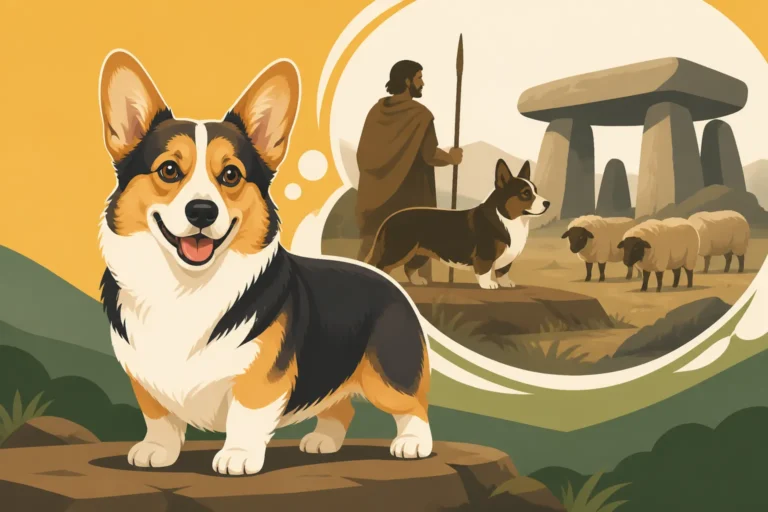
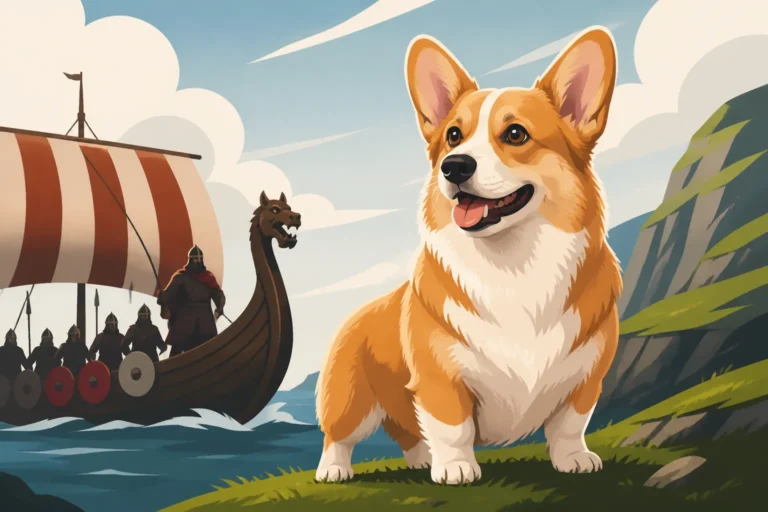
Imagine a bustling Welsh farm centuries ago, with cattle, sheep, and other livestock needing constant management. That's the world the Pembroke Welsh Corgi was born into. These small, agile dogs were indispensable to drovers and farmers, using their low stature and quick movements to nip at the heels of stubborn cattle, driving them where they needed to go. It was a tough job, full of potential hazards, and the length of a dog's tail could literally be a matter of life or death for a working animal.
Avoiding Injury in the Field
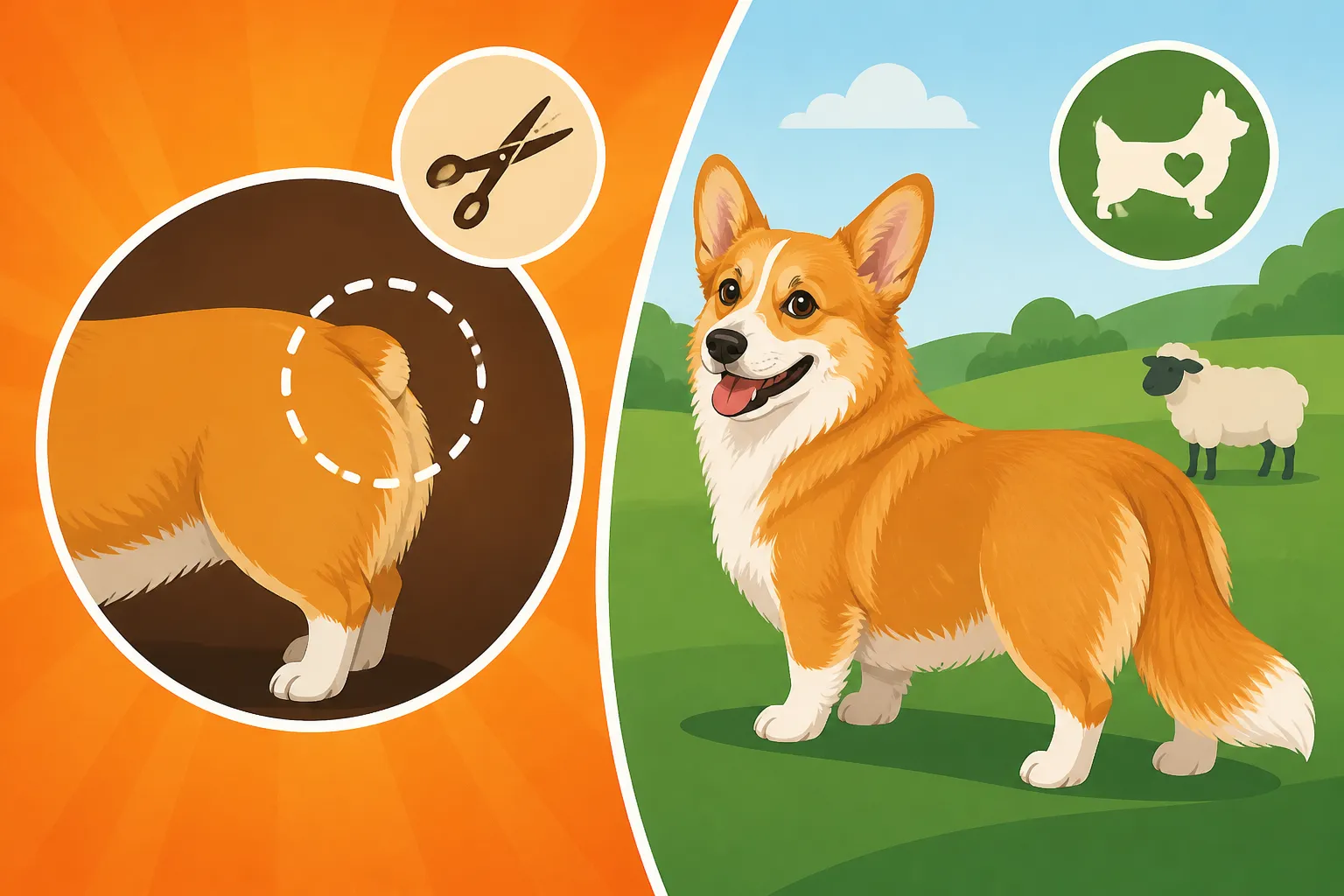
When a Corgi was actively herding, it was constantly darting around the legs of much larger, often less patient, animals. A long, flowing tail, while beautiful, was an easy target. Picture a cow, irritated by a persistent Corgi nipping at its hocks, swinging a powerful kick. A docked tail meant one less thing for an angry hoof to connect with, potentially saving the dog from a broken tail, a spinal injury, or even a fatal blow. The tail, in this context, wasn't just a cosmetic feature; it was a vulnerability. Without a long tail, there was less for the cattle to step on, less for gates or farm machinery to catch, and less to become entangled in thick undergrowth as the Corgi navigated fields and thorny hedges. It was a purely practical decision, born out of the harsh realities of farm life.
The Legal and Tax Implications of a Working Dog
Beyond physical safety, there was a historical context of taxation and legal status that influenced tail docking. In some historical periods and regions, working dogs were exempt from certain taxes or regulations that applied to non-working or "luxury" dogs. A common way to visibly distinguish a working dog was by docking its tail. This wasn't unique to Corgis; many working breeds, especially those used for herding or hunting, had their tails docked for this very reason. It was a visible badge of their occupational status.
This practice served as a clear, undeniable signal to authorities that this dog was not merely a pet, but an essential part of the farm's livelihood. If a farmer had to pay a tax on every dog, and the Corgi was integral to their income, proving its working status through a docked tail made good economic sense. While these specific laws have largely faded into history, the tradition they fostered endured for generations, shaping the appearance of the Pembroke Welsh Corgi for centuries to come. The idea of a working dog having a docked tail became so ingrained that it transcended its original purpose, becoming part of the breed's visual identity.
The Evolution of the Practice and Breed Standards
As Corgis transitioned from purely working dogs to beloved family companions, the reasons for docking shifted. What began as a practical necessity slowly became intertwined with the aesthetic ideals of the breed, codified in official standards.
How Breed Standards Codified Tail Docking
When dog breeds began to be formally recognized and shown, breed standards were created to describe the ideal appearance and temperament of each breed. For the Pembroke Welsh Corgi, the docked tail, by then a long-established tradition, was often written directly into the standard. This meant that for a Corgi to be considered "correct" in the show ring, its tail had to be docked short.
This wasn't just about winning ribbons; it was about maintaining what was perceived as the traditional look of the breed. Breeders, aiming to produce dogs that conformed to the standard, continued the practice. It became a self-perpetuating cycle: the standard called for it, so breeders did it, and judges rewarded it. This also contributed to the public's perception of what a Pembroke Corgi "should" look like. Many people, even those without an interest in showing, simply expected a Pembroke to have a docked tail because that's what they had always seen. The long-backed Corgi, with its distinctive short legs, became inextricably linked in many minds with that signature bob-tail look.
The Shifting Views on Cosmetic Procedures
However, attitudes have significantly evolved over time. As societies became more focused on animal welfare and less reliant on working farm dogs, the necessity of tail docking came under scrutiny. Many countries and veterinary associations began to view cosmetic tail docking as an unnecessary and painful procedure. What was once considered a routine part of a puppy's early life is now seen by many as a form of mutilation, especially when there's no medical benefit.
This shift has led to bans on cosmetic tail docking in many parts of the world, including most of Europe, Australia, and parts of Canada. In places where it is still legal, it's often heavily regulated, usually requiring a licensed veterinarian to perform the procedure and sometimes demanding proof of a working dog exemption. This global movement reflects a broader understanding of animal sentience and a desire to minimize elective procedures that cause pain without clear benefit. This changing landscape has directly impacted breeders and owners, leading to a resurgence of naturally tailed Pembrokes and a re-evaluation of what defines the "classic" Corgi look.
Understanding the Natural Bobtail and Modern Perspectives
The discussion around Pembroke tails isn't just about docking; it's also about a fascinating genetic trait: the Natural Bobtail. Many Corgis are born without a full tail, a genetic quirk that further complicates the historical narrative and modern practice.
The Genetic Distinction: NBT Corgis
Not all Corgis with short tails are docked; some are born with a naturally short or absent tail, a trait known as a "Natural Bobtail" (NBT). This is due to a specific gene mutation. These Corgis are genetically predisposed to have a short tail, ranging from a very short stump to a slightly longer, but still noticeably short, tail. This means that a Corgi born with an NBT doesn't need to be docked; nature has already done the job.
It's crucial for prospective owners to understand this distinction. A reputable breeder who is transparent about their genetic testing will be able to tell you if a puppy carries the NBT gene. This genetic trait has become more significant in regions where docking is banned, as NBT Corgis offer a way for breeders to still produce dogs that conform to the "short tail" aesthetic without surgical intervention. Understanding The Natural Bobtail Gene in Corgis is vital for those navigating the breed today, especially as debates about ethics and aesthetics continue to evolve.
The Global Shift Away from Docking
The movement away from cosmetic tail docking is a powerful one, gaining momentum worldwide. What was once routine is now often illegal or severely restricted. This means that if you're looking for a Pembroke Welsh Corgi today, especially from a breeder in a country with docking bans, you are far more likely to find one with a full, natural tail. This is a significant change from even a couple of decades ago, and it's something that current Corgi owners and enthusiasts are adapting to.
This shift means that what might have once been considered a "fault" in the show ring – a long tail – is now the norm in many places. The breed standards themselves are being re-evaluated to reflect this, with many kennel clubs now accepting or even preferring undocked tails. This global trend highlights a growing commitment to animal welfare and a recognition that traditional practices, while rooted in history, may not always align with modern ethical considerations. It also encourages a deeper appreciation for the full spectrum of Corgi appearance, celebrating the natural beauty of these wonderful dogs, tail and all.
Table: Historical vs. Modern Tail Practice in Pembrokes
| Aspect | Historical Practice (Working Dog Era) | Modern Practice (Current Era) |
|---|---|---|
| Primary Reason | Injury prevention from livestock, legal/tax status | Conformance to breed standard (cosmetic), NBT genetics |
| Legality | Generally accepted and unregulated | Banned or heavily restricted in many countries; legal in others |
| Method | Often performed by farmers, later by vets | Veterinarian only, if legal; rarely performed electively |
| Acceptance of Undocked Tail | Rare, considered a non-working trait | Increasingly accepted, preferred in regions with bans; NBT a factor |
| Public Perception | Normal, expected for the breed | Divisive; often seen as unnecessary; natural tails gaining popularity |
Living with an Undocked Pembroke: Embracing the Natural Tail
With the global shift away from docking, more Corgis are sporting their full, glorious tails. This brings a different set of considerations, both practical and aesthetic, for owners who might be used to the traditional bob.
Practicalities of an Undocked Tail
An undocked Pembroke Corgi's tail can be quite expressive, flagging high over its back when excited, or tucked neatly when thoughtful. However, a full tail does require a little more consideration in daily life. For instance, some owners find that a Corgi's tail can sometimes get into things – brushing against muddy ground, dipping into puddles, or even getting tangled if not properly groomed.
Grooming around a full tail is important, especially for those Pembrokes with thicker fur, to prevent matting. Regular brushing helps keep the feathering clean and tangle-free. While not as critical as avoiding the kicks of a cow, a long tail can still be inadvertently caught in doors or furniture, so a bit of spatial awareness is helpful for both dog and owner. For owners who have only ever known the docked Corgi, seeing a full tail can be a delightful revelation, adding another layer to their dog's communication. It's truly beautiful to watch a Corgi's tail communicate its mood and excitement, often wagging with such vigor that their whole body wiggles along.
Celebrating the Full Corgi Tail
Today, the natural tail is celebrated by many as a return to the Corgi's complete, natural form. It's a chance to see these dogs as they were truly born, before human intervention shaped their appearance for specific tasks or aesthetic preferences. A full tail adds an undeniable elegance and expressiveness to the Corgi's silhouette, completing the picture of this charming, sturdy breed. The Corgi Tail Question is a lively debate in the Corgi community, with many passionate advocates for undocked tails.
For many, embracing the undocked tail is about embracing the whole Corgi, appreciating their history while also moving forward with modern animal welfare sensibilities. Whether you have a naturally bobtailed Corgi, a docked Corgi from a region where it's still practiced, or a full-tailed Corgi, the core qualities of this amazing breed remain: their intelligence, their spirited personality, and their unwavering loyalty. Ultimately, the presence or absence of a tail doesn't diminish the joy and companionship these wonderful dogs bring into our lives. You might find a natural-tailed Corgi needs a specific type of car restraint to keep that tail safe during travel, or that the extra fur around the tail might require a specific brush. Thankfully, retailers like Chewy offer a wide range of grooming tools and car safety accessories designed for dogs of all shapes and tail lengths, ensuring every Corgi, docked or undocked, is comfortable and well-cared for.
Disclaimer
This article is for general informational purposes only and does not constitute professional advice. Laws, prices and regulations vary by location and change over time. Consult a qualified professional for guidance on your specific situation.