Whether Pembroke Puppies Are Born With Tails
It's incredibly common for people to see a Pembroke Welsh Corgi and instantly notice that little stub of a tail, or sometimes no tail at all, and wonder: "Were they born that way?" It's a question that sparks curiosity and often a bit of confusion, especially since you might occasionally spot a Pembroke with a full, foxy tail. This guide is here to clear up the mystery, explaining the history, genetics, and current practices surrounding Pembroke Corgi tails.
The Historical Practice of Corgi Tail Docking
For generations, the image of a Pembroke Welsh Corgi has been synonymous with that jaunty, wiggling little stump where a tail would typically be. This look wasn't accidental; it was largely the result of a long-standing practice known as tail docking. It’s a tradition that goes back to their working roots, deeply ingrained in the breed's identity for many years.
Why Pembrokes Historically Had Their Tails Docked
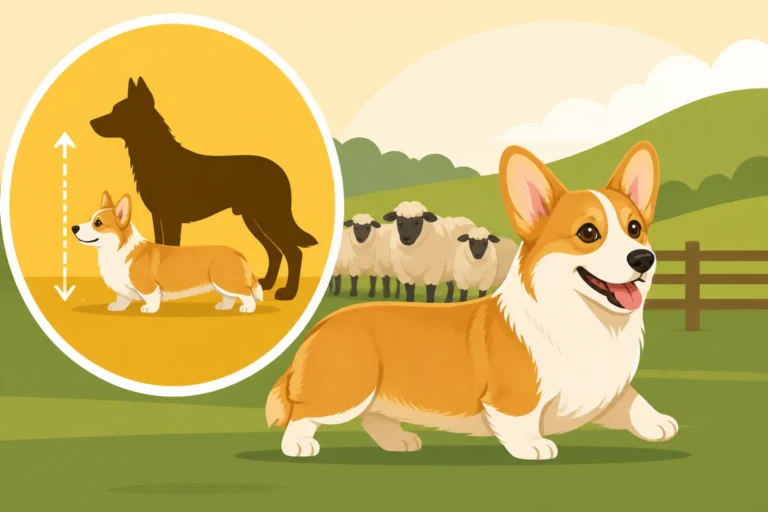
To truly understand why Pembrokes traditionally had their tails docked, we have to look back at their original purpose: herding cattle in the fields of Wales. These plucky little dogs were bred to nip at the heels of much larger animals, driving them without getting kicked. Their low-slung bodies and quick movements were perfectly suited for dodging hooves. Imagine a long, flowing tail in that environment! It would have been a massive liability. A tail could easily get stepped on, crushed, or caught, leading to painful injuries that would render a working dog useless. Docking was seen as a preventative measure, a practical step to protect these valuable working partners from harm.
Beyond the immediate safety concerns, in many places, working dogs were exempt from certain taxes or licensing fees, and a docked tail served as a visible sign of a working dog status. This practical application eventually bled into the aesthetic, solidifying the short tail as a characteristic feature of the Pembroke. It wasn't just about preventing injury; it became part of what defined a Corgi in the eyes of their owners and, later, the burgeoning dog fancy.
The Cultural and Aesthetic Shift Towards Docking
Over time, as Pembrokes transitioned from strictly working dogs to beloved family companions and show dogs, the docked tail continued to be the norm. It had become an expected part of the "look" of a Pembroke Welsh Corgi. Breed standards, which are essentially blueprints for what an ideal dog of a particular breed should look like, were written with the docked tail in mind. For anyone looking to show their Corgi in the conformation ring, having a properly docked tail was often a requirement, or at least highly favored.
This created a kind of chicken-and-egg scenario: docking was done for practical reasons, then it became part of the breed standard, which in turn reinforced the practice. Prospective owners, seeing images of Corgis with docked tails everywhere from television to breed books, naturally assumed that was simply how a Pembroke Corgi was meant to be. This widespread expectation often led to confusion when someone encountered a Corgi with a full tail, prompting questions about its authenticity or lineage. The practice became so deeply ingrained that many simply didn't realize Pembrokes could be born with full tails, and that Why Pembroke Tails Were Docked Historically wasn't the only reason for their short tails.
Understanding the Natural Bobtail Gene in Pembrokes
While the vast majority of Pembrokes with short tails historically achieved that look through docking, there's another fascinating piece to this puzzle: genetics. Some Pembroke Welsh Corgis are actually born with short tails, a trait inherited from their parents. This natural phenomenon adds another layer to the "tail question" and is something every prospective Corgi owner or enthusiast should understand.
The Genetic Reality: NBT vs. Docked Tails
It might surprise some, but not all Pembrokes with short tails have had them docked. A certain percentage of Pembroke Welsh Corgis carry a gene for what's known as a "Natural Bobtail," or NBT. This isn't a result of an injury or a procedure; it's simply how they're born. The NBT gene is a dominant gene, meaning that a puppy only needs to inherit one copy of it from either parent to express the trait and be born with a shorter tail. The length can vary, from a barely-there nub to a tail that's about half the length of a full tail.
This genetic factor is distinct from surgical docking. A docked tail is an intervention performed shortly after birth, typically between 3 and 5 days old, involving the removal of part of the tail. A naturally bobtailed Corgi, on the other hand, is born with a vertebral deformity that results in a short tail from day one. Reputable breeders are increasingly utilizing DNA testing to determine if their breeding dogs carry the NBT gene. This allows them to make informed decisions and, in some cases, produce naturally bobtailed puppies without any surgical intervention. Knowing about The DNA Tests a Corgi Breeder Should Run helps ensure the health and ethical practices within the breed. For more insight into this, you might want to look into The Natural Bobtail Gene in Corgis.
Identifying a Naturally Bobtailed Corgi
So, how can you tell the difference between a naturally bobtailed Corgi and one whose tail has been docked? It can be tricky, even for experienced eyes, especially if the docking was done skillfully. Generally, a naturally bobtailed Corgi's tail might have a slightly different shape or texture at the tip, sometimes appearing a bit more blunt or irregular compared to the clean cut of a docked tail. The bone structure underneath might also feel different upon palpation, though this is definitely something for a vet or experienced breeder to assess.
For a new puppy owner, simply asking the breeder is the most straightforward way. A responsible breeder will be transparent about whether a puppy is NBT or if its tail has been docked. They should also be able to provide documentation, such as genetic test results for the NBT gene in the parents. It's becoming increasingly important for breeders to be aware of and test for the NBT gene, especially with changing attitudes and laws regarding docking. Understanding these distinctions helps ensure ethical breeding practices and gives owners a clearer picture of their dog's origins. It’s about education and making sure we respect the natural variations within the breed.
The Current Landscape of Tail Docking Regulations
The world of dog breeding and ownership is always evolving, and nowhere is this more apparent than in the debate and regulations surrounding tail docking. What was once a common and accepted practice for many breeds, including the Pembroke Welsh Corgi, has faced increasing scrutiny and, in many places, outright bans. This shift reflects a broader concern for animal welfare and a re-evaluation of long-held traditions.
Laws and Ethics Around Tail Docking Today
In many parts of the world, including the United Kingdom (the Corgi's country of origin), most of Europe, Australia, and parts of Canada, cosmetic tail docking is now illegal. These laws were enacted based on the premise that docking is a painful procedure performed on young puppies for aesthetic reasons, with no true health benefit in most cases. The argument is that it constitutes unnecessary mutilation. In some regions, exceptions might exist for working dogs where a veterinarian deems it medically necessary to prevent future injury, but these exceptions are often very narrow and strictly regulated.
The impact of these regulations on breeders and show dog enthusiasts has been significant. Corgi breeders in countries with bans can no longer dock tails, meaning that if a puppy isn't born with a natural bobtail, it will retain its full, beautiful tail. This has led to a growing acceptance, and even preference, for undocked Pembrokes. It also means that showing a docked Corgi in some countries might be prohibited or result in disqualification, even if the dog was docked legally in a different region. The ethical considerations are at the forefront, pushing owners and breeders to reconsider what is truly best for the dog, rather than adhering to outdated aesthetic norms. If you're wondering about the legalities where you are, it’s worth researching Whether Corgi Tail Docking Is Still Legal Here.
The Undocked Pembroke: A Growing Acceptance
With the changing legal landscape, the sight of a Pembroke Welsh Corgi sporting a full, natural tail is becoming increasingly common. For generations, we were accustomed to the stub, but now, the full tail is making a well-deserved comeback. These tails are often quite foxy in appearance, sometimes carried over the back in a jaunty curve, or held lower. It’s a lovely sight, showcasing the Corgi’s complete physical form as nature intended.
Many breed clubs and kennel organizations have also begun to adapt their standards to reflect these changes. While the traditional docked look might still be part of the "ideal" for some, there is a clear trend towards accepting, and even embracing, the undocked Pembroke. This acceptance extends not just to pet owners but also to the show ring, where a naturally-tailed Corgi can now compete without penalty in many jurisdictions. It’s a wonderful example of how breed standards can evolve with changing ethical perspectives and scientific understanding. Embracing the full tail means seeing the Corgi in a new light, celebrating its natural beauty, and ensuring that welfare takes precedence. For those interested in showing, understanding Whether an Undocked Pembroke Can Be Shown is key.
Implications for Corgi Owners and Buyers
Understanding the nuances of Pembroke Corgi tails, whether docked, naturally bobtailed, or full, has real implications for prospective owners. It's not just a matter of aesthetics; it touches upon responsible breeding practices, legal considerations, and how you'll care for your furry companion throughout their life. Being informed empowers you to make the best choices for your Corgi.
What to Ask a Breeder About Tails
When you're looking for a Pembroke Welsh Corgi puppy, a crucial part of your conversation with any reputable breeder should revolve around tails. Don't be shy about asking direct questions. You'll want to know if the puppies in the litter are naturally bobtailed (NBT), or if their tails have been docked. If they are docked, ask why the breeder chose to dock them, especially if you live in an area where such practices are restricted or banned. A transparent breeder should be able to explain their practices clearly and without hesitation.
Furthermore, inquire about any genetic testing the parents have undergone, particularly for the NBT gene. This indicates a breeder who is knowledgeable about current genetic science and committed to producing healthy, well-informed litters. A good breeder should be able to show you documentation of these tests, much like they would for other important health screenings. They should also be able to explain How Breeders Cut the Corgi DM Rate and other health concerns. This level of transparency is a hallmark of responsible breeding and ensures you're getting a puppy from someone who prioritizes health and ethical practices. Remember, open communication with your breeder is vital to finding the right Corgi companion for your home.
Health and Management of Corgi Tails
Regardless of whether your Corgi has a docked tail, a natural bobtail, or a full tail, their health and well-being should always be the top priority. For Corgis with full tails, general tail care is usually quite straightforward. Unlike some breeds with extremely long or feathered tails that can drag on the ground, a Corgi's foxy tail is typically carried higher, reducing the risk of it getting excessively dirty or injured. However, it's still good practice to give it a quick check during grooming sessions, especially after outdoor adventures. You're looking for any mats, burrs, or signs of irritation. Just like the rest of their double coat, a full tail will shed, and regular brushing, perhaps with a soft slicker brush or a deshedding tool you might find at Chewy, can help keep it neat. For ideas on grooming, consider Grooming a Corgi That Sits Six Inches Off the Ground and How Much Hair a Twenty-Eight Pound Corgi Drops.
In terms of injuries, while a full tail could theoretically get caught or wagged against something too hard, Corgis are generally robust, and serious tail injuries are not a common concern. The main thing is to be mindful of its presence, especially if your Corgi is particularly enthusiastic with their wag! The good news is that a natural, full tail is perfectly healthy and requires no special or excessive care beyond routine grooming. Choosing a Corgi with a full tail simply means embracing their natural form, adding to their charm and expressiveness.
| Tail Type | Description | Common Origin | Historical Perception | Modern Acceptance |
|---|---|---|---|---|
| Docked Tail | Surgically shortened, often to a small stub, typically within days of birth. | Human intervention | Standard, working dog trait | Varies greatly by region; often banned or discouraged |
| Natural Bobtail (NBT) | Born with a naturally short tail due to a specific gene. Length can vary. | Genetic trait | Less common, sometimes mistaken for docking | Increasingly accepted and valued |
| Full Tail | Complete, natural tail. Often foxy in shape, may be carried over the back. | Born with full tail; no intervention | Non-standard in some historical contexts | Growing rapidly in acceptance; standard in regions with docking bans |
Ultimately, whether a Pembroke Corgi puppy is born with a tail (or one that stays) depends on a blend of historical practice, genetic luck, and evolving ethical and legal considerations. As Corgi lovers, it's our job to understand these factors and advocate for what's best for our beloved companions.
Disclaimer
This article is for general informational purposes only and does not constitute professional advice. Laws, prices and regulations vary by location and change over time. Consult a qualified professional for guidance on your specific situation.