Whether Breeders Place Fluffy Corgis as Pets
It’s a common scenario: you’re scrolling through adorable Corgi pictures online, perhaps on a reputable breeder’s social media, and you spot a puppy with a coat that looks just a little too luxurious, a bit longer and silkier than the typical Corgi you see. This is often what we call a "fluffy Corgi," and if you've fallen in love with that extra floof, you might wonder if these unique dogs are hard to come by or if breeders even place them in homes. The good news is that reputable Corgi breeders absolutely place fluffy Corgis as cherished pets, and this guide is here to walk you through what a fluffy Corgi is, why they might be considered "pet quality" rather than "show quality," and how you can responsibly welcome one into your family.
Understanding the "Fluffy" Corgi Phenomenon
When we talk about a "fluffy" Corgi, we're not talking about a Corgi that's just a little bit shaggier due to shedding season. We're talking about a distinct coat type that stands apart from the breed standard. It’s a fascinating genetic quirk that gives these dogs their signature long, soft, and often feathered appearance.
What Exactly Makes a Corgi "Fluffy"?
The characteristic "fluffy" coat in a Corgi isn't just random; it's all thanks to a specific recessive gene, often referred to as the "fluffy gene" or "fibroblast growth factor 5" (FGF5) gene. Both Pembroke Welsh Corgis and Cardigan Welsh Corgis can carry this gene. For a Corgi puppy to be fluffy, it needs to inherit a copy of this recessive gene from both parents. If a Corgi inherits only one copy, it will have a normal coat but will be a "carrier" of the fluffy gene, meaning it can pass it on to its offspring. If it doesn't inherit any copies, its coat will be standard, and it won't carry the gene.
So, when you see a whole litter of Corgi puppies, some might have that classic, smooth, dense double coat, while others, having hit the genetic jackpot from both parents, will sport that unmistakably longer, softer, and more feathered look. It’s a delightful surprise for many owners, but something breeders are well aware of and can test for. This genetic lottery explains Why the Fluffy Corgi Gene Persists even when breeders strive for the standard coat type.
The Breed Standard vs. the Fluffy Coat
Here’s where it gets a little nuanced. While a fluffy Corgi is undeniably adorable and healthy, its coat actually goes against the breed standard set by kennel clubs. The official standard for both Pembroke and Cardigan Welsh Corgis describes a medium-length, dense double coat, with a harsh outer coat and soft, weather-resistant undercoat. Feathering is allowed, but it should be moderate, appearing on the legs, chest, and breeches.
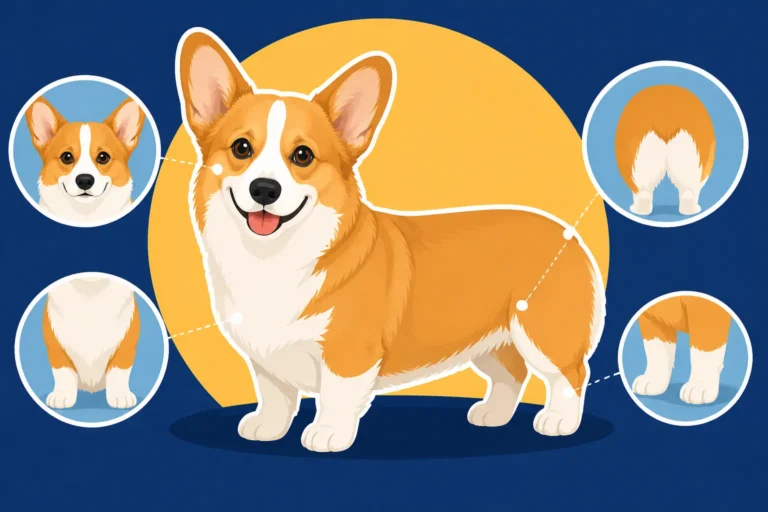
A fluffy Corgi, on the other hand, exhibits a significantly longer, softer, and often wavy coat with extensive feathering, particularly around the ears, chest, legs, and hindquarters. This luxurious coat, while beautiful, is considered a "fault" in the show ring. It disqualifies a Corgi from conformation competitions because it doesn't meet the specific requirements of the breed standard. This is the core reason Whether a Fluffy Coat Disqualifies a Corgi from the show ring. This isn't a judgment on the dog's health or temperament, purely its adherence to a very specific aesthetic criterion established for showing. Breeders who are dedicated to preserving the breed's historical appearance and function, which includes its practical, weather-resistant coat, will prioritize the standard coat.
Why Reputable Breeders Focus on "Pet Homes" for Fluffies
Given that the fluffy coat is a disqualifying fault in the show ring, reputable breeders have a clear protocol for these puppies. Their focus shifts from potential show careers to ensuring these special Corgis find loving homes where they will be cherished purely for their companionship and unique charm.
Health Considerations
It's a common misconception that fluffy Corgis are inherently less healthy than their standard-coated siblings. This is generally not true. The "fluffy gene" solely affects coat length and texture; it doesn't typically come with associated health problems. A fluffy Corgi is just as likely to be a robust, healthy, and happy dog as any other Corgi, provided it comes from a responsible breeder who prioritizes overall health and genetic testing for common Corgi ailments like hip dysplasia or certain eye conditions.
However, the longer coat does come with practical considerations for owners. The Long Coat on a Fluffy Corgi means they can be more prone to matting, especially behind the ears, in the armpits, and on the "trousers" around their hindquarters. They might also pick up more burrs, dirt, and debris from their low-to-the-ground adventures. This isn't a health problem, but it does mean a commitment to more diligent grooming to prevent skin issues and discomfort. Regular brushing is key to keeping their beautiful coats healthy and free from tangles.
Maintaining Breed Integrity and Ethical Breeding Practices
Reputable breeders are stewards of the breed. Their goal is to produce healthy Corgis that conform to the breed standard, not just in appearance but in temperament and health. When a fluffy puppy appears in a litter, a responsible breeder understands that this dog, while charming, does not meet the visual standard for showing or for perpetuating the traditional coat type in future generations.
Therefore, these breeders will almost exclusively place fluffy Corgis into pet-only homes, often with a spay/neuter contract. This practice is crucial for maintaining breed integrity. They won't breed fluffy Corgis intentionally, nor will they use a fluffy Corgi in their breeding program, even if the dog has an otherwise excellent pedigree. This ensures that they are contributing to the gene pool in a way that aligns with the established breed standard. It's not about devaluing the dog, but about responsible breeding aimed at preserving the Corgi as it has been known for centuries. It's part of a broader commitment to ethical breeding, which also includes essential practices like The DNA Tests a Corgi Breeder Should Run for other health conditions.
Finding Your Fluffy Companion
So, if your heart is set on a fluffy Corgi, how do you go about finding one from a reputable source? It's all about diligent research and asking the right questions. Remember, a fluffy Corgi should never cost less than a standard-coated one from the same breeder; their value as a pet is the same.
How to Identify a Responsible Breeder
Finding a responsible Corgi breeder, whether you’re looking for a fluffy or a standard coat, requires careful vetting. A good breeder will be transparent about their dogs’ health, pedigrees, and any puppies that deviate from the breed standard.
Here are some signs of a responsible breeder:
- Health Testing: They conduct comprehensive health testing on their breeding stock for genetic conditions relevant to Corgis, such as hip and elbow dysplasia, eye conditions (like PRA), and Degenerative Myelopathy (DM). They should be able to provide proof of these tests. You might want to ask about Reading a Corgi SOD1 Test Result if you're concerned about DM.
- Transparency about Fluffies: They openly discuss the fluffy gene, why these puppies are considered "pet quality," and will require a spay/neuter contract for them. They won't try to hide the coat type or market it as something "rare" for an exorbitant price.
- Willingness to Educate: A good breeder will answer all your questions, educate you about the breed, and ensure a Corgi is the right fit for your lifestyle.
- Clean and Nurturing Environment: They will invite you to visit their premises (or provide virtual tours) to see where the puppies are raised, ensuring it's clean, safe, and stimulating.
- Lifetime Support: They offer ongoing support and are willing to take a dog back if circumstances change for the owner.
- Limited Litters: They don't have multiple litters constantly available; breeding is done thoughtfully and sparingly.
You might start by looking for breeders who are members of national or regional Corgi clubs, as these organizations often uphold high ethical standards for their members.
The Adoption Process for a Fluffy Corgi
Once you've found a reputable breeder who has fluffy Corgis available, the adoption process will likely be similar to adopting any other Corgi puppy from them. You'll fill out an application, have conversations to ensure you're a good match, and if selected, you'll put down a deposit.
The key difference will be the contract. As mentioned, fluffy Corgis are almost always placed on a spay/neuter contract, meaning you agree to have your dog spayed or neutered by a certain age and will not breed them. This is part of the breeder's commitment to ethical practices and maintaining the breed standard. They might also offer specific advice on The Brushes a Corgi Owner Buys Once or Whether a Fluffy Corgi Needs a Groomer to prepare you for the coat's demands.
Be prepared for a wait, as responsible breeders don't always have puppies readily available. Good things come to those who wait, especially when it means getting a healthy, well-socialized puppy from an ethical source.
Living with a Fluffy Corgi: Unique Grooming and Care
Bringing a fluffy Corgi home is a joy, but it does come with a few considerations, primarily around grooming. Their glorious coats require a bit more attention than their standard-coated counterparts, but with the right tools and routine, it’s completely manageable.
The Extra Grooming Demands of a Fluffy Coat
The most significant difference when owning a fluffy Corgi is the grooming routine. That beautiful, flowing coat, while stunning, is more prone to tangles and mats if not properly maintained. You'll be spending more time brushing than an owner of a standard-coated Corgi.
Here's what to expect:
- Regular Brushing: Plan for daily or at least every-other-day brushing sessions, especially during shedding seasons. A slicker brush, a good undercoat rake, and a metal comb will be your best friends. These tools are essential for getting through The Long Coat on a Fluffy Corgi and preventing mats.
- Dealing with Mats: If mats do form, particularly in friction areas like behind the ears, under the legs, or on the rear, they need to be gently worked out. Never pull or cut them roughly. A mat breaker or a detangling spray can be helpful. Prevention is key!
- Professional Grooming (Optional): While you can absolutely manage a fluffy Corgi's coat at home, some owners opt for professional grooming every few months. A professional groomer can give a thorough bath, blow-out, and trim excess hair, particularly the "feathers" that can drag on the ground. However, always be clear that you do NOT want your Corgi shaved or clipped, as Why a Clipped Corgi Loses Its Weather Protection and can permanently damage their double coat.
- Keeping Clean: Their longer coats, especially on their bellies and hindquarters, can pick up more mud, leaves, and other outdoor debris. Be prepared for more frequent "spot cleanings" or quick rinses after walks, especially in wet weather. Products like pet wipes, available at retailers like Chewy, can be a lifesaver for quick clean-ups.
It might sound like a lot, but for many fluffy Corgi owners, these grooming sessions become a wonderful bonding experience, and the effort is well worth the magnificent coat they get to enjoy.
Debunking Myths About Fluffies
Beyond the grooming aspect, there are a few common myths about fluffy Corgis that deserve to be cleared up:
- Myth: Fluffy Corgis are prone to more health problems.
- Reality: As discussed, the fluffy gene is typically only linked to coat length, not an increased risk of other health issues. Any reputable breeder will conduct health screenings on their breeding pair, regardless of the coat type of their offspring. Your fluffy Corgi should be just as healthy as any other Corgi.
- Myth: Fluffy Corgis have different temperaments.
- Reality: Coat type has no bearing on a Corgi's personality. A fluffy Corgi will have the same bold, intelligent, and sometimes mischievous temperament characteristic of the breed. They'll be just as prone to the signature "Corgi sass" and independent streak as their standard-coated siblings.
- Myth: Fluffy Corgis are "mutts" or not purebred.
- Reality: This is absolutely false. Fluffy Corgis are 100% purebred Corgis. The fluffy gene is simply a recessive trait that occurs naturally within the breed. They often have full pedigrees and come from the same purebred parents as standard-coated puppies. The only difference is that their coat doesn't meet the show ring standard.
Choosing a fluffy Corgi means choosing a unique companion who will bring immense joy and a little extra grooming to your life. With responsible breeders placing these dogs in loving pet homes, there's no reason not to embrace the floof! Retailers like Chewy offer a wide array of grooming tools and supplies specifically designed for long-haired breeds, making it easier than ever to keep your fluffy Corgi looking and feeling their best.
Disclaimer
This article is for general informational purposes only and does not constitute professional advice. Laws, prices and regulations vary by location and change over time. Consult a qualified professional for guidance on your specific situation.