Why the Fluffy Corgi Gene Persists
It’s a sight many Corgi lovers adore: that extra-long, flowing coat that gives some Corgis a truly majestic, almost regal appearance. But if you’ve ever delved into the world of Corgi breeding or showing, you’ve probably heard the term "fluffy" used, often with a hint of disapproval. It can be confusing and even a little disheartening when you see how beautiful these dogs are. This guide is here to demystify the fluffy Corgi, explain why this distinctive gene continues to pop up in litters, and explore what it means for owners and breeders alike.
The Genetics Behind the Fluffy Corgi Coat
The "fluffy" coat in Corgis isn't some strange anomaly or a sign of an impure lineage; it's simply the result of a specific recessive gene, often referred to as the "fluffy gene" or the long-coat gene (FGF5 gene mutation). Many Corgi owners encounter this for the first time when they see a puppy in a litter with an unusually long, soft coat, or when they learn about the genetics of their own beloved Corgi. It’s natural to wonder where this unique look comes from, especially when most Corgis have that distinct, weather-resistant double coat we all recognize.
The Recessive Nature of the Long Coat Gene
Understanding why fluffy Corgis exist starts with basic genetics. For a Corgi to have a fluffy coat, it needs to inherit two copies of the recessive long-coat gene, one from each parent. Think of it like eye color in humans – you need two specific genes to get, say, blue eyes, even if both parents have brown. If a Corgi inherits one copy of the long-coat gene and one copy of the standard-coat gene, it won't be fluffy itself, but it will be a "carrier" of the fluffy gene. This means it can pass that gene on to its offspring. This is exactly why the gene persists; carriers look just like any other standard-coated Corgi, making it impossible to tell by sight alone that they carry the potential for fluffiness.
It’s not a defect or a new mutation; it’s a natural variation that has been present in the Corgi gene pool for generations. Breeders, even those striving for the breed standard, might inadvertently breed two carriers together if they haven't run genetic tests, leading to a surprise fluffy puppy in the litter. It’s a testament to the intricate dance of genetics that these traits continue to emerge, linking Corgis today back to ancestors carrying the same genetic blueprint.
How DNA Testing Identifies Carriers
In the past, predicting whether a litter might contain fluffy puppies was a bit of a guessing game, relying on knowing the parentage of previous fluffy Corgis. But thanks to advances in canine genetic testing, responsible breeders no longer have to guess. There are specific DNA tests that can identify whether a Corgi is "clear" (meaning it doesn't carry the fluffy gene), a "carrier" (meaning it has one copy of the gene), or "at risk" (meaning it has two copies and will be fluffy, or already is). These tests are straightforward, usually involving a simple cheek swab, and provide invaluable information for making informed breeding decisions.
Knowing the genetic status of parent dogs is crucial for breeders who aim to produce only standard-coated Corgis. By pairing a known carrier with a "clear" dog, they can ensure that no fluffy puppies will be born, though approximately half of the puppies in such a litter would still be carriers themselves. This careful planning helps manage the gene's presence in the breed while maintaining genetic diversity. You can learn more about these important evaluations by reading The DNA Tests a Corgi Breeder Should Run.
The Fluffy Coat vs. the Breed Standard
When you look at a fluffy Corgi, with its abundant mane and feathery trousers, it’s hard not to be charmed. However, the breed standard, which is the official description of what an ideal Corgi should look like and how it should move, considers this coat type a "disqualifying fault." This doesn't mean fluffy Corgis aren't purebred; it simply means they cannot be shown in conformation events. For many pet owners, this distinction might not seem important, but for breeders dedicated to preserving the historical appearance and function of the Corgi, it's a significant factor.
Why the Fluffy Coat Is a Disqualifying Fault
The Corgi, both Pembroke and Cardigan, was historically bred as a working dog – a cattle herder, specifically. Their low-slung bodies allowed them to nip at the heels of cattle and duck under kicks, while their dense double coats provided protection from the elements. The standard Corgi coat is designed to be weather-resistant and shed dirt and moisture easily. It’s a practical, hardworking coat.
A fluffy coat, with its longer, softer guard hairs and often thicker undercoat, doesn't offer the same practical advantages for a working dog. It tends to hold onto burrs, mud, and moisture more readily, and it might not provide the same level of insulation or protection. Therefore, from a historical and functional perspective, the longer coat was considered less desirable for the breed's original purpose. It's a matter of preserving traits that were once essential for the Corgi's job, rather than suggesting there's anything inherently "wrong" with a fluffy Corgi's health or temperament. The breed standards are truly about maintaining that historical archetype. You can delve deeper into what the standards entail by reading The Fluffy Corgi and the Standard.
Embracing Fluff: Pet Quality vs. Show Quality
While a fluffy Corgi won't be gracing the show ring, this doesn't diminish their worth as cherished family companions one bit. In fact, many people specifically seek out fluffy Corgis because they adore their unique look. These dogs possess all the wonderful Corgi personality traits – intelligence, loyalty, sometimes a stubborn streak, and that irresistible Corgi sass. They are just as playful, loving, and quirky as their standard-coated counterparts.
The term "pet quality" isn't meant to be derogatory; it simply means the dog doesn't perfectly conform to every aspect of the breed standard, making it unsuitable for conformation showing. It's a label that applies to many purebred dogs for various reasons, not just coat type. For families looking for a companion, whether a dog is "show quality" or "pet quality" is often irrelevant. What truly matters is health, temperament, and the bond they form with their human family. The charm of a fluffy Corgi often outweighs any considerations about breed standards for those who simply want a loving companion.
| Feature | Standard Corgi Coat | Fluffy Corgi Coat |
|---|---|---|
| Texture | Harsh outer guard hairs, soft dense undercoat | Softer, longer guard hairs; may feel silkier |
| Length | Medium length, varies slightly by area, double coat | Significantly longer, especially on ears, chest, legs, rear |
| Feathering | Minimal, often on legs and britches | Pronounced feathering on ears, chest, legs, and tail |
| Weather Res. | Excellent, designed to shed water and dirt | Less effective, prone to holding moisture and debris |
| Show Status | Permitted in conformation shows | Disqualifying fault in conformation shows |
| Grooming | Regular brushing, especially during shedding seasons | More frequent and intensive brushing needed to prevent mats |
| Health | No difference related to coat type | No difference related to coat type |
Responsible Breeding and the Persistence of the Fluffy Gene
The persistence of the fluffy gene in the Corgi breed is a fascinating aspect of canine genetics. Despite being a disqualifying fault in the show ring, the gene continues to be present, even in the lines of reputable breeders. This isn't due to negligence but rather a combination of genetic realities and careful breeding choices aimed at preserving the overall health and diversity of the breed. It highlights the complex decisions breeders must make beyond just coat type.
Breeding Strategies and Genetic Diversity
Responsible breeders utilize DNA testing to understand the genetic makeup of their breeding stock. When a breeder identifies a Corgi as a carrier of the fluffy gene, they have several options. The most common and recommended approach is to pair that carrier dog with a Corgi that has tested "clear" – meaning it does not carry the fluffy gene. This strategy ensures that no fluffy puppies will be born in that litter because no puppy will inherit two copies of the recessive gene. However, roughly 50% of the puppies from such a pairing will still be carriers themselves.
Why would a breeder continue to use a carrier? Sometimes, a particular Corgi carries exceptional qualities that are vital to the breed, such as outstanding temperament, excellent conformation, or freedom from other serious genetic health issues. Removing all carrier dogs from the breeding pool could severely limit genetic diversity, potentially leading to a higher incidence of other, more serious health problems down the line. It's a balancing act: avoiding undesirable traits while preserving valuable genetic lines. For more on careful breeding, consider reading Pairing a Carrier Corgi With a Clear One.
Why the Fluffy Gene Endures
The fluffy gene persists because it's a recessive trait, meaning it can hide in carrier dogs for generations without ever expressing itself. Unless every single Corgi in the gene pool is tested and removed if found to be a carrier, the gene will continue to pop up. And, as discussed, completely eliminating all carriers isn't always the best strategy for the breed's long-term health.
The reality is that while the fluffy coat is a cosmetic fault in the eyes of the breed standard, it doesn't impact the dog's health or temperament. For this reason, some breeders may choose to occasionally breed a carrier to a clear dog to maintain other important aspects of their line, responsibly placing any carrier offspring into pet homes with full disclosure. Other breeders, while testing, might have a long-standing, beloved line that includes carriers and carefully manage pairings. It's an ongoing effort within the Corgi community to balance adherence to the standard with genetic health and vitality.
Living With a Fluffy Corgi: Care and Considerations
Bringing a fluffy Corgi into your home is an absolute joy, but it does come with a few unique considerations, primarily centered around grooming. While their long, flowing locks are undeniably beautiful, they require a bit more attention to keep them looking their best and feeling comfortable. Embracing the fluffy life means committing to a solid grooming routine, but it's a small price to pay for such a delightful companion.
Grooming Differences for Fluffy Corgis
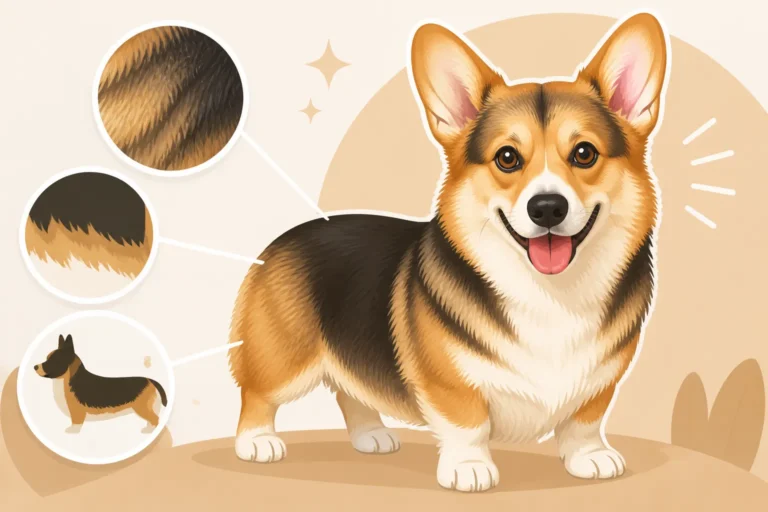
The most significant difference when owning a fluffy Corgi compared to a standard-coated one is the grooming regimen. A standard Corgi's double coat, while a notorious shedder, tends to be more self-cleaning and less prone to matting. A fluffy Corgi, with its longer, softer hairs and often denser undercoat, is much more susceptible to tangles and mats, especially behind the ears, in the armpits, and on the "trousers" around their hind legs.
Regular, thorough brushing is absolutely essential. We're talking several times a week, if not daily, especially during shedding seasons. You'll need high-quality grooming tools like a slicker brush, an undercoat rake, and a metal comb to work through the longer hair and prevent mats from forming. Neglecting this can quickly lead to painful mats that pull on the skin and require professional intervention, sometimes even shaving. Investing in good grooming products, like a detangling spray and a gentle shampoo designed for long coats, can also make the process much easier. You might find a great selection of these tools and products on Chewy, which can be a real lifesaver for keeping that magnificent coat in top condition. For more detailed grooming tips, check out The Fluffy Corgi and What Its Coat Demands.
Health Implications and Acceptance
Beyond the extra grooming, there are generally no significant health implications associated with having a fluffy coat. Fluffy Corgis are just as healthy as their standard-coated brethren, provided they come from responsible breeding lines that prioritize overall health testing for common Corgi ailments like Degenerative Myelopathy and the Corgi or Corgi Hips and Front-End Structure. Their longer coat doesn't make them more prone to back problems or other breed-specific health issues.
However, their coat can be a magnet for burrs, stickers, and debris, especially if they love to explore tall grasses or wooded areas. You'll need to be extra diligent after outdoor adventures to check for anything that might have gotten caught in their glorious fluff. Additionally, during hot weather, their denser coat might make them feel the heat a little more intensely, so ensuring they have plenty of shade and water is always a good idea.
Ultimately, the decision to welcome a fluffy Corgi into your home is a personal one. While they may not fit the traditional breed standard, their unique beauty and loving personalities make them incredible companions. Many owners find that the extra grooming is a small trade-off for the sheer joy and affection these dogs bring into their lives. They are purebred Corgis through and through, just with a little extra fabulousness.
Disclaimer
This article is for general informational purposes only and does not constitute professional advice. Laws, prices and regulations vary by location and change over time. Consult a qualified professional for guidance on your specific situation.