Pairing a Carrier Corgi With a Clear One
It’s a heart-wrenching moment for any Corgi enthusiast when you find out a beloved dog, one you’ve considered for breeding, carries a genetic marker for a serious condition like Degenerative Myelopathy (DM). The thought of not breeding them can be devastating, but knowing how to ethically move forward is paramount. This guide will walk you through the responsible and informed steps for pairing a Corgi who is a DM carrier with a Corgi who is clear, ensuring the health and future of our wonderful breed.
Understanding Degenerative Myelopathy Genetics in Corgis
Finding out your Corgi is a carrier for Degenerative Myelopathy (DM) can feel like a punch to the gut. It's natural to worry, to feel confused, and to question what this means for your dog and any potential puppies. Many people instantly assume the worst, thinking their dog is doomed or that breeding them is completely off-limits. But the reality, especially with DM, is more nuanced than that.
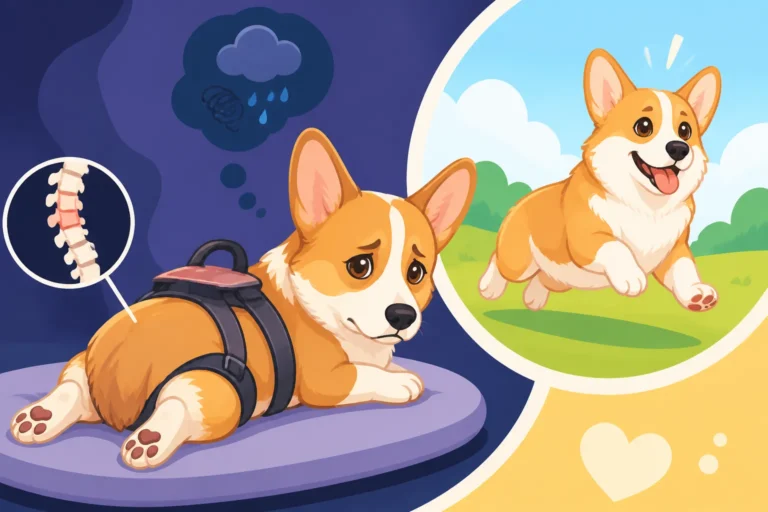
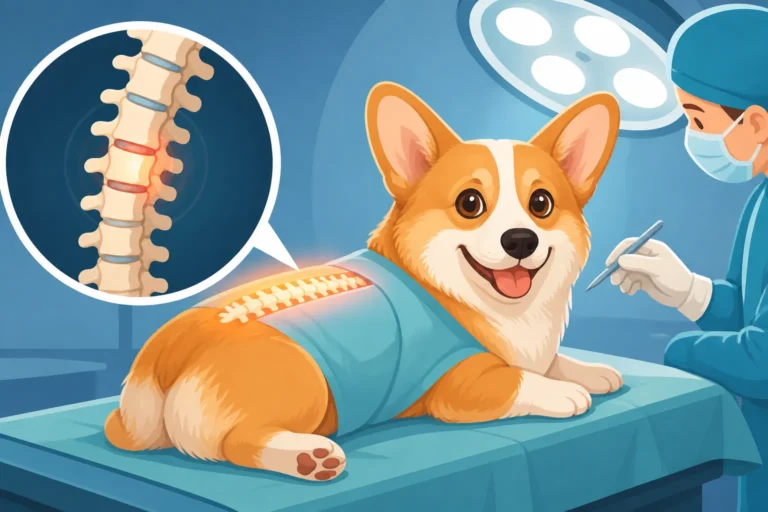
First, let's clarify what being a "carrier" actually means in the context of DM. Degenerative Myelopathy in Corgis is a progressive neurological disease affecting the spinal cord, leading to weakness and eventual paralysis of the hind limbs. It's an autosomal recessive condition, which means a dog must inherit two copies of the mutated gene (one from each parent) to be at risk of developing the disease. The specific gene we're talking about here is called SOD1.
- Clear (N/N): This Corgi has two normal copies of the
SOD1gene. They will not develop DM due to this specific genetic mutation, nor will they pass the mutated gene on to their offspring. - Carrier (N/At): This Corgi has one normal copy and one mutated copy of the
SOD1gene. They typically do not develop DM themselves, because the normal gene is usually sufficient to prevent the disease's onset. However, they can pass the mutated gene on to their offspring. This is where the term "carrier" comes from – they carry the gene without showing symptoms. It's important to understand that Why a Corgi Carrying the DM Gene Usually Stays Well is a key distinction that alleviates much initial worry. - At-Risk (At/At): This Corgi has two mutated copies of the
SOD1gene. They are genetically at risk of developing DM. This doesn't mean they will definitely get DM, but their chances are significantly higher.
So, when your Corgi tests as a carrier (N/At), it means they are healthy, but they hold a piece of genetic information that needs to be managed responsibly in any breeding program. It’s not a condemnation; it’s a call for careful planning. Understanding The Share of Corgis Testing At Risk can help put things into perspective regarding how prevalent this gene is within the breed.
The Ethical Breeder's Approach to DM Carriers
For any responsible Corgi breeder, the health and longevity of the breed should be the absolute top priority. This isn't just about producing cute puppies; it's about ensuring those puppies live long, healthy lives free from preventable genetic diseases. When you have a carrier Corgi, especially one with otherwise excellent temperament, conformation, and health, removing them entirely from the gene pool isn't always the best strategy. Overly restricting breeding lines can inadvertently narrow the genetic diversity of the breed, potentially leading to other unforeseen health problems down the road.
The ethical approach, therefore, is to breed carrier Corgis only to clear Corgis. This single, crucial rule ensures that no puppy from that pairing will ever be "at-risk" for DM, meaning no puppy will inherit two copies of the mutated gene. This is How Breeders Cut the Corgi DM Rate over time, by strategically pairing dogs to eliminate the "at-risk" genotype from offspring.
Let's look at why this is so important and how it impacts the puppies:
- Preventing Suffering: The primary goal is to prevent any puppy from developing a debilitating disease like DM. Degenerative Myelopathy and the Corgi is a tough journey for both dog and owner. By carefully pairing a carrier with a clear dog, you completely eliminate the possibility of producing "at-risk" (At/At) puppies, thereby safeguarding future generations from potential suffering.
- Maintaining Genetic Diversity: As mentioned, some carrier Corgis might have exceptional qualities that are valuable to the breed. If all carriers were immediately removed from breeding programs, we could lose valuable traits, affecting conformation, temperament, or other health aspects. Strategic pairing allows these positive traits to be passed on while managing the DM gene.
- Transparency with Buyers: A cornerstone of ethical breeding is transparency. When you breed a carrier with a clear Corgi, you must be upfront with potential puppy buyers about the genetic status of the parents and the expected genetic outcomes for the litter. This educates buyers and empowers them to make informed decisions. It also sets a precedent for responsible pet ownership, including understanding things like The Vet Visits a Corgi Puppy Needs First and ongoing health monitoring.
Responsible breeders also understand the financial implications of genetic diseases. While a carrier dog itself usually won't incur DM-related costs, an at-risk dog that develops the disease can lead to significant veterinary bills. Knowing the genetic status of your breeding dogs and their potential offspring is not just good animal husbandry; it’s good financial planning. Many discerning Corgi owners explore pet insurance options like Healthy Paws right from the start, understanding that while genetic testing minimizes some risks, other health issues can always arise unexpectedly. A transparent breeder provides the information needed for owners to make the best decisions for their puppy's long-term care and financial protection.
Predicting Puppy Outcomes: The Power of Genetic Testing
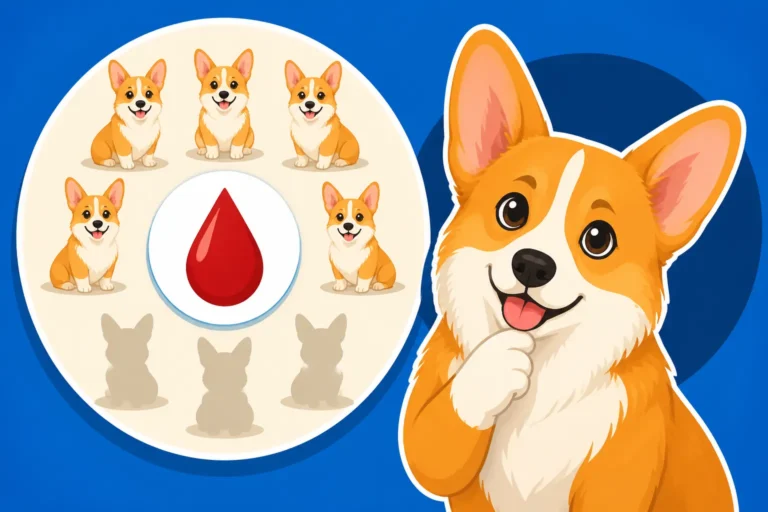
The beauty of Mendelian genetics is that we can predict the probability of genetic outcomes with surprising accuracy. When you pair a DM carrier (N/At) with a DM clear (N/N) Corgi, the possible genetic combinations for their puppies are straightforward.
Here's a simple Punnett square to illustrate the possibilities:
| Clear Parent (N) | Clear Parent (N) | |
|---|---|---|
| Carrier Parent (N) | N/N (Clear) | N/N (Clear) |
| Carrier Parent (At) | N/At (Carrier) | N/At (Carrier) |
As you can see from the table:
- 50% of the puppies will be Clear (N/N): These puppies will not develop DM and will not pass the mutated gene to their offspring.
- 50% of the puppies will be Carriers (N/At): These puppies will also not develop DM themselves (as Whether Carrier Corgis Ever Show Signs confirms), but they will carry one copy of the mutated gene and could pass it on if bred irresponsibly in the future.
What's crucial here is that none of the puppies will be At-Risk (At/At). This is the key outcome that makes this pairing ethical and responsible. Every puppy will either be clear or a carrier, meaning they are highly unlikely to ever develop DM themselves due to this specific genetic marker.
However, predictability is one thing; confirmation is another. Even with these probabilities, you should still advise your puppy buyers about the potential for their puppy to be a carrier. Furthermore, you should strongly recommend genetic testing for any puppy from such a litter if they are ever considered for breeding in the future. Comprehensive genetic testing, such as The DNA Tests a Corgi Breeder Should Run, typically screens for DM along with other breed-specific conditions like Von Willebrand Disease or PRA. Understanding Reading a Corgi SOD1 Test Result is vital for both breeders and new owners.
This approach requires meticulous record-keeping and open communication. You must clearly state the genetic status of both parents and the expected genetic outcomes in your puppy contracts. This ensures that new owners are fully aware and can continue responsible practices if they decide to breed their Corgi later. It also helps them understand the importance of considering pet health insurance from reputable providers like Healthy Paws, knowing their Corgi is less likely to develop DM, but still ensuring comprehensive coverage for other potential health needs throughout their The Twelve to Fifteen Year Corgi Lifespan.
Broader Health Considerations for Corgi Breeding Pairs
While DM genetics are a significant concern, responsible breeding goes far beyond a single gene. A truly ethical breeding program considers the holistic health, temperament, and conformation of both parents. When you're making the decision to pair a carrier Corgi with a clear one, you're not just looking at the SOD1 gene; you're evaluating the entire dog.
- Comprehensive Health Screening: Before any breeding, both the carrier and the clear Corgi should undergo a full panel of health screenings relevant to the breed. This includes evaluations for hip and elbow dysplasia, eye conditions like Progressive Retinal Atrophy (PRA), and other genetic predispositions. For example, Corgi Hips and Front-End Structure are crucial for a breed with their unique build, and these assessments go a long way in ensuring healthy offspring. Many breeders will use OFA (Orthopedic Foundation for Animals) or PennHIP evaluations for hips, and CERF (Canine Eye Registry Foundation) or OFA Eye Certification for eyes. These certifications provide objective assessments of a dog's orthopedic and ocular health.
- Temperament Assessment: Good health isn't just physical. Both parents should have sound temperaments – friendly, stable, and true to the Corgi breed standard. A Corgi's personality is a huge part of its appeal, and breeding for good temperament ensures that puppies are wonderful companions. Issues like excessive shyness, aggression, or anxiety should be carefully considered, as these traits can be inherited.
- Conformation to Breed Standard: While not directly a health issue, breeding dogs that meet the breed standard helps to maintain the integrity and functionality of the Corgi. A dog that is too long, too short, or has structural issues can be more prone to injuries or discomfort, particularly spinal problems. This includes everything from the shape of their head to the length of their body and the set of their legs. While a "fluffy" Corgi might be adorable, they are not typically considered breed standard, and this is another trait breeders must understand and manage responsibly.
- Age and Condition: Ensure both dogs are of an appropriate age for breeding and are in peak physical condition. They should be free from illness, at a healthy weight, and generally thriving. Overweight Corgis, for instance, are at higher risk for various health issues, including back problems, making their breeding less ideal.
- Veterinary Consultation: Always consult with a veterinarian experienced in reproductive health before undertaking any breeding. They can offer guidance on pre-breeding health checks, timing, and potential risks. They can also discuss specific concerns, like managing breeding in an older Corgi or one with a minor health concern that needs to be monitored.
By focusing on these broader health considerations alongside DM genetics, breeders demonstrate a truly comprehensive commitment to the well-being of the Corgi breed. This multi-faceted approach helps produce puppies that are not only genetically clear of DM but are also robust, well-adjusted, and representative of the best qualities of the breed. It also provides peace of mind for new owners, knowing that their Corgi Puppy Prices From a Tested Breeder reflects a commitment to health. When considering ongoing care, having a solid pet insurance plan from a provider like Healthy Paws can significantly ease the financial burden of unexpected veterinary treatments throughout a Corgi's life, especially with their predisposition to various health concerns beyond just DM. This comprehensive strategy ensures not just the absence of disease, but the presence of vibrant, healthy life.
Disclaimer
The information provided in this article is for general educational and informational purposes only, and does not constitute veterinary advice. Always consult with a qualified veterinarian or a certified professional for any health concerns or before making any decisions related to your pet's health or breeding practices. Genetic test results should always be interpreted by a professional, and breeding decisions should be made in consultation with experienced mentors and veterinarians.