Corgi Puppy Prices From a Tested Breeder
Many aspiring Corgi parents find themselves bewildered by the vast range in puppy prices, often wondering if a higher price truly guarantees a healthy, well-adjusted companion or if it's just marketing. It's a frustrating maze to navigate, especially when you're trying to do right by your future furry family member, but also trying to stick to a budget. This guide aims to demystify the cost of Corgi puppies from reputable, health-tested breeders, shedding light on what goes into those numbers and what to expect for your investment.
Understanding the Value Behind the Price Tag
When you first start looking for a Corgi puppy, the sticker shock can be real. Prices often range from several hundred to several thousand dollars, and it's natural to wonder why there's such a disparity. This isn't just about a cute face; a significant portion of a reputable breeder's price reflects the immense investment they make in the health, welfare, and early development of their puppies and breeding stock. They aren't just selling a dog; they're selling the culmination of responsible breeding practices.
The Non-Negotiable Investment in Health Testing
One of the most crucial elements driving the cost from a quality breeder is comprehensive health testing. Corgis, like many purebreds, are prone to certain genetic conditions that can lead to heartbreaking and expensive health issues down the line if not properly managed through responsible breeding. A breeder committed to the breed's future won't skimp on these tests. They want to ensure they are producing puppies that have the best possible start and a long, healthy life, minimizing the chances of passing on hereditary diseases.
These tests go far beyond a simple vet check-up. Reputable breeders typically screen their adult breeding dogs for conditions like Degenerative Myelopathy (DM), a progressive neurological disease that affects the spinal cord, leading to hind leg weakness and paralysis. They also test for Von Willebrand Disease (vWD), a bleeding disorder, and Progressive Retinal Atrophy (PRA), which can cause blindness. You'll often find breeders running thorough eye examinations by a board-certified veterinary ophthalmologist and orthopedic evaluations for hip and elbow dysplasia. These certifications, often involving X-rays and specialist consultations, are costly and time-consuming, but they are absolutely essential. When you read an article on The DNA Tests a Corgi Breeder Should Run, you'll gain a deeper appreciation for the rigor involved.
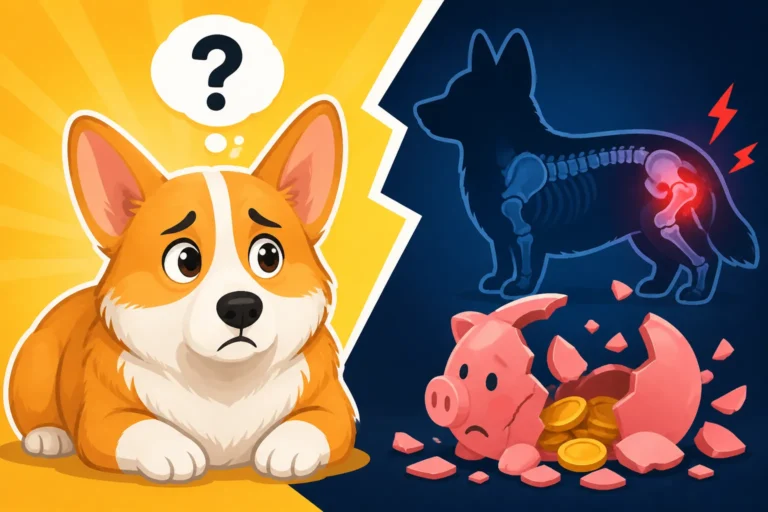
Think of it this way: paying more upfront for a puppy from health-tested parents can potentially save you thousands in veterinary bills and emotional distress later on. An untreated Corgi with spinal issues, for instance, could rack up significant costs for diagnostics like MRIs, medications, or even surgery. The initial investment in a puppy from a tested breeder is often a long-term saving. It’s an investment in peace of mind and your future Corgi’s well-being.
Temperament and Socialization: Priceless Early Foundations
Beyond physical health, a good breeder also invests heavily in the early socialization and temperament development of their puppies. This isn't something that just happens; it's a deliberate, thoughtful process that shapes a puppy's personality and its ability to adapt to a new home. A well-socialized puppy is more likely to be confident, friendly, and less prone to behavioral issues later on, making for a much happier integration into your family.
From the moment they're born, puppies from responsible breeders are exposed to a variety of sights, sounds, textures, and gentle human interaction. This includes handling by different people, exposure to household noises like vacuums and doorbells, and careful introductions to other friendly, vaccinated dogs. They might even begin early potty training concepts, leash introductions, and crate conditioning. This groundwork is vital for helping a puppy become a well-adjusted adult dog.
A breeder dedicated to these early foundations spends countless hours with their litter, ensuring each puppy receives individual attention and positive experiences. This isn't merely about feeding and cleaning; it’s about actively shaping a resilient and adaptable personality. This meticulous care helps create puppies that transition smoothly into their new homes, saving new owners the stress and potential expense of correcting ingrained behavioral problems. These early efforts truly lay the foundation for a lifetime of companionship.
Factors That Shape Corgi Puppy Pricing
The price you see for a Corgi puppy isn't arbitrary. It's a complex equation influenced by a multitude of factors, all reflecting the breeder's dedication, the quality of their breeding program, and even the current market demand. Understanding these elements can help you discern a fair price from an inflated one, and critically, from a suspiciously low price that signals potential issues.
Breed Lines and Pedigree: Show vs. Pet Quality
One of the primary drivers of Corgi puppy price is the quality of their lineage and whether they come from "show lines" or are considered "pet quality." Puppies bred from champions or dogs with extensive titles in conformation, obedience, or performance sports often command higher prices. These dogs represent years, sometimes decades, of careful breeding to produce animals that not only conform closely to the breed standard but also excel in various disciplines. The breeder has invested significant time and money in showing their dogs, traveling to events, and proving their dogs' worth in competition.
It's important to understand that a "pet quality" puppy from a reputable breeder is still a wonderful dog with excellent health and temperament. The term "pet quality" usually means that while the puppy is healthy and sound, it might have a minor characteristic that isn't ideal for the show ring, such as an ear set that's slightly off or a white marking that's too extensive for the strict breed standard. These differences are purely cosmetic and have no bearing on the puppy's ability to be a loving family member. In fact, many show-quality puppies are sold as pets simply because a breeder can't keep every promising puppy. The key is that a responsible breeder will be transparent about a puppy's quality and price it accordingly, regardless of whether it's destined for the ring or your sofa. Don't fall for breeders who try to pass off a poorly bred or unhealthy puppy as "pet quality" to justify a low price.
Geographic Location and Breeder Reputation
Where a breeder is located can also impact the cost of a Corgi puppy. In areas with a higher cost of living or strong demand, prices may naturally be higher. For instance, a breeder in a major metropolitan area like Los Angeles or New York might charge more than one in a rural part of the Midwest, simply due to their overhead expenses. Similarly, breeder reputation plays a huge role. Breeders with a long-standing history of producing healthy, well-tempered Corgis and providing excellent support to their puppy buyers can, and often do, charge more. Their reputation is built on years of ethical practices, positive testimonials, and satisfied families who return for future puppies or refer friends.
A reputable breeder doesn't just sell you a puppy and disappear; they become a lifelong resource for advice and support. This level of commitment adds intrinsic value that is reflected in the price. They are often active in local and national breed clubs, participate in dog sports, and continuously educate themselves on canine health and genetics. This dedication to the breed and their clients is part of what you're paying for. If you compare the fees, you might find that The Price a Corgi Puppy Actually Fetches is influenced by all these intangible yet vital aspects.
Coat Types and Colors: The "Fluffy" Factor
While Corgi colors like red, sable, fawn, and black-and-tan are common and accepted in the breed standard, certain coat types and colorations can influence pricing. The most notable example is the "Fluffy Corgi." A fluffy Corgi possesses a longer, softer coat than the standard harsh, weather-resistant double coat. This is due to a recessive gene. While utterly adorable and beloved by many, the fluffy coat is considered a fault in the show ring and deviates from the breed standard.
However, the demand for fluffy Corgis has grown, leading some breeders to price them either slightly lower (due to the "fault" in the standard) or, conversely, sometimes even higher due to their unique appearance and popularity among pet owners. It really depends on the individual breeder and their market. An interesting read on Whether a Fluffy Corgi Costs Less can give you more insight into this niche aspect of Corgi pricing. Responsible breeders will transparently discuss the genetic reason for a fluffy coat and ensure that even fluffy puppies receive the same health testing and care as their standard-coated littermates. Be wary of any breeder claiming a fluffy Corgi is "rare" and exorbitantly priced without proper health clearances; this can be a red flag.
Another consideration might be "blue merle" Corgis. While blue merle is a recognized color in the Cardigan Welsh Corgi, it is not a standard color for the Pembroke Welsh Corgi. If you see a breeder advertising a "blue merle Pembroke," this is a clear sign that the dog is either a Cardigan mix or has been bred irresponsibly. Such a puppy should be approached with extreme caution, as it indicates a breeder who is either uninformed or intentionally misleading, potentially putting puppies at risk for associated health problems like deafness or blindness if proper genetic testing for color genes wasn't performed on parents.
What a Reputable Breeder Provides Beyond the Puppy
Choosing a Corgi puppy from a reputable, health-tested breeder is about far more than just the initial transaction. It's about establishing a relationship with someone who is genuinely invested in the well-being of their dogs and who will be a trusted resource throughout your Corgi's life. This long-term support and the careful preparation of your puppy are significant components of the breeder's value proposition.
Lifelong Support and Ethical Practices
A truly reputable Corgi breeder views their puppies as lifelong commitments, not just commodities. This means they offer ongoing support and advice for the entire duration of your dog's life. Have a question about training, diet, or a quirky Corgi behavior when your puppy is six months old? A good breeder will be there to offer guidance. Faced with a health concern down the road? They'll often have insights or connections to specialists that can be invaluable. This mentorship is priceless, especially for first-time Corgi owners who might be navigating the unique challenges and joys of the breed.
Furthermore, ethical breeders adhere to strict practices that prioritize the health and welfare of their breeding dogs. They typically limit the number of litters a female dog has, ensuring she has ample time to recover between pregnancies. They provide a clean, safe, and stimulating environment for their dogs and puppies, often raising them in their own homes rather than in kennels. These breeders are also very particular about where their puppies go, often requiring extensive applications, phone interviews, and even home visits to ensure a good match. They may even have a clause in their contract stating that if, for any reason, you cannot keep the Corgi, it must be returned to them. This commitment speaks volumes about their dedication to their dogs, and an article like What Comes With a Corgi Adoption Fee often highlights these valuable aspects.
These breeders are also transparent about their practices. They should be eager to share health testing results, pedigree information, and allow you to meet the puppy's parents (at least the mother, and often the father if he lives on-site). If a breeder is hesitant to provide this information or avoids showing you where the puppies are raised, it’s a significant red flag. They stand by their dogs and are proud of the care they provide, making the experience of bringing home your Corgi puppy much more reassuring.
Initial Care and Documentation
The price of a Corgi puppy from a reputable breeder also covers the comprehensive initial care the puppy receives before it ever comes home with you. This isn't just a few meals; it's a carefully planned health regimen designed to give your puppy the healthiest possible start in life. Puppies typically receive their first set of vaccinations, multiple dewormings, and a thorough veterinary check-up, often with an official health certificate. Many breeders will also microchip the puppies before they leave for their new homes, ensuring a permanent form of identification.
Beyond health care, a good breeder will provide you with a wealth of documentation. This usually includes the puppy's health records detailing vaccinations and deworming dates, a written health guarantee (often covering genetic issues for a specified period), a contract outlining responsibilities for both breeder and buyer, and registration papers for organizations like the American Kennel Club (AKC) or Canadian Kennel Club (CKC). These papers are proof of the puppy's purebred lineage and ensure you can register your dog, participate in dog sports, or simply have the pride of knowing their heritage. You can learn more about The Papers a Corgi Puppy Should Come With to understand what to expect.
Often, breeders will send puppies home with a "puppy pack." This thoughtful collection might include a small bag of the food they've been eating (perhaps from brands like Chewy or Ollie, known for quality), a comfort item like a blanket with the mother's scent to ease the transition, and a few toys. This attention to detail demonstrates a breeder's commitment to ensuring a smooth and happy start for both the puppy and its new family, further justifying the initial investment.
Deciphering Price Differences: Pembroke vs. Cardigan
Many people might not realize that "Corgi" actually refers to two distinct breeds: the Pembroke Welsh Corgi and the Cardigan Welsh Corgi. While both are charming, intelligent, and low-slung herding dogs, they have noticeable differences in appearance, temperament, and, yes, price. Understanding these distinctions is key to understanding the variation in costs you might encounter.
Distinct Breeds, Distinct Pricing Trends
The Pembroke Welsh Corgi is arguably the more well-known of the two, largely due to its association with British royalty. Pembrokes are generally smaller, lighter, and typically have no tail or a very short, docked tail (though naturally bobtailed Pembrokes exist, and undocked tails are becoming more common in regions where docking is restricted). They are often described as being a bit more outgoing, playful, and sometimes more vocal. Their popularity often drives their price, especially from reputable breeders with health-tested lines. You'll often find Pembroke puppy prices ranging from $1,500 to $3,500, sometimes even higher for exceptional bloodlines or in high-demand areas.
The Cardigan Welsh Corgi, on the other hand, is the older and generally larger of the two breeds, characterized by its long, fox-like tail and often slightly larger ears. Cardigans come in a wider variety of colors, including blue merle (which is not found in purebred Pembrokes). Their temperament is often described as slightly calmer, more reserved, and perhaps a touch less prone to vocalizations than Pembrokes, though individual personalities vary greatly. While still beloved, Cardigans are generally less common than Pembrokes, which can sometimes lead to slightly lower prices from some breeders, or conversely, slightly higher prices due to their rarity and the limited number of reputable breeders producing them. It's not uncommon to see Cardigan puppy prices in the range of $1,800 to $4,000. An in-depth look at Cardigan Against Pembroke Puppy Prices can help clarify these subtle differences.
The core reasons for these price ranges remain the same across both breeds: extensive health testing (including specific tests relevant to each breed's predispositions), quality of lineage, breeder reputation, and the significant investment in early puppy care and socialization. Regardless of which Corgi breed steals your heart, prioritize finding a breeder who places health and temperament above all else.
Why "Cheap" Corgis Are Often the Most Expensive in the Long Run
It's tempting to jump at the chance to buy a Corgi puppy advertised for a significantly lower price – perhaps $500 or $800 – especially when reputable breeders are quoting $2,000 or more. However, this seemingly "good deal" almost invariably turns into the most expensive choice in the long run, both financially and emotionally. These low prices are almost always a tell-tale sign of an irresponsible breeder, a puppy mill, or an online scam.
Puppies from these sources typically lack proper health clearances for their parents. This means you're taking a massive gamble on inheriting debilitating genetic conditions like severe hip dysplasia or early-onset Degenerative Myelopathy. The veterinary costs associated with managing or treating these conditions can easily run into thousands, or even tens of thousands, of dollars over the dog's lifetime. Imagine the heartbreak and financial strain of realizing your beloved Corgi needs extensive surgery at a young age, or faces a progressive neurological decline, all because corners were cut during breeding. This is where pet insurance, like a plan from Healthy Paws, becomes crucial, but even then, pre-existing conditions (often inherent from poor breeding) are rarely covered. An article discussing The Untested Corgi That Costs You at Eight paints a stark picture of these potential future expenses.
Beyond health, cheap puppies often come from environments lacking proper socialization, leading to behavioral issues such as extreme shyness, aggression, or separation anxiety. Training and behavior modification can be expensive and time-consuming, and some issues may never be fully resolved. The emotional toll of dealing with a dog with severe behavioral problems can be immense. When considering the price of a puppy, remember that you're investing in a family member for the next 12 to 15 years. A few hundred dollars saved upfront can easily translate into thousands in vet bills, training fees, and endless heartache. Responsible breeders are not trying to get rich; they are simply covering the substantial costs associated with ethically breeding and raising healthy, well-adjusted puppies.
Budgeting for More Than Just the Puppy's Purchase
The purchase price of your Corgi puppy, while a significant upfront cost, is truly just the tip of the iceberg when it comes to lifetime ownership expenses. A responsible future owner understands that budgeting for a Corgi requires foresight into initial setup costs, ongoing monthly expenditures, and preparing for unforeseen circumstances. Planning for these financial realities is crucial to ensure a stable and happy life for your new companion.
First-Year Essentials and Ongoing Expenses
Bringing a new Corgi puppy home involves an immediate wave of necessary purchases. First, you'll need essential gear: a crate (critical for house training and safety), food and water bowls, a comfortable dog bed (perhaps an orthopedic one to support their long back), a leash and harness, age-appropriate toys, and grooming supplies like brushes for their notorious shedding. For Corgis, consider investing in ramps or pet stairs early on for sofas and beds to protect their delicate spines, a preventative measure discussed in articles like Ramps and Steps That Save a Corgi's Back. These initial supplies can easily set you back several hundred dollars.
Then there are the ongoing monthly expenses. Food is a significant recurring cost. A growing Corgi puppy needs quality nutrition to develop properly, and even adult Corgis, known for their love of food, require measured portions to maintain an ideal weight. Brands like Ollie, known for fresh, human-grade ingredients, or high-quality kibble available from Chewy, can be excellent choices but come at a cost. Factor in treats for training, flea and tick preventatives, heartworm medication, and routine veterinary visits, including annual check-ups and booster shots. These monthly outlays can easily range from $80 to $200, depending on your choices and location. An exhaustive breakdown of The First Twelve Months of Corgi Spending can help you plan meticulously for this initial period.
Don't forget professional grooming if you opt for it, or the cost of quality grooming tools if you choose to do it yourself. Training classes, which are highly recommended for Corgis to manage their intelligent but sometimes stubborn nature, also add to the budget. While a Corgi is a small dog, their needs are mighty, and ensuring their well-being requires a consistent financial commitment.
The Unforeseen Costs: Health Emergencies and Insurance
No matter how carefully you choose a reputable breeder or how diligently you provide daily care, unforeseen health emergencies can strike, and they can be incredibly expensive. Corgis, with their distinctive long backs, are particularly susceptible to intervertebral disc disease (IVDD), which can lead to sudden paralysis. A single emergency visit, diagnostics like an MRI, and potential spinal surgery for a slipped disc can cost upwards of $5,000 to $10,000 or more. Even less severe incidents, like an unexpected infection or an accidental injury, can easily run into hundreds or thousands of dollars. These are the moments when owners often face difficult decisions, especially if they haven't prepared financially.
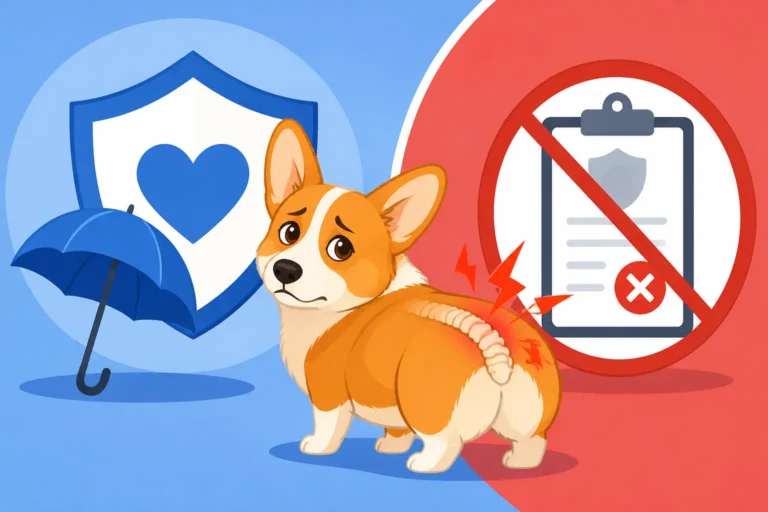
This is precisely why pet insurance is not a luxury but a crucial component of responsible Corgi ownership. Enrolling your Corgi in a comprehensive pet insurance plan, ideally when they are a puppy, can provide an invaluable safety net. Companies like Healthy Paws offer various plans that can cover a significant percentage of eligible veterinary bills for accidents, illnesses, and emergency care. It's often advised to start Insuring a Corgi Before Its First Back Episode because once an issue arises, it's typically considered a pre-existing condition and won't be covered by a new policy.
Setting aside an emergency fund dedicated solely to your Corgi's health is another wise strategy, either in conjunction with or as an alternative to pet insurance, though insurance generally provides better coverage for catastrophic events. When considering What a Corgi Costs a Year Before Any Back Trouble, remember to factor in this crucial financial preparedness. Owning a Corgi is an emotional journey, and being financially prepared for unexpected health challenges allows you to focus on your dog's recovery without the added stress of crushing veterinary debt.
| Factor Affecting Price | Typical Range (USD) | What It Means for You | Red Flags (Lower Price) |
|---|---|---|---|
| Breeder Reputation/Lineage | $1,500 – $4,000+ | Health, temperament, breeder support, strong pedigree. | No health testing, no documentation, poor living conditions. |
| Health Testing | Included in above | Reduced risk of genetic diseases (DM, vWD, PRA, hips). | No proof of parent health checks. |
| Location | Varies | Higher in urban/high COL areas. | Breeder unwilling to meet in person or show facilities. |
| Coat/Color | Varies slightly | Fluffies may be slightly higher or lower depending on demand, non-standard colors a red flag. | "Rare" color hype without health info, inflated price for "fluffy." |
| Initial Vet Care | Included in above | Vaccinations, deworming, microchip, health certificate. | Puppy not vet-checked, no first shots. |
| Support & Documentation | Included in above | Contract, health guarantee, registration papers, breeder advice. | No contract, no health guarantee, hesitant to provide papers. |
How to Identify and Avoid Unscrupulous Sellers
The allure of a Corgi puppy can sometimes cloud judgment, making it easy for well-meaning individuals to fall prey to puppy mills, backyard breeders, or outright scams. These unscrupulous sellers exploit demand, often at the expense of animal welfare and buyer satisfaction. Recognizing the red flags and practicing due diligence are your best defenses in securing a healthy, ethically bred Corgi.
Red Flags and Warning Signs
When you're searching for a Corgi puppy, a crucial part of the process is being able to spot the warning signs of an irresponsible or unethical seller. The most glaring red flag is often an unbelievably low price. As discussed, quality breeding is expensive, and a price significantly below the market average for a reputable breeder (typically $1,500-$4,000) almost always indicates corners have been cut, usually in health testing or proper care. If a seller offers a Corgi puppy for a few hundred dollars, especially if they are trying to rush the sale, exercise extreme caution.
Another major red flag is the inability or unwillingness of the seller to let you visit their premises and meet the puppy's parents (at least the mother). Responsible breeders are proud of their facilities and eager to show you where their puppies are raised, allowing you to observe the environment and the temperament of the adult dogs. Puppy mills and backyard breeders often make excuses to meet in public places, such as a parking lot, or only offer to deliver the puppy. This prevents you from seeing the often unsanitary and overcrowded conditions the puppies come from, and critically, from assessing the health and temperament of the mother dog. Be wary of sellers who have multiple breeds available at once or always seem to have puppies readily available; this often points to a high-volume breeding operation rather than a dedicated hobby breeder focused on one or two breeds.
Finally, pay close attention to the details provided (or not provided) by the seller. Are they vague about health testing results? Do they try to sell you a "blue merle Pembroke" which is genetically impossible for a purebred? Do they lack knowledge about Corgi health issues like Disc Disease in a Long-Backed Corgi or specific breed characteristics? Are they unwilling to provide references from past puppy buyers or their veterinarian? Any hesitation or lack of transparency should make you pause. Trust your gut feeling; if something feels off, it probably is.
The Importance of Due Diligence and Patience
Avoiding unscrupulous sellers requires active participation and, above all, patience. Finding a truly reputable Corgi breeder rarely happens overnight; it often involves waiting for a well-planned litter. Start your search by looking for breeders who are members of national or regional breed clubs, such as the Pembroke Welsh Corgi Club of America or the Cardigan Welsh Corgi Club of America. These clubs often have strict codes of ethics that members must follow, including health testing requirements. Attend local dog shows or Corgi meet-ups where you can meet breeders, see their dogs, and ask questions in person.
When you connect with a potential breeder, be prepared to ask a lot of questions – and be prepared for them to ask you just as many! A good breeder will want to know about your lifestyle, experience with dogs, and what kind of home you can provide for their puppy. Ask to see proof of health clearances for both parents (not just a verbal affirmation). This includes certifications from organizations like the Orthopedic Foundation for Animals (OFA) for hips and elbows, and genetic test results for DM, vWD, and PRA from reputable labs. An ethical breeder will be happy to share these results and explain what they mean. You can also explore Whether a Corgi Breeder Should Show DM Results for more context.
Finally, insist on a written contract and health guarantee. This document should outline the responsibilities of both parties, detail the puppy's health status, and specify what happens if a genetic health issue arises. Do not be swayed by emotional pleas or pressure tactics to make a quick decision. The right Corgi puppy for you is worth waiting for, and taking the time to find a responsible breeder is the best way to ensure you bring home a healthy, happy companion who will enrich your life for years to come.
Disclaimer
The information provided in this article is for general informational purposes only and does not constitute veterinary advice. Always consult with a qualified veterinarian for any health concerns or before making any decisions about your pet's care.