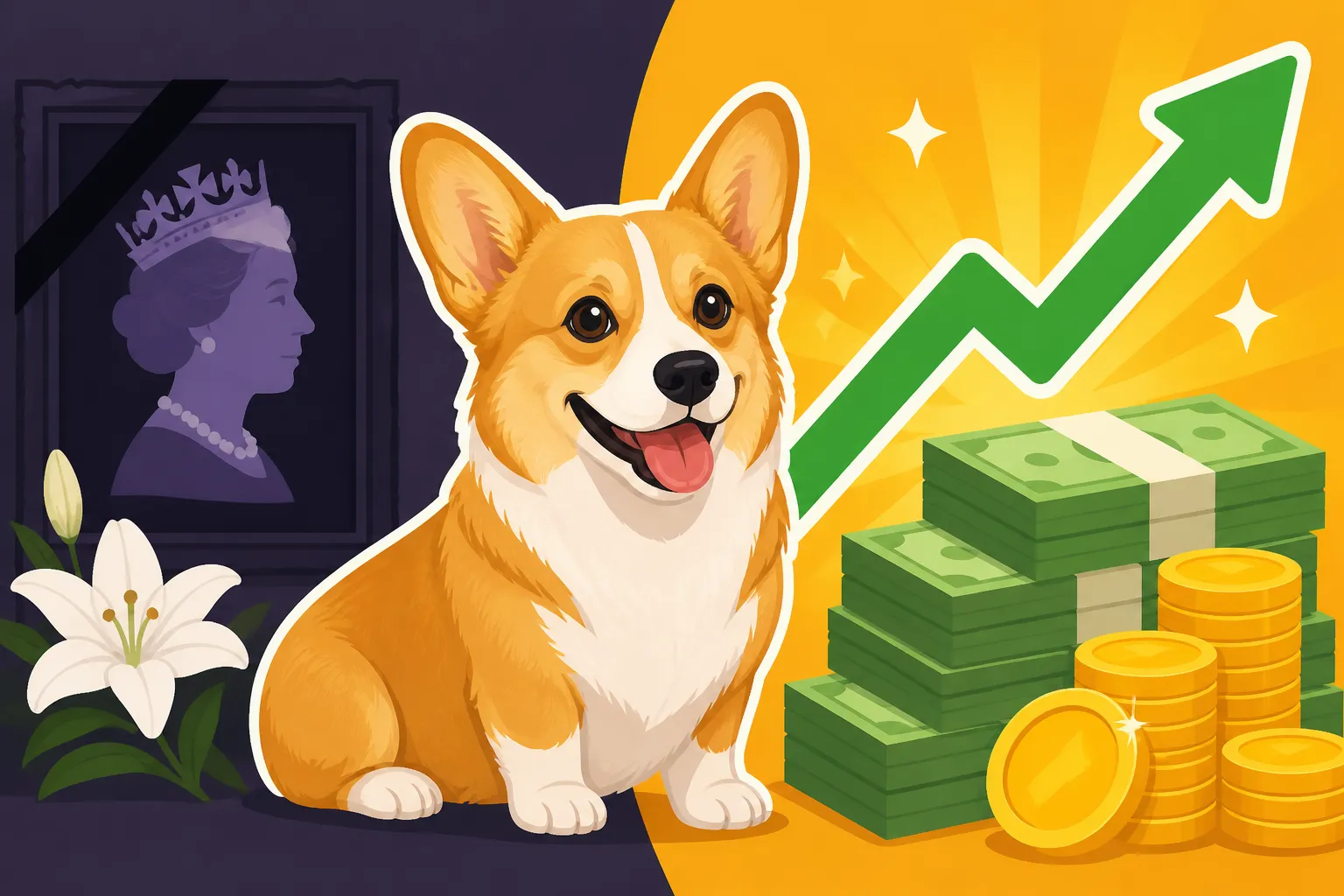
Why Corgi Prices Rose After the Queen Died
The passing of Queen Elizabeth II sent a ripple through many aspects of global culture, and surprisingly, one of those was the seemingly humble Corgi. For those of us who have loved this breed for years, the sudden explosion in their visibility and, let's be honest, their price tag, has been a curious and sometimes frustrating phenomenon. If you've found yourself wondering why the cost of bringing one of these adorable, low-riding companions home has skyrocketed, this guide will delve into the intertwined reasons, from royal legacy to market dynamics and the true cost of responsible ownership.
The Royal Endorsement and Its Impact on Corgi Popularity
It's impossible to discuss the Corgi's enduring appeal without acknowledging its most famous patron. For decades, the image of Queen Elizabeth II was almost inseparable from her beloved Corgis, transforming them from working farm dogs into international symbols of charm and companionship. This unprecedented, long-term royal association undeniably shaped public perception and, ultimately, market demand.
A Brief History of Royal Corgi Love
Queen Elizabeth II's love affair with Corgis began in 1933 when her father, King George VI, brought home Dookie, a Pembroke Welsh Corgi. From that moment on, Corgis became an integral part of royal life. Her Majesty owned more than 30 Corgis and "Dorgis" (Dachshund-Corgi mixes) during her lifetime, many of them direct descendants of her first Corgi, Susan, who was gifted to her on her 18th birthday. This wasn't just a fleeting fancy; it was a lifelong devotion that played out on the global stage. Newsreel footage, official portraits, and countless candid photographs always featured the Queen surrounded by her furry companions, showcasing their lively personalities and distinctive looks. This consistent, high-profile presence effectively made the Corgi breed one of the most recognizable and beloved dogs in the world, lending them an air of regal charm and desirability that no advertising campaign could ever replicate.
The Post-Mortem Surge in Interest
While the Queen's affection for Corgis had always kept them in the public eye, her passing in September 2022 created a profoundly emotional and global moment of remembrance. As tributes poured in from around the world, her Corgis, still present at her final farewell at Windsor Castle, became poignant symbols of her personal life and legacy. This intensely focused media attention on her canine companions led to an extraordinary surge in public interest. Search queries for "Corgi puppies" and "Corgi breeders" spiked dramatically in the weeks and months following her death. Breeders reported receiving an unprecedented number of inquiries, often from individuals who had never considered a Corgi before, but were moved by the royal connection and the breed's sudden prominence in the news. This sudden, emotional spike in demand, coupled with the inherent limitations of ethical breeding practices, created a perfect storm for prices to rise. The world collectively mourned a monarch, and in doing so, rediscovered a breed that had been her loyal shadow for nearly a century.
Understanding the Economics of Corgi Breeding
The Corgi market, like any other, operates on the fundamental principles of supply and demand. When demand surges, and supply remains relatively constant or increases slowly, prices naturally go up. However, the true economics of Corgi breeding are far more complex than just supply and demand; they also involve the significant investment that reputable breeders make in the health and well-being of their dogs.
Supply and Demand Dynamics
The immediate aftermath of the Queen's passing saw demand for Corgi puppies skyrocket. Suddenly, everyone wanted a piece of that charming, royal-adjacent legacy. However, responsible breeding isn't a factory production line that can simply ramp up output overnight. Quality breeders operate on a much smaller scale, carefully planning litters to ensure the health and temperament of their puppies. Female Corgis can only safely have a limited number of litters in their lifetime, and there are waiting periods between litters for their recovery. The gestation period is fixed, and puppies need at least eight weeks with their mother before they can go to new homes. This natural, unchangeable timeline means that even with increased interest, the supply of ethically bred Corgi puppies cannot instantly expand to meet a sudden, massive surge in demand. This imbalance inevitably drives up the price for the limited number of puppies available from reputable sources. It's a classic economic scenario where a fixed or slowly growing supply meets an exploding demand, and the market responds by increasing cost.
The Costs Associated with Responsible Breeding
Many people see a high puppy price and assume breeders are just getting rich, but the reality for responsible breeders is far from it. The initial price of a Corgi puppy from a reputable breeder reflects a substantial investment in the health, welfare, and genetic quality of the breeding stock. This isn't just about covering the cost of food for a few weeks. It begins long before puppies are even conceived.
For instance, responsible breeders invest heavily in health testing for their parent dogs. This includes genetic tests for conditions prevalent in Corgis, such as Degenerative Myelopathy and the Corgi, von Willebrand Disease (The Bleeding Disorder Pembrokes Carry), and Progressive Retinal Atrophy (Corgi Eye Disease and PRA). They also conduct orthopedic evaluations, like hip and elbow scoring, to ensure their breeding dogs are free from structural issues. These tests alone can run into hundreds, if not thousands, of dollars per dog. You can learn more about these specific checks in articles like The DNA Tests a Corgi Breeder Should Run.
Beyond testing, there are stud fees, which can be considerable for a quality male. During pregnancy, the dam receives exceptional veterinary care, including check-ups and specialized nutrition. Corgis, with their short stature and larger heads, sometimes require C-sections, an expensive emergency procedure, to ensure the safety of both mother and puppies. Once the puppies arrive, there are deworming treatments, initial vaccinations (The Vet Visits a Corgi Puppy Needs First), microchipping, and vet check-ups for the entire litter. The breeder provides premium puppy food, bedding, toys, and countless hours of socialization, cleaning, and individual attention. Then there's the cost of maintaining a safe, clean, and stimulating environment, plus the time commitment that a breeder dedicates, often around the clock, for eight to ten weeks. All these accumulated expenses, coupled with the breeder's expertise and reputation, contribute to the final price tag of a responsibly bred Corgi puppy.
What to Expect When Searching for a Corgi Puppy
Navigating the Corgi market, especially after the recent surge in popularity, can feel overwhelming. It's not just about finding a puppy; it's about finding a healthy, well-adjusted companion from an ethical source, and understanding the financial commitment involved.
Price Ranges Before and After the Surge
Before the Queen's passing, a responsibly bred Pembroke Welsh Corgi puppy from a reputable breeder in the United States might typically range anywhere from $1,500 to $2,500, depending on lineage, location, and the breeder's specific program. Cardigan Welsh Corgis, generally slightly less common, might have commanded similar or slightly higher prices. However, in the months following the widespread media coverage, these figures saw a noticeable increase. Many breeders adjusted their prices upwards to reflect the unprecedented demand, with puppies from well-regarded lines often fetching anywhere from $2,800 to $4,000, and sometimes even higher in particularly high-demand areas.
It’s crucial to understand that these prices can also vary significantly based on your geographical location; a Corgi in a metropolitan area like Los Angeles or New York might cost more than one in a rural part of the Midwest. Articles such as Where in the Country Corgis Are Cheapest can give you a better idea of these regional differences. While the initial sticker shock might be real, remember that this price often reflects the breeder's investment in health testing, quality care for the dam and puppies, and a commitment to the breed standard.
Red Flags for Unscrupulous Breeders
The unfortunate side effect of any breed experiencing a popularity boom is that it attracts individuals more interested in profit than puppy welfare. These "backyard breeders" or puppy mills often cut corners, leading to unhealthy, unsocialized, or genetically predisposed puppies that can become incredibly expensive heartaches down the line. It's vital to know the red flags.
Firstly, be wary of breeders who always have puppies available, especially if they offer multiple litters at once or puppies from very young or very old dams. Responsible breeders have waiting lists. If someone offers a puppy immediately without a thorough application process, it's a red flag. Secondly, a breeder who won't allow you to visit their facility, meet the parents, or see where the puppies are raised is a huge warning sign. Transparency is key. They should be proud to show you their clean, safe environment. Thirdly, an absence of health testing or vague answers about parentage and health clearances is unacceptable. Reputable breeders will readily provide verifiable results for genetic tests like DM, vWD, and OFA certifications for hips and elbows. Be extremely cautious of Corgi Ads With Fake DM Certificates.
Finally, be suspicious of prices that seem too good to be true, or conversely, excessively high prices without any demonstrable added value (e.g., champion bloodlines, extensive health guarantees). A very low price often indicates corners have been cut, while an exorbitant price might just be capitalizing on the hype without ethical practices to back it up. Always trust your gut; if something feels off, it probably is.
The True Cost of Corgi Ownership Beyond the Initial Price Tag
Bringing a Corgi home is a long-term commitment, and the purchase price is truly just the beginning. Responsible ownership involves significant ongoing financial investment, particularly concerning their health and daily care. Understanding these future costs is crucial for any potential Corgi owner.
Lifelong Health Considerations
Corgis, while generally robust, are prone to certain breed-specific health issues due to their unique body structure and genetics. Their distinctive long backs and short legs make them particularly susceptible to intervertebral disc disease (IVDD), a condition where the discs in their spine degenerate and can rupture, causing immense pain, paralysis, or neurological problems. Articles like Disc Disease in a Long-Backed Corgi delve into this extensively. The potential for spinal issues means that emergency vet visits, diagnostics like MRIs, and possibly even surgery can become a reality, especially as they enter The Corgi Years When the Back End Gives Out. A single spinal surgery can easily run into thousands of dollars, making proactive financial planning essential.
Beyond spinal health, Corgis can also be prone to hip dysplasia, eye conditions like PRA, and even certain bleeding disorders. Regular preventative care, including annual vet check-ups, vaccinations, and parasite prevention, is a non-negotiable expense. Additionally, proactive measures like maintaining a healthy weight (Why Corgi Weight Is a Spinal Problem) can significantly reduce the risk of many issues. For these reasons, many Corgi owners find pet insurance to be an invaluable investment. Companies like Healthy Paws offer coverage that can help offset the hefty costs of unexpected illnesses or injuries. It's often advised to start Insuring a Corgi Before Its First Back Episode to ensure potential issues aren't considered pre-existing conditions. These ongoing health costs mean that the initial puppy price is merely an entry fee to a lifetime of care.
Daily Care and Maintenance Expenses
Beyond the potentially high veterinary bills, the day-to-day care of a Corgi also adds up. Food is a primary and ongoing expense. Corgis are notoriously food-motivated and prone to weight gain, which exacerbates spinal issues. Therefore, feeding a high-quality, balanced diet in carefully measured portions is critical. Brands like Chewy and Ollie offer excellent options that cater to different dietary needs and preferences, but these premium foods often come at a higher price point than generic kibble. However, the investment in good nutrition can pay dividends in long-term health.
Grooming is another significant factor. Corgis have a dense double coat that sheds year-round, with two major "blows" seasonally. While some owners choose to handle grooming at home, which requires an investment in specialized tools like undercoat rakes and high-velocity dryers, many opt for professional grooming services. Costs for a professional deshedding treatment can range from $50 to $100 or more per session. For a detailed breakdown, check out Corgi Grooming Costs Against Doing It Yourself. If you have a "fluffy" Corgi, as described in The Fluffy Corgi and What Its Coat Demands, grooming needs can be even more intensive due to their longer, softer coat.
Other recurring expenses include training classes, especially for their strong herding instincts and independent nature, as well as regular dental care. Corgis, like many breeds, are susceptible to Corgi Dental Disease, so tooth brushing and professional cleanings are important. Don't forget toys, treats (which must be factored into their daily calorie intake to prevent weight gain), beds, leashes, and collars. All these seemingly small costs, when tallied over a Corgi's 12-15 year lifespan, contribute substantially to the total cost of ownership.
Navigating the Market and Finding a Reputable Breeder
After grappling with the current market dynamics and understanding the true costs involved, the next crucial step is finding a Corgi that's right for you. This means being patient, doing your homework, and considering all your options, including ethical breeders and rescue organizations.
The Importance of Research and Patience
In a high-demand market, it's easy to get swept up in the excitement and rush into a decision. However, with a breed like the Corgi, known for specific health predispositions and a distinct personality, thorough research and patience are your best allies. Start by identifying reputable breeders who are members of their national or regional Corgi clubs (e.g., the Pembroke Welsh Corgi Club of America). These breeders adhere to strict ethical guidelines, prioritize health and temperament, and are committed to the betterment of the breed.
Expect to fill out a detailed application and undergo an interview process. A good breeder wants to ensure their puppies go to loving, appropriate homes. They should be transparent about their breeding practices, openly share health clearances for both parents (not just genetic testing, but also orthopedic evaluations), and provide references from previous puppy buyers. Be prepared for a waiting list; reputable breeders often have them, sometimes for a year or even longer. For instance, you might encounter Waiting Two Years for a Corgi Puppy with a highly sought-after breeder. This wait is a good sign, indicating responsible breeding rather than mass production. During this time, you can educate yourself further on the breed's needs, prepare your home, and ensure you're financially ready for the commitment.
Alternatives: Adoption and Rescue
While the allure of a fluffy Corgi puppy from a royal-adjacent lineage is strong, adopting an adult Corgi or Corgi mix from a rescue organization is a deeply rewarding alternative that often comes with a lower initial cost. Corgi-specific rescues exist across the country, dedicated to rehoming Corgis whose owners can no longer care for them, or those rescued from less-than-ideal circumstances. General shelters also occasionally have Corgis, though they are often quickly adopted due to their popularity.
The adoption fee at a rescue is typically much lower than the purchase price from a breeder, usually ranging from $250 to $700. This fee often covers the dog's spay/neuter, vaccinations, microchipping, and any initial veterinary care. Adopting an adult Corgi means you often skip the puppy phase's intense training and potty accidents. Furthermore, rescue organizations usually have a good understanding of their dogs' personalities and any known medical history, allowing them to make a more informed match between dog and adopter. However, it's true that some rescued Corgis might come with an unknown history or existing health concerns. For example, you might encounter Adopting a Corgi With a Back History, which would require careful consideration of future veterinary costs. But for many, the opportunity to provide a loving home to a dog in need far outweighs these potential challenges.
Here’s a quick overview of what to consider when looking for a Corgi:
| Feature | Reputable Breeder (Ethical) | Backyard Breeder/Puppy Mill (Unethical) | Rescue/Adoption |
|---|---|---|---|
| Typical Price | $2,000 – $4,000+ | $500 – $2,000 (can be higher if capitalizing on trends) | $250 – $700 (adoption fee) |
| Health Testing | Extensive genetic & orthopedic screening of parents (OFA, DM, vWD, PRA) | Little to none, often vague responses | Varies; generally provides basic vet care (spay/neuter, vaccinations) |
| Transparency | Welcomes visits, offers references, provides contracts, lifelong support | Avoids visits, no references, pushy sales, no health info | Transparent about known history/health, allows meet-and-greets |
| Wait Time | Expect a waiting list (months to years) | Often available immediately | Varies; may be immediate or require an application process |
| Benefits | Predictable temperament, known health history, breeder support | Lower initial cost, immediate availability (but high risk) | Lower cost, often adult dogs with known personalities, giving a second chance |
| Risks | Higher initial cost, long wait | High risk of health issues, behavioral problems, no support | Unknown history, potential for pre-existing conditions, less selection |
Disclaimer
This article is for general informational purposes only and does not constitute professional advice. Laws, prices and regulations vary by location and change over time. Consult a qualified professional for guidance on your specific situation.