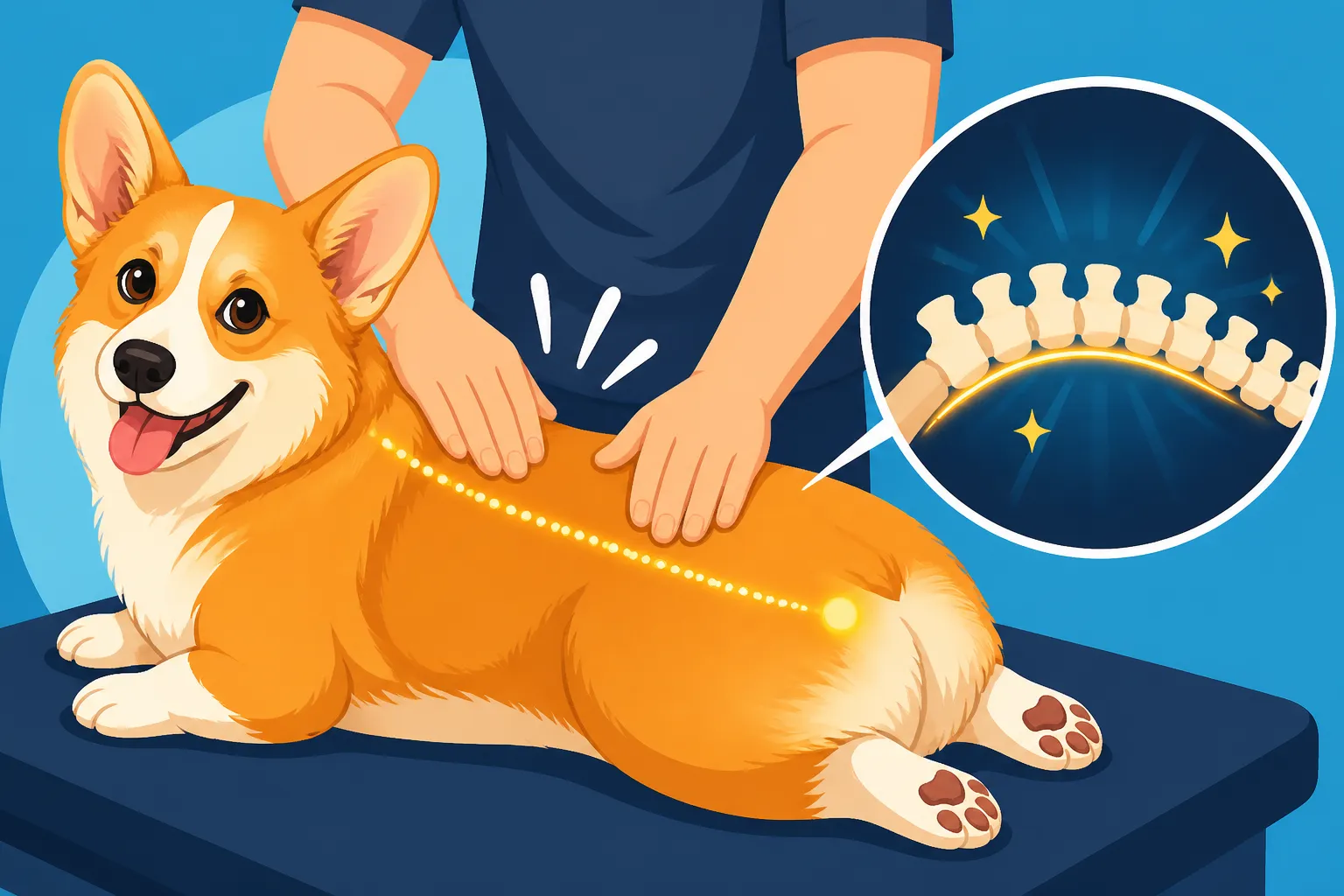
What Decompressing a Corgi Spine Runs
Finding out your beloved Corgi has a serious back problem, like a ruptured disc, can be terrifying, and the immediate concern often pivots to the question of treatment and, let's be honest, the cost. Spinal decompression surgery is a critical intervention for many Corgis experiencing severe neurological issues, but understanding the financial commitment involved can feel like navigating a maze. This guide aims to shed light on what decompressing a Corgi spine might entail in terms of expenses, helping you prepare for what could be a significant vet bill.
Understanding Corgi Spinal Decompression and Its Necessity
It’s a heart-wrenching moment when your vibrant, happy Corgi suddenly can’t use their back legs, or they cry out in pain when you try to lift them. This isn't just a simple pulled muscle; it's often a much more serious underlying issue with their unique long back. The very structure that makes them so endearing also makes them susceptible to debilitating spinal conditions, primarily Intervertebral Disc Disease (IVDD). When conservative treatments aren't enough, surgery becomes the critical next step.
The Core Problem: Intervertebral Disc Disease (IVDD)
Corgis, like Dachshunds and other chondrodystrophic breeds, are unfortunately predisposed to a condition called Intervertebral Disc Disease, or IVDD. This isn't just bad luck; it's a structural reality for these wonderful dogs. Their spinal discs, which act like shock absorbers between the vertebrae, can prematurely degenerate. Instead of remaining soft and jelly-like, they harden and can eventually rupture or bulge into the spinal canal. When this happens, it presses on the delicate spinal cord, causing immense pain, nerve damage, and potentially paralysis.
Imagine a small, compressed spring suddenly giving way inside a delicate tube – that's essentially what happens. The spinal cord, a vital highway for nerve signals, can’t function properly under this pressure. This can lead to a range of symptoms, from mild discomfort and reluctance to move, to severe weakness, loss of coordination, and complete paralysis of the hind limbs. You might notice your Corgi reluctant to climb stairs, or perhaps they start to show a Corgi that drags one back foot , indicating neurological compromise.
When Decompression Becomes Necessary
For many Corgis, especially those with their first disc episode, veterinarians might recommend a period of strict Crate Rest for a Corgi With a Bad Back along with anti-inflammatory medications. This "conservative management" aims to reduce swelling and allow the disc material to resorb or stabilize. However, this isn't always enough. When the neurological deficits are severe – think complete paralysis, loss of pain sensation in the hind legs, or rapidly worsening symptoms – waiting isn't an option.
In these urgent situations, spinal decompression surgery is often the best, and sometimes only, path to recovery. The goal of the surgery is quite literal: to decompress the spinal cord. This means carefully removing the ruptured disc material or bone fragments that are pressing on the nerves. It’s a specialized procedure that requires a skilled veterinary neurologist or surgeon, and it needs to happen quickly after the injury to maximize the chances of a successful outcome and restore your Corgi's quality of life. Understanding these emergency signs of a Corgi disc injury can literally save your Corgi's ability to walk.
Factors Influencing the Cost of Corgi Spinal Surgery
It's natural to feel overwhelmed when faced with a Corgi back emergency. Beyond the emotional toll, the financial burden can be daunting. The cost of spinal decompression surgery isn't a fixed price tag; it's a complex mosaic of various factors that can dramatically swing the final bill. From the initial diagnostic work to the ongoing rehabilitation, every step contributes to the overall expense.
Diagnostic Imaging and Specialist Consultation
Before any surgeon can even consider opening up your Corgi's back, they need to know exactly what they're dealing with and where the problem is located. This requires advanced diagnostic imaging, typically a magnetic resonance imaging (MRI) or computed tomography (CT) scan. These aren't your standard X-rays, which primarily show bone structure; MRI and CT scans provide detailed images of soft tissues like discs and the spinal cord, pinpointing the exact site of compression. An X-ray might show a Corgi's slipped disc from myelopathy but it won't be enough for precise surgical planning.
These specialized scans require general anesthesia for your Corgi to ensure they remain perfectly still, and the equipment itself is incredibly expensive to own and operate. You’ll also likely consult with a veterinary neurologist who specializes in spinal conditions. Their expertise in interpreting these complex images and determining the best course of action is invaluable, but it also comes at a professional fee. These initial diagnostic steps, while costly, are absolutely non-negotiable for a successful surgical outcome. Many pet insurance providers, such as Healthy Paws, understand the necessity of these diagnostics and offer coverage for them, but it’s crucial your policy is in place before an incident occurs.
Geographic Location and Clinic Type
Just like human healthcare, veterinary costs can vary significantly depending on where you live and the type of facility performing the surgery. A specialty veterinary hospital in a major metropolitan area, for instance, will generally have higher overheads – think rent, staff salaries, advanced equipment maintenance – compared to a smaller, rural practice. This inevitably translates to higher prices for specialized procedures like spinal decompression.
The type of clinic also plays a huge role. General veterinary practices typically don't have the in-house equipment or specialized staff (like board-certified neurologists or surgeons) required for complex spinal surgeries. You'll almost certainly be referred to a veterinary specialty center or an emergency veterinary hospital. These facilities offer state-of-the-art care, round-the-clock monitoring, and access to a team of specialists, all of which contribute to a higher cost. It's a premium service, but one that offers the best chance for your Corgi’s recovery.
Severity of Injury and Surgical Complexity
The degree of damage to your Corgi's spinal cord and the complexity of the surgery itself are huge drivers of cost. A simple, single disc herniation that's easily accessible will generally be less expensive to repair than multiple herniations, or a rupture that requires more intricate navigation around vital nerves. The longer the Corgi has gone without treatment, or the more severe the neurological deficits (e.g., complete paralysis versus just weakness), the more involved the surgery and post-operative care tend to be.
Sometimes, the issue isn't just disc material, but also calcified fragments or even vertebral instability that needs to be addressed during the same procedure. Each additional complication or extended surgical time adds to the overall cost, reflecting increased anesthesia, more surgical supplies, and the surgeon's time. This is where spinal surgery on a Corgi truly becomes a bespoke procedure, tailored to the individual dog's specific injury.
Breaking Down the Surgical Bill
When you receive the estimate for Corgi spinal decompression, it can feel like a dizzying list of line items. It's important to understand that the "surgery" itself is just one part of a comprehensive process. From the moment your Corgi is admitted to the days or even weeks of recovery, there are numerous services and medications that are absolutely essential to their successful treatment and healing.
Initial Assessment and Pre-Surgical Prep
Before your Corgi even enters the operating room, there's a significant amount of preparation involved. This includes a thorough physical and neurological exam by the surgical team to confirm the diagnosis and assess overall health. Blood work and other pre-anesthetic tests are crucial to ensure your Corgi is healthy enough for anesthesia and surgery, especially if they are an older Corgi or have other underlying health conditions.
They'll also need intravenous fluids, pain management medications administered before, during, and after the procedure, and potentially antibiotics. Your Corgi will be monitored closely by veterinary technicians, who are essentially their nurses throughout this critical period. These preparatory steps, while not part of the actual incision, are fundamental for minimizing risks during surgery and setting the stage for a smoother recovery. This phase alone can add a considerable sum to your total bill.
The Surgical Procedure Itself
This is what most people think of when they talk about the cost of "surgery." It encompasses the surgeon's fee, which reflects their specialized training, experience, and the intricate nature of spinal work. You're also paying for the use of the operating room, specialized surgical instruments, sterile drapes, sutures, and other consumable supplies. Anesthesia monitoring is another critical component, requiring a dedicated veterinary technician or anesthetist to continuously track your Corgi’s vital signs throughout the entire procedure.
The type of surgical approach (e.g., hemilaminectomy, ventral slot) will depend on the location and nature of the disc herniation, and each might have slightly different associated costs due to complexity and necessary equipment. For many Corgis, this procedure can take several hours, and every minute in the operating room, with a team of skilled professionals, contributes to the final price. Understanding what an MRI shows in a Corgi back directly informs the surgeon's approach and can influence the procedural costs.
Post-Operative Care and Rehabilitation
The work doesn't stop once the surgery is over. In fact, the post-operative period is just as crucial, if not more so, for your Corgi's long-term recovery. This includes several days of hospitalization where your Corgi will receive round-the-clock monitoring, pain management, anti-inflammatory medications, and possibly bladder expression if they temporarily lose bladder control. Preventing complications like infections or pressure sores is paramount.
After discharge, the rehabilitation journey begins. This can involve prescribed rest periods, specific exercises, and potentially physiotherapy for a Corgi losing its legs . Many Corgi owners invest in tools like slings, special harnesses, or even wheelchairs to aid mobility during recovery. While some supplies can be found at retailers like Chewy, professional rehab services, such as hydrotherapy or laser therapy, are often performed at specialized clinics and can incur ongoing costs over several weeks or months. Dietary management also becomes critical, with many vets recommending specific recovery or weight-management foods, which can be easily sourced from services like Ollie, to aid healing and prevent future issues. The duration and intensity of this post-op care directly influence the total expense.
Managing the Financial Impact of Corgi Spinal Decompression
Facing a bill for Corgi spinal decompression can feel overwhelming, especially when it comes unexpectedly. The good news is that while the costs are substantial, there are several avenues to explore to help manage the financial impact and ensure your beloved Corgi gets the care they need.
The Role of Pet Insurance
For many Corgi owners, pet insurance is an absolute lifesaver when a back emergency strikes. If you have a policy in place before your Corgi develops IVDD or any related spinal issues, it can significantly reduce your out-of-pocket expenses. Policies vary, but many will cover a large percentage of diagnostic tests, surgical fees, hospitalization, and even some rehabilitation costs. This is why having a plan from a provider like Healthy Paws in place early, ideally when your Corgi is a puppy, is so critical.
However, a huge caveat here is "pre-existing conditions." If your Corgi has any signs of back trouble before you enroll in an insurance plan, that condition will likely be excluded from coverage. This means the time to get insurance is now, not when you're already seeing a Corgi that cries when lifted under the chest . Carefully review policy details to understand deductibles, reimbursement percentages, and annual limits. Having insurance means you can focus on your Corgi's recovery rather than paying for a Corgi's ruptured disc entirely out of pocket.
Exploring Financial Aid and Payment Options
Even with insurance, or if you don't have it, there are still options to explore. Many veterinary specialty hospitals understand the financial strain these emergencies cause and offer various payment plans. These might allow you to pay the bill in installments over a set period, sometimes with interest, sometimes interest-free for a promotional period. Don't hesitate to ask the clinic's finance department about their options.
Beyond direct payment plans, there are specific credit services designed for veterinary care. These can offer deferred interest options if paid within a certain timeframe, effectively giving you a short-term, interest-free loan. Additionally, some charitable organizations and breed-specific rescues offer financial assistance programs for owners facing high veterinary bills. It's worth researching these local and national resources; a quick search for "Corgi IVDD financial aid" might turn up some surprising options.
Saving for Future Corgi Back Emergencies
Given the breed's predisposition to IVDD, proactive financial planning is incredibly wise for any Corgi parent. Think of it as saving ahead of a Corgi back emergency . Even if you have insurance, a dedicated emergency fund can cover deductibles, non-covered services, or unexpected post-operative needs. This fund could be a separate savings account specifically for your Corgi's health.
Consider budgeting for the potential long-term costs associated with owning a Corgi, not just the routine ones. This includes understanding the Corgi bills that come with a long back even without surgery, such as management of chronic pain or mobility aids as they age. Services like Ollie, which provide customized food portions, can also help maintain your Corgi's ideal weight, which is a key factor in preventing disc issues and potentially saving on future vet bills. A little planning now can alleviate a lot of stress and ensure your Corgi always receives the best care, no matter what surprises their adventurous spirit brings.
| Cost Component | Typical Services Included | Why It's Expensive |
|---|---|---|
| Diagnostics | Neurological exam, X-rays, MRI/CT scan, specialist consultation | Specialized equipment, expert interpretation, anesthesia |
| Pre-Surgical Prep | Blood work, IV fluids, pre-anesthetic meds, hospitalization, pain management | Intensive monitoring, necessary stabilization, preventative care |
| Surgical Procedure | Surgeon's fee, operating room use, anesthesia, surgical supplies, nursing care | Highly specialized skill, sterile environment, advanced equipment, extended time |
| Post-Operative Hospitalization | Round-the-clock monitoring, pain control, medications, bladder care, physical therapy | Continuous skilled nursing, specialized facilities, extended stay |
| Rehabilitation | Physiotherapy, hydrotherapy, laser therapy, acupuncture, mobility aids (e.g., slings) | Specialized equipment, trained therapists, ongoing sessions over weeks/months |
| Medications | Anti-inflammatories, muscle relaxers, nerve pain meds, antibiotics | Prescription costs, critical for pain management and healing |
Disclaimer
This article is for general informational purposes only and does not constitute professional advice. Laws, prices and regulations vary by location and change over time. Consult a qualified professional for guidance on your specific situation.