Whether Corgi Back Surgery Is Worth the Money
Few things strike fear into a Corgi owner's heart quite like the sudden cry of pain, the drag of a back leg, or the devastating realization that their spunky, low-riding companion might have a serious back injury. The next phrase you often hear from the vet, "spinal surgery," can feel like a punch to the gut, immediately followed by the terrifying question: Is Corgi back surgery worth the money, especially when costs can skyrocket? This guide is here to walk you through the complex considerations – financial, emotional, and practical – so you can make an informed decision for your beloved Corgi without feeling completely overwhelmed.
Understanding the Cost of Corgi Back Surgery
When your Corgi suddenly can't use its back legs, or is showing severe pain, the first thing on your mind is getting them help. But as the vet talks through options, the financial implications can quickly become overwhelming. It’s not just a single bill; it’s a cascade of expenses, each necessary for the best possible outcome.
Initial Diagnostic Fees
Before any surgery can even be considered, your veterinarian needs to understand exactly what’s going on inside your Corgi's spine. This isn't a simple X-ray job, as soft tissues like intervertebral discs don't show up clearly on standard radiographs. This means specialized imaging is often required.
The first step is usually a consultation with a veterinary neurologist or a highly experienced general practitioner, who will perform a thorough neurological exam. They'll assess your Corgi's reflexes, pain response, and proprioception (awareness of paw position) to pinpoint the general area of the injury. Then comes the more advanced diagnostics. A spinal MRI (Magnetic Resonance Imaging) or CT (Computed Tomography) scan is typically necessary to get a clear picture of the problem. These scans are critical for precisely locating the ruptured disc, assessing the degree of spinal cord compression, and ruling out other conditions that might mimic disc disease, such as a spinal tumor or, terrifyingly, Degenerative Myelopathy and the Corgi. These highly specialized imaging procedures require general anesthesia, which adds another layer of cost and risk, but they are absolutely non-negotiable for accurate diagnosis and surgical planning. Without this precise information, surgery would be a shot in the dark, and no ethical surgeon would proceed.
If your Corgi's back goes out in the middle of the night or on a weekend, you're likely headed to an emergency veterinary clinic. Emergency care comes with its own premium fees. These clinics are staffed 24/7 with specialists and equipped for immediate, critical care, and their rates reflect that specialized availability. The initial emergency exam fee alone can be significant, before even considering diagnostics. Add in the cost of initial pain management and stabilization, and you're looking at a substantial bill before a firm diagnosis or treatment plan is even in place. Owners often find themselves facing thousands of dollars in diagnostic fees alone, which can be a huge shock if they haven't prepared for the possibility of a Corgi That Goes Down at Two in the Morning.
The Surgery Itself
Once a diagnosis is confirmed and surgery is deemed the best course of action, the actual surgical procedure comes with its own set of significant costs. This isn't just one person with a scalpel; it's an entire team, specialized equipment, and intensive post-operative care.
The surgical fees encompass the time and expertise of the veterinary surgeon, who is often a board-certified specialist in neurology or orthopedics. It also includes the cost of the anesthesia, which is carefully monitored by a dedicated veterinary technician or anesthesiologist throughout the entire procedure. The operating room itself, with its sterile environment and specialized instruments, also contributes to the overall cost. Procedures like a hemilaminectomy, which involves removing part of the vertebra to relieve pressure on the spinal cord, are delicate and complex, demanding immense skill and precision. These are not simple operations, and the pricing reflects the advanced nature of the veterinary medicine involved.
Following surgery, your Corgi will require a hospital stay for intensive post-operative monitoring and care. This is a crucial period where they are closely watched for complications, pain levels are managed, and initial recovery is overseen by veterinary staff. Depending on the severity of the injury and the individual Corgi's recovery, this stay could range from a few days to a week or more. During this time, they'll receive round-the-clock nursing care, intravenous fluids, and ongoing pain medication. The longer the stay, the higher the cost. Furthermore, various medications will be prescribed both pre- and post-operation. This includes antibiotics to prevent infection, strong pain relievers to keep your Corgi comfortable during recovery, and often muscle relaxants. These prescriptions, while essential for healing and comfort, add to the growing financial tally.
Post-Operative Rehabilitation
The journey doesn't end when your Corgi comes home from the hospital. In fact, for many, the intensive rehabilitation phase is just beginning and is absolutely critical for a successful outcome. Neglecting rehab can severely compromise the long-term effectiveness of the surgery.
Physical therapy, often including hydrotherapy (underwater treadmill), is a cornerstone of post-surgical recovery for disc injuries. These sessions are designed to rebuild muscle mass, improve proprioception, restore range of motion, and help your Corgi regain strength and coordination in their back legs. A qualified veterinary rehabilitation therapist will create a tailored program that progresses with your Corgi's healing. These sessions are typically scheduled multiple times a week initially, gradually decreasing in frequency as your Corgi improves. Each session has a cost, and a full course of rehabilitation can run for several weeks or even months, becoming a significant part of the overall expense. Many owners find Hydrotherapy for a Corgi Recovering From Surgery to be incredibly beneficial, but it's a commitment in both time and money.
Throughout the recovery period, your Corgi will likely continue on a regimen of oral medications. This might include tapering off pain medication, anti-inflammatory drugs, or nerve pain medications for an extended period. These ongoing prescriptions are necessary to manage discomfort, reduce inflammation, and support nerve healing. Beyond medications, you might need to invest in various mobility aids to assist your Corgi during their recovery, and possibly long-term. This could include supportive slings for helping them walk, specialized harnesses that don't put pressure on the spine, or even a dog wheelchair (cart) if nerve damage is extensive or recovery is incomplete. Products from Chewy, for example, offer a wide range of these supportive items, from orthopedic beds to ramps, which are essential for creating a safe and comfortable environment.
Weighing the Financial and Emotional Investment
Deciding whether Corgi back surgery is "worth the money" is rarely a purely financial calculation. For most of us, our Corgis are family members, and their well-being is priceless. However, real-world financial constraints exist, making this one of the toughest decisions an owner can face.
The "Worth It" Factor Beyond Money
Beyond the literal dollar amount, the concept of "worth" often boils down to your Corgi's quality of life and your own emotional capacity. The primary goal of spinal surgery is to alleviate pain and restore as much neurological function as possible, ultimately aiming to get your Corgi back to enjoying life. For a Corgi, whose joy often comes from trotting around, herding imaginary sheep, or just being a lively companion, regaining mobility can mean the world. If successful, surgery can give your Corgi years of comfortable, active life that might otherwise be cut short or severely limited by chronic pain and paralysis.
Your emotional investment in your Corgi plays an immense role in this decision. The deep bond you share, the memories you've made, and the sheer love you have for them often override purely economic considerations. For many, the thought of not giving their beloved pet every chance at a full recovery is unbearable. This commitment to their well-being is a powerful motivator. You’ll find yourself balancing the financial strain with the desire to do everything you can for your furry family member. Understanding The Months Between a Corgi's First Stumble and a Cart can help prepare you emotionally for the urgency and demands of this condition.
It’s crucial to have a frank discussion with your veterinary neurologist about the prognosis and success rates for your Corgi's specific injury. Not all disc ruptures are created equal, and factors like the severity of the spinal cord compression, the duration of paralysis, and the presence of deep pain sensation all impact the likelihood of a successful outcome. While surgery often has high success rates for restoring function if performed promptly, particularly if deep pain is still present, it's not a guarantee. There's always a possibility of partial recovery, or in some rare cases, no recovery at all. Knowing these odds, and understanding what "success" might look like – whether it's walking again, managing with a cart, or simply being pain-free – helps you frame your definition of "worth it."
The Role of Pet Insurance and Savings
Facing an emergency Corgi back surgery bill can be staggering, sometimes reaching into the tens of thousands of dollars. This is where pet insurance can truly be a lifesaver, though its effectiveness depends heavily on when you enrolled your Corgi.
Pet insurance works much like human health insurance, covering a portion of unexpected veterinary costs after deductibles and co-pays are met. Companies like Healthy Paws are well-regarded for their coverage of accidents and illnesses, including intervertebral disc disease (IVDD) which is often the cause of Corgi back issues. However, a critical caveat for Corgis is that any spinal issue present before you enroll or during the waiting period will be considered a pre-existing condition and will not be covered. This is why many experienced Corgi owners strongly advocate for Insuring a Corgi Before Its First Back Episode. If your Corgi has been insured since puppyhood or before any signs of back trouble emerged, a significant portion of those scary diagnostic, surgical, and rehabilitation costs could be covered, making the decision to proceed with surgery much less financially daunting.
For those without pet insurance, self-funded approaches become paramount. An emergency savings fund specifically earmarked for pet care is an incredibly wise investment for any Corgi owner, given their predisposition to back problems. If such a fund isn't available, veterinarians often work with owners to explore payment plans or third-party medical credit options. While these can help spread the financial burden, they still represent a significant commitment. Beyond the immediate surgery, consider the long-term financial picture: ongoing rehabilitation, maintenance medications, special equipment, and potential follow-up visits or even recurrence. A Corgi that has had one disc rupture has a higher risk of another, emphasizing the importance of preventative measures and continued financial planning. Understanding The Corgi Bills That Come With a Long Back can help you visualize these ongoing costs.
Alternative and Conservative Management Costs
Surgery isn't the only option for a Corgi with a disc issue, especially for less severe cases. Conservative management can be a viable alternative, though it also comes with its own costs, both financial and in terms of owner commitment.
The cornerstone of conservative management for disc issues is strict crate rest. This means absolutely no running, jumping, stairs, or even excessive walking for an extended period, often six to eight weeks. Your Corgi will essentially live in a crate or small, confined space, only leaving for short, leashed potty breaks. While this option avoids surgical fees, it demands immense dedication from the owner. You'll need a comfortable, appropriately sized crate, possibly some puzzle toys to keep your Corgi mentally stimulated, and endless patience. The cost here isn't monetary in the same way, but it's a huge investment of your time and emotional energy. It also requires careful monitoring for any worsening of symptoms, which would necessitate immediate veterinary re-evaluation. For more on this, check out Crate Rest for a Corgi With a Bad Back.
Medication-only protocols are often combined with crate rest. These typically involve a cocktail of anti-inflammatory drugs (like NSAIDs), muscle relaxers, and strong pain medications. These prescriptions are crucial for reducing inflammation, managing pain, and allowing the disc to heal. While generally less expensive than surgery, these medications still add up, especially over several weeks. Moreover, long-term use of certain medications can sometimes have side effects, requiring regular veterinary check-ups and blood work to monitor organ function, which also incurs costs.
Some owners also explore adjunctive treatments as part of conservative management or to complement surgery. Acupuncture and therapeutic laser therapy are increasingly popular options for pain relief and promoting healing in disc patients. Acupuncture involves inserting fine needles into specific points on the body to stimulate nerve function and reduce pain. Laser therapy uses specific wavelengths of light to reduce inflammation and accelerate tissue repair. While these therapies can be highly beneficial, they are typically offered in multiple sessions, each with its own fee. These are often not covered by basic pet insurance plans and can add hundreds to thousands of dollars to the total cost, depending on the number of sessions required.
Navigating the Recovery Journey
Making the decision for Corgi back surgery is just the first hurdle. The actual recovery journey is a marathon, not a sprint, and it requires significant commitment, careful management, and a deep understanding of what to expect.
The Demands of Post-Surgical Care
Bringing your Corgi home after spinal surgery means stepping into the role of a diligent nurse and physical therapist. The demands on you during this period are substantial, requiring time, patience, and unwavering attention to detail.
Confined rest is just as critical after surgery as it is for conservative management, often lasting for several weeks or even a couple of months. Your Corgi must be restricted from all high-impact activities. This means no jumping on or off furniture, no running in the yard, and limited, leashed potty breaks. Imagine trying to keep a Corgi, a breed known for its boundless energy and playful nips, calm and confined for weeks! This period is mentally challenging for both you and your dog. You’ll need to manage their boredom and frustration with appropriate, low-energy mental stimulation, perhaps with lick mats or snuffle mats filled with a portion of their daily kibble. You might also consider seeking advice on Keeping a Crated Corgi Sane.
Beyond confinement, daily physical therapy at home is essential. Your vet or rehabilitation therapist will provide you with specific exercises: gentle range of motion movements for their joints, assisted standing exercises, and short, controlled walks. These exercises help prevent muscle atrophy, improve nerve regeneration, and build strength. Consistency is key, and it requires your active participation several times a day. You'll also need to monitor their incision site daily for any signs of infection, swelling, or excessive discharge. Watching for subtle signs of pain or any regression in their neurological function is also crucial, requiring immediate communication with your vet if you notice anything concerning.
Keeping your Corgi clean and comfortable during this recovery period can also be a challenge, especially if they are experiencing any incontinence due to nerve damage. You may need special pads, absorbent blankets, or even doggy diapers. Companies like Chewy offer a wide range of incontinence supplies to help manage these situations. Keeping their hindquarters clean is vital to prevent skin infections and maintain their comfort. The combination of confined rest, active physical therapy, and meticulous monitoring for complications truly highlights the intensive nature of post-surgical care.
Potential Long-Term Outcomes
The hope after Corgi back surgery is always for a full recovery, but it's important to understand the spectrum of potential long-term outcomes. While many Corgis bounce back remarkably well, others may face ongoing challenges.
A full recovery means your Corgi regains complete or near-complete neurological function, can walk, run, and jump (within reason, with modifications), and lives a pain-free life. This is often the case for Corgis who receive prompt surgical intervention and rigorous rehabilitation, especially those who still had deep pain sensation before surgery. Owners are often overjoyed to see their Corgi wagging its tail, chasing squirrels again, even if they've made some necessary lifestyle adjustments like using ramps. For more on successful outcomes, you can read about Recovery Rates After Corgi Disc Surgery.
However, some Corgis may achieve only a partial recovery. This means they might regain the ability to walk, but perhaps with a noticeable wobble, some weakness in their hindquarters, or a persistent scuffing of their nails. In these cases, adaptations become essential for maintaining their quality of life. This could involve continued physical therapy, regular use of supportive harnesses, or even a custom-fitted dog wheelchair for longer outings or to preserve energy. While not ideal, a partially recovered Corgi can still lead a happy, fulfilling life with dedicated owner support and environmental modifications.
In some unfortunate instances, despite surgery and rehabilitation, a Corgi may not regain sufficient mobility. This is particularly heartbreaking and is often due to severe, irreversible spinal cord damage. In such situations, owners face difficult decisions regarding continued care, quality of life, and potentially, end-of-life considerations. The focus shifts to pain management, comfort, and providing the best possible existence for a Corgi who may have lost the ability to walk. This could involve extensive use of mobility aids like carts, daily assistance with urination and defecation, and a strong commitment to prevent pressure sores. It's a reminder that while surgery offers the best chance, it's not a magic bullet, and the possibility of a less-than-ideal outcome must be part of the "worth it" calculation. You might want to explore articles like Mobility Aids for a Corgi That Cannot Walk or Nursing a Corgi That Has Lost Its Back Legs for guidance.
Preventing Future Incidents
Even after a successful surgery and recovery, preventing future back incidents becomes a lifelong commitment for Corgi owners. These dogs are predisposed to disc disease, and one episode often increases the risk of another.
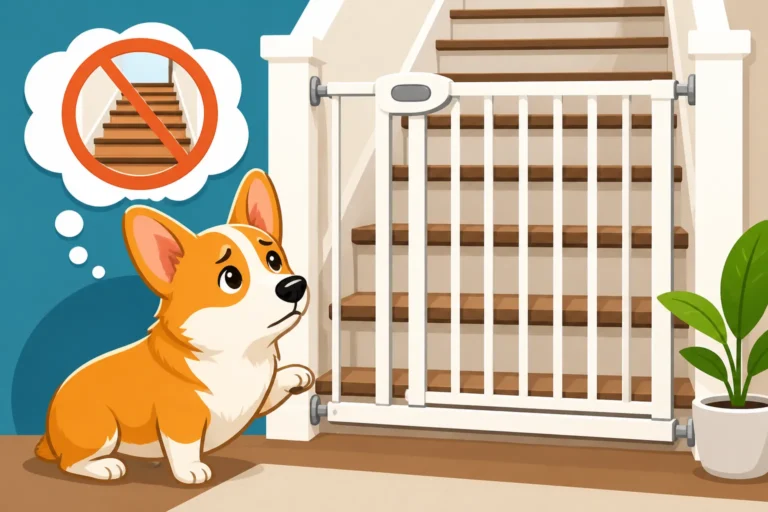
Environmental modifications are paramount. This means making your home Corgi-proof to protect their vulnerable backs. Ramps are your new best friend – for accessing sofas, beds, and even cars. Eliminating opportunities for jumping down from heights, which puts immense strain on their spine, is crucial. If you have stairs, consider using baby gates to prevent unsupervised access, or commit to carrying your Corgi up and down. Smooth, slippery floors can also be a hazard, so adding non-slip rugs or runners, especially in high-traffic areas, can significantly reduce the risk of slips and falls. Many Corgi owners swear by Ramps and Steps That Save a Corgi's Back as essential investments.
Weight management is perhaps one of the most critical preventative measures for a Corgi with a history of back problems, or really, any Corgi. Every extra pound puts additional stress on their long spine and short legs. Maintaining a lean, healthy body condition score is vital. This means precise portion control, often weighing their food, and choosing high-quality, appropriate kibble or fresh food. Brands like Ollie provide fresh, human-grade food that can be customized to your Corgi's exact caloric needs, making weight management much easier. Regular, controlled exercise is also important for maintaining muscle tone, but it must be low-impact – think leash walks, not frantic fetch sessions or agility jumps. You can find more information on What Extra Weight Does to a Corgi Spine and The Body Condition Score a Corgi Should Hold.
Finally, lifestyle adjustments become a permanent part of Corgi ownership. This includes being mindful of how you lift your Corgi, supporting their entire body rather than just scooping them up under the chest. Discourage rough play, especially with larger dogs, that could involve twisting or impact. Even something as seemingly innocent as sitting up and begging can put strain on their spine and should be avoided. Regular veterinary check-ups, especially as your Corgi ages, are essential to monitor their spinal health and catch any subtle changes early. Your veterinarian can also advise on appropriate supplements for joint health, although their efficacy for disc prevention is still widely debated.
Corgi Back Surgery: Conservative vs. Surgical Approach
When faced with a Corgi disc injury, the two main paths are conservative management or surgical intervention. Each has its own set of considerations, costs, and recovery profiles. Here’s a comparative look to help frame your decision.
| Feature | Conservative Management (e.g., Crate Rest & Meds) | Surgical Intervention (e.g., Hemilaminectomy) |
|---|---|---|
| Initial Cost Range | Lower (Hundreds to a few thousand for meds, diagnostics, vet visits) | Higher (Many thousands, potentially tens of thousands for diagnostics, surgery, initial hospital stay) |
| Severity of Injury | Mild to moderate disc bulges, minimal neurological deficits, no loss of deep pain | Severe disc extrusions, significant spinal cord compression, paralysis, loss of deep pain |
| Recovery Time | 4-8 weeks strict crate rest, gradual return to activity over months | 1-2 weeks hospital stay, 6-8 weeks strict confined rest, months of rehab |
| Success Rate | Good for mild cases (60-80%), less effective for severe cases; higher recurrence | Good to excellent for severe cases (80-95% for walking dogs, lower if no deep pain) |
| Owner Demands | High (strict confinement, medication admin, mental stimulation, careful monitoring) | Very High (post-op care, wound management, intensive rehab, mobility assistance) |
| Pain Management | Oral medications, potentially acupuncture/laser therapy | Intensive IV pain meds post-op, then oral meds, often adjunctive therapies |
| Risk of Recurrence | Higher if underlying issues aren't managed; less stable long-term | Present, but often lower than conservative for same site; still risk at other sites |
| Long-Term Outlook | Potentially good for mild cases; continued monitoring for worsening or recurrence | Often excellent for restoring function; requires ongoing preventative measures |
This table illustrates that while conservative management appears less expensive upfront, it carries different risks and demands. Surgery, while a significant financial outlay, often offers the best chance for a full and stable recovery in more severe cases. The critical thing is to discuss your Corgi's specific situation with your vet and a veterinary neurologist to determine which path offers the greatest chance of a positive outcome. Remember, Paying for a Corgi's Ruptured Disc is a major consideration, but the goal is always your Corgi's well-being.
Disclaimer
This article is for general informational purposes only and does not constitute professional advice. Laws, prices and regulations vary by location and change over time. Consult a qualified professional for guidance on your specific situation.