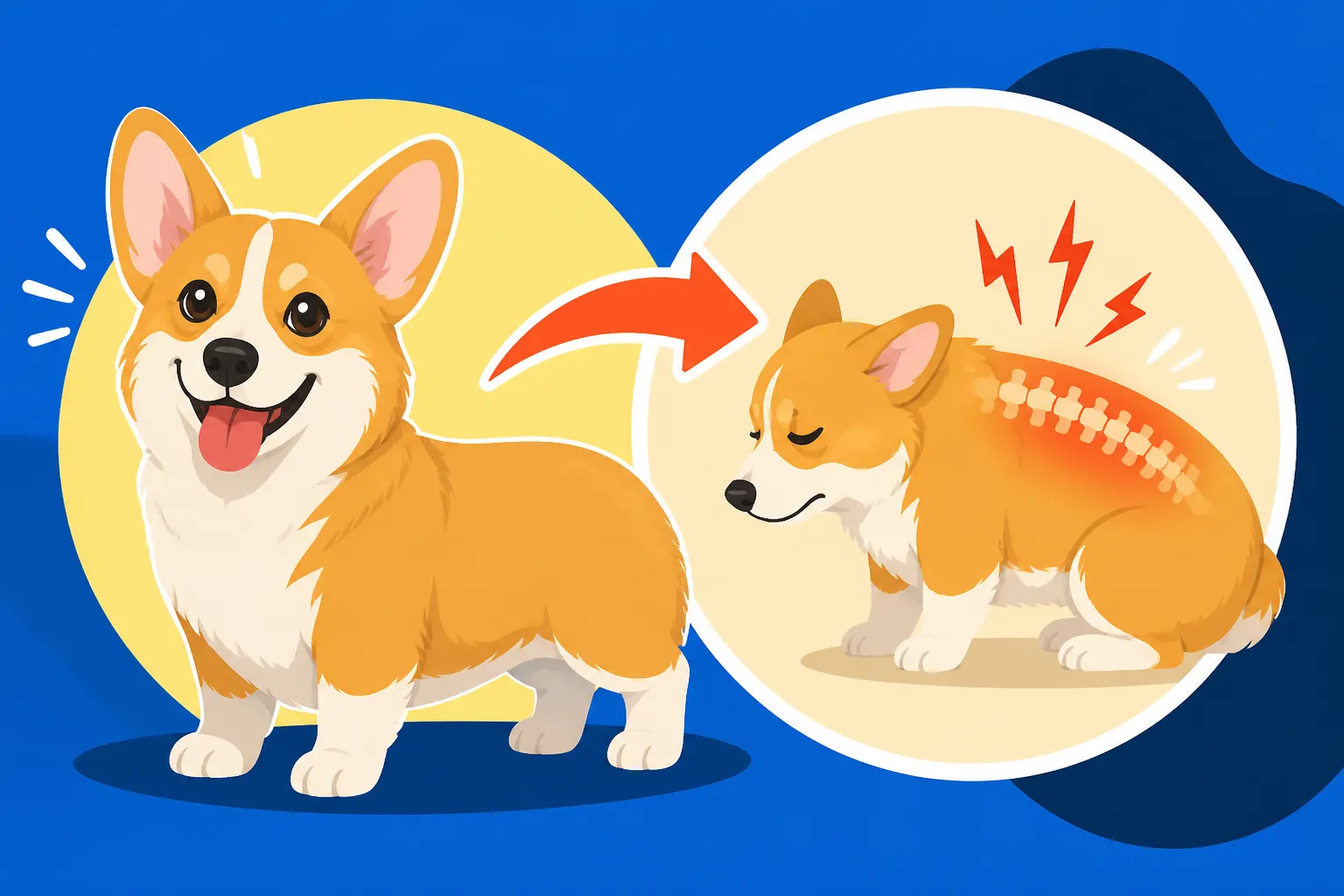
Why a Corgi Back Episode Becomes Pre-Existing
It’s a heartbreaking scenario many Corgi owners unfortunately face: your beloved, low-riding companion suddenly shows signs of back pain, a wobble, or even partial paralysis. You rush to the vet, get a diagnosis, and then, amidst the worry, you remember pet insurance. Only to find out that because symptoms appeared before your policy’s waiting period, or even before you had a policy, your Corgi's back episode is now considered a "pre-existing condition," leaving you to shoulder massive veterinary bills alone. This guide aims to shed light on why Corgi back issues so often fall into this dreaded category and what you can do to navigate these challenges.
Understanding "Pre-Existing Conditions" in Pet Insurance
The term "pre-existing condition" is perhaps one of the most frustrating phrases a pet owner can hear, especially when dealing with a health crisis. It’s designed to protect insurance companies from covering ailments that were already present or showing signs before a policy officially began. However, for a breed as prone to certain issues as the Corgi, it can feel like a cruel twist of fate.
What Constitutes a Pre-Existing Condition?
A pre-existing condition, in the eyes of pet insurance providers, is generally any illness, injury, or symptom that your pet showed before your policy's effective date or before the end of its specific waiting periods. This isn't just about a formal diagnosis; it can be as subtle as a limp, a slight change in gait, or even a vague report in your pet's medical records about stiffness that might later be linked to a serious condition. Insurers often categorize these into "curable" and "incurable" pre-existing conditions. For example, a one-time ear infection might be considered curable and potentially covered after a certain waiting period and if it doesn't recur. However, chronic conditions like allergies, arthritis, or, critically, spinal issues in Corgis, are typically deemed incurable.
This means if your Corgi shows even a tiny hint of back trouble – maybe a slight hesitation jumping, or a yelp when picked up – and you don't have pet insurance already in place with its waiting periods satisfied, any future treatment for that back issue will likely be denied. It’s not just about the moment of official diagnosis; it’s about the first manifestation of symptoms. Many pet insurance companies, including popular ones like Healthy Paws, review your pet's past vet records thoroughly when you file a claim, specifically looking for any indication of the condition before your coverage started. This is why securing pet insurance for your Corgi should be one of the very first things you do after bringing them home, ideally before any health concerns arise.
The Importance of the Initial Vet Visit
When you enroll your Corgi in a pet insurance plan, one of the first things you'll usually be advised to do is take them for a full veterinary examination. This initial check-up, often called a "wellness exam" or "physical examination," is critical for several reasons, especially concerning pre-existing conditions. It creates a baseline health record for your pet. Any conditions noted during this exam, or shortly thereafter before waiting periods are over, will almost certainly be flagged as pre-existing if they later require treatment.
For a Corgi, whose breed is genetically predisposed to certain spinal issues, this initial vet visit takes on even greater significance. If the vet observes even minor stiffness, a slightly abnormal gait, or any other subtle sign that could later be interpreted as an early indicator of IVDD or other back problems, that observation will be recorded. Should your Corgi then develop a full-blown back episode later, the insurance company will refer to that initial record. It's not uncommon for insurers to require a full medical history from your veterinarian, sometimes going back a year or more, to assess claims. This makes the timing of your policy purchase, relative to your Corgi's health history, absolutely paramount. An ounce of prevention, in this case, meaning early insurance enrollment, truly is worth a pound of cure.
The Unique Vulnerability of the Corgi Spine
Corgis, whether Pembroke Welsh or Cardigan Welsh, are undeniably adorable with their short legs and long bodies. But this charming physical characteristic is precisely what makes their spines so susceptible to problems. It's a double-edged sword: the very trait that makes them unique also poses significant health risks. Understanding Why a Corgi's Back Is Built the Way It Is helps owners realize these aren't just random occurrences.
Intervertebral Disc Disease (IVDD) in Corgis
Intervertebral Disc Disease, or IVDD, is a degenerative condition that affects the spinal discs, acting as cushions between the vertebrae. In Corgis, a breed classified as chondrodystrophic, these discs are prone to premature degeneration. Essentially, the discs harden and can either bulge or rupture, pressing on the spinal cord. This pressure can range from mild discomfort and pain to complete paralysis. It's a progressive disease, meaning it often worsens over time, and a single "episode" can be just one manifestation of an ongoing underlying issue.
When a Corgi experiences a disc episode, it's not usually an isolated incident. The genetic predisposition means the discs have been weakening over time, even if no outward symptoms were visible. This underlying vulnerability makes it extremely difficult to argue with an insurance company that a "new" back problem is entirely unrelated to previous subtle signs or the breed's known propensity. The reality is, if a Corgi's back goes out, it's almost always a manifestation of IVDD. And because IVDD is a chronic, degenerative condition, once it's noted in medical records, any subsequent issues related to the spine are almost invariably linked back to that initial diagnosis or even earlier symptoms. This is What Chondrodystrophy Means for a Corgi and why it's such a critical factor in their health and insurance coverage.
How Corgi Anatomy Contributes to Risk
The distinctive long body and short legs of a Corgi are a direct result of chondrodystrophy, a form of dwarfism. While endearing, this genetic trait means their spinal discs are inherently different from those of non-chondrodystrophic breeds. These discs are less resilient and more prone to calcification and herniation. Imagine a spring that's designed to compress and expand but instead, it's brittle and prone to snapping. That's a simplified way to think about a Corgi's discs.
This unique anatomy puts significant mechanical stress on their spines during everyday movements. Jumping off furniture, running up and down stairs, or even just twisting awkwardly can put immense strain on these vulnerable discs. Because of this inherent anatomical predisposition, any back issue that arises in a Corgi is often viewed by insurers as a direct consequence of their breed-specific biology. They're not "unlucky"; they're predisposed. This makes the argument for a "new" and "unrelated" back problem very challenging, especially if you haven't had continuous coverage since puppyhood. The costs associated with treating a Corgi's long back can be considerable, making insurance a crucial consideration from day one. Many vets and specialists, like those found through resources on Chewy's website, emphasize early preventative care and proactive measures to protect these sensitive spines.
The Timeline of a Corgi Back Episode and Insurance Coverage
Understanding the sequence of events, from the first subtle sign of discomfort to a full-blown diagnosis, is crucial when it comes to pet insurance and its view on pre-existing conditions. Many owners are caught off guard by how quickly a seemingly minor issue can become a major, uninsured expense.
From First Symptom to Diagnosis
A Corgi's back episode rarely begins with a sudden, dramatic paralysis out of nowhere. More often, there are subtle, easily missed signs that precede a crisis. Your Corgi might hesitate before jumping onto the sofa, start scuffing their back nails, or seem a little less enthusiastic about walks. They might cry out when lifted, or become reluctant to climb stairs. These can be The First Signs of DM in a Corgi or, more commonly, early indicators of IVDD. These seemingly minor observations, if noted in your vet's records, can establish a "history" of back problems in the eyes of an insurance company, even before a formal diagnosis of IVDD is made.
If you don't have pet insurance already active and past its waiting periods when these initial symptoms appear, you're entering risky territory. For example, most pet insurance policies have a 14-day accident waiting period and a 30-day or longer illness waiting period. If your Corgi shows a slight limp on day 10, and then by day 35, they suffer a full disc herniation, the insurance company might argue that the initial limp was a symptom of the underlying disc issue, making the subsequent diagnosis a pre-existing condition that occurred within the waiting period. It's a tightrope walk that often feels unfair to owners who are simply trying to get help for their pets. The financial burden can be immense, as Paying for a Corgi's Ruptured Disc can involve everything from emergency vet visits to specialist consultations and potentially expensive surgeries.
Waiting Periods and Policy Activation
Every pet insurance policy comes with waiting periods – a specific amount of time that must pass after you purchase the policy before certain conditions become eligible for coverage. These periods vary by insurer and by the type of condition. For instance, accident waiting periods might be as short as 2-3 days, while illness waiting periods are typically 14-30 days. Crucially, many policies have extended waiting periods for orthopedic conditions, which would include most Corgi back problems, sometimes as long as 6 months or even a year.
This is where many Corgi owners find themselves in a bind. You get your new Corgi, you're excited, and pet insurance might not be the first thing on your mind. You wait a few months, and then you notice your Corgi seems a bit stiff. You enroll in a policy, thinking you're being proactive. But if your Corgi then experiences a major back episode within the orthopedic waiting period, or if the vet records show symptoms before enrollment, that condition will be excluded. It's a critical difference between "insuring a Corgi before its first back episode" and trying to get coverage once signs have already started. The ideal scenario is to enroll your Corgi in a comprehensive policy as a young puppy, ensuring that by the time they reach the age when back problems typically manifest (often between 4 and 7 years old), all waiting periods are long past, and no symptoms were noted.
| Condition Type | Typical Waiting Period | Impact on Corgi Back Issues |
|---|---|---|
| Accidents | 2-14 days | May cover sudden trauma, but if trauma exacerbates pre-existing IVDD, coverage may be denied. |
| Illnesses | 14-30 days | Covers illnesses not present before enrollment/waiting period. IVDD often falls here if symptoms appeared prior. |
| Orthopedic/Ligament Issues | 6 months – 1 year | Many insurers have specific, longer waiting periods for conditions like IVDD, hip dysplasia, luxating patella. This is often the critical category for Corgis. |
This table highlights why early enrollment and understanding your specific policy's terms are non-negotiable for Corgi owners.
Navigating Insurance Options After a Back Episode
It's a tough pill to swallow: once your Corgi has had a back episode that's documented in their veterinary history, securing insurance coverage for future back issues becomes incredibly difficult, if not impossible, with most standard pet insurance providers. This often leaves owners feeling stranded and overwhelmed.
The Challenges of Insuring an At-Risk Corgi
Once a Corgi's back issue is on record as a pre-existing condition, most conventional pet insurance policies will explicitly exclude it from future coverage. This means that if your Corgi experiences a second, third, or even a different type of spinal problem, you'll be paying out of pocket for all diagnostics, treatments, medications, and rehabilitation costs related to that specific condition. This can quickly lead to bills running into thousands of dollars, considering the typical costs of things like MRIs, surgery, and Hydrotherapy Session Prices for a Corgi.
Some owners might consider switching insurance providers, hoping for a fresh start. However, new insurers will almost always request your Corgi's full veterinary history. Any mention of back pain, stiffness, or an IVDD diagnosis will be flagged. There are very few, if any, pet insurance companies that will cover a condition that has already been diagnosed or for which symptoms have already manifested. This includes major providers; for instance, if you’ve had a claim denied by one company, another is unlikely to pick up the tab for the same issue. It's a frustrating reality, but it underscores the importance of proactive enrollment before any health problems arise. Unfortunately, for an at-risk Corgi, the window for comprehensive back coverage often closes once that first symptom is noted.
Alternative Strategies for Managing Costs
Given the challenges, what can you do if your Corgi already has a pre-existing back condition? All is not lost, but it requires a shift in strategy. First, while core back issues might be excluded, insurance can still cover other conditions that are not related. For example, if your Corgi develops a sudden illness like an ear infection, stomach upset, or even a broken leg unrelated to the spine, a new policy might still provide coverage for those new, unforeseen issues. It's about protecting against future new problems, even if the primary concern is off the table. Many online pet supply retailers, like Chewy, also offer prescription diets or supplements that can help manage weight, which indirectly supports spinal health, even if it's not a direct insurance reimbursement.
Beyond traditional insurance, establishing a dedicated "Corgi Back Fund" is a highly recommended strategy. This involves setting aside a specific amount of money each month into a separate savings account, explicitly for potential future veterinary expenses related to your Corgi's back. Treat it like an insurance premium, but you're paying yourself. This fund can cover everything from prescription medications like anti-inflammatories to physiotherapy and even emergency surgery if needed. Another approach is to explore payment plans with your veterinarian or specialized veterinary hospitals, many of which understand the financial strain of chronic conditions. Additionally, consider veterinary discount plans or programs like Scratchpay or CareCredit, which offer financing options for vet bills. While these aren't insurance, they can help make large unexpected costs more manageable. Lastly, don't overlook prevention: ensuring your Corgi maintains a healthy weight, providing ramps to prevent jumping, and engaging in gentle, consistent exercise can all contribute to spinal health and potentially reduce the frequency and severity of episodes.
Proactive Steps to Protect Your Corgi and Your Wallet
While the thought of pre-existing conditions can be daunting, there's a lot you can do as a responsible Corgi owner to mitigate risks and be financially prepared. It's a blend of thoughtful planning, responsible care, and understanding your breed's specific needs.
Early Health Screening and Responsible Breeding
The journey to a healthy Corgi often begins even before they come home. Responsible breeders are the first line of defense against many inherited conditions, including those that affect the spine. They should be transparent about the health history of their breeding dogs, conducting relevant genetic health screenings. For Corgis, this includes DNA tests for Degenerative Myelopathy (DM), a neurological condition that affects the spinal cord and can present with similar symptoms to IVDD. While DM is distinct from IVDD, a reputable breeder should still screen for it to ensure the overall health of their lines. The DNA Tests a Corgi Breeder Should Run often include tests for DM (SOD1 gene mutation), von Willebrand's Disease (a bleeding disorder), and Progressive Retinal Atrophy (an eye condition).
While there isn't a direct genetic test for IVDD itself, breeders can screen for other orthopedic issues like hip and elbow dysplasia, which can indirectly impact spinal health and gait. Asking for official certifications from organizations like the Orthopedic Foundation for Animals (OFA) is a good starting point. Furthermore, choose a breeder who prioritizes overall soundness and health, rather than just aesthetics. A Corgi with proper conformation and a strong, well-muscled back can be less prone to injury. Starting with a puppy from health-tested parents significantly reduces your Corgi's genetic predisposition to a host of problems, giving them the best possible start and potentially saving you from future heartbreak and massive vet bills.
Lifestyle Management and Prevention
Even with a healthy genetic background, a Corgi's daily life plays a huge role in spinal health. One of the most critical aspects is weight management. An overweight Corgi puts excessive strain on its long back, significantly increasing the risk of disc issues. Feed your Corgi a high-quality, measured diet, using precise portions to maintain an ideal body condition score. Brands like Ollie offer fresh, pre-portioned meals that can help with weight management under veterinary guidance. Regularly check your Corgi's weight and consult your vet if you notice any creeping pounds.
Beyond diet, modifying your home environment is crucial. Corgis should generally avoid jumping on and off furniture or climbing stairs frequently. Providing ramps and steps specifically designed for dogs can drastically reduce the impact on their spines. You can find many effective options that your Corgi will actually use, like those available through Chewy. Similarly, avoid activities that involve high-impact jumps, twists, or sharp turns, which can aggravate disc issues. Short, frequent walks on a harness (never a collar that pulls on the neck and spine) are preferable to long, strenuous runs. Regular, gentle exercise helps maintain muscle tone around the spine, providing natural support. It's also vital to learn Picking a Corgi Up Without Hurting It – always support their chest and hindquarters evenly to avoid twisting their back. These seemingly small changes in daily routine can have a monumental impact on your Corgi's spinal health and overall longevity, potentially preventing those dreaded "pre-existing conditions" from ever manifesting.
Disclaimer
The information provided in this article is for general informational purposes only and does not constitute veterinary advice. Always consult with a qualified veterinarian for any health concerns or before making any decisions about your pet's health or treatment plan. Pet insurance policies vary widely; always read your specific policy documents carefully to understand coverage, exclusions, and waiting periods.