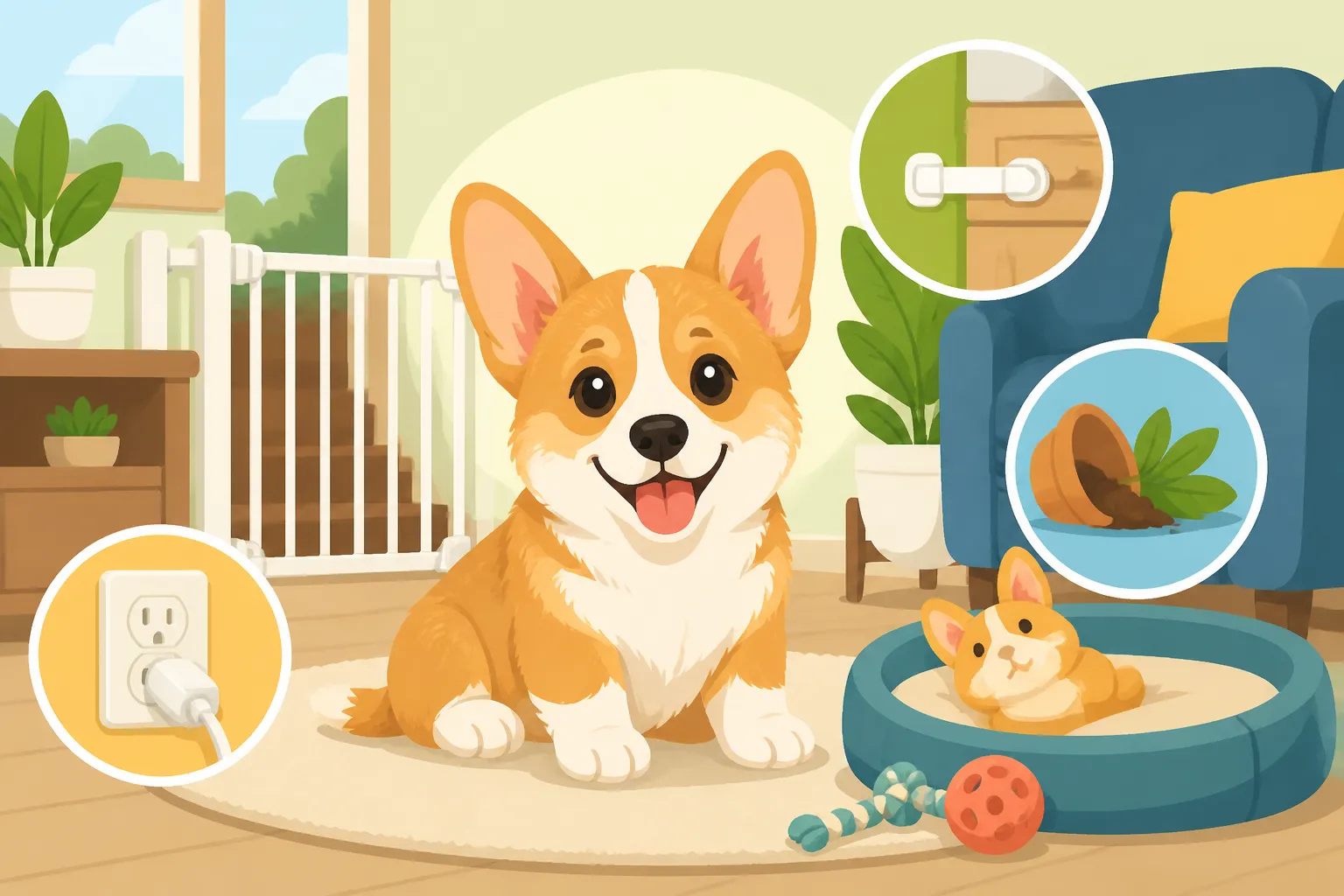
Setting a House Up for a Corgi Puppy
Bringing a new Corgi puppy home is an incredibly exciting time, but it can also feel a bit overwhelming. You're not just adding a furry friend; you're welcoming a mischievous, intelligent, and sturdy little herder with specific needs, especially when it comes to their long back and boundless energy. Many new owners feel lost trying to figure out how to set up their home to be both fun and safe for these unique dogs. This guide is here to walk you through transforming your living space into the perfect Corgi-friendly sanctuary, ensuring their health, happiness, and well-being from day one.
Creating a Safe and Accessible Environment
Your Corgi puppy might be small, but they're incredibly agile and curious. Their low-slung bodies and powerful legs, while endearing, also mean they're prone to certain health challenges, particularly those affecting their spine. Setting up your home with their unique physique in mind is the first and most critical step to prevent accidents and promote a long, healthy life.
Securing the Home for Tiny Explorers
Before your little bundle of fluff even sets a paw inside, it's vital to "Corgi-proof" your home, much like you would for a human toddler. These pups are notoriously low to the ground, giving them access to tempting dangers you might not even notice. Think about everything from electrical cords to household cleaners, and even certain plants.
Start by getting down on their level. Crawl around your house and see what hazards are within reach. Dangling electrical cords are often too irresistible for curious puppy mouths, posing a serious electrocution risk. Secure them with cord covers or tape them firmly to baseboards. Any toxic substances, from cleaning products under the sink to medications on low shelves, need to be moved to higher, securely latched cabinets. Remember, Corgis are clever; a simple child-proof lock might be enough to deter them from exploring where they shouldn't, but always prioritize out-of-reach storage. Common houseplants like lilies, sago palms, and even aloe vera can be highly toxic to dogs, so identify and remove any dangerous foliage from your puppy's accessible areas.
Beyond just removing dangers, consider their chewing habits. Corgis are known for their strong jaws and love to chew, especially during teething. Invest in plenty of appropriate chew toys to redirect this natural behavior away from your furniture legs, shoes, or anything else you value. Rotate these toys regularly to keep them interesting, and consider types like KONGs filled with peanut butter or specific dental chews to satisfy their urge to gnaw safely.
Navigating Heights and Hard Surfaces
One of the biggest concerns for Corgi owners is their predisposition to back problems, especially intervertebral disc disease (IVDD), which can be exacerbated by jumping and slipping. Their long backs and short legs make them look adorable, but also vulnerable. Thinking proactively about how they'll move through your home is crucial.
Stairs are a major culprit for Corgi back injuries. While a young, energetic puppy might bound up and down them with seemingly endless glee, each jump puts strain on their delicate spine. The best practice is to block off stair access entirely with baby gates or by teaching your Corgi to wait to be carried. For couches and beds, which are often irresistible perches, ramps or pet stairs are an absolute must. Even a small leap off a sofa can cause a devastating disc rupture. You’ll want to look for ramps with a gentle incline and a non-slip surface to ensure your puppy feels secure using them. Training your Corgi to use these ramps from a young age is essential, and consistency is key. You can find many excellent options for ramps and steps that save a Corgi's back from online retailers like Chewy.
Slippery floors are another hidden danger. Hardwood, tile, or laminate floors can make it difficult for Corgis to get proper traction, leading to slips, falls, and potential injuries to their back and joints. Consider placing non-slip rugs or runners in high-traffic areas where your Corgi will play or walk. Yoga mats can also be a temporary solution under feeding stations or play zones. For long-term solutions, some owners even opt for paw pads or non-slip socks for their dogs, though these require consistent monitoring to ensure comfort and cleanliness. Making these small adjustments can significantly reduce the risk of injury and give your Corgi the confidence to move freely and safely within their home.
Designated Safe Spaces
Even the most well-behaved Corgi puppy needs a private, secure retreat, especially when you can't supervise them directly. A crate or a designated puppy pen isn't just a place to keep them contained; it’s their den, a safe haven where they can relax and feel secure.
Crate training is an invaluable tool for Corgi puppies, aiding in house-training and providing a safe space during travel or when you need to step out. Choose a crate that’s appropriately sized – large enough for them to stand up, turn around, and lie down comfortably, but not so large that they can designate a potty corner away from their sleeping area. Wire crates with dividers are excellent as they can expand as your puppy grows. Make it inviting with a soft bed, a favorite blanket, and a safe chew toy. Never use the crate as punishment; it should always be associated with positive experiences. For an in-depth understanding of using crates, you might find our article on crate rest for a Corgi with a bad back helpful, as the principles of creating a safe, comfortable enclosure are similar.
In addition to a crate, a puppy pen (also known as an exercise pen or X-pen) can provide a larger, supervised play area, especially useful when you need to contain your Corgi but still want them to have room to move. Set up a pen in a high-traffic area of your home so your puppy still feels like part of the family. Include water, a comfortable bed, and toys. This allows them to stretch their legs and play safely without having full run of the house and potentially getting into trouble or injuring themselves. These designated spaces are fundamental for both your puppy's safety and your peace of mind, fostering independence while providing a sense of security.
Essential Supplies for Your Corgi Puppy
Once the environment is safe, the next step is gathering all the necessary gear to meet your Corgi puppy's daily needs. From mealtime to grooming, having the right supplies on hand will make their transition smoother and your life as a new Corgi parent much easier.
Feeding and Hydration Stations
Proper nutrition is paramount for a growing Corgi puppy, especially given their potential for weight gain and its impact on their backs. A well-thought-out feeding station is more than just bowls; it's about promoting healthy eating habits and preventing future issues.
Start with good quality bowls. Stainless steel bowls are often recommended by veterinarians because they are durable, easy to clean, and less likely to harbor bacteria than plastic. For Corgis, who can be enthusiastic eaters, a slow-feeder bowl can be a game-changer. These bowls have raised ridges or obstacles that force your puppy to eat more slowly, preventing them from gulping down their food too quickly. Rapid eating can lead to indigestion, gas, and in some cases, a dangerous condition called bloat, although less common in Corgis than deeper-chested breeds. Slow feeders also make mealtime a bit more of a mental puzzle, engaging their intelligent minds. For water, always provide fresh, clean water in a separate bowl. Some owners opt for a raised feeding station as their Corgi grows, which can be more comfortable for their long backs, but always ensure the height is appropriate and doesn't cause strain.
When it comes to the food itself, choosing a high-quality puppy formula appropriate for your Corgi's age and expected adult size is critical. Look for brands with real meat as the first ingredient and avoid excessive fillers. While an adorable round Corgi puppy might seem cute, it's actually detrimental to their spinal health to allow them to become overweight, even as a pup. Discuss feeding guidelines and portion control with your veterinarian, aiming for a lean body condition. Some owners also explore options from brands like Ollie, which offer fresh, customized meal plans designed for optimal health. Remember, feeding a Corgi puppy without letting it round out is a crucial aspect of preventing future health issues, so precise portion control and a balanced diet are key.
Comfort and Grooming Essentials
Corgis are known for their luxurious double coats and their love for a good nap. Providing them with comfortable sleeping arrangements and the right grooming tools is essential for their physical comfort and maintaining coat health.
A comfortable bed is non-negotiable for a Corgi. Their long backs benefit greatly from orthopedic beds that provide excellent support, cushioning their joints and spine. Look for beds with supportive foam that doesn't flatten over time. Placing several beds around the house – in their crate, in your living room, and perhaps in your bedroom – gives them options for napping wherever they feel most secure and connected to the family. Make sure the bed covers are removable and washable, as puppies, inevitably, have accidents. Consider durability too; a Corgi puppy might try to "nest" by digging at their bed, so sturdy materials are a plus.
Grooming a Corgi is a year-round commitment due to their dense double coat. This breed sheds, and they shed a lot. You'll need an arsenal of brushes, including a slicker brush, a de-shedding tool (like a Furminator, used sparingly), and an undercoat rake. The undercoat rake is particularly effective for getting deep into their dense fur and removing loose undercoat, which is vital for preventing matting and keeping them comfortable, especially during seasonal sheds. Our guide on the rake and comb a Corgi coat actually needs provides more detail. Regular brushing, several times a week, is far better than infrequent, intense sessions. You'll also need a puppy-friendly shampoo and conditioner for occasional baths, and a high-velocity dryer (often used by professional groomers) can be a godsend for thoroughly drying their thick coat to prevent skin issues.
| Category | Essential Item | Why It's Needed for a Corgi |
|---|---|---|
| Safety | Puppy Gates | Block stairs, define safe zones |
| Ramps/Pet Stairs | Protect spine from jumping | |
| Cord Covers | Prevent chewing electrical wires | |
| Secure Cabinets | Store toxins out of reach | |
| Feeding | Stainless Steel Bowls | Hygienic, durable |
| Slow Feeder Bowl | Prevents fast eating, bloat, indigestion | |
| High-Quality Puppy Food | Supports growth, prevents obesity | |
| Measuring Cup | Ensures proper portion control | |
| Comfort | Orthopedic Dog Bed | Supports long spine, joints |
| Soft Blankets | Nesting, security | |
| Crate (appropriate size) | Safe den, aids house-training | |
| Puppy Play Pen | Supervised, larger containment | |
| Grooming | Undercoat Rake | Manages shedding, prevents mats |
| Slicker Brush | General brushing, removes loose hair | |
| De-shedding Tool | For heavy shedding periods | |
| Puppy Shampoo/Conditioner | Gentle bathing | |
| Nail Clippers/Grinder | Maintains paw health, prevents gait issues | |
| Training | Martingale/Harness | Safe walking, prevents pulling (consider whether a Corgi should wear a harness not a collar) |
| 6-foot Leash | Training, walks | |
| High-Value Treats | Positive reinforcement | |
| Puzzle Toys | Mental stimulation, prevents boredom | |
| Chew Toys | Redirects chewing, aids teething | |
| Potty Pads | Aids house-training |
Playtime and Mental Stimulation
Corgis are intelligent, energetic dogs, and if their minds and bodies aren't properly engaged, they can become bored and destructive. Providing a variety of appropriate toys and activities is crucial for their development and happiness.
You'll quickly learn that Corgis love to work, even if that "work" is just solving a puzzle for a treat. Invest in a range of toys: durable chew toys that can withstand their strong jaws, soft plush toys for comfort, and interactive puzzle toys that challenge their minds. Puzzle toys are especially valuable because they make your Corgi think to get a reward, which can tire them out mentally much faster than physical exercise alone. Brands like KONG offer fantastic options that can be stuffed with treats or peanut butter, keeping your pup happily occupied for extended periods. Rotating toys regularly keeps them novel and interesting, preventing your Corgi from getting bored with the same old things. This also ensures they have appropriate outlets for their natural chewing instincts, saving your shoes and furniture from becoming targets. For more ideas on engaging toys, check out our piece on toys that occupy a Corgi.
Beyond just toys, think about how you can integrate mental stimulation into their daily routine. Obedience training sessions, even short ones, are excellent for this. Teaching new tricks, practicing commands in different environments, and even playing simple games like "find the treat" around the house will engage their brains. Remember that Corgis were bred to herd, and while your puppy might not be chasing cattle, that instinct is still very much alive. Providing outlets for this instinct, such as rolling a herding ball in a secure yard, can be incredibly satisfying for them and prevent them from attempting to "herd" your family members. A mentally stimulated Corgi is a happy, well-behaved Corgi, making your home a more harmonious place for everyone.
Managing Energy and Training Needs
Bringing a Corgi puppy into your home means preparing for their vibrant personality and inherent herding instincts. These dogs are intelligent, sometimes stubborn, and always ready for action. Establishing clear boundaries and consistent training from the outset is vital for a well-adjusted companion.
Potty Training and Outdoor Access
Potty training is often one of the first and most pressing training challenges for new puppy owners. Corgis are intelligent and generally eager to please, but consistency and patience are key. Setting up an effective potty routine from day one will save you a lot of headaches (and floor cleaning!).
Start by establishing a consistent potty schedule. Puppies need to go out frequently – after waking up, after eating, after playing, and before bed. Take your Corgi puppy to the same designated potty spot in your yard every time, and reward them immediately with praise and a high-value treat when they go. Avoid scolding them for accidents inside; instead, clean them thoroughly with an enzymatic cleaner to eliminate odors that might encourage them to go in the same spot again. For those times you can't get them outside quickly enough, puppy pads can be a useful tool, especially in a puppy pen or enclosed space. You can gradually move the pad closer to the door as they learn. For a comprehensive guide on managing indoor and outdoor training, consider reading our article on toilet training a Corgi puppy indoors and out.
Beyond potty training, getting your Corgi puppy accustomed to a leash and collar (or harness) is essential for their safety and for enjoying walks together. Start by letting them wear a lightweight collar or harness for short periods inside, associating it with positive experiences like mealtime or play. Once they're comfortable, introduce the leash for brief walks around the house or yard. For Corgis, a harness is often recommended over a collar, especially when they're young or if they tend to pull, as it distributes pressure more evenly and protects their neck and throat from strain. A martingale collar can also be a good option for walks, preventing them from slipping out if they try to back out of it. Finding the right gear and making it a positive experience sets the stage for many happy walks and outdoor adventures with your Corgi.
Preventing Nipping and Herding Instincts
Corgis, by nature, are herding dogs, and that comes with some unique behaviors, most notably the "heel nip." While adorable as puppies, it's crucial to address this instinct early to prevent it from becoming a problem.
The Corgi's herding heritage means they are wired to 'nip' at the heels of livestock to move them along. This translates into playful (but sometimes painful) nips at human ankles, especially those of children or people who are moving quickly. It's not aggression; it's instinct. When your puppy nips, immediately redirect their attention to an appropriate chew toy. If they persist, a firm "no" or a short time-out in their crate can help them understand that nipping people stops the fun. Consistency from everyone in the household is vital. You can learn more about this behavior and how to manage it in our post on the cattle-driving nip a Corgi still has. The goal isn't to punish the instinct, but to channel it into acceptable behaviors.
Another aspect of their herding nature is their tendency to "boss" other pets or even family members. Corgis are confident and often think they're in charge. Early and consistent positive reinforcement training is key to teaching them appropriate social behaviors. Enroll in puppy classes to expose them to various dogs and people in a controlled environment. Focus on teaching good manners, such as "leave it," "stay," and a solid "recall." These commands not only keep them safe but also help establish you as the benevolent leader, which a Corgi respects. Remember, they are smart and can learn quickly, but they will also test boundaries, so patience and a sense of humor are essential.
Exercise and Mental Engagement
Corgis are often underestimated in their exercise needs due to their short legs, but they are energetic dogs that require daily physical and mental stimulation. Proper exercise is crucial not only for their physical health but also for managing their weight, which directly impacts their spinal health.
While Corgis aren't endurance runners, they thrive on regular, moderate exercise. Two brisk 20-30 minute walks a day, combined with some playtime in a secure yard, is generally a good starting point for a puppy. However, always be mindful of their developing joints and back; avoid excessive jumping, long-distance running on hard surfaces, or repetitive stair climbing, particularly with young puppies whose growth plates are still fusing. Instead, focus on games of fetch on soft grass, structured walks where they can sniff and explore (which is mentally stimulating), and controlled playtime with other well-socialized dogs. Remember that a tired Corgi is a good Corgi, both physically and mentally.
Beyond physical activity, mental exercise is just as important, if not more so, for this intelligent breed. Corgis love to learn and solve problems. Incorporate puzzle toys into their daily routine, practice new tricks, or engage in scent work games around the house or yard. Even short bursts of training throughout the day can be highly effective in tiring out their brains. Consider enrolling in puppy kindergarten and eventually more advanced obedience or even intro to agility classes (with careful consideration for their back, focusing on low jumps and safe obstacles). These activities not only provide an outlet for their energy but also strengthen the bond between you and your Corgi, fostering a happy, well-rounded companion.
Health and Wellness Preparations
Bringing a Corgi puppy home means taking on the responsibility for their long-term health. While they are generally a robust breed, Corgis do have some breed-specific predispositions, particularly concerning their backs. Being prepared for these possibilities is an act of love and responsible pet ownership.
First Vet Visits and Vaccinations
One of the first things you'll do after bringing your Corgi puppy home is schedule a visit to your veterinarian. This initial check-up is incredibly important for establishing their health baseline and starting them on a crucial vaccination schedule.
Your puppy will likely receive a series of vaccinations over their first few months, protecting them from common and potentially deadly diseases like distemper, parvovirus, adenovirus, and rabies. Your vet will also discuss parasite prevention, recommending deworming and flea/tick medications. This first visit is also your opportunity to ask any questions you have about feeding, training, and general Corgi care. It's a great time to ensure your puppy's growth is on track and that they are developing appropriately. The vet will perform a thorough physical exam, checking their heart, lungs, eyes, ears, and overall condition. For more detailed information, our guide on the vet visits a Corgi puppy needs first offers a great overview of what to expect during these early appointments.
Establishing a good relationship with a local veterinarian is invaluable. They will become your primary resource for all your Corgi's health needs, from routine check-ups to emergency care. Don't hesitate to seek out a vet practice that has experience with Corgis and understands their unique breed characteristics and potential health concerns, such as IVDD. A knowledgeable vet can provide tailored advice on diet, exercise, and preventative care strategies specific to your Corgi, helping you navigate their puppyhood and beyond with confidence.
Considering Pet Insurance Early
While we all hope for a perfectly healthy life for our pets, the reality is that vet bills can become substantial, especially for breeds with known predispositions like Corgis. Investing in pet insurance early can provide immense peace of mind and financial security.
Corgis are known for their susceptibility to intervertebral disc disease (IVDD), a condition that can result in significant veterinary costs, including diagnostics like MRIs, potential surgery, and extensive rehabilitation. These costs can easily run into thousands of dollars. The unfortunate truth is that once a condition like IVDD has manifested, it often becomes a "pre-existing condition," which most insurance policies will not cover. This is why getting pet insurance when your Corgi is a young, healthy puppy is so critical. A policy like those offered by Healthy Paws can help cover unexpected accidents and illnesses, giving you the freedom to choose the best treatment options without financial stress. For a deeper dive into this topic, you can read our article on insuring a Corgi before its first back episode.
When choosing a pet insurance plan, compare different providers and policy options. Look for plans that cover hereditary and chronic conditions, emergency care, and specialist referrals. Understand the deductible, reimbursement percentage, and annual limits. While monthly premiums might seem like an extra expense, they are a small price to pay compared to a sudden, multi-thousand-dollar vet bill. Pet insurance is an investment in your Corgi's long-term health and your financial preparedness, ensuring you can always provide them with the care they need without hesitation.
Grooming Routine Considerations
Beyond basic brushing, there are other essential grooming routines that every Corgi owner should establish early to ensure their puppy's health and comfort. These include nail care, ear cleaning, and dental hygiene.
Corgis' nails grow continuously, and if left untrimmed, they can become too long, causing discomfort, affecting their gait, and potentially leading to painful foot problems. When a Corgi's nails click on the floor, they are too long. Start nail trims early in puppyhood, making it a positive experience with treats and praise. You can use traditional clippers or a dremel tool, depending on what you and your Corgi prefer. If you're unsure how to trim them safely, ask your vet or a professional groomer for a demonstration. Regular nail care helps maintain proper foot structure and prevents strain on their joints and back.
Corgis have upright ears, which generally means they have good airflow and are less prone to ear infections than floppy-eared breeds. However, they still require occasional checks and cleaning. Inspect their ears weekly for redness, discharge, or any unusual odor. If necessary, clean them gently with a vet-approved ear cleaner and cotton balls (never cotton swabs, which can push debris further into the ear canal). Finally, don't forget dental hygiene. Corgis are prone to dental disease, which can lead to pain, infection, and other health issues. Introduce toothbrushing early with a dog-specific toothbrush and toothpaste. Aim for several times a week, or at least invest in dental chews or water additives recommended by your vet. Establishing these routines early will make them a normal part of your Corgi's life and contribute significantly to their overall health.
Integrating Your Corgi into Family Life
Welcoming a Corgi puppy into your family is about more than just physical preparations; it's about setting the stage for a well-adjusted, happy member of your household. This involves thoughtful introductions, consistent routines, and preparing them for the world beyond your home.
Introducing Your Corgi to Other Pets and Children
If your home already includes other pets or young children, careful introductions are paramount to ensure a harmonious environment for everyone. Corgis are generally good-natured, but their herding instincts and sometimes assertive personalities require thoughtful management.
When introducing your Corgi puppy to existing dogs, do so on neutral territory if possible, or in a controlled, calm environment within your home. Keep both dogs on leashes initially, allowing them to sniff each other politely. Supervise all interactions closely, looking for signs of stress or aggression, and separate them if needed. Providing each dog with their own space, food bowls, and toys can help prevent resource guarding. Patience is key; it can take time for dogs to adjust to a new pack member. Similarly, if you have cats, supervise introductions carefully. Corgis might try to "herd" cats, which most felines won't appreciate. Ensure your cat has escape routes and high perches where they can retreat if they feel overwhelmed. Positive reinforcement when they are calmly interacting will go a long way.
For families with children, especially young ones, teaching both the Corgi puppy and the children how to interact safely is crucial. Corgis are low to the ground, putting them at eye-level with toddlers, which can sometimes lead to nipping at running feet. Teach children to be gentle, to respect the puppy's space (especially when eating or sleeping), and not to tease or bother the puppy. Supervise all interactions, especially in the beginning, and never leave a young child and a puppy unsupervised. Training your Corgi puppy bite inhibition is essential. Remember, the goal is to foster a relationship of mutual respect and safety.
Establishing Routines and Boundaries
Dogs, especially puppies, thrive on routine and consistency. Establishing predictable schedules for feeding, potty breaks, playtime, and sleep will help your Corgi puppy feel secure, understand expectations, and adjust quickly to their new home.
Create a daily schedule and stick to it as much as possible. This means feeding them at the same times each day, taking them out for potty breaks regularly (and frequently!), and having consistent times for walks and play. A predictable routine helps with house-training by allowing you to anticipate their needs, and it reduces anxiety by giving them a clear understanding of their day. Corgis are smart and will quickly pick up on patterns, using this knowledge to their advantage. Consistent routines also extend to training. Short, frequent training sessions are more effective than long, infrequent ones for a Corgi puppy, helping them build focus and learn new commands without getting bored or overwhelmed.
Setting clear boundaries from the beginning is just as important as routines. Decide what your Corgi puppy is and isn't allowed to do, and be consistent with these rules. For example, if you don't want them on the furniture as an adult, don't allow it as a puppy. If you don't want them begging at the dinner table, never give them scraps. Every member of the family needs to be on the same page and enforce the rules consistently. Corgis are clever and will quickly learn who they can get away with things with! Consistency might feel rigid at first, but it lays the groundwork for a well-behaved adult Corgi who understands their place in the family hierarchy, making for a much happier household in the long run.
Preparing for Travel and Outings
Even with the best home setup, your Corgi puppy will eventually need to venture out into the world. Preparing them for travel and different environments from a young age is part of comprehensive socialization and ensures they become confident, well-adjusted companions.
Car travel can be a source of stress or excitement for puppies, depending on their early experiences. Introduce your Corgi puppy to the car gradually. Start with short, positive experiences, like sitting in the parked car with you, offering treats and praise. Once they're comfortable, take short drives to fun destinations, like a local park or a friend's house. Always ensure they are safely secured in the car, either in a crash-tested crate or with a safety harness and seatbelt attachment. This isn't just for their safety in case of an accident, but also prevents them from becoming a distraction to the driver. Never let a Corgi ride in the front seat, especially if airbags are present. For longer trips, plan for frequent potty breaks and bring water and familiar comfort items.
Beyond car rides, exposing your Corgi puppy to a variety of sights, sounds, people, and other friendly dogs is crucial for their socialization. Take them on walks in different neighborhoods, visit pet-friendly stores, or attend puppy playdates. Positive exposure during their critical socialization period (roughly up to 16 weeks of age) helps them develop into confident adults who aren't easily startled or fearful. Always ensure these experiences are positive and not overwhelming. A Corgi who is well-socialized and comfortable in various environments will be a much more enjoyable companion, whether you're just running errands or embarking on a grand adventure together.
Disclaimer
The information provided in this article is for general informational purposes only and does not constitute veterinary advice. Always consult with a qualified veterinarian for any health concerns or before making any decisions about your Corgi's care, diet, or treatment.