Feeding a Corgi Puppy Without Letting It Round Out
It’s easy to look at a Corgi puppy, all fluff and wiggle, and think that a little extra roundness just makes them even more adorable. We’ve all been there, tempted to give an extra scoop or one more treat. But for these wonderful, long-backed dogs, that "chubby" puppy stage can actually pave the way for serious health issues down the road. This guide will walk you through the crucial steps of feeding your Corgi puppy correctly, ensuring they grow into a healthy adult without the burden of excess weight on their unique physique.
The Allure and Danger of a "Chubby" Corgi Puppy
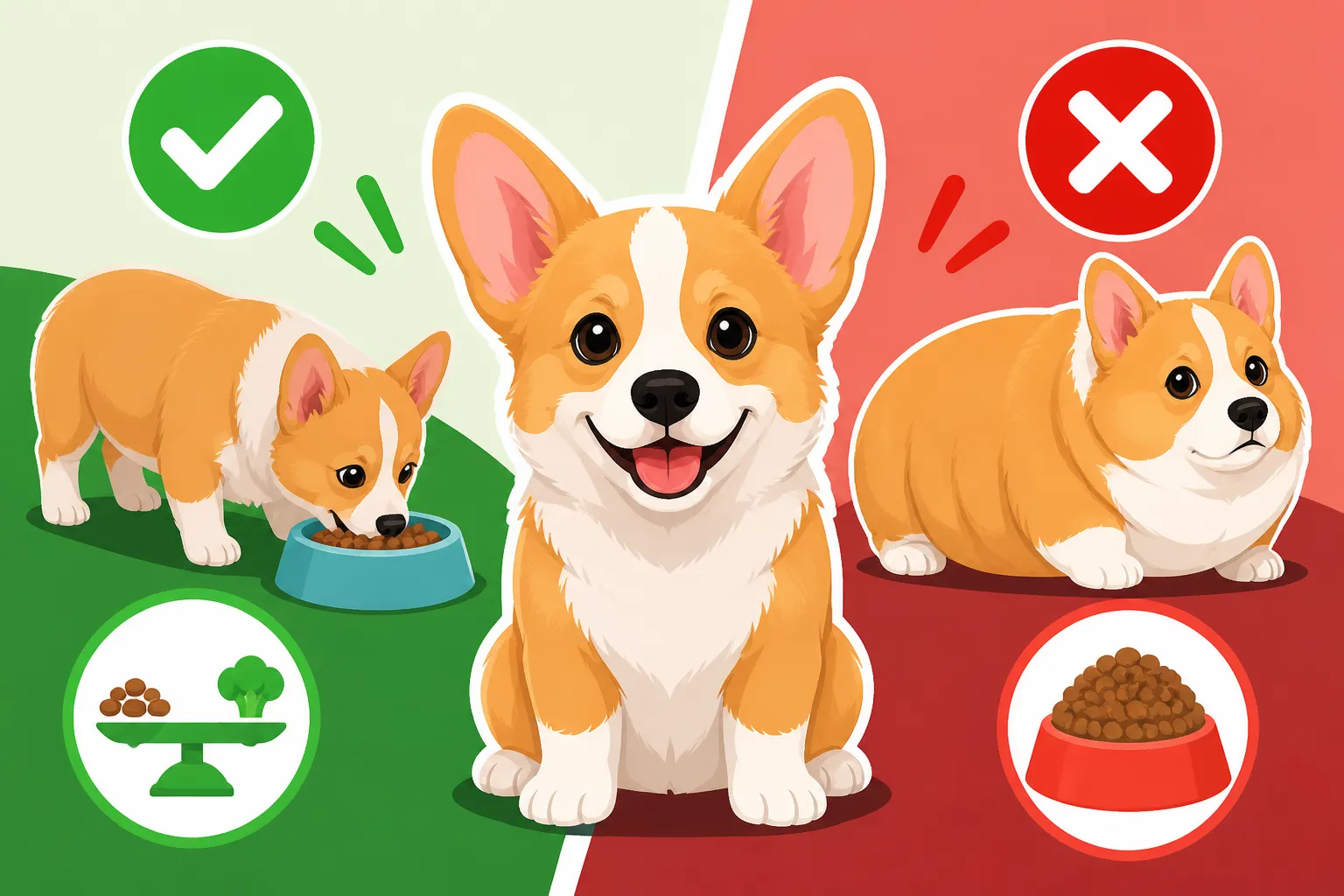
Let's be honest, who can resist a Corgi puppy? Their short legs, fluffy bottoms, and perpetually smiling faces are simply captivating. And when they’re a little on the plump side, they often look even more endearing, like a tiny, furry loaf of bread. It's a common misconception that a chubby puppy is a healthy puppy, especially for breeds like Corgis where a solid build is part of their charm. Many owners mistakenly believe that carrying a bit of puppy fat will somehow make them stronger, or that they'll "grow into it." It's an understandable sentiment, born from love and a desire to see our pups thrive, but for Corgis, it's a path fraught with risk. The image of a roly-poly Corgi puppy, while undeniably cute, often masks an underlying issue that can snowball into significant problems as they age. We want our puppies to feel loved and satisfied, and often, our way of expressing that is through food.
However, this extra puppy weight isn't benign. What seems like harmless pudginess in a young Corgi can lay the groundwork for a lifetime of orthopedic and metabolic challenges. Their bodies, particularly their long backs and short legs, are simply not designed to carry unnecessary bulk, even in puppyhood. Imagine a building designed with a specific weight tolerance; adding extra load from the foundation up will inevitably stress the structure. A Corgi's skeletal system, particularly its developing spine and joints, is under immense pressure from any additional weight. It's not just about aesthetics; it's about the very mechanics of their unique body type. Understanding this early on is crucial for setting your Corgi up for a long, healthy, and active life, free from preventable pain and discomfort.
Why We Love a Round Corgi Puppy (and Why It's Risky)
That irresistible Corgi wiggle often looks even cuter when there's a bit more padding behind it, making them feel soft and cuddly. We see those adorable videos online of "chonky" Corgis and it's easy to fall into the trap of thinking it's normal or even desirable. Breeders sometimes even send puppies home a little on the heavier side, believing it signifies good health, or perhaps simply because they free-feed. New owners, wanting to continue this perceived picture of health and happiness, might maintain or even increase the food intake, perpetuating the cycle. It's a sweet, well-intentioned gesture, a way to show affection, but it's one that can have serious repercussions. The temptation to indulge those pleading puppy eyes with an extra snack or a larger meal is incredibly strong, but it's a habit we need to learn to resist for their sake.
The problem, however, is that this "cute" roundness places undue stress on a Corgi puppy's rapidly developing bones and joints. Unlike some larger breeds that grow into their puppy fat, a Corgi's structure is already predisposed to certain issues, particularly with their backs. Every extra pound, even in puppyhood, is an additional load on their delicate spine and growing leg joints. This isn't just about the here and now; it's about setting a precedent for their adult weight. A puppy that is accustomed to being overweight will find it much harder to maintain a healthy weight as an adult, both due to established eating habits and the physiological changes that can occur. It's a battle against nature, and unfortunately, nature often wins, leading to a host of problems that could have been avoided.
The Long-Term Consequences of Puppyhood Obesity
Allowing a Corgi puppy to become overweight or obese doesn't just impact their current mobility; it significantly increases their risk for a variety of debilitating health conditions later in life. Their distinctive long bodies and short legs make them particularly susceptible to intervertebral disc disease (IVDD), a condition where the discs between the vertebrae rupture or bulge, pressing on the spinal cord. Excess weight exacerbates this risk exponentially. A heavier Corgi places more strain on these discs with every movement, jump, and even just standing. It’s like carrying a backpack full of bricks everywhere you go, day in and day out; eventually, something is bound to give. This isn't a problem that suddenly appears in old age; the foundation for spinal issues can be laid in puppyhood. You can learn more about Why Corgi Weight Is a Spinal Problem.
Beyond spinal issues, puppyhood obesity can contribute to a cascade of other health problems. Joints, like hips and elbows, develop under abnormal stress, predisposing them to early arthritis and degenerative joint disease. Their little bodies struggle to carry the extra load, leading to reduced mobility and pain. Furthermore, overweight puppies are at a higher risk of developing metabolic disorders such as diabetes, heart disease, and even certain types of cancer. Their lifespan can be significantly shortened, and their quality of life diminished by chronic pain and restricted movement. What starts as an innocent extra cuddle in the form of food can turn into years of veterinary visits, medication, and a dog that can't enjoy the active life a Corgi truly loves. It’s a heavy price to pay for a few extra pounds.
Understanding Your Corgi Puppy's Nutritional Needs
Navigating the world of puppy food can feel like a minefield with countless brands, formulas, and opinions swirling around. For your Corgi puppy, getting it right from the start is paramount. Their tiny, growing bodies have very specific nutritional requirements that differ significantly from those of an adult dog. They need a concentrated source of calories, proteins, and essential nutrients to fuel their rapid growth, develop strong bones, and build robust immune systems. This isn't the time for guesswork or feeding adult dog food; a carefully chosen puppy formula is non-negotiable. Think of it as providing the optimal building blocks for a complex structure – you wouldn't use shoddy materials if you wanted it to last.
However, "concentrated" doesn't mean "unlimited." The trick with Corgi puppies, given their predisposition to weight gain and back issues, is to meet these high nutritional demands without overdoing the caloric intake. It’s a delicate balance. A good puppy food should provide everything they need in appropriate portions, allowing them to grow steadily without getting soft and round. We're aiming for lean muscle development and healthy bone growth, not a fluffy fat layer. Paying close attention to the specific formulation, not just the brand name, and understanding how to portion it out correctly for a Corgi's unique needs will make all the difference. This foundational period of proper nutrition sets the stage for their entire life, impacting everything from their energy levels to their long-term health.
Puppy-Specific Formulas and Calorie Density
Puppy foods are not just smaller kibbles in a different bag; they are specifically formulated to support the intense growth phase that puppies undergo. They contain higher levels of protein to build muscle, increased fat for energy, and a carefully balanced ratio of calcium and phosphorus for healthy bone development. Adult dog food, on the other hand, simply doesn't pack the same nutritional punch, nor does it have the ideal mineral balance for growing puppies. Feeding an adult formula prematurely can lead to developmental problems, deficiencies, or an inability to sustain their energetic growth spurts. It's crucial to select a food clearly labeled for "puppies" or "all life stages" to ensure your Corgi is getting what they need.
When choosing, pay attention to the calorie density. While puppies need more calories per pound of body weight than adults, Corgi puppies can easily consume too many if the food is overly rich or given in excessive quantities. Look for reputable brands that clearly state their calorie content per cup or gram. Many excellent options are available from retailers like Chewy, offering a wide range of puppy-specific diets, including those formulated for small or medium breeds, which can sometimes be a better fit for a Corgi's growth rate than large-breed puppy formulas. Always read the ingredient list; the first few ingredients should be identifiable protein sources, not vague "meat meals" or excessive fillers. Consulting with your veterinarian can also help you pinpoint the best food choice for your individual puppy's needs and activity level.
How Much is "Enough"? Calculating Daily Rations
This is where many Corgi owners, myself included, can get tripped up. The feeding guidelines on puppy food bags are a great starting point, but they are just that: guidelines. They're often based on an average puppy of a certain weight and age, and they don't always account for individual metabolism, activity level, or breed-specific growth rates. A Corgi puppy might be less active than, say, a Border Collie puppy of the same age and weight, and therefore require slightly fewer calories. Simply scooping out the recommended amount without further thought can quickly lead to overfeeding, especially when using an inconsistent measuring cup.
The goal isn't just to make the puppy feel full; it's to provide the precise amount of energy and nutrients they need for optimal growth without accumulating excess fat. This means you’ll often be feeding less than the maximum recommended on the bag. The best approach is to start with the lower end of the recommended range for your puppy's target adult weight (not their current weight) and then adjust based on their The Body Condition Score a Corgi Owner Aims For. Regular checks of their body condition are far more informative than simply adhering strictly to a bag's generic table. For example, a Corgi puppy destined to weigh around twenty-eight pounds as an adult will have a different calorie target than one projected to be twenty-four pounds, and that target needs careful monitoring from a young age. Remember, it's easier to add a little food than it is to take weight off a growing puppy.
The Critical Role of Balanced Macronutrients
Beyond just calories, the balance of macronutrients – protein, fats, and carbohydrates – is vital for a growing Corgi puppy. Protein is the cornerstone of growth, essential for building strong muscles, healthy organs, and a robust immune system. Look for puppy foods with a high-quality, easily digestible protein source as the first ingredient, such as chicken, beef, or lamb. These proteins provide the amino acids necessary for rapid development without being overly heavy or difficult for a young digestive system to process. Without adequate protein, a puppy might grow, but their muscle mass and overall structural integrity could be compromised, leading to a weaker build.
Healthy fats are another crucial component, providing a concentrated source of energy vital for active puppies and supporting healthy skin and coat development. Omega-3 and Omega-6 fatty acids, often found in fish oil or flaxseed, are particularly beneficial for brain development and inflammation reduction. While fat is calorie-dense, it's essential not to skimp on healthy fats entirely; the key is balance and portion control. Carbohydrates, often from grains or potatoes, provide readily available energy for play and daily functions. The right balance ensures sustained energy without spikes and crashes, helping to maintain a healthy weight and avoid sluggishness from an overly carb-heavy diet. It's about fueling their busy bodies efficiently, ensuring every nutrient contributes positively to their growth, rather than just adding bulk.
The Art of Measured Feeding for a Corgi Puppy
Once you've chosen a high-quality puppy food, the next crucial step is ensuring you're feeding the right amount. This might sound straightforward, but it's where many well-intentioned owners inadvertently overfeed their Corgi puppies. It's not enough to simply eyeball a portion or use a random kitchen scoop; precision is your best friend when it comes to managing a Corgi's weight, especially during their formative puppy months. Think of it as baking: precise measurements lead to the desired outcome, while approximations can lead to a very different result. Every meal is an opportunity to reinforce healthy eating habits and maintain optimal growth.
The goal is steady, healthy growth, not rapid weight gain. This delicate balance requires diligence and consistency. You'll need to develop a routine that allows you to accurately measure food, distribute it appropriately throughout the day, and closely monitor your puppy's response. This isn't just about preventing obesity; it's about optimizing their development, giving their bones, muscles, and organs the exact fuel they need. By mastering the art of measured feeding, you're not just managing their waistline; you're actively contributing to their long-term health and vitality, preventing future struggles with conditions like Disc Disease in a Long-Backed Corgi. It's a fundamental aspect of Corgi ownership that, once mastered, becomes second nature.
Weighing vs. Scooping: Precision is Key
This is perhaps one of the most significant yet overlooked aspects of proper feeding. Relying on a standard measuring cup or, worse, a generic scoop that came with a bag of food, is a recipe for inconsistency and often, overfeeding. The density of kibble can vary dramatically between brands and even within the same batch. A "cup" of one brand might weigh significantly more than a "cup" of another, meaning you could be delivering vastly different caloric values with the same volume measurement. Furthermore, how tightly you pack a scoop or how level you make it can easily add 10-20% more kibble than intended. Over the course of weeks or months, those small daily excesses compound, leading to noticeable and unhealthy weight gain in a Corgi puppy.
The solution is simple but effective: use a kitchen scale. Weighing your puppy's food in grams or ounces is the most accurate way to ensure they are receiving the precise caloric intake you intend. Most quality dog food bags provide feeding guidelines by weight (grams) as well as by volume (cups), making this an easy conversion. Invest in a digital kitchen scale; they're relatively inexpensive and will be one of the most valuable tools in your Corgi-owner arsenal. Imagine you aim for a The Calorie Target for a Twenty-Eight Pound Corgi. If your "cup" consistently gives 15% more food than intended, your puppy is consuming an extra 100-200 calories per day. That's a significant amount for a small, growing dog. This simple shift in practice, from scooping to weighing, will provide the precision needed to keep your Corgi puppy at an ideal, lean body condition, and it's a practice you should maintain throughout their life. It's truly a game-changer for effective weight management, which is why we emphasize Why a Corgi's Food Is Weighed, Not Scooped.
Feeding Frequency Through Puppyhood
Just like human babies, Corgi puppies thrive on several small meals throughout the day rather than one or two large ones. Their tiny stomachs can't handle huge volumes of food, and their rapidly burning metabolism benefits from more frequent refueling. For very young puppies, typically between 8 and 12 weeks of age, aim for three to four meals spaced evenly throughout the day. This not only aids digestion but also helps stabilize their blood sugar levels, preventing energy crashes. This consistent feeding schedule also plays a crucial role in successful house training, as you can better predict when they'll need to go outside after eating.
As your Corgi puppy grows, usually around 4 to 6 months old, you can gradually transition them to three meals a day. By the time they are 6 to 12 months, most Corgi puppies do well on two meals a day, which can then become their routine for adulthood. This gradual reduction in feeding frequency mimics their natural development and allows their digestive system to mature. Avoid "free-feeding," where food is left out all day. This practice makes it impossible to monitor intake, encourages overeating, and can lead to selective eating habits or resource guarding. Moreover, it prevents you from knowing if your puppy has suddenly lost their appetite, which can be an early indicator of illness. Establishing a routine of scheduled meals from day one is essential for both health and behavior. You might find this helpful: How Often a Corgi Puppy Is Fed Before Six Months.
Monitoring Growth and Adjusting Portions
Your Corgi puppy won't grow at a perfectly linear rate, and their caloric needs will fluctuate based on their age, activity level, and even individual growth spurts. This means that the portion you feed at 8 weeks won't necessarily be the right amount at 12 weeks, or 6 months. Regular monitoring of their weight and, more importantly, their body condition, is absolutely essential. A weekly weigh-in can be helpful, especially in the first few months, to track their progress. Keep a small notebook or a log on your phone to record their weight, and any changes in their food intake or activity.
However, a number on a scale doesn't tell the whole story. What's more critical is how that weight is distributed on their body. This is where your hands become your best tool. You should be able to easily feel your Corgi puppy's ribs with minimal fat covering them, without them being visibly prominent. They should also have a noticeable waist when viewed from above and a slight tuck-up from the side, even with their fluffy coats. If their ribs are hard to feel, or they're starting to look round and barrel-chested, it's time to slightly decrease their daily food portion. Conversely, if they're too lean, with ribs showing clearly, a slight increase might be warranted. Always make gradual adjustments, usually by 5-10% of their total daily ration, and monitor for a few days before making further changes. Your vet can also guide you on Whether a Corgi Puppy Is on Track for Thirty Pounds and provide specific growth charts.
Treats, Training, and Table Scraps: The Hidden Calorie Traps
We all love to treat our Corgis, especially during those adorable, eager puppy months. Treats are an invaluable tool for training, bonding, and showing affection. However, they are also one of the easiest ways to inadvertently add excessive calories to your puppy's diet, sabotaging your efforts to keep them lean. For a small breed like a Corgi, even a tiny treat can represent a significant portion of their daily caloric allowance. It’s crucial to be mindful of what you're offering and how much. It's a classic example of love leading to unintentional harm if not managed carefully. The sheer joy on their face when they get a treat can make it hard to resist, but restraint is key for their long-term health.
Beyond dedicated training treats, the allure of human food and table scraps can be even more insidious. Not only can they be packed with unhealthy fats, sugars, and salts, but they can also contain ingredients toxic to dogs. Furthermore, giving in to begging fosters undesirable behaviors and can make your Corgi a perpetually demanding eater. Even if the food isn't toxic, the extra calories quickly add up. The goal is to provide mental stimulation and rewards through other means or through carefully selected, portion-controlled healthy options. Understanding these hidden calorie traps is vital for maintaining a healthy weight and teaching your Corgi good eating habits from a young age.
Choosing Healthy, Low-Calorie Training Treats
Training a Corgi puppy is a continuous process, and treats are an incredibly effective motivator. But not all treats are created equal. Many commercial dog treats are dense in calories, sugar, and fat, and giving several throughout a training session can quickly exceed your puppy's daily caloric needs. For a Corgi, whose small size means even a single treat can be substantial, this is particularly problematic. The key is to select treats that are small, palatable, and low in calories. Think of them as tiny motivators, not mini-meals.
Excellent choices include small pieces of cooked lean chicken or turkey, plain cheerios, or tiny bits of low-fat cheese. Even better, use a portion of your puppy’s daily kibble as training treats! This way, you’re not adding extra calories, merely redistributing them. When you are buying commercial treats, look for those specifically labeled "low calorie" or "training treats," and then break them into even smaller pieces. A pea-sized crumb is often just as effective as a whole treat for a Corgi puppy. Always factor any treats into your puppy's total daily calorie allowance. This mindful approach ensures your puppy is motivated and rewarded without compromising their lean body condition. You can find many suitable options and insights on Training Treats That Fit a Corgi's Allowance.
The Dangers of Human Food and Table Scraps
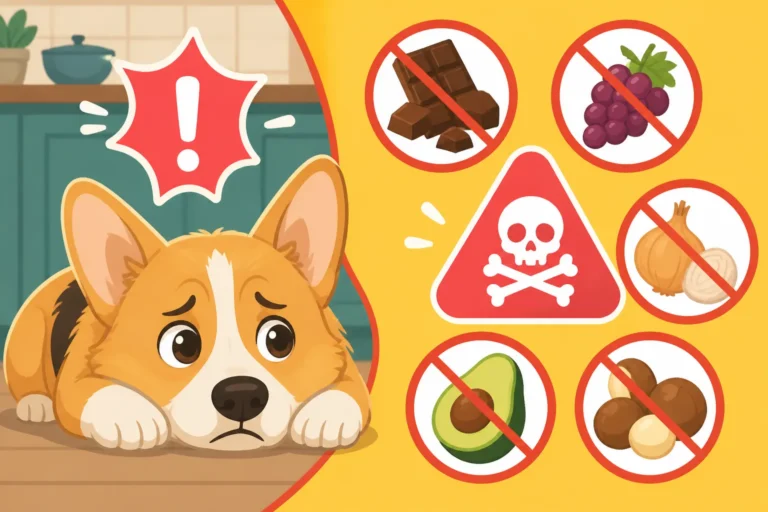
It's tempting to share a bite of your dinner with those adorable, pleading Corgi eyes, but giving human food and table scraps is a habit that can be detrimental on multiple fronts. First and foremost, human food is often much richer and higher in calories, fats, and sodium than a dog's digestive system is equipped to handle. Even a small piece of cheese or a bite of pasta can upset a puppy's sensitive stomach, leading to diarrhea or vomiting. Over time, these extra calories contribute directly to weight gain and the associated health risks. Beyond the caloric impact, many common human foods are downright toxic to dogs, including chocolate, grapes, raisins, onions, garlic, and xylitol (an artificial sweetener). Even seemingly benign items can be harmful in large quantities or due to their preparation.
Furthermore, feeding table scraps fosters undesirable behaviors like begging, which can be annoying for you and your guests. It teaches your Corgi that whining or staring intently will yield rewards, reinforcing bad habits. This can also make them finicky eaters of their own nutritionally balanced food, holding out for the "good stuff" from your plate. Establishing clear boundaries from the beginning is vital. Your Corgi puppy should learn that their food comes from their bowl at designated meal times, and human food is not for them. This consistency is crucial for both their health and their training. It helps avoid not only weight problems but also potential emergency vet visits due to ingestion of harmful substances.
Using Food Puzzles and Enrichment to Extend Mealtime
Corgis are intelligent dogs with a strong working drive, and they thrive on mental stimulation. Instead of simply putting their measured meal in a bowl, consider making them "work" for it using food puzzles and enrichment toys. This serves multiple purposes: it slows down their eating, which can aid digestion and prevent gulping, and it provides valuable mental exercise. A Corgi that has to figure out how to get kibble out of a toy is a Corgi that is engaged and challenged, using their brain in a way that satisfies their inherent intelligence.
There's a wide variety of these products available on platforms like Amazon and Chewy, from slow-feeder bowls with ridges to treat-dispensing balls and intricate puzzle toys. Start with simpler puzzles and gradually increase the difficulty as your puppy masters them. You can even simply scatter their kibble across a clean floor or hide small portions in different spots around a safe room, turning mealtime into a fun "hunt." This not only makes mealtime an enriching experience but also extends the duration of eating, making a smaller, appropriate portion feel more substantial. It leverages their natural instincts and helps prevent boredom, which can sometimes manifest as destructive behavior.
The Body Condition Score: Your Puppy's Best Friend
Numbers on a scale are helpful, but they don't tell the full story of your Corgi puppy's health. What truly matters is their body condition – how much muscle versus fat they're carrying. This is where the Body Condition Score, or BCS, comes into play. It's a tool widely used by veterinarians that helps you objectively assess your dog's physical state, moving beyond just their weight. For a Corgi, a breed prone to weight gain and with specific structural vulnerabilities, mastering the BCS is arguably more important than obsessing over a specific number on the scale. It's your most reliable guide to ensuring your puppy is growing lean and strong.
Learning to assess your Corgi puppy's BCS will empower you to make informed decisions about their feeding, ensuring they maintain an ideal physique as they mature. It allows for personalized adjustments, taking into account their individual build, coat density, and activity level. This isn't a one-time check; it's an ongoing practice that should be integrated into your regular interactions with your puppy. By understanding what an ideal Corgi puppy looks and feels like, you can proactively prevent the creeping weight gain that can silently jeopardize their long-term well-being. Think of it as your internal radar for healthy puppy development.
Understanding the Body Condition Score (BCS) for Puppies
The Body Condition Score (BCS) is typically a 5-point scale (with 3/5 being ideal) or a 9-point scale (with 4-5/9 being ideal). It evaluates your dog's fat reserves and muscle mass by looking at and feeling specific areas of their body. For Corgi puppies, an ideal BCS means they are lean, with well-defined muscle tone, without being bony. This isn't about being skinny; it's about being fit and athletic. A puppy with an ideal BCS will have a better chance of developing strong bones and joints, as they won't be overburdening their developing skeletal structure with excess weight.
On the 5-point scale, a score of 3 out of 5 is usually considered ideal. This means you should be able to easily feel your Corgi puppy's ribs without pressing hard, but they shouldn't be visibly protruding. You should also be able to see a distinct waistline when looking down at them from above, and a slight abdominal tuck when viewed from the side. For Corgis, with their naturally compact and robust build, it can be tricky to discern these features under their thick double coat, which is why the "feel test" is so critical. This is exactly what The Body Condition Score a Corgi Owner Aims For describes, highlighting the importance of tactile assessment. Regularly checking these points helps you stay ahead of potential weight issues before they become deeply ingrained.
Practical Tips for Assessing Your Corgi Puppy's Weight
Assessing your Corgi puppy's body condition requires a hands-on approach, especially given their dense double coat which can easily hide a few extra pounds. Don't rely solely on what you see! Run your hands along their sides. You should be able to feel their ribs quite easily, like feeling the knuckles on your hand with your palm flat. If you have to press firmly to feel them, or if you can't feel them at all, your puppy is likely carrying too much weight. Conversely, if the ribs are sharp and prominent without any fat covering, your puppy might be too thin (though this is less common with Corgis and overfeeding).
Next, look at your Corgi puppy from above while they are standing. You should see a discernible waistline just behind their rib cage, where the body narrows slightly before flaring out again at the hips. If they look more like a straight cylinder, or worse, wider behind the ribs, they are overweight. Then, observe them from the side. There should be a slight tuck-up in their abdomen, meaning their belly should not hang low or be level with their chest. This abdominal tuck is often one of the first things to disappear when a Corgi starts gaining weight. Learning to discern these subtle changes is vital for Feeling for Ribs Through a Corgi's Undercoat. Make this a regular part of your grooming or petting routine, perhaps once a week, to catch any creeping weight gain early.
What to Do If Your Puppy is Gaining Too Much
If your regular BCS checks indicate that your Corgi puppy is starting to get too round, don't panic, but don't ignore it either. The good news is that puppies are usually more metabolically active, so small adjustments can often yield quick results. The very first step is to consult your veterinarian. They can confirm your assessment, rule out any underlying health issues that might contribute to weight gain, and provide tailored advice based on your puppy's specific breed, age, and health history. They can help you determine Whether a Chubby Corgi Puppy Is a Problem for your specific pup.
Once you have veterinary guidance, the primary course of action is to reduce their caloric intake gradually. This doesn't mean drastically cutting back on food, which could lead to nutritional deficiencies. Instead, reduce their daily measured portion by about 5-10% and stick to it consistently for a week or two. Re-evaluate their BCS after this period. If needed, you can make further small adjustments. It’s also crucial to re-evaluate their treat intake. Are you giving too many? Are they high in calories? Switch to smaller, healthier options or use kibble from their daily ration. Finally, ensure your puppy is getting appropriate, safe exercise for their age. Remember, for Corgis, high-impact activities like jumping are often discouraged due to back risks, so focus on controlled walks and play. Patience and consistency are key when helping your Corgi puppy achieve and maintain a healthy weight. The advice from How Slowly a Corgi Should Come Down in Weight for adults can also apply in principle to the gradual reduction for puppies.
Specialized Dietary Considerations for Corgi Puppies
As your Corgi puppy grows, their nutritional needs will evolve. What worked perfectly for a tiny 8-week-old bundle of fluff won't be ideal for a nearly adult 10-month-old. This journey from puppy to adult dog involves several key transitions, particularly concerning their diet. Understanding these changes and how to implement them smoothly is essential for maintaining their health and lean body condition. It's not just about switching foods; it's about recognizing when their body's requirements have shifted and adapting accordingly.
Beyond the standard growth curve, some Corgi puppies might present unique challenges, such as being finicky eaters or having specific health considerations that impact their diet. While most healthy puppies thrive on a high-quality commercial diet, it's important to be aware of when and if supplements might be necessary, or how to navigate dietary preferences without resorting to unhealthy choices. Being proactive and informed about these specialized considerations ensures your Corgi receives optimal nutrition at every stage of their development, paving the way for a healthy and vibrant adult life.
Transitioning from Puppy Food to Adult Food
The transition from puppy food to adult food is a significant milestone in your Corgi's development. Generally, most Corgis, being a medium-sized breed in terms of growth rate, are ready to switch to an adult formula around 10 to 12 months of age. Some smaller Corgis might be ready a little earlier, around 9 months, while larger, slower-maturing individuals might benefit from puppy food for a bit longer, up to 12-14 months. The key indicator isn't just their age, but their growth plate closure and when they've reached approximately 90% of their adult size. You can tell When a Corgi Reaches Its Adult Height by observing their general physical development. Your vet can provide guidance on the ideal timing based on your individual puppy's growth.
The transition itself should always be gradual to avoid upsetting your Corgi's digestive system. A sudden switch can lead to stomach upset, diarrhea, or vomiting. Over a period of 7-10 days, slowly mix increasing amounts of the new adult food with decreasing amounts of the old puppy food.
- Days 1-2: 75% puppy food, 25% adult food
- Days 3-4: 50% puppy food, 50% adult food
- Days 5-6: 25% puppy food, 75% adult food
- Days 7+: 100% adult food
Monitor your Corgi for any signs of digestive upset during this period. The reason for this transition is that adult foods have a different caloric and nutrient profile, lower in calories and some key nutrients needed for rapid growth, perfectly suited for maintaining an adult dog's body condition without promoting excess fat.
Supplements: Are They Necessary for a Growing Corgi?
In most cases, if you are feeding a high-quality, complete, and balanced commercial puppy food, additional supplements are generally not necessary for a growing Corgi. These premium puppy formulas are meticulously formulated to provide all the essential vitamins, minerals, proteins, and fats in the correct proportions to support healthy growth and development. Adding extra supplements without veterinary guidance can actually be detrimental, potentially leading to imbalances or even toxicity. For example, too much calcium can lead to skeletal problems in growing puppies. It’s a common misconception that more is always better; with nutrition, balance is paramount. This goes to show Whether a Corgi Puppy Needs Special Food beyond what's already provided by a quality formula.
There are, of course, exceptions. If your Corgi puppy has a specific health condition, a diagnosed deficiency, or is recovering from an illness, your veterinarian might recommend certain supplements. For instance, sometimes a vet might suggest a joint supplement if there's a predisposition to orthopedic issues, but this would always be a specific recommendation based on a diagnosis, not a general practice. Always, always consult your veterinarian before adding any supplements to your Corgi puppy's diet. They are the best resource to determine if there's a genuine need and which specific supplement would be safe and beneficial. Never self-prescribe supplements based on internet research or anecdotal advice.
Addressing Picky Eaters and Other Feeding Challenges
Even the most food-motivated Corgi can sometimes go through phases of being a picky eater, or you might encounter a puppy that's finicky from the start. This can be frustrating, especially when you're trying to ensure they get proper nutrition without overfeeding. The first rule is to rule out any medical issues; a sudden loss of appetite or refusal to eat should always warrant a vet visit. Once health issues are excluded, it’s usually a behavioral challenge. Don't immediately resort to adding "tasty" but unhealthy toppings or switching foods constantly, as this can reinforce the picky behavior.
Instead, stick to a consistent feeding schedule and offer their food for a limited time (e.g., 15-20 minutes). If they don't eat it, take it away until the next meal. This teaches them that food is available at specific times, and if they don't eat, they'll have to wait. You can try adding a tiny bit of warm water to their kibble to release the aroma, or a tablespoon of plain, unsweetened pumpkin. For truly stubborn cases, some owners explore fresh food options, like those offered by Ollie, which can be very appealing, but remember these are often calorie-dense and require careful portioning. Consistency, patience, and avoiding the temptation to over-cater to pickiness with unhealthy additions are key to managing these challenges successfully.
| Age of Corgi Puppy | Meals Per Day | Portion Size (Example, adjust for specific food) | Notes |
|---|---|---|---|
| 8 – 12 weeks | 3-4 | 1/4 – 1/2 cup total, divided | Crucial growth phase, high energy. Use kitchen scale! |
| 3 – 6 months | 3 | 1/2 – 3/4 cup total, divided | Rapid growth, start monitoring body condition closely. |
| 6 – 12 months | 2-3 | 3/4 – 1 cup total, divided | Approaching adult size, transition to 2 meals by 9-10 months. |
| 12+ months | 2 | As per adult food guidelines | Transition to adult food. Continue strict weight management. |
Disclaimer
This article is for general informational purposes only and does not constitute professional advice. Laws, prices and regulations vary by location and change over time. Consult a qualified professional for guidance on your specific situation.