When a Corgi Reaches Its Adult Height
It’s a common sight: you bring home that adorable Corgi puppy, a fluffy, low-slung bundle of joy, and before you know it, they seem to be stretching out at an alarming rate. Many new Corgi parents can't help but wonder just how big their little fluffball will get, often stressing over whether their Corgi puppy is growing "right." It's easy to worry when their long bodies and short legs make it hard to judge normal development, but understanding when your Corgi reaches its adult height can help ease those concerns and ensure you're providing the best care for their unique structure. This guide will walk you through the typical growth timeline for your Corgi, so you know exactly what to expect.
Understanding Corgi Growth Patterns
Corgis, whether you have a Pembroke Welsh Corgi or a Cardigan Welsh Corgi, possess a distinct body type due to their chondrodystrophic dwarfism – yes, that's the fancy term for their famously short legs! This means their growth patterns are a little different from many other breeds. Instead of simply getting taller and bigger all over, their growth is more focused on elongation of the body and muscle development, even as their legs remain relatively short.
For Corgis, "height" primarily refers to their measurement at the shoulder, often called the 'withers'. You'll notice they go through a rapid growth phase where they seem to gain height quickly, often looking a bit awkward or "leggy" for a while. This is completely normal! It’s important to remember that they don’t just stop growing suddenly. While the vertical growth of their legs slows down considerably, their bodies continue to lengthen, and their chests deepen. Think of it less as a straight upward trajectory and more as an outward and forward expansion. This unique growth means that judging their final adult size isn't just about how tall they are, but also how long and sturdy their frame becomes.
The Corgi's Unique Skeletal Development
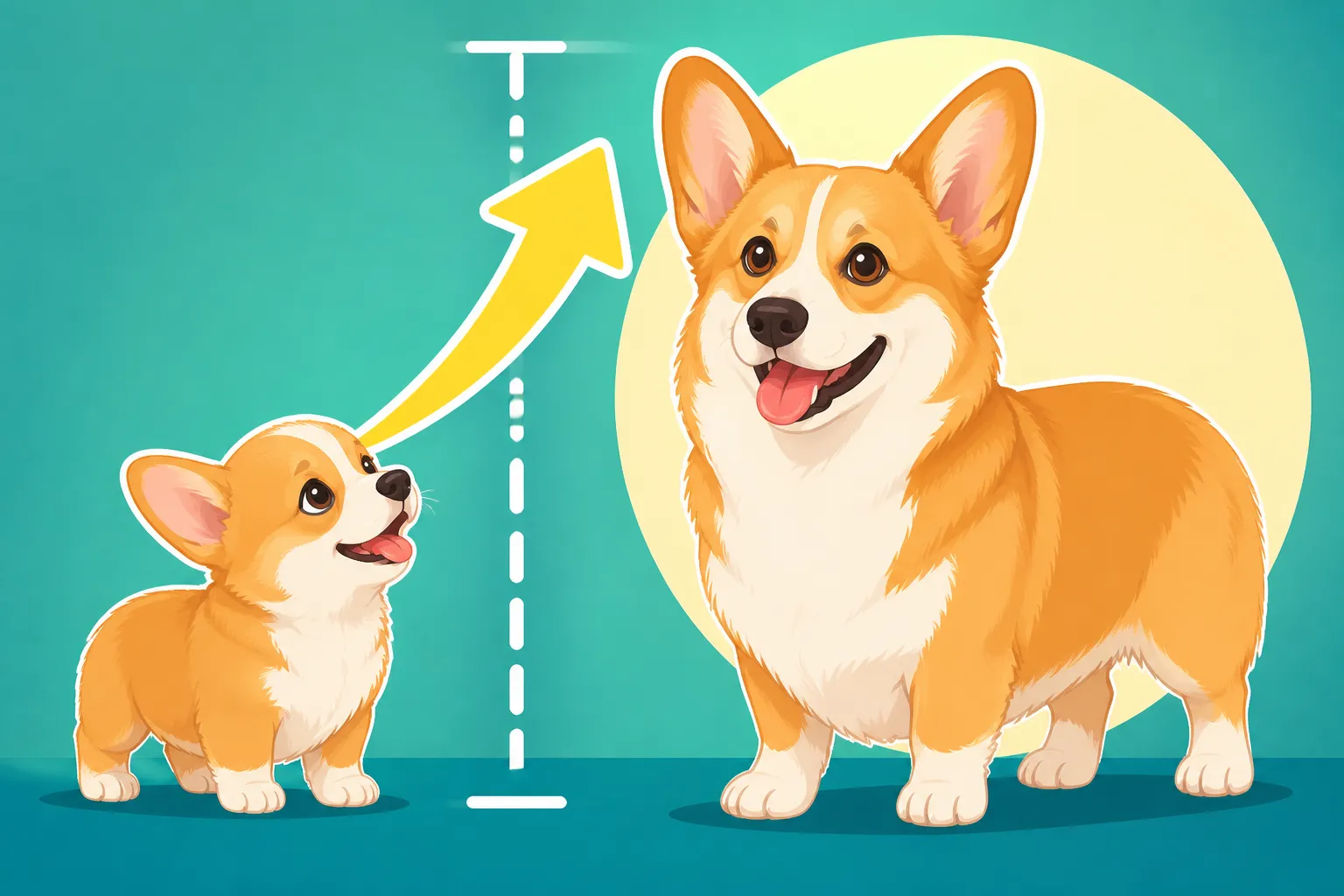
The short legs of a Corgi are a defining characteristic, a result of their genetic predisposition to chondrodystrophy. This condition affects the growth plates in their long bones, causing them to stop growing earlier than in other breeds. What this means for you, the owner, is that your Corgi puppy will reach their maximum height relatively quickly, often by the time they are about 8-12 months old. However, don't mistake reaching maximum height for being fully grown. Their skeletal structure still needs to fully mature and strengthen, and their muscles will continue to develop, giving them that stocky, powerful appearance associated with the breed.
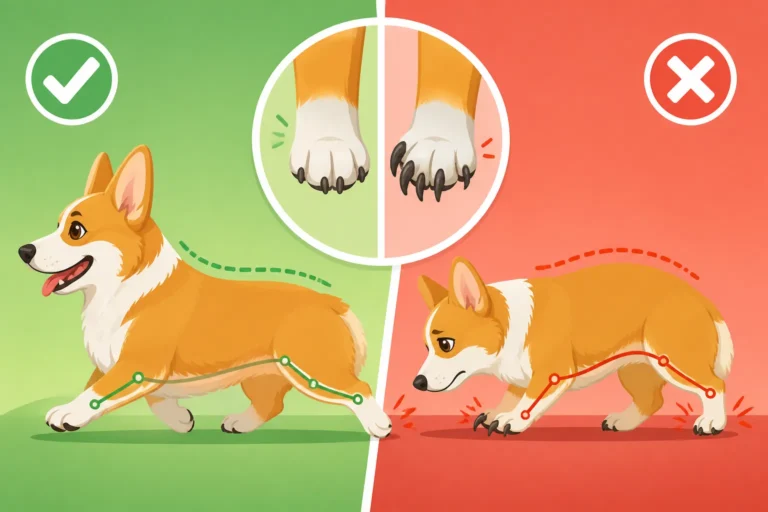
This skeletal development also has implications for their care. During this rapid growth phase, it's crucial to be mindful of activities that could put undue stress on their developing joints and spine. High-impact jumps, excessive stair climbing, or rough play with much larger dogs can be detrimental. It’s about balance: providing enough exercise to promote healthy muscle and bone development without overdoing it. Many Corgi owners become very aware of Why a Corgi's Back Is Built the Way It Is and how to protect it from a young age.
Distinguishing Height Growth from Filling Out
It’s easy to look at a Corgi and think "they're just short!" but there's more to their growth than meets the eye. While they may hit their final height measurement fairly early, the process of "filling out" can take much longer. This refers to the development of their chest, rib cage, musculature, and overall body density. A Corgi puppy might look like a miniature adult at 8 months, but they often lack the robust chest and powerful hindquarters of a fully mature Corgi.
This 'filling out' phase is critical. It's when their adult proportions become evident, and they gain the strength needed for their low-slung, agile frame. Owners often notice their Corgi looking more substantial, with a deeper barrel chest and more defined muscles, even though their height hasn't changed. This period is when proper nutrition and controlled exercise really pay off, helping them develop a strong, healthy body ready for a lifetime of herding imaginary cattle (or just ruling the living room). Thinking about What a Pembroke Should Weigh is often more important for overall health than just their height.
Factors Influencing a Corgi's Final Height and Build
While there's a general timeline for Corgi growth, several factors can influence the exact size and build your individual Corgi will achieve. Understanding these can help you better anticipate your pup's development and ensure they're growing as healthily as possible.
Genetics: The Blueprint from Their Parents
The most significant factor determining your Corgi's ultimate size is, naturally, their genetics. Just like in humans, puppies inherit traits from both parents. If your Corgi's parents were on the larger or smaller side of the breed standard, there's a good chance your pup will lean that way too. A reputable breeder will be able to tell you the typical sizes of the parents and previous litters, giving you a reasonable expectation of your puppy's adult height and weight.
Breed-specific standards also play a role. Pembroke Welsh Corgis and Cardigan Welsh Corgis, while both Corgis, are actually two distinct breeds with slightly different size standards. Cardigans tend to be a bit larger and heavier than Pembrokes. If you have a mixed-breed Corgi, their adult size will depend on the genetic contribution of the other breed involved. Always look at the parents to get the best idea of where your puppy is headed.
Nutrition: Fueling Healthy Growth Without Overdoing It
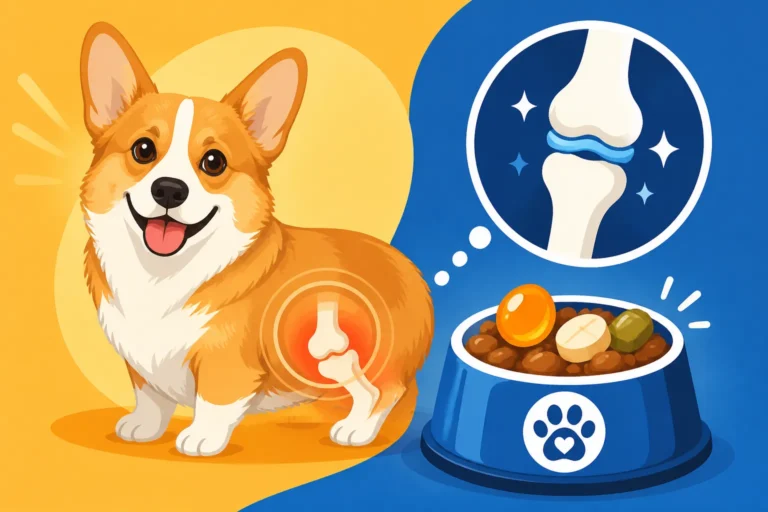
Proper nutrition is absolutely vital for healthy growth. A high-quality puppy food designed for medium breeds provides the right balance of protein, fat, vitamins, and minerals to support rapid development. However, there's a fine line between providing adequate nutrition and overfeeding. It's a common misconception that feeding a puppy more will make them bigger or grow faster. In Corgis, this can actually be detrimental.
Overfeeding during crucial growth stages can lead to excess weight gain, which puts undue stress on their developing joints and spine. This is particularly concerning for a breed already prone to back issues. Rather than accelerating growth, it can set them up for joint problems later in life. Always follow the feeding guidelines on your chosen puppy food, adjusting as needed based on your Corgi's activity level and body condition. It’s a good idea to chat with your vet about calorie targets for your specific puppy, especially if you want to avoid Feeding a Corgi Puppy Without Letting It Round Out. Brands like Chewy often carry a variety of breed-specific or growth-stage-appropriate foods, and services like Ollie can offer portion-controlled, fresh options that help manage weight from the start.
Exercise: Balancing Activity for Growing Bones
Exercise is critical for building strong muscles and bones, but for a growing Corgi, the type and amount of exercise matter. Young Corgi puppies have boundless energy, but their skeletons are still forming. High-impact activities like repeated jumping off furniture, long runs on hard surfaces, or extensive stair climbing should be limited until their growth plates have closed, typically around 12-18 months of age.
Instead, focus on short, frequent walks, supervised playtime in a safe, fenced area, and mental stimulation through training and puzzle toys. These activities help develop muscle tone and coordination without excessive strain on their joints and spine. As they grow, you can gradually increase the duration and intensity of exercise, always watching for signs of fatigue or discomfort. Remember, even though they look sturdy, their backs are vulnerable. Understanding How Far a Corgi Puppy Should Walk at Four Months can help prevent future problems.
Spay/Neuter Timing: A Consideration for Bone Development
The timing of spaying or neutering is a topic of ongoing discussion among veterinarians and breeders, partly because of its potential impact on bone development. Sex hormones play a role in the closure of growth plates in bones. When puppies are spayed or neutered very early, before these hormones have had a chance to work their magic, growth plates can remain open for longer. This can sometimes result in slightly longer bones, meaning a taller dog than they might otherwise have been.
For Corgis, this isn't usually about achieving a towering height, but more about the subtle nuances of their long bone development. While the primary concern for Corgis often revolves around spinal health, the hormonal influence on growth plate closure is worth discussing with your veterinarian. They can provide guidance tailored to your individual Corgi's health and breed-specific considerations, helping you decide if Whether Neutering Timing Changes a Corgi's Back is a factor for your pup.
What to Expect at Different Growth Stages
Watching your Corgi grow is a journey filled with adorable puppy antics and fascinating developmental leaps. While every Corgi is an individual, there’s a general timeline you can anticipate for their physical maturation.
Birth to 8 Weeks: The Rapid Start
From the moment they're born, Corgi puppies are on a mission to grow. These first eight weeks are a period of incredibly rapid development. They transform from tiny, helpless newborns into wobbly, exploring little fluffballs. During this time, they gain weight quickly and start to develop their coordination. You’ll see them taking their first steps, learning to play, and exploring their immediate world.
By the time they are ready to go to their forever homes around 8 weeks, they'll be small but sturdy, with well-developed musculature for their age. This initial growth spurt sets the foundation for their adult size. It's also why quality nutrition for the mother and puppies during this critical period is so important.
2 to 6 Months: The Peak Growth Spurt
This is arguably the most noticeable growth phase for a Corgi puppy. Between 2 and 6 months, they will experience their most significant increase in height. You'll likely see them go from looking like a chunky baby to a more gangly, almost awkward teenager. Their legs might seem disproportionately long compared to their body for a short period, and they'll start to look less like a round ball of fluff and more like a miniature version of an adult Corgi.
During this time, their energy levels will also be soaring, but it’s crucial to manage their physical activity carefully. Their bones and joints are still developing, so protecting their spine by avoiding excessive jumping or rough play is paramount. This is when you'll begin to see their individual personality truly shine, alongside their physical transformation.
6 to 12 Months: Slowing Height, Filling Out
As your Corgi approaches the half-year mark, their rapid height growth will begin to slow down significantly. By 8-10 months, many Pembrokes will have reached very close to their adult height. Cardigans might take a tiny bit longer, perhaps closer to 10-12 months. However, while they might not be getting much taller, their bodies are still very much in a developmental phase.
This period is all about "filling out." Their chests will deepen, their rib cages will expand, and their musculature will continue to develop, giving them that characteristic sturdy, powerful build. They'll start to lose that gangly, puppy-like appearance and take on the more robust shape of an adult Corgi. Their puppy coat will also begin to be replaced by their denser adult double coat. This is also the time when behavioral training really takes hold, and they transition from puppyhood to adolescence. When a Corgi Starts Arguing at Ten Months can be a real thing as they test boundaries!
12 to 18 Months: Reaching Full Physical Maturity
By the time your Corgi celebrates their first birthday, they will likely have reached their maximum adult height. However, their physical development isn't quite complete. The period between 12 and 18 months (and sometimes even up to 24 months for some larger Cardigans) is dedicated to muscle development, solidifying their bone structure, and achieving their full adult weight and proportions. This is where they gain their final, mature physique.
They'll gain density and strength, and their overall appearance will become more refined and powerful. While you won't see dramatic changes in height, you will notice them become more solid and well-proportioned. This is also when their mental maturity starts to really settle in, making them more predictable and calm than their adolescent selves.
Here’s a simplified overview of what to expect:
| Age Range | Height Growth | Weight/Maturity Development | Key Characteristics |
|---|---|---|---|
| 0-8 Weeks | Very Rapid | Rapid weight gain, developing motor skills | Tiny, helpless to wobbly explorers, gaining mobility. |
| 2-6 Months | Most Significant Height | Steady weight gain, building muscle mass | Often gangly, energetic, reaching main height increase. |
| 6-12 Months | Slowing, nearly complete | Filling out, chest deepening, muscle definition | Losing puppy look, becoming sturdier, nearing adult height. |
| 12-18 Months | Minimal to None | Full muscle development, achieving adult weight | Reaching peak physical maturity, solidifying build. |
| 18-24 Months+ | None | Full physical and mental maturity | Established adult physique, settled temperament. |
Comparing a Pembroke to a Cardigan during these stages, you might notice that What a Pembroke Weighs Against a Cardigan is slightly less, and they might reach their final adult shape a touch earlier, but the general pattern remains similar.
Distinguishing Adult Height from Adult Weight and Maturity
It’s crucial to understand that reaching adult height is just one milestone in your Corgi's journey to full maturity. Many Corgi owners mistakenly believe that once their pup stops growing taller, they are fully grown. In reality, while their vertical growth plate closure might be complete, their bodies continue to develop in other significant ways for quite some time.
The Ongoing Process of Filling Out
A Corgi might hit their final height by around 8 to 12 months, but they are far from fully "filled out" at that point. Think of a human teenager who has reached their adult height but still needs to fill out with muscle and density. It's very similar for Corgis. Over the next several months, often until they are 18 to 24 months old, their bodies will continue to broaden, their chest will deepen further, and their muscles will become more developed and defined. This gives them that classic sturdy, powerful Corgi appearance, ready for a day of herding (or at least zooming around the backyard).
This period of filling out is where proper diet and moderate exercise continue to be paramount. Maintaining a lean body condition is vital, as extra weight during this developmental phase can stress their still-maturing joints and spine. Monitoring The Body Condition Score a Corgi Should Hold is an excellent way to ensure your Corgi is developing healthily without carrying excess pounds. You might notice them looking more substantial and less lanky, even without gaining any more inches in height.
Mental Maturity: A Later Arrival
Beyond physical growth, there's also the aspect of mental maturity, which typically arrives much later than physical height. While your Corgi may look like a full-grown dog by their first birthday, their brain is often still very much in its adolescent phase. This means they might still be prone to puppy-like behaviors, bursts of boundless energy, and occasional stubbornness.
Many Corgis don't truly settle into their full adult temperament until they are two to three years old. During this time, continued training, socialization, and consistent routines are essential. You might find that while their body has stopped growing, their personality is still evolving. Patience and continued engagement will help them grow into well-adjusted, confident adult Corgis. This phase can be a bit challenging, but also incredibly rewarding as their true character blossoms.
Lifelong Care for a Fully Grown Corgi
Once your Corgi has reached both their adult height and full physical and mental maturity, the focus shifts to maintaining their health and well-being throughout their lifespan. For Corgis, with their unique structure, this often means continued vigilance regarding their weight, diet, and exercise. A healthy weight is perhaps the single most important factor in protecting their long back from conditions like intervertebral disc disease (IVDD). Why Corgi Weight Is a Spinal Problem is something every Corgi owner should understand deeply.
Regular vet check-ups, appropriate grooming, and mental stimulation will help your Corgi thrive in their adult years. While the growth phase might be over, the journey of responsible Corgi ownership is a marathon, not a sprint. Providing them with ramps for furniture, ensuring non-slip flooring, and carefully monitoring their activity levels will help protect their back, even long after they've stopped growing. Products found on Amazon, like specialized ramps and orthopedic beds, can be hugely beneficial for their long-term comfort and health.
Disclaimer
This article is for general informational purposes only and does not constitute professional advice. Laws, prices and regulations vary by location and change over time. Consult a qualified professional for guidance on your specific situation.