How Far a Corgi Puppy Should Walk at Four Months
It's incredibly exciting to bring a four-month-old Corgi puppy home, full of boundless energy and that irresistible waddle. But beneath all that fluff and zest, there's a serious concern that often worries new Corgi parents: how much exercise is too much, especially for their delicate, developing spines? This guide is here to walk you through understanding your Corgi's physical limits at this crucial stage, ensuring they grow into a healthy, happy adult without risking future back issues.
Understanding Your Four-Month-Old Corgi Puppy's Development
At four months old, your Corgi puppy is still very much a baby, even if they sometimes act like a miniature adult. Their bones, joints, and ligaments are rapidly developing, and this period is incredibly important for laying the foundation for their long-term health. It's not just about managing their endless puppy energy; it's about protecting a vulnerable system that's still forming.
Growth Plates and Fragile Bones
Think of your puppy's bones as not quite "set" yet. They have what are called growth plates, which are areas of cartilage near the ends of long bones (like those in their legs) where new bone tissue is formed as the puppy grows. These growth plates remain open and soft until your Corgi is typically around 12 to 18 months old, eventually fusing and hardening into solid bone. Before they fuse, however, these areas are particularly susceptible to injury. Too much impact, repetitive stress, or even awkward landings can damage these delicate growth plates, potentially leading to orthopedic problems down the line, affecting how their joints develop and even causing permanent lameness.
For a breed like the Corgi, with their distinctive long backs and short legs, protecting these developing structures is paramount. The unique body shape already puts a certain amount of stress on their spine and joints, so minimizing additional strain during their formative months is critical. It's a bit like building a house – you want a strong, stable foundation, and for a Corgi, that means a careful approach to exercise during puppyhood.
The Importance of Controlled Exercise
While it might seem counterintuitive when you have a puppy bouncing off the walls, controlled exercise is key. This isn't about denying your Corgi puppy activity; it's about ensuring that activity is appropriate for their age and physical development. Uncontrolled, high-impact activities like prolonged running on hard surfaces, jumping off furniture, or intense, sustained play sessions can do more harm than good. Their muscles aren't fully developed to support their joints, and their bones are still soft.
Instead, controlled exercise means activities that encourage healthy muscle development without overstressing growth plates or putting undue strain on their spine. This allows their body to mature at its natural pace, building strength and coordination gradually. It’s a fine balance, because under-exercising isn't ideal either; puppies need activity to develop properly, physically and mentally. The goal is purposeful movement, not exhaustion or extreme exertion.
Energy Levels vs. Physical Readiness
It’s easy to be fooled by a Corgi puppy's energy. They often seem to have an inexhaustible supply of enthusiasm for play, chasing, and exploring. They might zoom around the yard for what feels like forever, only stopping when they literally fall over from exhaustion. But their high energy levels don't necessarily equate to physical readiness for intense or prolonged exercise. Their cardiovascular system might be able to keep up, but their skeletal system might not.
Think of it this way: a four-month-old human baby might kick and wave its arms for ages, but you wouldn't expect it to run a marathon. Your Corgi puppy is similar. Their little bodies aren't built for endurance or high-impact acrobatics yet. Overdoing it can lead to acute injuries, like sprains or strains, but more insidiously, it can contribute to long-term issues like early arthritis or exacerbate conditions that Corgis are already predisposed to, such as disc disease. It’s our job as responsible Corgi parents to be the smart ones, setting healthy boundaries even when our puppies beg for more playtime.
The "Five-Minute Rule" and What It Means for Corgi Puppies
When it comes to exercising puppies, especially those with long backs and short legs like Corgis, veterinarians and reputable breeders often recommend a guideline known as the "Five-Minute Rule." This simple rule helps ensure that your puppy's developing body isn't overstressed.
Applying the Rule to Daily Walks
The "Five-Minute Rule" suggests that a puppy should get five minutes of formal, structured exercise per day for every month of their age. So, for a four-month-old Corgi puppy, this means about 20 minutes of formal walking per day (4 months x 5 minutes/month = 20 minutes).
Now, this isn't 20 minutes all at once. It's often best broken down into shorter, more frequent sessions. For example, two 10-minute walks, or even four 5-minute jaunts spread throughout the day. The key here is "formal, structured exercise." This means leash walks where you control the pace and duration. It’s not about letting them off-leash to sprint until they're panting, nor is it about taking them on a vigorous hike. A leisurely stroll around the block, allowing for sniffing and gentle exploration, is perfect.
| Corgi Puppy Age | Daily Formal Exercise (minutes) | Suggested Walk Schedule |
|---|---|---|
| 2 Months | 10 minutes | Two 5-minute walks per day |
| 3 Months | 15 minutes | Three 5-minute walks per day, or one 15-minute walk |
| 4 Months | 20 minutes | Two 10-minute walks, or four 5-minute walks per day |
| 5 Months | 25 minutes | Two 10-minute and one 5-minute walk, or five 5-minute walks |
| 6 Months | 30 minutes | Three 10-minute walks, or two 15-minute walks |
This rule serves as a general guideline, and it’s important to remember that every puppy is an individual. Some might be naturally more energetic, while others tire quickly. Always observe your specific Corgi. Are they lagging behind? Are they trying to sit down? These are signs they've had enough. You can always do less, but pushing past this guideline is where risks start to creep in.
Beyond Formal Walks: Playtime and Exploration
The "Five-Minute Rule" specifically refers to structured walks, but it doesn't mean your four-month-old Corgi should be a couch potato for the rest of the day! Puppies need plenty of mental and physical stimulation beyond their walks. Unstructured playtime in a safe, enclosed space, like a carpeted living room or a soft, grassy yard, is crucial. This can include:
- Short Fetch Sessions: A few throws of a soft toy in the living room. Keep it low-impact.
- Tug-of-War: Gentle tugging with appropriate toys helps build jaw strength and teaches impulse control.
- Puzzle Toys: Toys that dispense kibble or treats require mental effort and can be wonderfully tiring. Many brands offer great options, and you can find a wide variety on platforms like Chewy or Amazon.
- Socialization with Calm Dogs: Supervised play with an older, calm dog who understands puppy etiquette can be excellent for both physical and social development. Just ensure the play isn't too rough or extended.
The key with these activities is to keep them short, varied, and allow your puppy to self-regulate. If they want to lie down and chew a toy, great! If they want to chase a rolling ball for a minute, that’s fine too. Avoid forcing them into prolonged high-impact activities. Remember, a Corgi's natural instinct is to herd, so even gentle "herding" games with soft toys can be mentally engaging without being physically taxing.
Monitoring for Signs of Fatigue or Discomfort
Your puppy can't tell you in words if they're hurting or tired, so it's up to you to be a diligent observer. Watch for these subtle cues during and after any activity:
- Lagging Behind: If your Corgi puppy starts to fall behind you on a walk, it's a clear sign they're tiring.
- Sitting Down Frequently: Another common indicator of fatigue.
- Excessive Panting or Drooling: While normal after some play, it shouldn't be extreme for their age and activity level.
- Limping or Favoring a Leg: This is a red flag and should prompt immediate rest and potentially a vet visit.
- Stiffness After Rest: If they seem stiff or sore when they wake up from a nap, it could indicate overexertion.
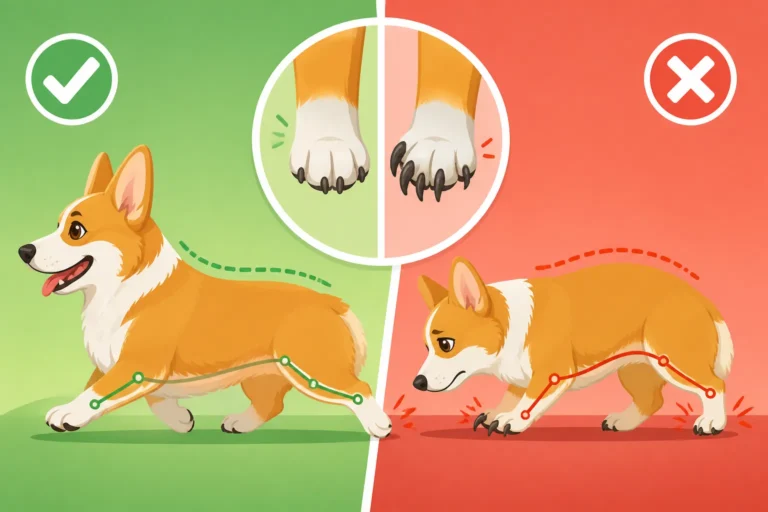
- Changes in Gait: A Corgi That Scuffs Its Back Nails or whose back legs cross over could be showing signs of discomfort or early neurological issues, though less common at this age, it’s always worth noting.
- Reluctance to Play: A normally playful puppy suddenly uninterested in their favorite game could be in discomfort.
Never push your puppy to continue if they show signs of discomfort or fatigue. It's much better to err on the side of caution. If you notice persistent limping, crying out when touched, or significant changes in their walking pattern, it's time for a visit to the vet. Protecting their growing body now can save you a lot of heartache (and potentially expensive vet bills) in the future.
Tailoring Exercise to Your Corgi's Individual Needs
While general rules are helpful, every Corgi is unique. What works for one might be too much or too little for another. Tailoring exercise means paying attention to your Corgi’s specific breed traits, energy levels, and physical responses, always prioritizing their long-term health.
Breed-Specific Considerations for Corgis
Corgis, both Pembrokes and Cardigans, are chondrodystrophic breeds, meaning they have a genetic predisposition to dwarfism, which gives them their characteristic short legs and long bodies. This body structure makes them particularly susceptible to Intervertebral Disc Disease (IVDD) later in life. This condition means their spinal discs can degenerate and rupture, causing pain, nerve damage, and even paralysis. Protecting their spine from a young age is paramount.
This means avoiding activities that put undue stress on their back, such as:
- Excessive Jumping: Jumping off sofas, beds, or even from short heights can put sudden, jarring pressure on their developing spine. It's highly recommended to teach them to use ramps or steps, or to lift them carefully, especially when they're small and still learning body control. You can find excellent ramps on Amazon that are designed for pets and can easily be integrated into your home. For more on this, consider reading Whether a Corgi Should Ever Jump Off a Sofa.
- Stairs: While a few stairs occasionally might be unavoidable, regularly letting a Corgi puppy run up and down flights of stairs can also strain their back. Carrying a Corgi Puppy Up and Down stairs until they are older and their growth plates have closed is a safer option.
- Twisting and Turning: High-speed games that involve abrupt stops and turns can put rotational stress on their spine. Keep these types of games minimal and controlled.
Focus instead on activities that build core strength and muscle without high impact, like gentle swimming (if introduced safely) or walking on varied, soft terrain like grass or dirt paths, which provides natural resistance and strengthens stabilizer muscles.
Structured vs. Unstructured Play
Understanding the difference between structured and unstructured play is vital for Corgi puppies.
Structured Play: This is play that you initiate and control. It's goal-oriented, like short training sessions or controlled fetch games.
- Pros: Allows you to manage intensity and duration, incorporate training, and build a bond. Good for mental stimulation.
- Cons: Can become repetitive if not varied, might not fully satisfy a puppy’s natural drive if it’s the only type of play.
- Example: Five minutes of "sit-stay-come" practice with small, healthy treats (using part of their daily kibble allowance, perhaps from a brand like Ollie or Chewy, to prevent weight gain) or a short, gentle game of hide-and-seek with a toy in the living room. This is also a good time to work on leash manners during their short walks.
Unstructured Play (Free Play): This is play that the puppy initiates and dictates the pace of. It’s typically less formal and happens in a safe environment.
- Pros: Allows puppies to explore their environment, develop problem-solving skills, and burn off steam naturally. Great for mental and physical well-being.
- Cons: Can be difficult to control intensity, especially with other dogs, and some puppies can overdo it if not supervised.
- Example: Exploring a sniffy, fenced yard, wrestling with a designated chew toy, or short bursts of "zoomies" on a soft, carpeted area. Always ensure the area is free of hazards and that play is self-limited.
A healthy balance of both types of play is ideal for a four-month-old Corgi. Ensure that most of their physical activity comes from self-directed, low-impact exploration and short bursts of play, supplemented by their brief, structured walks.
Safe Activities and Surfaces
Choosing appropriate activities and environments can make a huge difference in protecting your Corgi puppy’s joints and spine.
Safe Activities:
- Short, Leashed Walks: As per the five-minute rule, on soft surfaces.
- Gentle Tug-of-War: Always ensure your puppy isn't jerking their head violently.
- Nose Work/Scent Games: Hiding treats around the house or yard. Excellent mental exercise that is physically low-impact.
- Puppy Socialization Classes: Structured play in a controlled environment with other puppies of similar size and temperament, supervised by trainers. This is a fantastic way for them to learn social skills without excessive physical strain.
- Learning Basic Cues: Short, fun training sessions for "sit," "stay," "down," and "come." These are low impact and build a strong bond.
Unsafe Activities to Avoid:
- Dog Parks: The uncontrolled nature of dog parks, with larger, faster, or rougher dogs, poses a significant risk for Corgi puppies. They can be easily injured by accidental bumps or intense play.
- Long Hikes or Runs: Too much sustained activity is damaging. Remember, How Much Running Is Safe for a Corgi is a question best answered with "very little" when they are this young.
- Agility Equipment: Avoid jumps, weaves, or steep A-frames until growth plates are closed and muscles are fully developed, usually well past their first birthday.
- Ball Chasing with Hard Stops: Avoid throwing a ball for them to sprint, slide, and abruptly stop on hard surfaces. This is a recipe for joint and back trouble.
Safe Surfaces:
- Grass and Soft Earth: Ideal for walks and outdoor play, as it absorbs impact.
- Carpeted Indoors: Provides traction and cushioning for indoor play.
- Rubber Mats: Can be useful for designated play areas.
Surfaces to Limit or Avoid:
- Hardwood, Tile, Laminate: Slippery surfaces can cause them to splay out, stressing hips and spine. Consider runners or area rugs, especially in high-traffic areas, to provide traction.
- Concrete and Pavement: Hard, unforgiving surfaces transmit impact directly to their joints. Keep walks on these surfaces to a minimum.
By being mindful of both the activity and the environment, you're giving your Corgi puppy the best possible start to a long, healthy life.
Building a Sustainable Exercise Routine as Your Corgi Grows
As your Corgi puppy matures, their exercise needs will gradually increase, but the principles of protecting their back and joints remain the same. Building a sustainable routine means a steady, incremental approach, always mindful of their unique physical structure.
Gradual Increase in Activity
Once your Corgi puppy passes the four-month mark and continues to grow, you can slowly begin to increase their formal exercise duration, still adhering to the "Five-Minute Rule." So, at five months, they'd get 25 minutes of formal walking; at six months, 30 minutes, and so on.
However, remember this rule is a maximum. Some days, a quick potty break and a gentle sniff around the yard might be all they need or want. It's better to under-exercise slightly than to overdo it. Around 12-18 months, when their growth plates have likely closed, you can gradually introduce more varied activities.
Even as an adult, a Corgi isn't typically a marathon runner. They thrive on moderate exercise – think brisk walks, engaging play, and mental challenges. Overweight Corgis are at an even higher risk for back problems, so pairing appropriate exercise with careful nutrition is vital. You can learn more about managing weight for spinal health in Why Corgi Weight Is a Spinal Problem and Keeping a Growing Corgi Puppy on the Thin Side.
Integrating Training and Mental Stimulation
Physical exercise is only one piece of the puzzle. Corgis are intelligent, problem-solving dogs that were bred to make their own decisions while herding cattle. This means they need a lot of mental stimulation to prevent boredom, which can lead to destructive behaviors. A tired mind can be just as important as a tired body, and it's much safer for their developing joints.
- Obedience Training: Continue with positive reinforcement obedience training. Short, frequent sessions throughout the day (5-10 minutes each) are more effective than one long, tedious session. Commands like "stay," "settle," and "go to bed" are invaluable for managing their energy safely, especially during enforced rest periods if an injury ever occurs.
- Puzzle Toys and Treat Dispensers: These are fantastic for keeping their minds active. You can fill them with a portion of their daily kibble from their regular food (many Corgi owners find quality brands like Ollie or dry kibble from Chewy useful for this). This makes mealtime an enriching activity rather than just a quick gobble.
- Scent Work: Corgis have excellent noses! Hiding treats or toys around the house for them to find is a low-impact activity that engages their natural instincts and tires them out mentally.
- New Tricks: Teaching them new tricks keeps their brains sharp and strengthens your bond. Just ensure the tricks don't involve excessive jumping, twisting, or standing on hind legs.
Mental stimulation is vital from puppyhood right through to their senior years. It keeps them engaged, happy, and helps prevent excess energy from being channeled into potentially damaging physical behaviors.
Long-Term Spinal Health Considerations
The care you provide for your Corgi puppy's back and joints in these early months will have a significant impact on their long-term health. The goal isn't just to prevent immediate injury, but to reduce the risk of degenerative conditions like IVDD later in life.
- Maintain a Healthy Weight: This is arguably the most crucial factor for a Corgi's spinal health throughout its life. Even a few extra pounds can put immense strain on their long back. Regularly check your Corgi's body condition score to ensure they're lean.
- Continued Use of Ramps and Steps: Make jumping off furniture a non-negotiable "no" for life. Invest in dog ramps or pet steps for sofas and beds. This small effort can save their spine years of wear and tear. Ramps and Steps That Save a Corgi's Back is a must-read for any Corgi owner.
- Supportive Beds: Provide orthopedic beds that support their entire body, especially their spine, preventing pressure points.
- Appropriate Harnesses: Always use a well-fitting harness for walks rather than a collar, which can put strain on their neck and spine if they pull.
- Regular Vet Check-ups: Regular veterinary visits allow your vet to monitor your Corgi’s growth, weight, and overall musculoskeletal health. They can provide personalized advice as your Corgi ages.
- Be Aware of Early Warning Signs: Understand what to look for if your Corgi does start to develop back issues. The First Signs of DM in a Corgi or Emergency Signs of a Corgi Disc Injury are important topics for every Corgi owner to be familiar with. Knowing these signs can help you seek prompt veterinary care, which is critical for the best outcome.
Raising a Corgi puppy is a joyful journey, and with a mindful approach to exercise and care, you can help ensure they live a long, comfortable life, full of happy waddles and endless love.
Disclaimer
This article is for general informational purposes only and does not constitute professional advice. Laws, prices and regulations vary by location and change over time. Consult a qualified professional for guidance on your specific situation.