Home-Cooked Portions for a Corgi on a Diet
It’s a familiar story, isn’t it? You look down at your adorable, low-riding Corgi, and suddenly realize that "adorable" is starting to lean a little too heavily into "rotund." Managing a Corgi's weight can feel like an uphill battle, especially when their charming personalities often come with an equally charming appetite. This guide is all about empowering you to take control of your Corgi's diet through home-cooked meals, helping them shed those extra pounds safely and sustainably.
Why Home-Cooking Can Be a Game-Changer for a Corgi's Diet
When you’re trying to help your Corgi lose weight, every calorie counts. And frankly, navigating the world of commercial dog foods can be a minefield of confusing labels, hidden ingredients, and varying nutritional content. This is where home-cooking really shines. It gives you, the dedicated Corgi parent, complete control over what goes into your furry friend's bowl, making it a powerful tool in their weight loss journey.
The Specific Needs of a Corgi's Diet
Corgis, with their long backs and sturdy build, are unfortunately predisposed to a few health challenges, and weight gain can exacerbate many of them. Why Corgi Weight Is a Spinal Problem is a serious concern, as extra pounds put immense strain on their delicate spines. That adorable "loaf" shape we all love can quickly become a health risk if not managed. They're naturally low to the ground, so even a few extra pounds feel like a lot more to their small frames and joints.
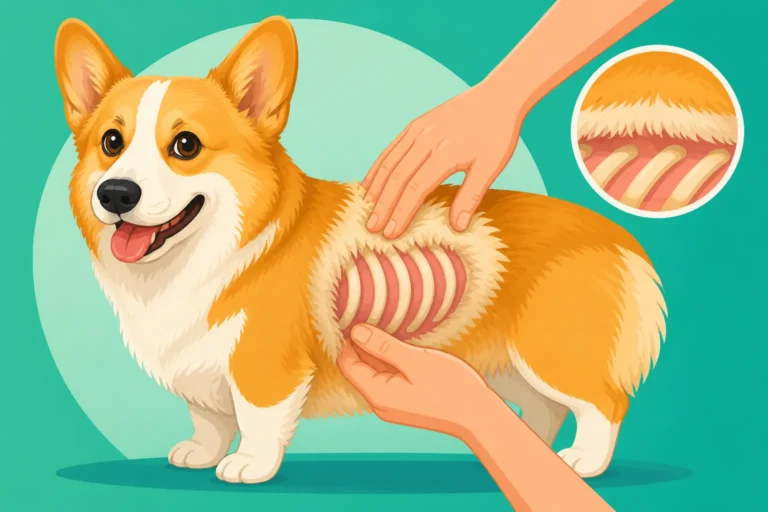
Home-cooking allows you to be incredibly precise with portion control and ingredient quality, which is paramount for these little herding dogs. You can tailor meals to their exact needs, focusing on lean, wholesome ingredients that promote satiety without piling on calories. It’s about building a foundation for health that supports their unique physicality, aiming for The Body Condition Score a Corgi Owner Aims For – lean, with easily palpable ribs and a distinct waist.
Controlling Ingredients and Calories
One of the biggest frustrations with commercial dog foods, even the "diet" varieties, is the often-vague ingredient list. Fillers, excessive carbohydrates, and sometimes even a surprising amount of fat can be lurking, making it tough to truly understand what your Corgi is consuming. When you home-cook, you eliminate the guesswork. You choose every single component, from the protein source to the vegetables, ensuring that each bite contributes positively to their weight loss.
You can select lean cuts of meat, fresh, low-calorie vegetables, and limit or completely cut out unnecessary additives. This level of transparency means you know exactly how many calories are in each meal, allowing for precise adjustments as your Corgi progresses. This control is invaluable for a breed that can pack on weight seemingly just by looking at food.
Addressing Picky Eaters and Allergies
Let's be honest, some Corgis are notoriously discerning diners. They might turn their nose up at certain kibbles or get bored quickly. Home-cooking can reignite their enthusiasm for mealtime. The fresh aromas and textures are often much more appealing, making it easier to ensure they eat their carefully proportioned meals. This is especially helpful if your Corgi has been on a diet before and associates mealtime with less exciting food.
Beyond pickiness, many Corgis can develop food sensitivities or allergies. Identifying triggers in commercial food can be a long and frustrating process. With home-cooked meals, you can meticulously select novel proteins or easily digestible vegetables, creating a limited-ingredient diet that helps pinpoint and avoid allergens. You might find that a diet of simple, whole foods significantly reduces common issues like itchy skin, upset stomachs, or recurring ear infections, allowing your Corgi to feel better all around while losing weight.
Essential Building Blocks for a Healthy Corgi Home-Cooked Meal
Building a balanced, home-cooked diet for a Corgi on a weight-loss journey means focusing on nutrient-dense ingredients that are low in calories but high in satisfaction. Think of it as crafting a gourmet meal tailored specifically for their health goals.
Lean Proteins Are Your Corgi's Best Friend
Protein is crucial for muscle maintenance, which is vital for an active Corgi, even one on a diet. It also helps them feel full longer, reducing those persistent begging eyes. The key here is lean protein.
Excellent choices include:
- Boneless, skinless chicken breast: Cooked and shredded or diced. It’s a classic for a reason – low in fat, high in protein.
- Lean ground turkey: Ensure it's 93% lean or higher. Cook it thoroughly and drain any excess fat.
- White fish: Cod, tilapia, or pollock, steamed or baked without seasoning. Fish is a fantastic source of protein and essential fatty acids.
- Lean ground beef: Again, look for 90% lean or higher, cooked and drained.
Always cook meats thoroughly without any seasonings, onions, garlic, or excessive oils. These ingredients can be toxic or irritating to dogs. A simple boil or bake is best. The aim is to provide a solid protein base that fuels their body without adding unnecessary calories or unhealthy fats.
Fiber-Rich Vegetables for Fullness and Nutrition
Vegetables are your secret weapon in a Corgi weight-loss diet. They add bulk and fiber, helping your dog feel full and promoting healthy digestion, all with very few calories.
Consider these veggie stars:
- Green beans: Steamed or boiled, these are a Corgi diet staple. They're low in calories and many dogs love them.
- Carrots: Raw or lightly steamed, they offer crunch and a touch of sweetness, plus vitamins.
- Broccoli: In moderation and lightly steamed, florets can add nutrients. Too much raw broccoli can sometimes cause gas, so introduce it slowly.
- Pumpkin: Plain, canned pumpkin (not pie filling!) is fantastic for digestive health and can add moisture and fiber to meals.
- Spinach and kale: These leafy greens are packed with vitamins and minerals. Chop them finely and lightly steam them.
Avoid corn and peas, as they are higher in starches and calories than many other vegetables, and can often be fillers. Again, serve vegetables plain, without butter, salt, or other human seasonings. The goal is to maximize volume and nutrients with minimal caloric impact.
Complex Carbohydrates in Moderation
While the primary focus for a Corgi on a diet should be protein and vegetables, a small amount of complex carbohydrates can provide sustained energy and additional fiber. However, this is where you need to be very mindful of portion sizes, as carbs are calorie-dense.
Good options include:
- Brown rice: Cooked thoroughly, a small amount can be added. It's more fibrous than white rice.
- Sweet potato: Cooked and mashed, it's a nutrient-rich carbohydrate. Again, use sparingly due to calorie content.
- Quinoa: A complete protein, quinoa can be a healthy addition in tiny amounts, but remember its caloric value.
For a Corgi aiming for weight loss, carbohydrates should make up the smallest portion of their meal, serving more as an accent than a main component. The majority of their caloric intake should come from lean protein and fiber-rich vegetables.
Fats and Supplements
Even on a diet, your Corgi needs a small amount of healthy fats for skin, coat, and overall health. Essential fatty acids, like Omega-3s, are important.
- Flaxseed oil or fish oil: A tiny drizzle (check with your vet for precise amounts) can provide these beneficial fats. You can find high-quality options on platforms like Amazon.
- Supplements: This is arguably the most critical aspect of home-cooking. If you’re preparing all your Corgi’s meals from scratch, it is incredibly difficult to ensure complete and balanced nutrition without a vet-approved supplement specifically formulated for home-cooked dog diets. Deficiencies in vitamins and minerals can lead to serious health problems over time. Never guess. Talk to your vet or a veterinary nutritionist to ensure your Corgi is getting everything they need. They might recommend specific calcium, phosphorus, or multi-vitamin supplements to bridge any gaps. This is especially important if your Corgi needs Whether a Corgi Needs Joint Support in Its Bowl to protect their back and hips.
Crafting Portions and Meal Plans for Weight Loss
This is where the rubber meets the road! Knowing the right ingredients is one thing, but consistently delivering the correct portions is what will truly lead to successful weight loss for your Corgi. Precision is your friend here.
Calculating Your Corgi's Calorie Target
Before you even start cooking, you absolutely need to consult your veterinarian. They are the best resource for determining your Corgi's ideal target weight and, crucially, their daily caloric needs for safe and effective weight loss. The Calorie Target for a Twenty-Eight Pound Corgi will vary based on their current weight, ideal weight, age, activity level, and overall health.
Generally, a veterinarian will calculate your Corgi's Resting Energy Requirement (RER) and then multiply it by a factor (e.g., 1.0 for weight loss, compared to 1.4-1.6 for maintenance). Trying to guess this yourself can lead to either insufficient nutrition or, conversely, not enough calorie restriction to achieve weight loss. Your vet can also screen for underlying health conditions like thyroid issues that might be contributing to weight gain.
The Importance of Weighing, Not Scooping
When it comes to diet, eyeballing portions with a measuring cup is simply not accurate enough. This is especially true for ingredients like cooked meats or dense carbohydrates. A kitchen scale is an indispensable tool for home-cooking a diet for your Corgi. Why a Corgi's Food Is Weighed, Not Scooped cannot be stressed enough. The difference between a slightly heaping scoop and a level scoop can be dozens of calories, and those add up quickly over days and weeks.
Invest in a digital kitchen scale and use it for every ingredient going into your Corgi's meal. Weigh your protein, your vegetables, and any carbohydrates to the gram or ounce. This consistency ensures that your Corgi is receiving the precise caloric intake prescribed by your vet, making their weight loss journey predictable and manageable.
Sample Meal Plans and Recipes
Once you have your Corgi's daily calorie target and you're armed with a kitchen scale, you can start building a meal plan. The beauty of home-cooking is that you can cook in batches! This saves you time during the week.
Here’s a basic template for a single meal, assuming two meals per day:
| Component | Example Ingredient | % of Meal Volume (Approx.) | Weight (Consult Vet for exact!) | Notes |
|---|---|---|---|---|
| Lean Protein | Cooked Chicken Breast | 40-50% | X ounces / grams | Essential for satiety & muscle. Drain all fat. |
| Fiber-Rich Veg | Steamed Green Beans | 40-50% | Y ounces / grams | Low calorie, high volume, nutrient-dense. |
| Complex Carb | Cooked Brown Rice/Potato | 5-10% | Z ounces / grams | Small amount for energy; optional for strict diets. |
| Healthy Fat | Flaxseed Oil | Tiny drizzle | 1/4 – 1/2 teaspoon | Consult vet for Omega-3 benefits. |
| Supplement | Vet-Approved | Per instructions | Per instructions | CRITICAL for balanced nutrition. |
Example Batch Recipe (for 3-4 days, adjust for your Corgi's needs):
- Boil or bake 2-3 lbs of boneless, skinless chicken breast until fully cooked. Shred or dice.
- Steam 2-3 lbs of green beans and 1-2 lbs of carrots until tender-crisp.
- Cook 1-2 cups of dry brown rice (this will yield more once cooked).
- Once all ingredients are cooled, weigh out individual meal portions according to your vet's specific guidance. Mix protein, veggies, and a small amount of carb (if using). Add supplements and oil right before serving.
- Store individual portions in airtight containers in the refrigerator.
This approach ensures consistency and makes daily feeding a breeze.
Monitoring Progress and Adjusting
Weight loss isn't a straight line, but with precise home-cooking, you'll have a much clearer picture of what's working. Regularly monitor your Corgi's weight – usually weekly or bi-weekly. Keep a log. This data is invaluable for understanding how your Corgi is responding to the diet.
Beyond the scale, regularly assess their body condition score. Photographs That Show a Corgi Has Gained can also be a helpful visual reference; take "before" pictures and then monthly updates. You should be able to feel their ribs easily without pressing hard, and they should have a discernible waist when viewed from above.
If your Corgi isn't losing weight at the recommended pace (typically 1-2% of their body weight per week, but your vet will advise), you might need to slightly reduce calorie intake by adjusting portions, particularly of carbohydrates. If they're losing too quickly or seem overly hungry, a slight increase might be warranted. Always make these adjustments in consultation with your vet, especially regarding the crucial balance of nutrients.
Common Pitfalls and How to Avoid Them
While home-cooking offers incredible control and benefits, it's not without its challenges. Being aware of potential pitfalls will help you navigate your Corgi's diet with confidence and ensure their health and well-being.
Nutritional Imbalance is a Real Risk
This is arguably the single biggest concern with home-cooked dog diets, especially for weight loss where calorie restriction is involved. Simply feeding cooked meat and vegetables without proper supplementation can lead to serious nutrient deficiencies over time. Dogs have complex dietary needs, including specific ratios of calcium to phosphorus, essential vitamins, and trace minerals.
Without expert guidance, you risk causing more harm than good. A lack of certain nutrients can lead to bone problems, organ dysfunction, and a host of other health issues that might not be immediately apparent. This is why a consultation with your veterinarian or a board-certified veterinary nutritionist is absolutely non-negotiable before embarking on a long-term home-cooked diet. They can help formulate a balanced recipe or recommend the correct all-in-one supplement to ensure your Corgi receives complete nutrition.
The Temptation of "Just a Little Bit More"
Oh, those Corgi eyes! They are masters of persuasion, aren't they? When your Corgi stares lovingly at you during dinner, or gives a plaintive whine, it's incredibly hard not to slip them a little piece of whatever you're eating. But Scraps That Undo a Corgi's Diet faster than you can say "extra pound." Even tiny morsels add up quickly, especially for a small dog on a restricted calorie plan.
The solution is discipline and consistency. Educate everyone in the household about the importance of sticking to the diet. Create a clear rule: no human food, no matter how small. If you want to give treats, factor them into their daily caloric allowance and use low-calorie, vet-approved options. It’s tough, but it’s essential for your Corgi’s health.
Overlooking Hidden Calories
It's not just table scraps that can derail a diet. Even seemingly innocent additions or overlooked components can contribute to excess calories.
- Training treats: If you're using treats for training, make sure they are very small and low in calories. Better yet, use a portion of their daily kibble or home-cooked food as rewards. Training Treats That Fit a Corgi's Allowance are crucial to success.
- Dental chews: Many dental chews, while good for teeth, are surprisingly high in calories. Check the label and adjust their main meals accordingly, or choose lower-calorie alternatives.
- Condiments/Oils: Even a tiny bit of butter, cooking oil, or cheese used in preparation for yourself can be a caloric bomb for your Corgi. Ensure all home-cooked ingredients for your dog are plain and unsalted.
- Fruits: While some fruits are healthy, they also contain natural sugars and calories. Offer them very sparingly if at all for a Corgi on a diet.
Be meticulous about accounting for every calorie your Corgi consumes. Remember, How Much Weight an Overweight Corgi Carries puts immense pressure on their joints, potentially leading to Joint Damage From Corgi Weight Gain, so every calorie decision matters.
Cost and Time Commitment
Let's be realistic: home-cooking for your Corgi is often a greater investment of both time and money than simply scooping kibble. You're buying human-grade ingredients, which can be more expensive. Plus, there's the time involved in shopping, preparing, cooking, and portioning. It’s a labor of love!
To mitigate costs, you can look for sales on lean meats and buy vegetables in season. Bulk buying from stores like Chewy or Amazon for ingredients like plain canned pumpkin, flaxseed oil, or even specific supplements can sometimes save a little money. If the time commitment becomes too overwhelming, consider fresh-prepared dog food services like Ollie, which offer pre-portioned, human-grade meals that can be a great middle ground between kibble and fully homemade if your budget allows. These services can also be a good way to get nutritionally balanced fresh food without the daily cooking commitment. Just be sure to communicate your Corgi's weight loss goals with them so they can recommend the right plan.
Remember, this isn't just about food; it's about a healthier, longer life for your cherished Corgi. The effort you put into their diet now will pay dividends in their vitality and well-being for years to come.
Disclaimer
This article is for general informational purposes only and does not constitute professional advice. Laws, prices and regulations vary by location and change over time. Consult a qualified professional for guidance on your specific situation.