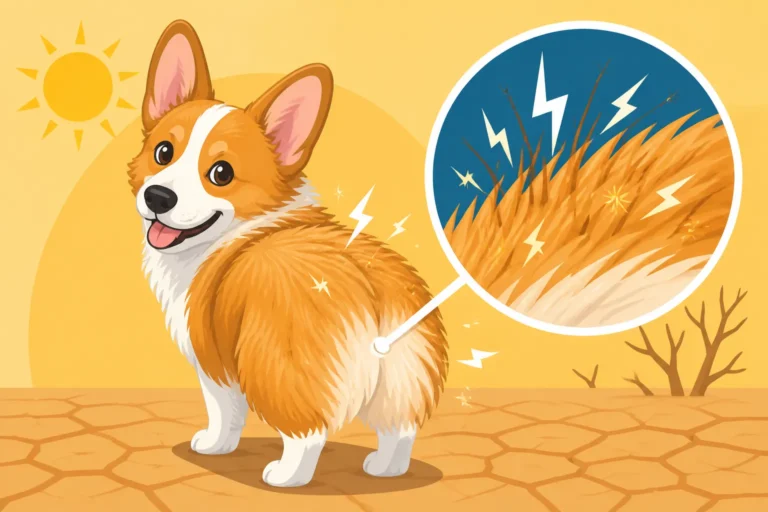
Tangles Behind a Fluffy Corgi’s Ears
Oh, the beloved fluffy Corgi! Their luxurious, flowing coats are undeniably charming, turning heads wherever they waddle. But let's be honest, that stunning coat comes with its own unique set of challenges, and few are as persistent, painful, or downright frustrating as the dreaded tangles behind their ears. You might spend ages meticulously brushing their body, only to discover a stubborn, matted knot tucked away in that sensitive spot. It's enough to make any Corgi parent sigh in exasperation, knowing that these little knots can quickly escalate into painful mats. This guide is here to walk you through exactly why these tangles love to form there, how you can prevent them from cropping up, and most importantly, the gentle, effective steps you can take to banish those troublesome ear tangles, ensuring your fluffy friend stays comfortable, happy, and tangle-free.
Understanding the Fluffy Corgi Coat and Why It Tangles
Before we can effectively tackle those pesky ear tangles, it helps to truly understand what makes a fluffy Corgi's coat so special, and so prone to knotting. It's not just "more hair"; it's a fundamentally different texture that requires a specific approach to care.
The Anatomy of a Fluffy Corgi's Coat
A standard Corgi coat is a double coat, comprised of a soft, dense undercoat and coarser, weather-resistant guard hairs. It's designed to protect them from the elements, whether herding in a cold Welsh pasture or basking in the summer sun. Now, imagine that, but with a twist: a fluffy Corgi carries a recessive gene that causes their guard hairs to be significantly longer, softer, and often silkier than the standard. This isn't a coat "fault" in terms of beauty – it's incredibly striking – but it does mean their protective outer layer behaves very differently.
These longer, finer guard hairs, combined with the already dense undercoat, create a perfect storm for tangles. They catch on everything, from stray bits of grass to their own shed undercoat. Instead of shedding out easily, loose hairs can get caught and weave themselves into the existing coat, forming tight knots and mats. It's like having a beautiful, intricate tapestry that, left untended, will quickly become a muddled mess. Many owners find themselves grappling with this unique challenge, often underestimating the sheer volume and texture difference of a fluffy coat compared to a standard one. It truly is a different grooming beast.
Why Behind the Ears is a Hotspot
So, why do these tangles seem to gravitate specifically to the delicate area behind the ears? It’s a combination of factors that make this spot a prime candidate for matting, often catching owners by surprise. First, think about friction. Every time your Corgi shakes their head, rubs against furniture, or even just wears a collar or harness, that friction can cause the fine hair behind the ears to rub together and knot. These little movements, seemingly innocuous, can start the process of matting without you even noticing until it's too late.
Secondly, the hair itself in this area is often finer and softer than on the rest of the body. While the guard hairs on their back might be a bit more robust, the hair right behind their ears tends to be almost silky, making it incredibly prone to knotting tightly. Add to this the natural oils and sometimes even a bit of dirt or moisture that can accumulate around the ears, and you have an environment ripe for mat formation. Owners often focus on the main body or the "trousers" when brushing, inadvertently neglecting this sensitive area because it's out of sight and can be tricky to reach. A small knot can form, and if not caught quickly, it can pull on the skin, becoming incredibly painful. This is why paying special attention to this hotspot is absolutely critical in The Fluffy Corgi and What Its Coat Demands.
Prevention is Key: Daily Habits to Avoid Tangles
Dealing with a matted ear can be a disheartening experience for both you and your Corgi. The good news is that with the right tools and a consistent routine, you can significantly reduce the occurrence of these stubborn tangles. Prevention truly is the best medicine when it comes to a fluffy Corgi's coat.
The Right Tools for the Job
You wouldn't attempt to build a house with just a hammer, and you shouldn't try to maintain a fluffy Corgi's coat with just any old brush. Having the correct grooming tools is paramount to success. For a fluffy Corgi, a high-quality slicker brush with soft, angled pins is indispensable. These brushes are designed to get through the thick undercoat and capture loose hairs without scratching the skin. You'll also need a sturdy metal comb with both fine and wide teeth. The wide-toothed end is great for initial detangling, while the fine-toothed end can help you check for any remaining small knots close to the skin.
Beyond brushes and combs, a good detangling spray can be a lifesaver. These sprays often contain conditioners that help lubricate the hair, making it easier to separate knots and reducing static. You might find excellent options from reputable brands on platforms like Amazon or Chewy. Avoid cheap plastic rakes or brushes that feel harsh, as these can pull painfully on the coat, or worse, damage the delicate guard hairs. Investing in quality tools means a more comfortable experience for your Corgi and more effective grooming for you. Remember, The Rake and Comb a Corgi Coat Actually Needs is more than just a purchase; it's an investment in your dog's comfort.
Establishing a Gentle Daily Routine
The key to preventing tangles behind a fluffy Corgi's ears is consistency. This isn't a once-a-week job; it's a daily ritual, or at least a every-other-day ritual, especially for particularly fluffy individuals or during heavy shedding seasons. Start by making grooming a positive experience. Arm yourself with a handful of your Corgi's favorite treats and choose a quiet time when they are relaxed, perhaps after a walk or a meal.
Begin by gently lifting your Corgi's ear flap, exposing the hair behind it. Use your detangling spray sparingly if the hair feels a bit dry or snarly. Then, take your slicker brush and, using light, upward strokes, gently brush away from the skin. Work in small sections, making sure to get right down to the skin without dragging or pulling. After using the slicker, follow up with the fine-toothed side of your metal comb to ensure every little strand is free of knots. Give plenty of praise and treats throughout the process. If your Corgi is particularly sensitive, keep sessions very short, building up their tolerance over time. The goal is for them to associate this routine with positive reinforcement, making future grooming sessions much easier. This regular, gentle touch helps catch small knots before they become painful mats and is crucial for Brushing a Corgi Daily Through a Shed.
Tackling Existing Tangles Safely and Gently
Even with the most diligent preventative measures, a fluffy Corgi is bound to develop a tangle or two behind the ears from time to time. The trick is to address them promptly and, most importantly, safely, to avoid causing your beloved pet any pain or distress.
Assessing the Tangle and Preparation
Before you dive in, take a moment to assess the tangle. Is it a small, loose knot you can easily separate with your fingers, or a tight, dense mat pressed close to the skin? The approach will differ based on severity. For small knots, you're in good shape for home removal. For larger, tighter mats, especially those that feel hard and are pulling on the skin, it might be time to consider professional help. Attempting to remove a severe mat yourself can be incredibly painful for your Corgi and risks accidentally cutting their skin.
Once you've evaluated the situation, gather all your tools: a good quality detangling spray (you can find various effective options at pet stores or on Chewy), your slicker brush, a metal comb (preferably with rounded teeth to prevent scratching), and if absolutely necessary, a pair of blunt-tipped scissors. Make sure you have plenty of small, high-value treats and perhaps even a helper to distract your Corgi if they're particularly squirmy. Set up in a well-lit area where your Corgi feels comfortable and secure, perhaps on a grooming table if you have one, or even on the floor with a non-slip mat. A calm environment will make the process much smoother for both of you. This preparation is essential, especially when dealing with The Long Coat on a Fluffy Corgi.
Step-by-Step Detangling Process
Now for the delicate work. Patience is your greatest tool here. First, liberally spray the tangled area with your detangling spray. Allow it to sit for a minute or two to penetrate and soften the knot. While it soaks in, you can offer your Corgi a treat to keep them happy and distracted.
Next, using your fingers, try to gently tease apart the outer edges of the knot. Don't pull; instead, try to separate individual strands. Once you've loosened it a bit, take your slicker brush and begin brushing the very tips of the tangle, working your way slowly inwards. Use short, gentle strokes, never forcing the brush through the mat. The goal is to break the mat apart in layers. This technique is often called "line brushing," where you hold the hair closest to the skin and brush out the ends, then gradually work your way up to the skin. Follow up with your metal comb to gently separate any remaining snags. If you encounter a particularly stubborn section, re-spray and repeat the process.
Only, and I mean only, if the mat is so tight and close to the skin that brushing is impossible and causing pain, should you consider using blunt-tipped scissors. Even then, proceed with extreme caution. Slide the blunt tip of the scissors under the mat, parallel to the skin, and make small snips into the mat, never across it. This helps to break the mat into smaller sections that can then be brushed out. Never cut straight across a mat, as it's almost impossible to tell where the skin ends and the mat begins, and you risk a serious injury. If you have any doubt, stop and call a professional groomer. Remember to reward your Corgi generously with treats and praise throughout, making it as positive an experience as possible.
When to Call a Professional Groomer
There are times when a tangle is simply beyond the scope of at-home care, and it's important to recognize when to wave the white flag and call in a professional. If you encounter a mat that is extremely large, very tight, or appears to be pulling on your Corgi's skin causing discomfort or pain, it's always best to seek professional help. These kinds of severe mats can sometimes cut off circulation to the skin or create a breeding ground for infections if left untreated.
A professional groomer has specialized tools and experience to safely and humanely remove even the most severe mats. They can often de-mat coats that would be impossible or unsafe for a home groomer to tackle. In some extreme cases, a matted coat may need to be completely shaved off, a procedure best performed by someone skilled in handling anxious dogs and sharp tools. Don't feel like a failure for needing to call a groomer; you're prioritizing your Corgi's well-being and preventing potential injury. Find a groomer who specifically has experience with double-coated breeds like Corgis and understands the nuances of managing a fluffy coat. Many groomers are very adept at handling a Corgi That Cannot Stay Standing during grooming, making the experience less stressful for older or less mobile dogs.
Long-Term Corgi Coat Health and Prevention
Tackling tangles is an immediate solution, but fostering overall coat health is a long-term strategy that minimizes future problems. A healthy coat is less prone to matting and easier to maintain, making your life and your Corgi's much more comfortable.
Nutrition and Coat Quality
You might not immediately connect what's in your Corgi's bowl with the state of their fur, but nutrition plays a significant role in coat quality. A balanced, high-quality diet provides the essential fatty acids, vitamins, and minerals necessary for healthy skin and a shiny, resilient coat. When a Corgi isn't getting adequate nutrition, their coat can become dry, brittle, and more prone to breakage, which in turn makes it a prime candidate for tangling and matting.
Consider feeding a premium dog food, whether it's a high-quality kibble from a brand available on Chewy or a fresh, human-grade option like Ollie. Some owners also supplement their Corgi's diet with fish oil, which is rich in Omega-3 fatty acids known for promoting healthy skin and a lustrous coat. While supplements aren't a magic bullet for tangles, they can certainly help the overall health of the fur, making it smoother and more manageable. Always discuss any dietary changes or supplements with your veterinarian to ensure they're appropriate for your Corgi. A healthy diet can contribute to Whether Fish Oil Thickens a Corgi Coat, making it stronger and less prone to snags.
Regular Maintenance Beyond the Ears
While the ears are a notorious hotspot, it's crucial to remember that a fluffy Corgi's coat requires attention all over. Extend your gentle daily ear-brushing routine to other areas prone to matting. These include the "armpits" (behind the front legs), the chest, the "trousers" (the fluffy hair on their hind legs), and the tail. These spots experience a lot of friction and can quickly develop tight knots if neglected.
Beyond daily spot checks, aim for a thorough, full-body brushing session at least two to three times a week. This involves systematically working through their entire coat, section by section, with your slicker brush and metal comb, making sure to get all the way down to the skin. Regular bathing, perhaps once a month or as needed, is also important to remove dirt and excess oils. However, the most critical step after a bath is thorough drying. A damp undercoat, especially on a fluffy Corgi, can quickly mat as it dries, creating a nightmare for brushing. Use a dog-specific high-velocity dryer if you have one, or a regular hairdryer on a cool setting, while continuously brushing to ensure the undercoat is completely dry. This is especially important for Getting a Corgi Dry Through the Undercoat.
Addressing Underlying Issues
Sometimes, excessive or recurring matting can be a symptom of an underlying health issue. If your Corgi suddenly develops an unusual amount of matting, or if you notice skin irritation, redness, or tenderness beneath the mats, it's worth a visit to your veterinarian. Skin allergies, parasites, fungal infections, or even hormonal imbalances can affect coat health, making it more prone to tangling, excessive shedding, or developing hot spots.
Your vet can perform a thorough examination, check for any skin conditions, and rule out medical causes for the coat problems. They might recommend specific medicated shampoos, dietary changes, or other treatments to address any health issues. A healthy Corgi generally has a healthy coat, so persistent or severe matting, even in a fluffy Corgi, should always prompt a closer look at their overall well-being. Keeping an eye on their general health, including their weight and mobility, also plays a part in easy grooming; for instance, it's harder to brush a Corgi That Cannot Stand Long comfortably.
| Grooming Tool | Primary Use | Key Benefit for Fluffy Corgis | Caution |
|---|---|---|---|
| Slicker Brush | Detangling, removing loose undercoat, general brushing | Penetrates dense undercoat, gentle on longer guard hairs | Can scratch skin if pressed too hard |
| Metal Comb | Checking for knots, separating fine hairs, finishing | Gets deep to the skin, reveals hidden tangles | Avoid pulling; can cause pain on matted areas |
| Detangling Spray | Lubricating coat, softening knots | Makes mats easier to separate, reduces static | Use sparingly; avoid getting into eyes |
| Blunt-Tipped Scissors | Carefully breaking up severe mats (last resort) | Can relieve extreme matting that cannot be brushed | High risk of cutting skin; use with extreme caution and only into the mat, never across. |
Disclaimer
This article is for general informational purposes only and does not constitute professional advice. Laws, prices and regulations vary by location and change over time. Consult a qualified professional for guidance on your specific situation.