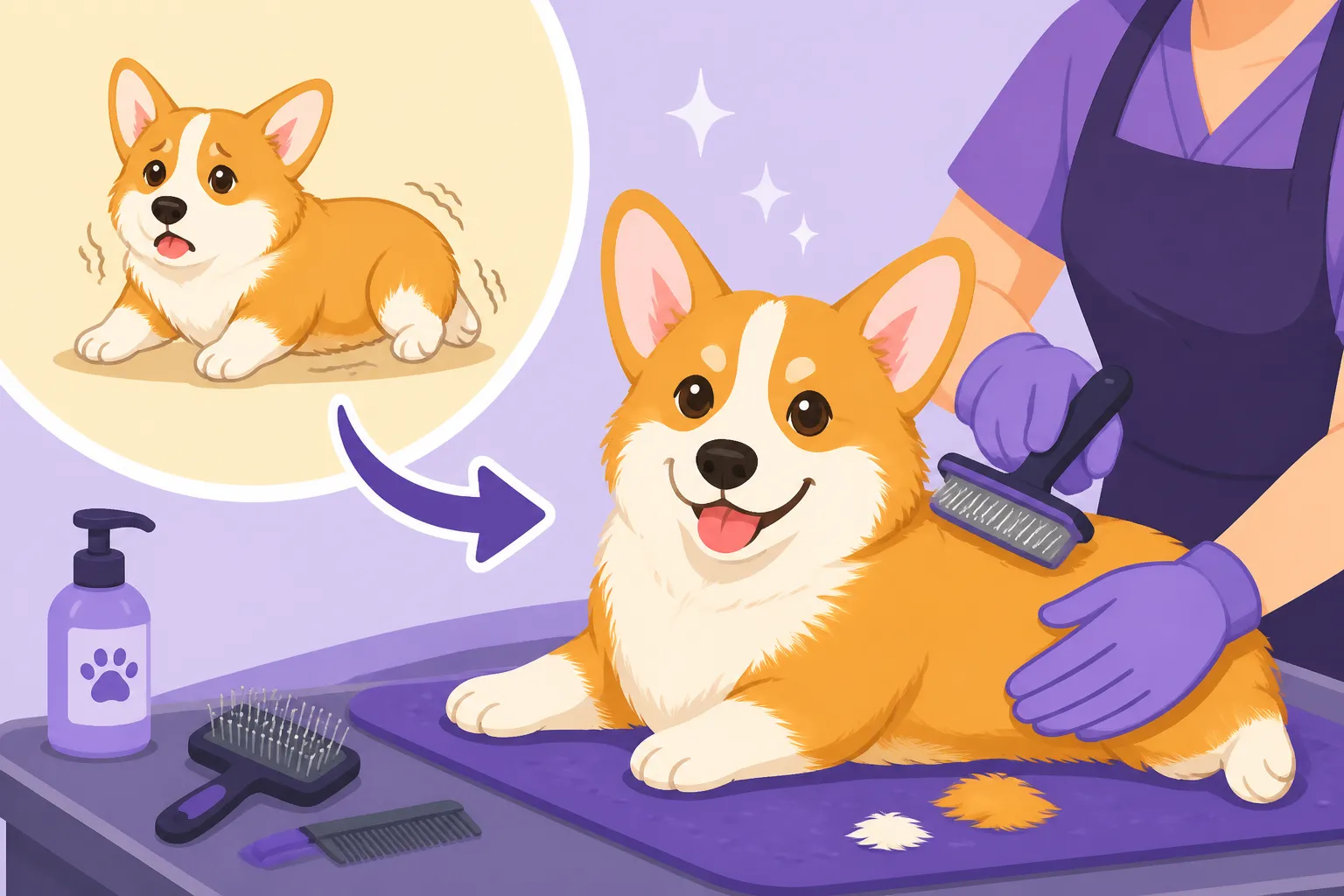
Grooming a Corgi That Cannot Stay Standing
It's truly heartbreaking to watch your beloved Corgi struggle with something as simple as standing, especially when it comes to routine care like grooming. The vibrant, active little herder you once knew might now be wobbly, hesitant, or even unable to support themselves for more than a few moments. This shift can turn what used to be a bonding experience into a source of stress and worry for both of you. You might find yourself wondering how on earth you're going to keep their fluffy coat clean, their nails trimmed, or prevent painful matting when they can't even hold still. This guide is here to walk you through compassionate, practical ways to groom a Corgi that can no longer stand independently, helping you navigate this challenging phase with love and confidence.
Understanding Why Standing is a Struggle
Our Corgis are magnificent, sturdy little dogs, but their unique physique, with that long back and those short legs, unfortunately, predisposes them to certain mobility challenges as they age or due to genetic predispositions. It's a tough reality for many Corgi owners, and it often means adjusting our care routines significantly.
Common Mobility Issues in Corgis
When your Corgi starts to falter on their feet, it's not just a sign of old age; it often points to specific underlying conditions that are all too common in the breed. The most notorious culprit is Degenerative Myelopathy (DM). This isn't just "doggy dementia" for their legs; it's a progressive neurological disease that gradually causes weakness, loss of coordination, and eventually paralysis, typically starting in the hindquarters. Watching your Corgi's back legs scuff, wobble, or cross over as they try to walk is a classic, agonizing first sign. If you haven't already, reading up on Degenerative Myelopathy and the Corgi can provide invaluable context.
Another major concern is Intervertebral Disc Disease (IVDD), often colloquially called a "slipped disc." Our Corgis are chondrodystrophic breeds, meaning their cartilage develops abnormally, making their spinal discs prone to degeneration and herniation. A disc can bulge or rupture, pressing on the spinal cord and causing immense pain, weakness, or paralysis. This can happen suddenly, like after a jump, or develop more gradually. Even without a full rupture, chronic disc issues can cause persistent back pain that makes standing, balancing, and even just shifting weight incredibly uncomfortable. If you've been noticing sudden reluctance to move or a yelp when they're picked up, Disc Disease in a Long-Backed Corgi is an essential read.
Then there's the pervasive issue of arthritis, especially in their hips, knees, and even their unique front-end structure. Years of supporting that long body on short legs can take a toll on their joints. While not as dramatic as a sudden disc rupture or the neurological decline of DM, chronic joint pain makes every movement a calculated effort, and standing still for any length of time can become unbearable. Sometimes, it's a combination of these issues that leads to a general decline in mobility, making grooming an increasingly difficult task.
Recognizing Your Corgi's Discomfort
It's crucial to become an expert in recognizing subtle signs of discomfort in your Corgi, especially during grooming. They can't tell you in words that their back hurts or their hips ache, so we need to be vigilant interpreters of their body language. Beyond obvious limping or refusal to stand, look for:
- Shifting weight frequently: While you're brushing them, do they constantly try to redistribute their weight, unable to settle into one position? This might indicate localized pain.
- Trembling or shaking: Particularly in their hindquarters or legs, this isn't always fear; it can be muscle fatigue or pain.
- Grunting, groaning, or sighing: These vocalizations, even soft ones, can be expressions of discomfort when moving or being held.
- Reluctance to cooperate: If your Corgi, normally a patient grooming subject, starts to resist, pull away, or even nip gently (not out of aggression, but pain), it's a clear signal.
- Panting or heavy breathing: Especially if they're not hot or stressed, this can be a sign of pain or anxiety from discomfort.
- Licking or chewing at specific areas: They might try to self-soothe by excessively licking a painful joint or their lower back.
- Anxious expressions: Widened eyes, tucked ears, or a tense body can all communicate "I'm not comfortable."
Understanding these cues allows you to stop, reposition them, or take a break, preventing further stress and pain. Remember, patience and empathy are your greatest tools during this time. Ignoring these signals can make future grooming sessions even more challenging, as your Corgi might associate the process with pain and become resistant.
Essential Gear and Setup for Supported Grooming
Adapting your grooming approach for a Corgi with mobility challenges starts with creating an environment that maximizes their comfort and stability. Trying to force them to stand on a slippery floor or an unstable surface will only exacerbate their pain and anxiety.
Creating a Safe and Accessible Grooming Station
The goal here is to bring your Corgi up to a comfortable working height for you, while keeping them as low to the ground and as stable as possible for them.
- Low Grooming Table: Investing in a low-profile grooming table is often a game-changer. Look for one with adjustable height, allowing you to lower it almost to the floor for easy on and off access. This eliminates the need for lifting or jumping, which can be dangerous for compromised spines. Brands like those found on Amazon often offer hydraulic or electric options that go incredibly low.
- Non-Slip Surfaces: This is non-negotiable. Whether it's your grooming table, your kitchen counter, or the bathroom floor, every surface your Corgi touches during grooming must be non-slip. Use high-quality rubber mats, yoga mats, or even thick bath towels secured in place. This prevents their legs from splaying, which can cause painful slips and fear. You can find excellent non-slip mats on Chewy or at pet supply stores.
- Comfortable Padding: Even if they're not standing, they'll be resting some weight on the table. Place an orthopedic bed, a thick memory foam mat, or several soft blankets on the grooming surface. This cushions their joints and bony areas, making a long session more tolerable. Choosing a Firm Bed for a Corgi highlights the importance of proper support.
- Proximity to the Floor: For very severe cases, you might even consider grooming on the floor. Get yourself a comfortable cushion or stool and work with your Corgi lying down or propped up. This completely removes the risk of falls and minimizes stress.
Tools to Aid Stability and Comfort
Beyond the basic setup, a few specialized tools can make a world of difference in keeping your Corgi stable and comfortable during grooming.
- Support Harnesses and Slings: These are invaluable. A full-body support harness or a sling that goes under their belly can help you gently support their weight while they're standing (or partially standing). This takes pressure off their weakening limbs and back, allowing them to remain upright for short periods with less strain. Some harnesses come with handles on the back, allowing you to steady them without bending awkwardly. Many great options are available from online retailers like Amazon.
- Grooming Loops and Nooses: If using a grooming table, a grooming loop is essential for safety, not just restraint. It gently keeps them in place, preventing them from attempting to jump off or inadvertently stepping backward. Make sure it's snug enough to be safe but never restrictive or uncomfortable. Always stay with your Corgi when they are tethered.
- Pillows and Bolsters: Small, firm pillows or rolled towels can be strategically placed to prop up a leg, support their chest if they're lying down, or provide a soft barrier. This is especially helpful if they need to lie on their side for belly or paw grooming.
- Soft, Grippy Paw Covers or Socks: If your Corgi has very slippery paws, even on a non-slip surface, temporary paw covers with grippy bottoms can provide extra traction and confidence. This is a bit of a niche item, but can be found on sites like Amazon.
Gentle Grooming Techniques for Compromised Mobility
Once your grooming station is set up for success, the actual grooming process needs to be adapted to minimize strain and maximize your Corgi's comfort. This means rethinking how you approach everything from brushing to bathing.
Brushing and Deshedding Without Strain
Our Corgis have those glorious double coats that demand regular attention, regardless of their mobility. When standing is difficult, you'll need to get creative.
- Work in Stages: Instead of trying to do a full deshedding session in one go, break it down into smaller, manageable chunks. Focus on one side of their body, then let them rest. Come back later for another section. This prevents fatigue and keeps the experience positive.
- The "Corgi Roll" Method: If your Corgi is comfortable lying down, gently encourage them to lay on one side. You can then brush their entire exposed side, including their belly and legs. When you're done, offer praise and a treat, then gently roll them to the other side. Use soft, encouraging words throughout.
- Supported Standing: If they can bear some weight, use a sling or harness to help them stand for brief periods while you tackle the topline and flanks. Have them lean against your legs or a sturdy, soft cushion.
- Appropriate Tools: A good slicker brush and an undercoat rake are your best friends. The rake is crucial for getting through that dense undercoat without pulling. Remember, The Rake and Comb a Corgi Coat Actually Needs can guide you to the right tools. Be extra gentle, especially around their hips and lower back, where they might be sensitive. Long, flowing strokes are better than short, jabbing ones.
- Distraction is Key: High-value treats (like small pieces of cooked chicken or a lick mat smeared with peanut butter, checked with your vet) can keep them happily occupied while you work. For longer sessions, a food puzzle toy can be a great distraction. Ollie offers nutritious treat options that could work well here.
Nail Trims, Paw Care, and Hygiene
These tasks are vital for their overall comfort and health, but can be incredibly tricky when they can't stand steadily. Long nails can exacerbate mobility issues by changing their gait and causing pain. Nail Length and What It Does to a Corgi's Gait explains this further.
- Nail Trimming in Repose: The easiest way to trim nails on a Corgi who can't stand is when they're lying down. Gently extend one paw at a time, holding it securely but not tightly. If they're nervous, try trimming just one or two nails at a time, rewarding heavily. You might need two people: one to support and distract, and one to trim.
- Grinder vs. Clippers: Many Corgis tolerate a Dremel-style nail grinder better than clippers, as it's less jarring. If using clippers, make sure they are sharp.
- Paw Pad Inspection: While they're down, take the opportunity to inspect their paw pads for cuts, sores, or excessive hair growth between the toes, which can make walking even harder. Gently trim any excess fur that might be collecting dirt or impeding their grip.
- Belly and Rear End Hygiene: Corgis are lowriders, and their bellies and rear ends can get dirty quickly, especially if they're dragging or having accidents. Use pet-safe wipes or a warm, damp cloth to clean these areas daily. For matted or soiled fur around the rear, a gentle trim with blunt-nosed scissors (always pointing away from the skin) or an electric trimmer is essential to prevent skin irritation and infection.
Bathing a Corgi Who Can't Stand
Bath time for a Corgi with mobility issues can feel like a daunting task, but with the right approach, it doesn't have to be a nightmare.
- The Shallow Tub or Basin Method: Forget the deep bathtub. A shallow basin, a baby bathtub, or even just sitting them on a non-slip mat in a walk-in shower is ideal. Fill it with only an inch or two of warm water – just enough to reach their belly.
- Support During the Bath: Keep your Corgi supported throughout. If they can partially stand, use a sling or have someone gently hold them. If they need to lie down, let them. Work quickly and efficiently, focusing on cleaning the dirtiest areas first.
- Handheld Showerhead: This is a lifesaver. A handheld showerhead allows you to precisely wet and rinse specific areas without moving your Corgi excessively. It’s also less startling than pouring water from a cup.
- Gentle Shampoo and Thorough Rinsing: Use a mild, pH-balanced dog shampoo. Lather gently, focusing on areas prone to dirt and odor (belly, paws, rear). The most important part is thorough rinsing. Any shampoo residue left in their thick undercoat can cause skin irritation. Getting a Corgi Dry Through the Undercoat is a critical step; damp undercoats can lead to hot spots.
- Drying: After the bath, wrap them in a super-absorbent towel. For many Corgis, a low-heat, forced-air pet dryer can significantly speed up drying and help remove loose undercoat without much physical effort from your dog. Keep the dryer moving to avoid overheating any one spot. If a dryer is too much, multiple towels and air drying in a warm, draft-free room will work, just ensure they are completely dry, especially their undercoat.
Emotional Support and Patience During Grooming
Beyond the physical adjustments, the emotional aspect of grooming a Corgi with compromised mobility cannot be overstated. This is a sensitive time for them, and your presence and calm demeanor are their anchor.
Keeping Your Corgi Calm and Positive
A grooming session should be as stress-free as possible, transforming it from a chore into a positive interaction, even if they can't stand.
- Frequent Breaks: Don't push through if you notice signs of discomfort or fatigue. Take short, five-minute breaks. Let them lie down, offer water, or just provide gentle petting and reassurance. Break the entire process into multiple short sessions over a day or two if needed.
- High-Value Rewards: Keep a stash of their absolute favorite treats on hand. Reward them frequently for good behavior, even for just tolerating a brush stroke or allowing you to touch a paw. The goal is to create positive associations. Brands like Ollie often offer high-quality, palatable treats that can be very motivating.
- Soothing Voice and Gentle Touch: Your voice is powerful. Use a calm, reassuring tone throughout the process. Your touch should always be gentle and deliberate. Avoid quick, sudden movements that might startle them or cause them to lose balance.
- Comforting Rituals: Establish a routine. Before starting, give them a gentle massage, a quiet moment of cuddles, or their favorite chew toy. This signals that it's a calm time and can help them settle.
- Respect Their Limits: If there's a day they're clearly having a bad mobility day, reschedule non-essential grooming tasks. Prioritize what's most important for their health and comfort (like quick hygiene wipes or a very gentle brush-through).
When to Seek Professional Help
There will be times when, despite your best efforts, you might feel overwhelmed or unable to meet your Corgi's grooming needs safely and comfortably. That's perfectly okay, and it's a sign of a responsible, caring owner to recognize your limits.
- Professional Groomers with Special Needs Experience: Many professional groomers specialize in senior dogs or those with mobility issues. They often have hydraulic grooming tables that lower all the way to the floor, specialized slings, and techniques for dogs that can't stand. They are skilled at reading dog body language and prioritizing comfort over perfection. Don't hesitate to call around and ask about their experience with Corgis and mobility challenges.
- Veterinary Grooming: For Corgis with severe pain, extreme anxiety, or complex medical conditions, your veterinarian might offer grooming services, sometimes with light sedation if necessary. This can be a safer option as a vet or vet tech can monitor their health and administer pain relief if needed. This is particularly relevant if your Corgi has conditions like Degenerative Myelopathy and the Corgi or severe Disc Disease in a Long-Backed Corgi.
- Regular Vet Check-ups: Ensure your Corgi is regularly seen by your vet to manage their underlying mobility issues. They might benefit from pain relief medication, joint supplements, or even therapies like Physiotherapy for a Corgi Losing Its Legs or Acupuncture for a Corgi With Back Pain, which can make grooming more tolerable in the long run. Good medical management of their condition will always make home care easier.
- Don't Feel Guilty: It's natural to want to do everything for our dogs, but recognizing when a task is beyond your capabilities or causing undue stress to your Corgi is a strength, not a weakness. Professional help can ensure your Corgi remains clean, comfortable, and healthy without adding extra strain to their already challenging day-to-day life. This might also free up your energy to focus on other aspects of their care, like helping them with Mobility Aids for a Corgi That Cannot Walk or simply providing extra cuddles.
| Grooming Task | Challenge for a Corgi Who Can't Stand | Supported Approach |
|---|---|---|
| Brushing/Deshedding | Standing fatigue, back strain, inability to shift weight. | The "Corgi Roll": Gently roll onto each side. Supported Standing: Use a sling, lean against you. Short Sessions: Break into multiple small sessions. |
| Nail Trimming | Instability, fear of falling, painful to lift paws. | Lying Down: Trim while Corgi is relaxed on their side. Two People: One to distract/support, one to trim. Grinder: Often less jarring than clippers. |
| Paw Pad Care | Reaching low areas, lifting legs for inspection. | Lying Down/Propped: Use pillows to support a lifted leg. Wipes: For daily cleaning without lifting. |
| Belly/Rear Hygiene | Dragging, accidents, low clearance. | Wipes/Damp Cloth: Daily spot cleaning. Gentle Trimming: With blunt-nosed scissors (away from skin) or trimmer while lying. |
| Bathing | Standing in water, getting in/out of tub, drying. | Shallow Basin: Minimal water. Sling/Support: Aid standing. Handheld Shower: Targeted rinsing. Absorbent Towels/Dryer: Thorough drying while lying. |
Disclaimer
This article is for general informational purposes only and does not constitute professional advice. Laws, prices and regulations vary by location and change over time. Consult a qualified professional for guidance on your specific situation.