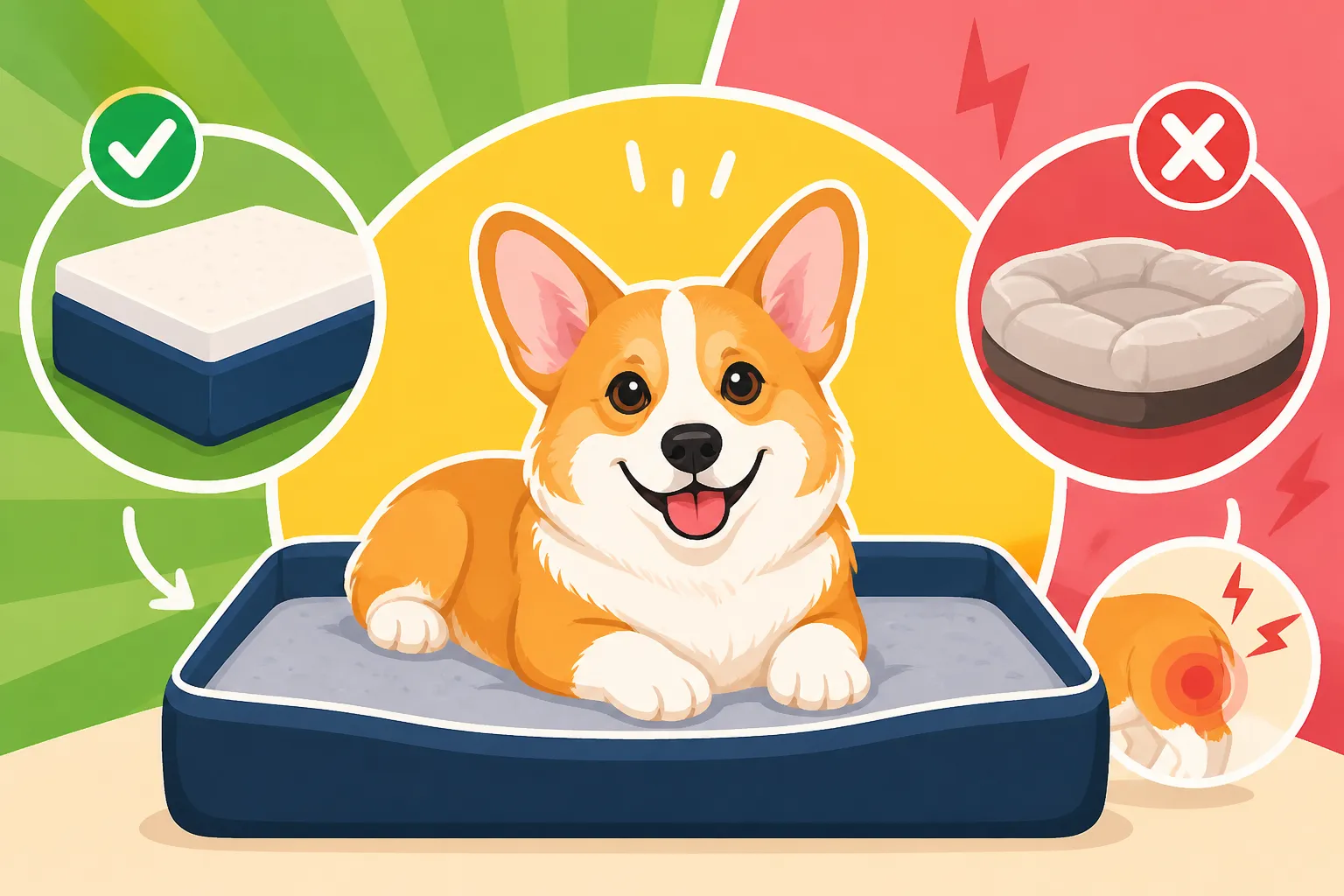
Choosing a Firm Bed for a Corgi
It's a common sight: our short-legged, long-bodied Corgis look utterly adorable curled up in a fluffy, soft bed, practically disappearing into the plushness. But as tempting as those squishy, cloud-like beds might seem, for a Corgi, they can actually be a recipe for discomfort and even contribute to long-term spinal problems. The truth is, when it comes to a Corgi's sleep, firm support isn't just a suggestion; it's a vital part of protecting their unique, vulnerable anatomy. This guide will walk you through exactly why a firm bed is so crucial for your Corgi and what to look for to ensure they get the supportive rest they deserve.
Why a Firm Bed is Non-Negotiable for Your Corgi
You might think a super soft bed equals ultimate comfort, but for a Corgi, whose entire body structure is built around a long back and short legs, that couldn't be further from the truth. Their spinal health is paramount, and a firm bed plays a huge role in safeguarding it.
Understanding Corgi Anatomy and Vulnerabilities
Let's get real about Corgi bodies for a moment. They're built low to the ground, with a notably long spine relative to their height. This unique conformation, a hallmark of chondrodystrophic breeds, makes them more susceptible to certain orthopedic issues, particularly Disc Disease in a Long-Backed Corgi. Imagine your own spine trying to hold a perfectly straight line while lying on a saggy hammock all night; it just wouldn't work. For a Corgi, a bed that doesn't offer consistent, firm support allows their spine to sink and flex in unnatural ways.
Every time they lie down, a soft bed lets their mid-section sag, putting undue strain on the intervertebral discs that act as cushions between their vertebrae. Over time, this constant unsupported positioning can exacerbate existing weaknesses or contribute to new problems. Their short legs mean they're already carrying weight lower, and without proper spinal alignment during rest, gravity becomes more of a foe than a friend.
The Difference Between Firm Support and Hard Surfaces
Now, let's clear something up: "firm" does not mean "hard." Nobody wants their beloved Corgi sleeping on a cold, unyielding floor. What we're talking about with "firm support" is a surface that offers resistance, distributing your Corgi's weight evenly across their body without allowing their spine to sink or curve. It's about maintaining a neutral spinal alignment, much like a good orthopedic mattress does for a human.
A truly supportive bed will cradle their body, conforming just enough to relieve pressure points, but never letting their back bow or dip. Think of it like a perfectly supportive shoe versus a worn-out sneaker. The supportive shoe holds your foot in alignment, while the worn-out one lets your foot pronate or supinate, causing pain over time. For a Corgi, a hard surface might not be ideal either, as it can create too much pressure on joints, but a soft, unsupportive bed is arguably worse for their spine in the long run. The goal is consistent, resilient support that pushes back just enough to keep that long back straight and happy.
Preventing and Managing Back-Related Issues
Choosing the right bed is more than just a comfort choice; it's a preventative health measure, especially for a breed like the Corgi. A firm, orthopedic bed helps prevent the micro-traumas that can accumulate over time from poor sleeping posture. By keeping their spine aligned, you're reducing strain on those crucial intervertebral discs, potentially delaying or mitigating the onset of conditions like IVDD. It’s part of a holistic approach to their spinal health, alongside managing their weight—remember, Why Corgi Weight Is a Spinal Problem is a serious concern—and avoiding activities like jumping.
For Corgis who might already be showing signs of stiffness, or have a confirmed disc issue, the right bed can be incredibly therapeutic. It provides a stable, pain-free resting place, allowing their muscles to relax and their spine to decompress overnight. It can make a noticeable difference in how they move in the mornings, reducing that familiar stiffness and reluctance to get up. Think of it as part of their daily physical therapy, ensuring their body has the best chance to recover and rest properly.
Key Features to Look for in a Corgi Bed
So, you're convinced. A firm bed is the way to go. But what specifically should you be looking for when you're wading through all the options out there? It can feel overwhelming, but focusing on these key features will steer you in the right direction.
Orthopedic Foam for Spinal Alignment
This is the absolute cornerstone of a good Corgi bed. You want a bed that incorporates high-density orthopedic foam, often memory foam, as its primary support layer. This isn't the flimsy, egg-crate foam you might find in cheaper beds. We're talking about substantial, resilient foam that will hold its shape and density for years.
When your Corgi lies down, the orthopedic foam should gently conform to their body's contours, cradling them without allowing them to sink through to the floor. This provides even pressure distribution, which is vital for relieving stress on joints and keeping that long spine in a neutral position. Look for beds with a thickness of at least 3-4 inches of solid foam for smaller Corgis, and potentially more for larger or heavier individuals. Some excellent options can be found on sites like Chewy or Amazon, but always read reviews to ensure the foam quality is up to par. Remember, the foam should bounce back quickly when your Corgi gets up, indicating it's truly high-density and supportive.
Edge Support and Ease of Entry/Exit
A great orthopedic bed for a Corgi isn't just about the center; it's also about the edges. Have you ever seen a Corgi try to get onto a soft bed only for the edge to collapse under their weight? It’s not only frustrating for them, but it can also put a sudden, twisting strain on their back as they awkwardly maneuver. You need a bed with strong, stable edge support that doesn't sag when they step on it or try to hoist themselves up. This ensures they can get on and off the bed safely and easily, without unnecessary jumps or awkward stretches that can compromise their spine.
Consider your Corgi's mobility. For some, bolsters around the edge can offer a comforting headrest or a sense of security. However, for a Corgi with existing mobility challenges or an older Corgi, very high or soft bolsters might actually make it harder for them to enter and exit the bed. A low-profile design with firm, stable edges or easily accessible "cut-out" areas might be more beneficial in these cases. The easier it is for them to simply step onto their bed, the better for their precious back.
Durability and Maintenance
Let's face it, Corgis are shedding machines, and they love to track in dirt. A bed might be perfectly supportive, but if it can't stand up to the daily rigors of Corgi life, it's not truly practical. Durability is key. Look for beds made with robust fabrics that can withstand scratching, digging, and frequent washing. Denim, canvas, or heavy-duty synthetic blends are often good choices.
Crucially, the cover should be easily removable and machine washable. Many high-quality orthopedic beds come with multiple layers of covers – an inner, water-resistant liner to protect the foam from accidents, and a durable, washable outer cover. This makes maintenance a breeze, ensuring the bed stays clean and hygienic without compromising the integrity of the foam. Imagine trying to clean a thick, non-removable cover after a muddy adventure; it's a nightmare! Investing in a well-made bed means it will maintain its supportive qualities for longer, making it a better long-term investment for your Corgi's health.
Common Bedding Types and Their Suitability for Corgis
Walking through the pet store or browsing online, you'll encounter a dizzying array of dog beds. Knowing which types are beneficial and which to avoid for your Corgi's specific needs is critical.
Memory Foam and Orthopedic Beds
Without a doubt, memory foam and other true orthopedic beds are usually the gold standard for Corgis. These beds are specifically designed to provide superior support and pressure relief, which is exactly what a Corgi's long, vulnerable spine needs. They typically feature layers of dense foam that conform to your dog's body, distributing weight evenly and reducing stress on joints. You'll often find these specifically marketed as Orthopedic Beds for a Corgi.
- Pros:
- Excellent Spinal Support: Keeps the spine in a neutral, healthy alignment.
- Pressure Point Relief: Reduces discomfort on hips, elbows, and shoulders, especially important for older Corgis or those with arthritis.
- Durability: High-density foam holds its shape and support much longer than traditional stuffing.
- Therapeutic: Can significantly improve comfort for Corgis with existing back issues or joint pain, making a noticeable difference in their morning mobility.
- Cons:
- Cost: Generally more expensive upfront than other bed types, but a worthwhile investment in health.
- Heat Retention: Some memory foams can retain body heat, which might be a consideration for Corgis who already tend to run a bit warm due to their double coat. However, many modern orthopedic beds incorporate cooling gels or breathable designs to mitigate this.
- Weight: They can be quite heavy and bulky, making them less portable.
When shopping, look for brands that specialize in pet orthopedic care. Many reputable online retailers, including Chewy and even specialized pet bed companies like Ollie, offer high-quality orthopedic beds that fit these criteria.
Elevated Beds and Cots
Elevated beds, often called cots, are another option worth considering, particularly if your Corgi tends to get warm or you're looking for something easy to clean outdoors. These beds feature a sturdy frame with a taut fabric or mesh surface stretched across it, lifting your dog off the ground.
- Pros:
- Excellent Airflow: Being off the floor allows for 360-degree air circulation, which can be fantastic for keeping Corgis cool, especially during warmer months. This is a huge bonus, as Heat Sensitivity Under a Corgi's Double Coat can be a real issue.
- Easy to Clean: The mesh surface is often simple to wipe down or hose off, making them ideal for outdoor use or for Corgis prone to accidents.
- Reduced Pressure Points: While not as cushioning as foam, the taut surface still distributes weight fairly evenly, preventing the spine from sagging like it would in a plush, unstructured bed.
- Easy Entry for Some: The slight elevation can make it easier for some Corgis to get on and off without a huge step.
- Cons:
- Less Cushioning: They don't provide the same deep cushioning and pressure relief as a good memory foam bed, which might not be ideal for Corgis with advanced joint issues.
- Stability: Ensure the frame is very sturdy and doesn't wobble, which could deter a cautious Corgi.
- "Step Up" Height: For Corgis with very limited mobility, even a small step up could be a challenge. You might need to pair it with a ramp if the height is significant, similar to using Ramps and Steps That Save a Corgi's Back for furniture.
Avoiding Fluffy, Beanbag, or Sagging Beds
This is where tough love comes in. As much as those fluffy, donut, or beanbag style beds look inviting, they are generally a poor choice for Corgis. These beds offer little to no structural support for their long backs.
- Why to Avoid:
- No Spinal Support: They allow your Corgi's spine to sink and conform to an unnatural, often curved position, putting immense strain on their intervertebral discs. This is the opposite of what you want for a breed prone to Disc Disease in a Long-Backed Corgi.
- Uneven Weight Distribution: Weight isn't distributed evenly, creating pressure points and making it hard for muscles to fully relax.
- Difficult to Get On/Off: The soft, shifting material can be unstable and make it difficult for Corgis to safely get in and out, risking awkward twists or jumps.
- Short Lifespan: The filling in these beds quickly compacts and loses any minimal loft it might have had, becoming even less supportive over a short period.
- Exacerbates Stiffness: A night spent on an unsupportive bed means a Corgi will often wake up stiff and sore, especially as they get older.
It’s crucial to understand that while these beds might be cheaper or appear cozy, they are a false economy when it comes to your Corgi's health. The potential for exacerbating or causing back problems far outweighs any perceived cuteness or initial cost savings.
Integrating the Right Bed into Your Corgi's Lifestyle
Getting the right bed is one thing, but how you integrate it into your Corgi's daily life makes all the difference. It's about more than just a purchase; it's about creating an environment that actively supports their health and well-being.
Placement and Accessibility
Where you put your Corgi's bed is nearly as important as the bed itself. Ideally, your Corgi should have access to a supportive bed in every main area of the house where they spend significant time. This means one in the living room, one in the bedroom, and perhaps even one in a quiet corner of the kitchen if they hang out there during meal prep. The goal is to discourage them from choosing less supportive spots, like the cold hard floor or, worse, jumping onto the sofa and off again—something we strongly advise against. Whether a Corgi Should Ever Jump Off a Sofa is a topic close to our hearts, because those small impacts add up.
If you choose an elevated bed, or if your Corgi likes to sleep on a human bed, always provide appropriate ramps or steps. These tools are invaluable for helping your Corgi get to their favorite spots without putting undue stress on their back. Make sure the ramps are wide, stable, and have good traction. Accessibility means they can easily and safely transition from standing to resting without awkward movements.
Monitoring Your Corgi's Comfort and Health
Once you've invested in a fantastic new firm bed, keep an eye on your Corgi. Are they using it readily? Do they seem more comfortable? Signs that a bed isn't working might include reluctance to lie down, excessive shifting to find a comfortable position, or waking up stiff. Pay attention to their gait and movement throughout the day. Are they getting up more easily in the morning? Do they seem less sore after a long walk?
Regular veterinary check-ups are also crucial. The Annual Exam Where a Corgi's Back Gets Checked isn't just for vaccines; it's an opportunity for your vet to assess their mobility and spinal health. Mention the type of bed they're sleeping on and any changes you've observed. Good bedding is a piece of the puzzle, and your vet can help ensure all the pieces, including diet, exercise, and preventative care, are working together. This proactive approach can make a huge difference in their long-term comfort and mobility.
Considering Age and Specific Health Needs
A Corgi's needs change over time, and their bed should adapt with them.
- Puppies: Even young Corgis benefit from a firm, supportive bed. Starting good habits early can set them up for a lifetime of better spinal health. While a fluffy puppy might look adorable swallowed by a soft bed, teaching them to prefer firm support from the beginning is wise. Keeping a Growing Corgi Puppy on the Thin Side is also important to avoid unnecessary strain on their developing bones and joints, which goes hand-in-hand with good bedding.
- Adult Corgis: This is when preventative care really pays off. A firm bed helps maintain their healthy spine, especially as they enter the years where disc issues or Corgi Hips and Front-End Structure problems might begin to show up.
- Older Corgis: As Corgis age, their joints and spine naturally become more vulnerable. An older Corgi often needs even superior support. An orthopedic bed can provide significant relief for those with existing arthritis, stiffness, or early signs of degenerative conditions. For senior Corgis, Screening an Older Corgi's Spine is a good idea to catch any developing issues early. A soft, sinking bed will only exacerbate their aches and pains, while a firm, well-designed Orthopedic Beds for a Corgi can offer immense comfort and improve their quality of life. For Corgis experiencing pain, it's also worth discussing Pain Relief for an Old Corgi's Back with your vet, and a good bed is a non-pharmacological way to support that relief.
- Corgis with DM or IVDD: For Corgis diagnosed with conditions like Degenerative Myelopathy or Intervertebral Disc Disease, a truly firm, supportive bed is absolutely critical. It becomes a vital piece of their daily care, helping to minimize discomfort and support their body as they lose mobility. Alongside other Mobility Aids for a Corgi That Cannot Walk, their bed offers a safe, stable haven.
Ultimately, choosing a firm, orthopedic bed is one of the kindest and most impactful decisions you can make for your Corgi's long-term health and comfort. It's an investment in their happiness, ensuring that their unique body gets the support it needs to live a full, active life, right from the moment they lie down to rest. And for those wondering What an Ideal Corgi Weighs, remember that proper weight management, combined with excellent bedding, is the best gift you can give their back.
Disclaimer
This article is for general informational purposes only and does not constitute professional advice. Laws, prices and regulations vary by location and change over time. Consult a qualified professional for guidance on your specific situation.