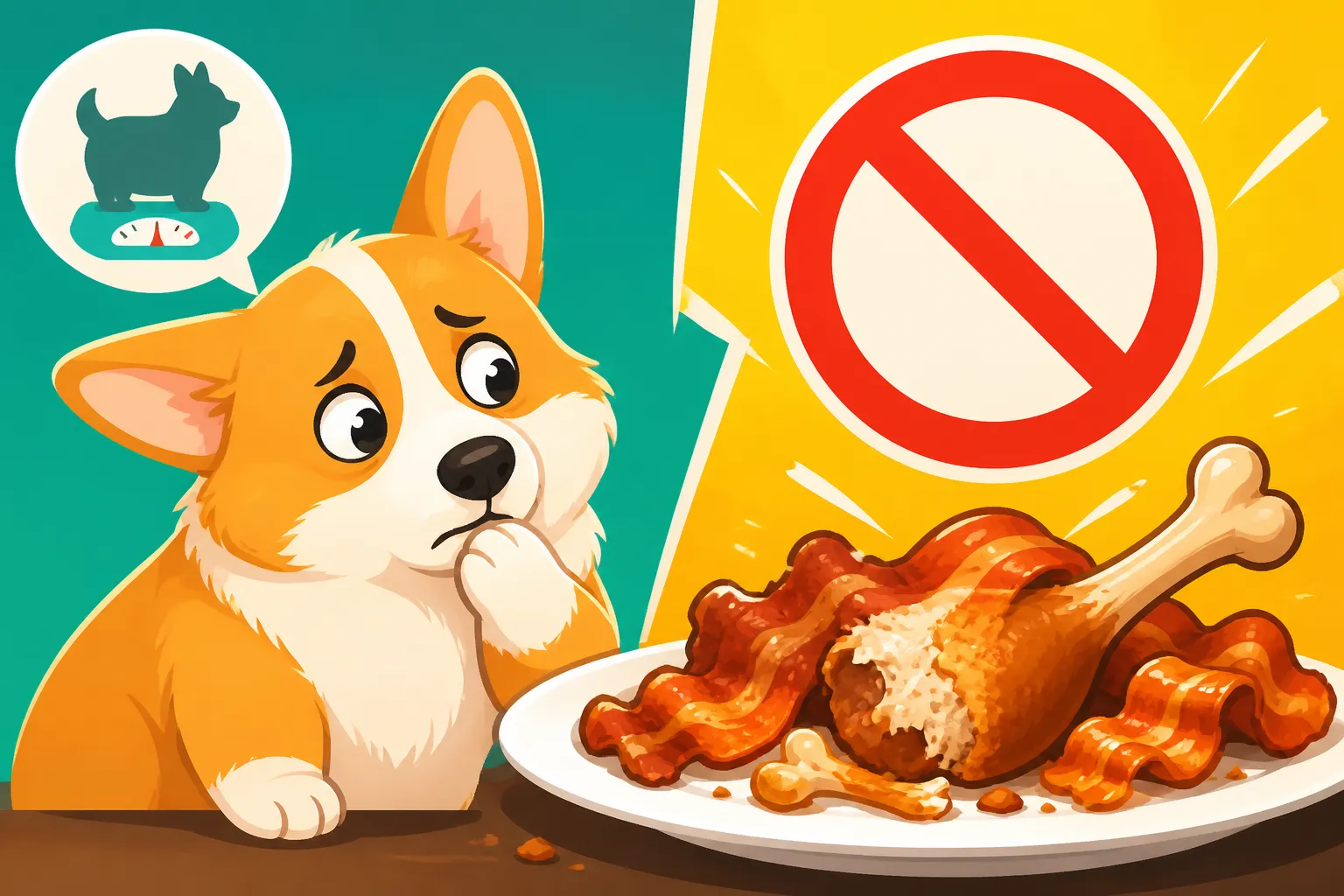
Scraps That Undo a Corgi’s Diet
Oh, the battle against the puppy-dog eyes! If you're a Corgi owner, you know the struggle is real when it comes to table scraps. Those adorable, pleading gazes from a Corgi sitting at your feet can make even the most iron-willed among us crack, leading to a sneaky bite of your dinner ending up in their waiting mouth. But those seemingly innocent morsels can quickly derail your Corgi's carefully planned diet, leading to a host of health and behavioral problems that are far from cute. This guide is here to lay bare the truth about table scraps and give you practical strategies to keep your Corgi healthy, happy, and away from your plate.
The Stealthy Sabotage of Table Scraps
It's easy to think, "Oh, it's just a tiny bit, it won't hurt." But for a Corgi, those "tiny bits" are far more significant than you might realize, and they can carry hidden dangers that go beyond just extra calories.
Why Those "Small Bites" Aren't Small for a Corgi
Let's put things into perspective. Imagine you're enjoying a bag of potato chips. A single chip to you feels like nothing. Now, consider your Corgi, a compact powerhouse of a dog, likely weighing in the range of 20-30 pounds. That one chip, packed with fat and salt, represents a far greater caloric and nutritional impact on their smaller body than it does on yours. A single French fry might be 10-15 calories. If your Corgi's daily calorie target is, say, 700 calories (and you can find more detail on The Calorie Target for a Twenty-Eight Pound Corgi), then a handful of fries could easily represent 5-10% of their entire daily intake. It adds up shockingly fast, like putting an extra gallon of gas in a car designed for a pint.
Many Corgi owners work hard to keep their dogs at a healthy weight, measuring kibble precisely and carefully selecting treats. But then a few bites of human food slip in, undoing all that effort in mere moments. These stealth calories don't provide the balanced nutrition your Corgi needs; they just pile on empty energy that quickly turns into extra pounds.
Beyond Calories: The Hidden Dangers in Human Food
The problem isn't just weight gain, serious as that is for a breed prone to back issues like Disc Disease in a Long-Backed Corgi. Many common human foods contain ingredients that are outright toxic or incredibly harmful to dogs. Think about it:
- Onions and Garlic: These are frequently found in savory dishes and can cause red blood cell damage in dogs, leading to anemia. Even powdered forms in seasonings are dangerous.
- Chocolate: Most people know chocolate is bad, but it bears repeating. The darker the chocolate, the more toxic it is due to theobromine.
- Xylitol: This artificial sweetener, found in sugar-free gum, candies, and even some peanut butters, is highly toxic to dogs, causing a rapid release of insulin and a dangerous drop in blood sugar, sometimes leading to liver failure.
- Grapes and Raisins: These innocent-looking fruits can cause sudden kidney failure in some dogs, and the exact toxic agent isn't fully understood, making any amount risky.
- Avocado: While less severe, avocado contains persin, which can cause vomiting and diarrhea in dogs, especially in larger quantities.
Beyond these toxins, high-fat foods like bacon grease, fatty meats, or fried items can trigger pancreatitis, a painful and potentially life-threatening inflammation of the pancreas. Cooked bones, especially chicken or pork, splinter easily and can cause choking, internal punctures, or blockages, leading to emergency veterinary visits. Even seemingly benign items like corn on the cob can cause intestinal obstruction. It's a minefield out there for a curious Corgi nose!
Understanding Your Corgi's Dietary Needs
To truly understand why table scraps are so problematic, it helps to grasp what a Corgi's diet should be. These dogs are built for a specific purpose, and their nutrition needs to support that.
The Ideal Corgi Diet: What It Should Look Like
An ideal diet for your Corgi revolves around high-quality, nutritionally complete dog food. This means kibble that's specifically formulated to provide all the essential nutrients in the right proportions for their life stage, whether they're a puppy, adult, or senior. Consistency is key here. Your vet can help you determine the appropriate brand and type of food, taking into account any specific health needs or sensitivities your Corgi might have.
Portion control is absolutely paramount for a Corgi. Their compact, long bodies mean that even a small amount of extra weight puts immense strain on their spine and joints. It's crucial that you measure their food, rather than just scooping. Use a kitchen scale to get precise measurements, as even small differences in volume can add up over time. A healthy Pembroke should generally be around What a Pembroke Should Weigh, and closely monitoring their weight and The Body Condition Score a Corgi Owner Aims For is vital. Many owners use their Corgi's daily kibble ration as Training Treats That Fit a Corgi's Allowance to ensure they're not overfeeding.
For those looking for fresh food options, services like Ollie offer pre-portioned, human-grade meals tailored to your dog's specific caloric needs, which can be a great way to ensure precise nutrition without the guesswork. No matter what food you choose, remember that the goal is to provide balanced, consistent nutrition to fuel their active minds and bodies.
How Table Scraps Disrupt a Balanced Nutrition Plan
When table scraps enter the picture, that carefully balanced nutritional plan goes right out the window. Suddenly, your Corgi isn't just getting their complete and balanced meal; they're also getting random additions that throw everything off kilter.
Firstly, these scraps often provide an excess of certain nutrients (like fat or sodium) and a deficiency of others (like essential vitamins and minerals) that are meticulously balanced in quality dog food. This can lead to nutritional imbalances over time, impacting everything from coat health to organ function. For instance, a diet too high in fat can not only cause pancreatitis but also contribute to issues like obesity, which, as we'll discuss, has profound implications for a Corgi's unique physique.
Secondly, feeding table scraps can turn your Corgi into a picky eater. Why eat boring old kibble when there's a chance of delicious human food? This can lead to your Corgi refusing their regular meals, holding out for something "better." This pickiness creates a vicious cycle: they don't eat their balanced food, so you worry they're not eating enough, and you might be tempted to offer more scraps to get them to eat something. This only reinforces the behavior.
Finally, allowing table scraps can foster undesirable behaviors. Begging at the table, pawing, whining, or even counter surfing become learned behaviors if they are occasionally rewarded. Your Corgi is smart; they quickly learn that persistence pays off. This can make mealtimes for humans a stressful affair and creates an unhealthy dynamic around food.
Strategies to Combat the Scraps Habit
Breaking the table scrap habit requires a multi-pronged approach and, most importantly, consistency from everyone in the household.
Educating the Whole Household (Including Guests!)
This is often the hardest part, especially if you have children or frequent guests. Everyone needs to be on the same page. Start by holding a family meeting where you explain why table scraps are harmful to your Corgi, focusing on both the health risks (pancreatitis, toxins, weight gain) and the behavioral consequences (begging, pickiness). Create a clear, non-negotiable rule: no human food from the table, ever.
When guests visit, a little pre-emptive communication goes a long way. You might say, "Please, we know how tempting it is, but for [Corgi's Name]'s health, we never give him human food from the table. We really appreciate your help keeping him healthy!" You can even set out a small bowl of Corgi-approved treats (like some kibble or carrot sticks) and direct guests to give those instead, but only away from the table and as a reward for calm behavior, not begging. Make sure kids understand this too – a Corgi's low stature makes them an easy target for dropped food or accidental offerings from little hands.
Healthier Alternatives and Training Rewards
Instead of human food, offer your Corgi healthy, dog-appropriate snacks. Many Corgis adore raw carrot sticks, green beans, or small pieces of apple (without seeds). These are low in calories and high in fiber, making them a much better choice. You can find a wide variety of healthy dog treats on platforms like Chewy, ensuring they are specifically formulated for dogs and won't upset their stomach or nutritional balance.
A fantastic strategy is to use a portion of your Corgi's daily kibble ration for training and treats. This way, you're not adding extra calories to their day but still rewarding them. For example, if your Corgi gets two cups of kibble a day, set aside a quarter cup to use throughout the day for good behavior, training sessions, or when you want to give them a "treat" during your meal prep. This also means you don't have to worry about whether Training Treats That Fit a Corgi's Allowance are adding unnecessary calories or upsetting their digestive system.
Managing Mealtime Begging and Counter Surfing
If your Corgi has already mastered the art of begging, it's time to break that habit. Consistency is crucial. The moment your Corgi starts to beg or whine at the table, redirect them. A common and effective method is to teach them a "place" command. This means they go to their bed or a designated mat and stay there calmly until you release them. Start by rewarding them heavily for staying on their place while you're not eating, then gradually introduce distractions, working up to human mealtimes.
If a "place" command isn't feasible, consider crating your Corgi or confining them to another room during your mealtimes. This removes the opportunity to beg and prevents them from associating your eating with their potential gain. When you release them, ensure it's after you've finished eating and cleaned up, so they don't get the idea that waiting patiently leads to scraps.
For the crafty Corgis who might try counter surfing (they are surprisingly agile despite their short legs!), prevention is key. Never leave food unattended on counters or low tables. If it's not there, they can't get it. Interactive feeders or slow-feeder bowls, easily found on Amazon or Chewy, can also keep them occupied and focused on their own food during your meal times, using devices like Bowls That Slow a Corgi's Eating.
The Long-Term Impact of a Scraps-Heavy Diet
While the immediate issues of begging and potential toxicity are concerning, the long-term consequences of a diet heavy in table scraps are even more serious, especially for a Corgi.
Weight Gain and Its Detrimental Effects on a Corgi's Body
This cannot be stressed enough: extra weight is devastating for a Corgi. Their distinctive long backs, while adorable, are incredibly vulnerable. Every extra pound your Corgi carries puts added strain on their intervertebral discs. This significantly increases their risk of painful and debilitating disc ruptures, a condition that can lead to paralysis and often requires expensive emergency surgery or extensive, long-term care. You might read about this more in articles like The Corgi Years When the Back End Gives Out or Screening an Older Corgi's Spine.
Beyond the spine, obesity also takes a toll on their joints, accelerating the onset and severity of conditions like arthritis, particularly in their hips and elbows. An overweight Corgi is less agile, more prone to injuries, and less enthusiastic about play, impacting their overall quality of life. Furthermore, carrying excess weight increases the risk of serious health issues like Diabetes Risk in an Overweight Corgi, heart disease, and certain types of cancer. It directly impacts their longevity, with studies showing that How Obesity Shortens a Corgi Life. Making the effort to keep your Corgi lean is one of the kindest things you can do for them. For tips on managing their weight, check out How Slowly a Corgi Should Come Down in Weight and Whether a Corgi Needs a Vet Diet or Just Less.
Behavioral Changes and Digestive Upset
Beyond the physical health risks, a diet with regular table scraps can lead to a host of behavioral problems. Your Corgi might become constantly focused on food, exhibiting excessive begging, even when you're not eating. This can escalate to resource guarding, where they become possessive over food or even perceived food items, potentially leading to growling or snapping if someone approaches their bowl or a dropped crumb. You might be surprised to learn that whether a Corgi begs harder than other breeds is a common concern among Corgi owners, and part of this behavior is often learned through reinforcement with scraps.
Digestively, introducing human food, especially fatty or seasoned items, can wreak havoc on a Corgi's sensitive system. Vomiting, diarrhea, and abdominal pain are common reactions to a sudden change in diet or exposure to rich foods. This not only causes discomfort for your dog but also creates extra work for you, cleaning up messes and potentially needing veterinary intervention. Imagine trying to explain to your vet why your Corgi has an upset stomach after a 'tiny bite' of your spicy dinner!
Ultimately, maintaining a consistent, balanced diet free from human table scraps is one of the most loving and responsible things you can do as a Corgi owner. It protects their unique physique, prevents serious health complications, and fosters a harmonious household environment.
Comparing Safe Vs. Risky Human Food for Corgis
To help you remember what's generally okay (in moderation, as a rare treat, or as a training reward) and what's definitely off-limits, here's a quick guide. Always consult your vet before introducing new foods, especially if your Corgi has allergies or sensitivities.
| Food Item | Corgi Friendly (in moderation) | Avoid at All Costs | Why? |
|---|---|---|---|
| Vegetables | Carrots, Green Beans, Cooked Sweet Potato (plain) | Onions, Garlic, Avocado | Carrots/green beans are low-calorie fiber; Onions/Garlic toxic; Avocado can cause digestive upset. |
| Fruits | Apple Slices (no seeds), Blueberries, Banana | Grapes, Raisins, Cherries (pits) | Fruits offer vitamins; Grapes/Raisins cause kidney failure; cherry pits contain cyanide. |
| Meats | Small pieces of plain, cooked chicken (no skin/bone) | Fatty cuts of meat, Cooked bones, Processed Meats | Plain chicken is lean protein; Fatty meats cause pancreatitis; Cooked bones splinter; Processed meats high in sodium/fat. |
| Dairy | Plain yogurt (small amount, occasional) | Milk, Cheese, Ice Cream | Many dogs are lactose intolerant; high fat/sugar content. |
| Grains | Plain cooked rice, Plain cooked pasta (small) | Bread dough (uncooked) | Small amounts are digestible; uncooked dough expands and produces alcohol in stomach. |
| Sweets | Chocolate, Candies, Anything with Xylitol | All are toxic or highly dangerous. | |
| Fats/Oils | Butter, Oils, Fried Foods | High fat content can lead to pancreatitis and obesity. | |
| Seasonings | Salt, Pepper, Spices, Sauces | Can cause dehydration, upset stomach, or contain toxic ingredients. |
Disclaimer
This article is for general informational purposes only and does not constitute professional advice. Laws, prices and regulations vary by location and change over time. Consult a qualified professional for guidance on your specific situation.