Whether a Corgi Should Drink After a Run
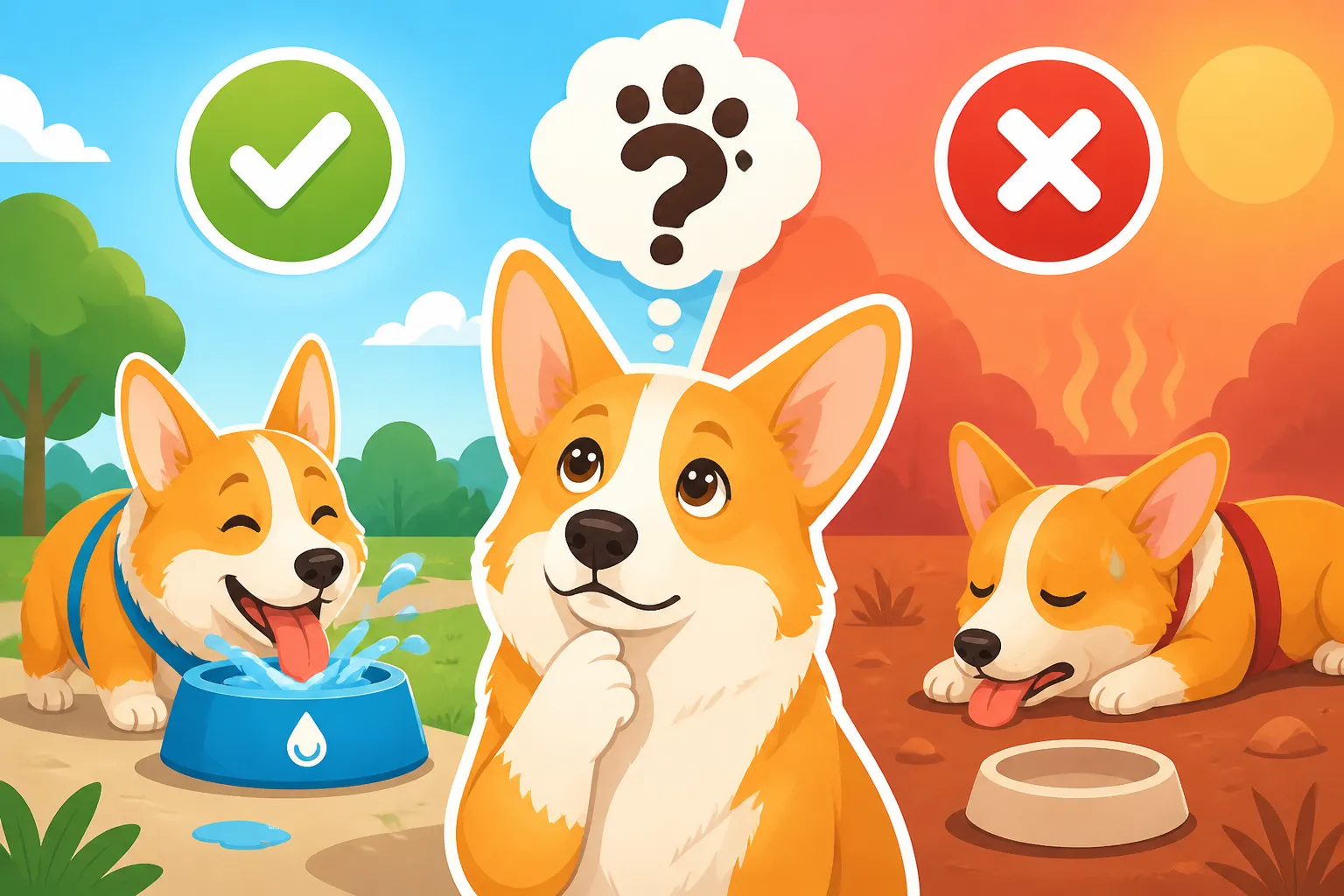
It’s a scenario every Corgi parent knows well: you’ve just come back from a spirited walk, a romp at the park, or even a vigorous session of zoomies in the yard, and your beloved Corgi immediately makes a beeline for the water bowl, ready to lap up every drop as if their life depends on it. This intense thirst is natural, but the speed and volume at which they sometimes drink can spark a real worry in our hearts. This guide will walk you through the safest ways to let your Corgi rehydrate after exercise, helping you avoid potential health concerns and ensuring they get the refreshment they need.
Why Post-Exercise Thirst is Intense and Carries Risks
Corgis, with their powerful little engines packed into those low-slung bodies, expend a surprising amount of energy during play and exercise. Their short legs mean they have to work harder and take more steps to cover the same distance as a longer-legged dog, which can significantly raise their body temperature. This exertion, especially on warmer days, leads to an urgent need to cool down and rehydrate.
The Corgi's Energetic Nature and Heat Regulation
Think about it: your Corgi is built for herding, for quick bursts of speed and agility. Even if they're just chasing a ball in the garden, those short legs are pumping, their little bodies are overheating, and their breathing rate increases to help dissipate heat. This is their body's natural response to exertion, and it triggers a strong thirst mechanism. They're trying to replenish lost fluids and lower their core temperature. It’s no wonder they seem desperate for water! They’re not just being dramatic; their physiology is demanding it. For more on keeping them comfortable, check out How a Corgi Handles Hot Weather.
However, this natural, urgent thirst can lead to some risky habits. When a Corgi gulps down a large volume of water very quickly, they don't just ingest water; they also swallow a lot of air. This rapid intake can set the stage for several issues, some of which are quite serious.
Understanding the Dangers of Rapid Drinking
The primary concern with a dog rapidly consuming large amounts of water is a condition called Gastric Dilatation-Volvulus (GDV), more commonly known as bloat. While bloat is often associated with deep-chested breeds, it's not exclusive to them, and any dog can be at risk, especially with factors like rapid eating or drinking, or intense exercise around meal times. When your Corgi gulps water and air, their stomach can distend significantly. In severe cases, this distended stomach can twist on itself, trapping gas, food, and fluid, cutting off blood supply, and becoming a life-threatening emergency. This is why watching their post-exercise water intake is crucial.
Beyond bloat, rapid water consumption can also lead to vomiting, simply because their stomach is overwhelmed. Imagine chugging a huge bottle of water after a run yourself – your stomach would probably rebel! For Corgis, this can cause discomfort and further dehydration if they vomit up what they just drank. In rare cases, especially with extreme exertion and then excessive, rapid water intake, there's even a risk of water intoxication (hyponatremia), where the sodium levels in the body become dangerously diluted. This is less common but can occur if a dog drinks truly enormous amounts of water without sufficient electrolytes, though it's more often seen in dogs playing excessively in water. When your Corgi shows signs of overheating, it’s always best to be cautious, as described in Heat Stroke Signs in a Corgi.
Smart Hydration: The Post-Run Water Protocol
Given the risks, the goal isn't to deny your Corgi water, but rather to manage how and when they drink it. Implementing a sensible post-exercise hydration protocol can make a huge difference in their safety and comfort.
The Importance of a Proper Cool-Down
The most critical step before offering water is to allow your Corgi to properly cool down. This isn't just about catching their breath; it's about letting their heart rate, respiration, and body temperature gradually return to normal. Immediately after an intense run or play session, your Corgi's body is still in "full throttle" mode.
Instead of rushing to the water bowl, spend 5-10 minutes engaging in a calm, leashed walk or simply sitting quietly in a cool, shaded spot. This active cool-down allows their cardiovascular system to normalize and helps prevent blood pooling in their extremities. During this time, offer praise and gentle petting. Once they've settled, their panting has lessened, and they appear calmer, then it's time to offer water. This patience can genuinely prevent problems.
Portion Control and Pacing Techniques
Once your Corgi has cooled down, resist the urge to put down a full, overflowing bowl. Instead, offer small, controlled portions of water. Think of it as serving them "rounds" of drinks.
- Small Portions First: Start with about a quarter to half a cup of water, depending on your Corgi's size and the intensity of the exercise. Let them drink that, then remove the bowl for 5-10 minutes.
- Gradual Increase: If they seem to settle well and don't show any signs of gulping excessively or bloating, you can offer another small portion. Repeat this process every 5-10 minutes until they seem adequately rehydrated. The key is to break up their intake into manageable amounts.
- Slow-Feeder Bowls: For Corgis who are particularly prone to rapid drinking, a slow-feeder bowl can be a game-changer. These bowls have ridges or maze-like patterns that force your dog to take smaller sips and slow down their consumption. You can find excellent options on online retailers like Chewy or Amazon, designed specifically to address this issue. They come in various designs, from simple elevated ridges to more complex patterns. These aren't just for food!
Here's a quick comparison of methods:
| Hydration Method | Pros | Cons | Best For |
|---|---|---|---|
| Free Access (Full Bowl) | Convenient for owners | High risk of bloat/vomiting, rapid intake | Not recommended post-exercise |
| Portion Control | Significantly reduces bloat risk, prevents gulping | Requires owner supervision | All Corgis after moderate to intense exercise |
| Slow-Feeder Bowl | Encourages slower drinking, less air intake | Dog needs to learn to use it | Corgis prone to gulping, can be used daily |
| Ice Cubes (Small) | Can slow drinking, provides some cooling | Risk of choking if too large, can upset stomach if too many/cold | Mildly thirsty Corgis, as a treat |
Optimal Water Temperature and Other Considerations
The temperature of the water also plays a role. While it might seem intuitive to offer icy cold water to an overheated dog, extremely cold water can actually shock their system and, in some cases, trigger stomach upset. Cool or room-temperature water is ideal. It’s refreshing enough to help them cool down without being so cold it causes a reaction.
Consider portable water bottles with attached drinking cups for when you’re out on walks or at the park. These allow you to offer small sips on the go, making it easier to manage their intake even when away from home. Being prepared means you can prevent a frantic dash to the nearest shared dog bowl. Remember, even short, vigorous bursts of activity require smart hydration; your Corgi only needs The Forty-Five Minutes a Corgi Needs Daily of exercise to feel it.
Monitoring Your Corgi for Trouble
Even with the best preventative measures, it's essential to know what to look for, just in case something goes awry. Being able to spot the signs of distress quickly can be life-saving.
Recognizing Early Warning Signs
After any vigorous exercise, and especially after drinking water, keep a close eye on your Corgi for the following signs, which could indicate a problem:
- Excessive Drooling or Gagging: More than usual, or if they seem to be trying to vomit but nothing is coming up.
- Restlessness and Pacing: If they can't seem to get comfortable, are getting up and lying down repeatedly.
- Distended or Bloated Abdomen: Look for a visibly swollen stomach, especially on their left side, that feels tight to the touch. This is a critical sign of bloat.
- Pain or Discomfort: Whining, groaning, or exhibiting signs of pain when you gently touch their abdomen.
- Lethargy or Weakness: If they suddenly become unusually tired, weak, or collapse.
- Rapid, Shallow Breathing: While some panting is normal after exercise, unusual or labored breathing after resting and drinking is a red flag.
- Pale Gums: A sign of shock, which can accompany severe issues like bloat.
Any combination of these symptoms, especially a distended abdomen, warrants immediate attention.
When to Call the Vet: Emergency Situations
If you observe any of the severe signs mentioned above, particularly a swollen abdomen accompanied by distress, do not wait. This is an emergency situation that requires immediate veterinary intervention. Bloat, in particular, can progress very rapidly and can be fatal if not treated promptly. Call your vet or the nearest emergency veterinary clinic while you are on your way to ensure they are ready for your arrival. Every minute can count in these situations.
Even if you're unsure, a quick call to your vet can provide peace of mind and guidance. They might advise you to monitor for a short period, or they might recommend coming in right away. Trust your gut instinct – you know your Corgi best.
General Hydration and Health Tips
Beyond post-exercise care, maintaining good hydration habits day-to-day is key to your Corgi's overall health and can help prevent issues.
- Constant Fresh Water Access: Always ensure your Corgi has access to fresh, clean water throughout the day. Bowls should be kept clean and refilled regularly.
- Moisture-Rich Foods: Incorporating moisture into their diet can also help. Many Corgi owners find that adding a bit of warm water to dry kibble, or feeding wet food, increases their overall fluid intake. Some brands, like Ollie, offer fresh, human-grade food that has a higher moisture content, which can contribute to hydration. If you're considering dietary changes, always discuss it with your vet.
- Limit Exercise During Peak Heat: Avoid intense exercise during the hottest parts of the day. Early mornings and late evenings are generally safer for Corgis, given their dense double coats and low stature, which puts them closer to hot pavement. For tips on managing their temperature, see Cooling a Corgi Down in Hot Weather.
- Weight Management: Keeping your Corgi at a healthy weight also reduces the strain on their body during exercise and makes heat regulation easier. An overweight Corgi will become overheated and thirsty much faster than one at an ideal What a Pembroke Should Weigh. Regular controlled exercise is important, but make sure to monitor their recovery carefully, as Whether Exercise Slows Corgi Myelopathy is a common question.
By understanding the risks and implementing smart hydration strategies, you can ensure your Corgi stays happy, healthy, and safely hydrated after every adventure.
Disclaimer
This article is for general informational purposes only and does not constitute professional advice. Laws, prices and regulations vary by location and change over time. Consult a qualified professional for guidance on your specific situation.