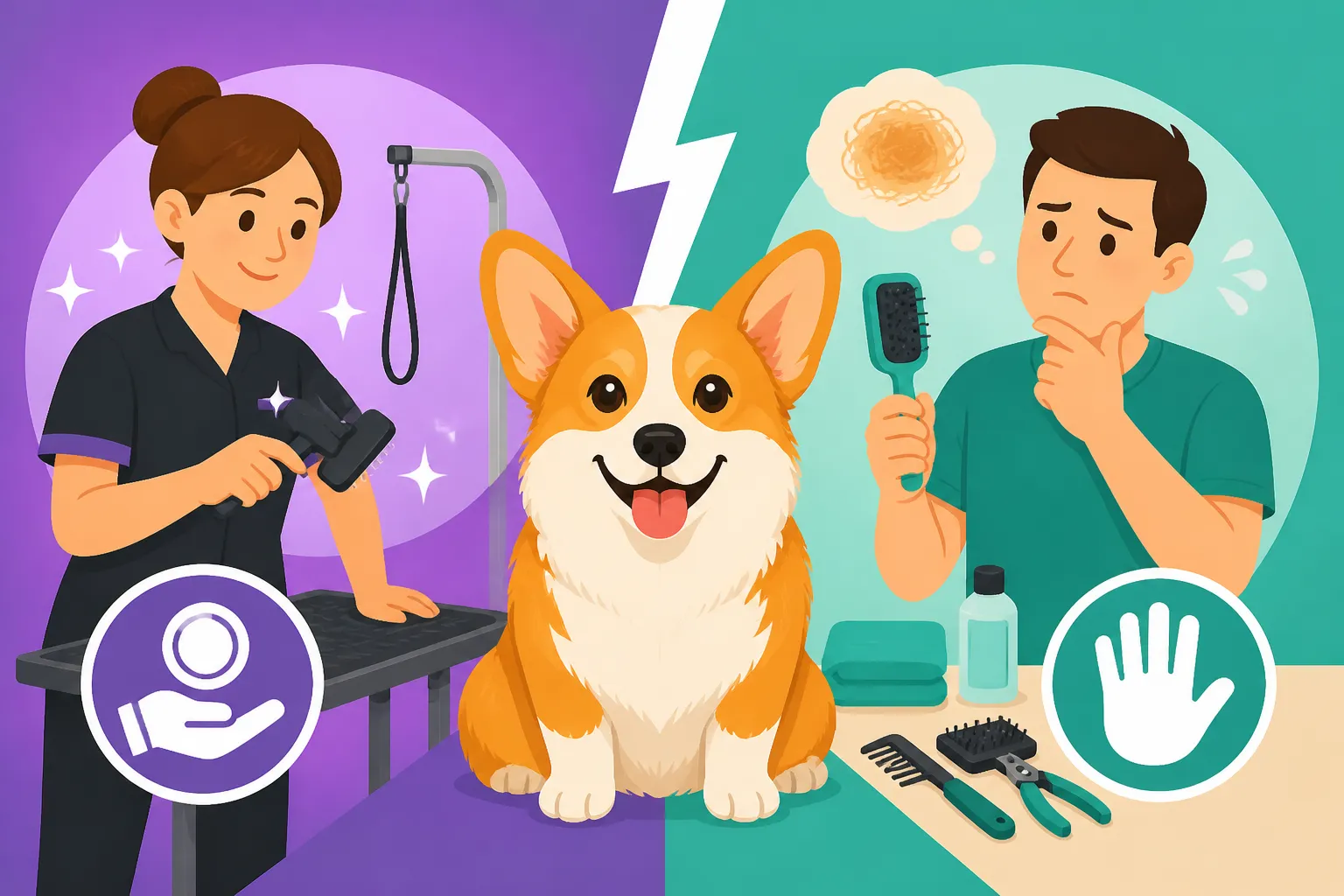
Corgi Grooming Costs Against Doing It Yourself
Anyone who has ever lived with a Corgi knows the truth: their majestic fluff is a double-edged sword. While undeniably adorable, it's also a constant source of hair, covering every surface imaginable. The question then becomes, how do you manage this magnificent mane without breaking the bank or losing your sanity? This comprehensive guide dives deep into the costs and considerations of Corgi grooming, comparing the pros and cons of professional services against taking the clippers and brushes into your own hands.
Understanding the Corgi Coat and Its Grooming Needs
Before we even talk about costs, it's vital to truly understand what makes a Corgi's coat so unique – and such a grooming challenge. This isn't just fur; it's a finely engineered piece of natural insulation and protection, designed for the working life these dogs once led.
The Double Coat Explained
A Corgi's coat is a marvel of nature, consisting of two distinct layers, each with its own purpose. First, there's the coarse, weather-resistant outer layer, often called the "guard hairs." These hairs are somewhat stiff and water-repellent, forming a protective shield against rain, snow, and thorny undergrowth when Corgis were herding cattle in the fields of Wales. This outer layer also contributes significantly to their vibrant coloration, whether it's the rich reds, sables, or classic tricolor patterns we all adore.
Beneath this protective shell lies the dense, soft undercoat. This fluffy layer is incredibly thick and provides insulation, keeping your Corgi warm in winter and surprisingly, helping to keep them cool in summer by trapping a layer of air against their skin. It’s this undercoat that is primarily responsible for the infamous Corgi "glitter" that seems to magically appear on all your clothes and furniture. Without regular care, this undercoat can mat, especially in areas of friction, leading to skin irritation and discomfort for your dog.
Why Corgis Shed So Much
Ah, the shedding. It’s the number one topic of conversation among Corgi owners, often accompanied by a wistful sigh and a lint roller. Corgis are chronic, year-round shedders, but they truly excel in what's known as "blowing their coat" at least twice a year, typically in spring and fall. During these periods, you'll literally pull out handfuls of soft undercoat, and it will feel like your Corgi is trying to disappear into a cloud of fluff. It’s a natural process as their body adapts to seasonal temperature changes, shedding the thick winter undercoat for a lighter summer version, and vice-versa.
Even outside of these "blow-out" times, Corgis shed consistently. Those guard hairs also have a natural lifecycle, falling out to be replaced, contributing to the daily drift of fur around your home. It's a testament to their heritage as working dogs who needed a constantly refreshed coat to protect them from the elements. Ignoring this shedding, or failing to brush regularly, leads to a buildup of dead hair that not only makes your house furrier but can also lead to skin problems for your Corgi, as air cannot properly circulate. This is why understanding Why a Corgi Sheds All Year and Not Just Twice is so important for every owner.
The "Fluffy" Corgi: A Different Grooming Challenge
While most Corgis have the standard double coat described above, there's a variation known as the "fluffy" Corgi. These dogs carry a recessive gene that results in a longer, softer, and often wavy or feathery coat. While incredibly charming and popular for their exaggerated fluffiness, they present an entirely different set of grooming demands. The standard Corgi coat is relatively easy to maintain with regular brushing, but the fluffy coat is much more prone to matting.
The texture of a fluffy Corgi's coat is closer to that of a long-haired dog, and it can quickly develop tangles, especially behind the ears, in the "armpits," and around their "trousers" (the longer fur on their hindquarters). Owners of fluffy Corgis often find themselves brushing daily to prevent these mats from forming, which can be painful for the dog and require professional intervention if left unchecked. Clipping a fluffy Corgi is often debated; while it might seem like an easy solution, it can permanently alter the coat's texture and ability to regulate temperature, much like it can with a standard double-coated Corgi. Understanding The Fluffy Corgi and What Its Coat Demands is critical if you have one of these beautiful dogs.
The Realities of Professional Corgi Grooming Costs
For many Corgi owners, the sheer volume of fur and the expertise required make professional grooming an appealing, if sometimes costly, option. It's not just about bathing; it's a comprehensive service that goes beyond what most owners can achieve at home with basic tools.
What a Standard Corgi Grooming Session Includes
When you take your Corgi to a professional groomer, you're usually paying for a full "spa day" experience that addresses all aspects of their coat and hygiene. A standard session typically begins with a thorough bath using professional-grade shampoos and conditioners designed for double coats. This is often followed by the most crucial — and labor-intensive — step: the high-velocity blow dry. This powerful dryer blasts water and, more importantly, loose undercoat from your dog's fur, effectively deshedding them in a way that air-drying or a human hairdryer simply can't.
After drying, the groomer will do a meticulous brush-out, using specialized tools like undercoat rakes and slicker brushes to remove any remaining dead hair and prevent mats. Beyond the coat, a professional groom will include nail trimming or grinding, ear cleaning (and often plucking hair from the ear canal if needed), and a sanitary trim around the hindquarters and paw pads to keep things tidy and hygienic. Some groomers might also do a light trim of the "feathering" on the legs and skirt to give a neater appearance, always being careful not to cut into the main body coat.
Pricing Factors: Location, Groomer Experience, and Coat Condition
The cost of professional Corgi grooming can fluctuate wildly depending on several key factors. First and foremost is geographic location. A groomer in a high-cost-of-living area like New York City or Los Angeles will naturally charge more than one in a smaller town in, say, rural Arkansas. For example, a full groom for a Corgi might range from $70-$120 in an urban center, while in a more suburban or rural setting, you might find prices closer to $50-$80.
The groomer's experience and reputation also play a significant role. A highly sought-after groomer with years of experience handling double-coated breeds and a loyal clientele might command higher prices. Conversely, a newer groomer might offer introductory rates. Finally, your Corgi's coat condition at the time of the groom can greatly impact the price. If your Corgi arrives heavily matted, excessively shedding, or has not been groomed in a long time, the groomer will likely charge an additional fee for the extra time and effort required. Dogs with behavioral issues that make grooming more challenging can also incur surcharges.
The Ongoing Expense of Regular Professional Grooming
For most Corgis, a professional groom every 6-8 weeks is ideal to manage shedding and maintain coat health. During heavy shedding seasons, some owners might even opt for a professional deshedding service every 4-6 weeks. Let's do some quick math to understand the annual commitment.
| Service Type | Average Cost per Session (Low) | Average Cost per Session (High) | Frequency (Annually) | Annual Cost (Low) | Annual Cost (High) |
|---|---|---|---|---|---|
| Full Professional Groom | $50 | $120 | 6-8 times | $300 | $960 |
| Deshedding Treatment | $40 | $90 | 8-12 times | $320 | $1080 |
| Bath & Brush Only | $30 | $70 | 10-12 times | $300 | $840 |
These figures don't include potential add-ons like specialty shampoos, de-matting fees, or "calming" treatments for anxious dogs. Over the course of a year, you can easily spend anywhere from $300 to over $1,000 on professional grooming for your Corgi. It's a significant investment, but one that many owners find worthwhile for the results and convenience. Regular visits can also help with issues like Corgi Dental Disease which may be identified by the groomer, although dental cleaning itself is a vet procedure.
The Tools and Time for DIY Corgi Grooming
For those who prefer a hands-on approach, or simply need to manage costs, DIY grooming is a viable option. However, it requires an initial investment in the right tools and a commitment of time and effort to learn the proper techniques.
Essential Equipment for Home Grooming
To effectively groom your Corgi at home, you'll need more than just a basic brush. Investing in quality tools is crucial for both your success and your dog's comfort. An essential starting point is a good undercoat rake, which is designed to penetrate the dense undercoat and remove loose hair without damaging the guard hairs. Look for brands known for sturdy teeth that won't scratch your dog's skin. A slicker brush is also vital for general brushing and smoothing the coat, especially after the undercoat has been removed. For general tidying and finishing, a good pin brush or a greyhound comb can be very useful. Understanding The Rake and Comb a Corgi Coat Actually Needs is fundamental to this process.
Beyond brushes, you'll need a dog-specific shampoo and conditioner. Avoid human products, as they can irritate your Corgi's skin. For drying, a high-velocity dog dryer is arguably the most impactful investment you can make. While expensive upfront (often $100-$200), it drastically reduces drying time and is by far the most effective way to "blow out" dead undercoat, saving you countless hours of brushing and reducing shedding in your home. For nail care, a good pair of guillotine-style clippers or a Dremel-style nail grinder is necessary. Finally, don't forget ear cleaning solution and cotton balls, and a pair of blunt-nosed grooming scissors for trimming paw pads and sanitary areas. Many of these items can be found readily on sites like Chewy, offering convenience and often competitive pricing.
Mastering the Deshedding Process at Home
The cornerstone of DIY Corgi grooming is mastering the deshedding process. This is where you'll make the biggest impact on reducing the fur in your home and keeping your dog comfortable. Start with a thorough bath using a deshedding shampoo and conditioner. Lather well, ensuring the products penetrate down to the skin, and rinse meticulously to prevent skin irritation.
The real magic happens during the drying phase. After toweling off as much excess water as possible, use your high-velocity dryer. Work in sections, holding the nozzle a few inches from the coat and directing the air against the direction of hair growth. You'll be amazed at the sheer volume of fur that flies off – this is the dead undercoat being forced out. Once your Corgi is completely dry, which is critical to prevent skin issues, begin brushing. Use the undercoat rake in short, firm strokes, working through the coat section by section until no more loose fur comes out. Follow up with a slicker brush to smooth the coat and remove any remaining surface tangles. This comprehensive drying and brushing routine is what helps manage the immense shedding, preventing issues like How Much Hair a Twenty-Eight Pound Corgi Drops from accumulating indoors.
Tackling Nails, Ears, and Paw Trims Safely
These often-overlooked aspects of grooming are vital for your Corgi's comfort and health. For nails, regular trimming is paramount. Overgrown nails can affect your Corgi's gait, putting undue stress on their short legs and potentially impacting their spinal health. Using either clippers or a grinder, trim just the tip, being careful to avoid the quick (the pink part containing nerves and blood vessels). If you're unsure, ask your vet or a professional groomer for a demonstration. Consistent, positive reinforcement is key to making nail trims a stress-free experience. Too-long nails are a real concern, as they can splay a Corgi's toes and put pressure on their joints, affecting their natural alignment and impacting their long-term comfort. This is directly related to Nail Length and What It Does to a Corgi's Gait.
Corgis, with their upright ears, generally have good air circulation, but regular checks and cleaning are still important. Use a veterinarian-approved ear cleaning solution and gently wipe the visible parts of the ear canal with a cotton ball. Never insert anything deep into the ear. For paw pads, hair can grow between the toes, collecting dirt, debris, and moisture. This can lead to slipping on smooth floors or cause irritation. Use blunt-nosed scissors to carefully trim this hair flush with the paw pads. Similarly, a quick trim around the sanitary area keeps things clean and prevents accidents from accumulating in the fur.
Weighing the Pros and Cons: DIY vs. Professional
Deciding whether to go the DIY route or opt for professional grooming involves balancing cost, convenience, skill, and your Corgi's individual needs. There are distinct advantages to both approaches.
Advantages of Professional Grooming
The primary benefit of professional grooming is the expertise and specialized equipment that most home groomers simply don't possess. Professional groomers are trained to handle all coat types, temperaments, and potential skin issues. They have access to industrial-strength high-velocity dryers that are incredibly effective at deshedding a Corgi's dense undercoat, achieving results that are difficult to replicate at home. This often means less shedding around your house between grooms and a cleaner, healthier coat for your dog.
Furthermore, professional groomers save you a significant amount of time and effort. A full Corgi groom can take several hours, especially if they're blowing coat or have any matting. Outsourcing this task frees up your weekend and ensures the job is done thoroughly. They can also often identify potential health issues, such as skin lesions, ear infections, or lumps, during the grooming process, prompting you to consult your veterinarian. For Corgis who are anxious or difficult to handle during grooming, a skilled professional has the techniques and patience to make the experience as stress-free as possible, sometimes even recommending specific products or training approaches for home use.
Benefits of Grooming Your Corgi at Home
The most obvious advantage of DIY grooming is cost savings. As seen in the table above, the annual expense of professional grooming can be substantial. By purchasing tools once and performing the grooming yourself, you save on recurring service fees. This can make owning a Corgi more financially manageable in the long run. Many Corgi owners find that after the initial investment in a good high-velocity dryer and brushes, the ongoing costs are minimal, mainly consisting of shampoo and conditioner.
Beyond the financial aspect, grooming your Corgi at home can be a wonderful bonding experience. It allows for quiet, focused time with your dog, strengthening your relationship and building trust. You have complete control over the products used, ensuring they are free from any ingredients you wish to avoid. It also offers unparalleled convenience; you can groom your Corgi whenever it fits your schedule, rather than having to book appointments weeks in advance. For some Corgis, especially those prone to anxiety in new environments or around strangers, being groomed in the familiar comfort of their own home can be significantly less stressful. This kind of consistent home care, often done in smaller chunks, can be much easier than letting things build up to the point of a full professional groom, helping to determine Whether a Corgi Coat Can Be Managed at Home.
When Professional Help Becomes Non-Negotiable
While home grooming is a fantastic option for many, there are definitely times when professional help becomes not just advisable, but almost necessary. If your Corgi develops severe matting, especially close to the skin, it can be incredibly painful and even dangerous to try and remove it yourself. Groomers have specialized tools and techniques to safely de-mat or, if necessary, clip out severe matting without injuring the dog. Attempting to cut out tight mats with regular scissors can easily lead to accidental cuts on your dog's delicate skin.
Another scenario is if your Corgi becomes overly fearful or aggressive during grooming. Forcing a dog through a stressful grooming session can worsen their anxiety and even lead to bites. A professional groomer often has the experience and facilities to handle these temperaments safely and can work with you to desensitize your Corgi to the process. Finally, if you have physical limitations that prevent you from safely lifting, bathing, or thoroughly brushing your Corgi, a professional groomer is a sensible choice. They ensure your Corgi gets the care it needs without risking injury to either of you. Moreover, if your Corgi develops specific skin conditions or requires medicated baths, a groomer can often administer these treatments more effectively than you might be able to at home.
Strategic Grooming to Support Corgi Health
Grooming isn't just about aesthetics; it's a critical component of your Corgi's overall health and wellbeing. A well-maintained coat and proper hygiene can prevent a host of issues, from skin problems to orthopedic strain.
How Grooming Prevents Skin Issues and Hot Spots
The dense double coat of a Corgi, while protective, can also be a breeding ground for skin issues if not properly managed. Dead undercoat that is trapped against the skin prevents air circulation, creating a warm, moist environment ideal for bacteria and yeast to flourish. This can lead to itching, redness, and eventually, painful hot spots. These are acute moist dermatitis lesions that can develop rapidly and become quite severe, often requiring veterinary intervention.
Regular and thorough deshedding, especially with a high-velocity dryer, removes this dead undercoat, allowing the skin to breathe. Proper drying after baths is also non-negotiable. A damp undercoat, left to air dry slowly, can become a prime incubator for skin problems. Ensuring your Corgi is completely dry after a bath or a rainy walk is crucial to prevent moisture buildup that can lead to issues like Wet Patches That Turn Into Corgi Hot Spots. A clean, dry, and properly brushed coat significantly reduces the risk of these painful skin conditions, contributing to your Corgi's comfort and preventing costly vet visits.
The Role of Grooming in Maintaining Spinal Health
Corgis are known for their long backs and short legs, a combination that makes them predisposed to certain spinal issues, most notably intervertebral disc disease (IVDD). While grooming might seem unrelated to spinal health, several aspects can play a significant preventative role. Firstly, maintaining a healthy weight is paramount. An overweight Corgi puts immense additional strain on its spine and joints. During grooming, you have an opportunity to feel for your Corgi's ribs and spinal processes, assessing their body condition. If they feel too padded, it's a good indicator that they may be carrying too much weight, a factor directly linked to Why Corgi Weight Is a Spinal Problem.
Secondly, keeping nails trimmed short is incredibly important. Overly long nails force a Corgi's toes to splay and can alter their natural posture and gait. This constant, subtle misalignment can contribute to unnecessary stress on their joints, hips, and ultimately, their spine. Regular nail trims ensure their paws can properly grip surfaces and distribute weight correctly. Thirdly, being mindful of how you lift your Corgi during baths or onto grooming tables is crucial. Always support their chest and hindquarters simultaneously to keep their back straight and minimize twisting or arching, which could strain their delicate spine.
Nutrition's Impact on Coat Health and Shedding
What you feed your Corgi has a profound impact on the health and quality of their coat, which in turn can affect shedding and grooming effort. A diet rich in high-quality protein and essential fatty acids promotes a healthy, shiny coat and strong skin. Conversely, a diet lacking in these nutrients can lead to a dull, brittle coat, excessive shedding, and dry, flaky skin.
Look for dog foods that list a named meat source as the first ingredient. Many owners also find success supplementing their Corgi's diet with Omega-3 fatty acids, typically from fish oil. These fatty acids are known to improve skin hydration and coat luster, and can even help to reduce inflammation, potentially leading to less shedding and healthier skin. Brands like Ollie offer fresh, human-grade food options that can provide excellent nutrition for coat health. While Whether Fish Oil Thickens a Corgi Coat is a common question, its primary benefit lies in improving overall coat health and reducing dryness, which can contribute to excessive shedding. Always consult your vet before adding any supplements to your Corgi's diet.
Cost-Saving Tips for Corgi Owners
While Corgi grooming can be an investment, there are smart strategies you can employ to manage costs without sacrificing your dog's comfort or health. It often comes down to a balance of professional services and diligent home care.
Hybrid Approach: Professional Deshedding with Home Maintenance
One of the most effective ways to save money while still ensuring your Corgi gets top-notch care is to adopt a hybrid grooming approach. Instead of full professional grooms every 6-8 weeks, consider scheduling a professional deshedding service every 2-3 months, especially during the heavy shedding seasons. These focused appointments often cost less than a full groom but provide the critical benefit of a high-velocity blow dry and thorough undercoat removal that is hard to replicate at home.
In between these professional sessions, commit to regular home maintenance. This means brushing your Corgi several times a week, or even daily during shedding season, using your undercoat rake and slicker brush. Giving baths at home as needed, and performing nail trims and ear cleaning, will keep your Corgi tidy and prevent severe matting or hygiene issues from developing. This combination leverages the professional's specialized equipment for the toughest job (deshedding) while empowering you to handle the day-to-day care, significantly extending the time between costly full grooms.
Investing in Quality Tools for Long-Term Savings
While the initial outlay for quality grooming tools might seem like a lot, it's an investment that pays dividends over time. A professional-grade high-velocity dryer, for example, might cost $100-$200 upfront, but it eliminates the need for frequent professional deshedding services that can quickly add up. Similarly, well-made undercoat rakes, slicker brushes, and nail grinders will last for years, whereas cheap alternatives might break quickly or be less effective, leading to frustration and potentially less thorough grooming.
Think of it this way: the cost of just two or three professional deshedding sessions could easily cover the price of a good high-velocity dryer. Once you own the tools, your ongoing grooming expenses become minimal, limited to shampoo, conditioner, and occasional replacement blades for clippers. Online retailers like Chewy often have sales and bundles on grooming supplies, making it easier to build your home grooming kit without breaking the bank. Choosing good tools makes the home grooming process more efficient and more comfortable for your Corgi, which means you're more likely to stick with it.
Preventative Care and Early Intervention
Preventative care is the ultimate cost-saver in Corgi grooming. Regular, consistent brushing at home prevents mats from forming in the first place, avoiding expensive de-matting fees at the groomer or potential veterinary visits for skin irritation caused by tight mats. The more diligently you brush your Corgi, the less extreme their shedding will be, and the less work will be required during professional grooms.
Keeping an eye on your Corgi's coat for any signs of tangles, skin redness, or excessive flaking allows for early intervention, preventing minor issues from escalating into major, costly problems. For example, a small mat caught early can be gently brushed out, but if left to tighten, it might require shaving or a professional's touch. Similarly, consistent home care for nails and ears can prevent painful infections or gait problems that could lead to vet bills down the line. It's about proactive maintenance rather than reactive crisis management, ultimately saving you money and your Corgi discomfort.
Choosing the Right Groomer or Supplies
Whether you decide to go professional or commit to DIY, making informed choices about who grooms your Corgi or what products you use is crucial for their health and happiness.
What to Look For in a Professional Corgi Groomer
If you opt for professional grooming, selecting the right groomer is paramount. Start by looking for a groomer who has specific experience with double-coated breeds like Corgis. Grooming a Corgi requires particular techniques for deshedding and handling their unique body structure, especially their sensitive backs. Ask about their experience during your initial consultation. A good groomer will also prioritize your Corgi's comfort and safety, using gentle handling techniques and positive reinforcement. They should be transparent about their pricing, clearly outlining what's included in a standard Corgi groom and any potential extra fees.
Check for cleanliness and safety protocols in their facility. Are the kennels clean? Is the grooming area well-maintained? Do they have non-slip surfaces for your Corgi? Ask for references from other Corgi owners, or check online reviews. A reputable groomer will often have a waiting list, a sign of their quality and popularity. Don't be afraid to ask questions about their drying methods; a high-velocity dryer is a must for Corgis. Remember, a groomer becomes an important part of your Corgi's care team, so trust and communication are key.
Where to Find Quality Grooming Products
For DIY groomers, knowing where to source quality products is just as important as knowing how to use them. Large online retailers like Chewy and Amazon offer a vast selection of dog shampoos, conditioners, brushes, dryers, and nail care tools, often at competitive prices. They also provide reviews from other pet owners, which can be invaluable when making purchasing decisions. Look for brands that are well-regarded in the pet grooming community.
Don't overlook your local pet supply stores. While they might have a smaller selection, the staff can often provide personalized recommendations and advice. Sometimes, supporting local businesses means gaining access to expert knowledge that online shopping can't replicate. Your veterinarian can also be an excellent resource, especially for recommendations on medicated shampoos or specific ear cleaning solutions if your Corgi has particular health needs. For specialized items like high-velocity dryers, you might need to look at professional grooming supply websites, which sometimes offer consumer models alongside their professional-grade equipment. And as mentioned earlier, for nutrition that promotes a healthy coat, consider premium dog food brands, like Ollie.
Regular Vet Check-ups as Part of Overall Care
While not directly a grooming cost, regular veterinary check-ups are an essential part of preventing issues that grooming helps manage. Your vet can spot early signs of skin conditions, ear infections, or joint problems that might be exacerbated by poor grooming or impact your Corgi's ability to be groomed comfortably. They can also advise on appropriate dietary supplements, like fish oil, to support coat health. Being proactive with veterinary care means you're addressing potential issues before they become serious and costly, reinforcing the idea that overall health directly impacts grooming needs and expenses. Staying on top of routine vet visits ensures that if any skin, ear, or mobility issues arise that affect grooming, they are caught and treated early. For owners who anticipate significant health needs, exploring options like Healthy Paws pet insurance can provide peace of mind, helping to cover unexpected vet bills for illnesses or accidents that might arise, even if they're not directly tied to grooming.
Disclaimer
The information provided in this article is for general informational purposes only and does not constitute veterinary advice. Always consult with a qualified veterinarian for any health concerns or before making any changes to your Corgi's diet, exercise routine, or medical care. Individual grooming costs and needs may vary.