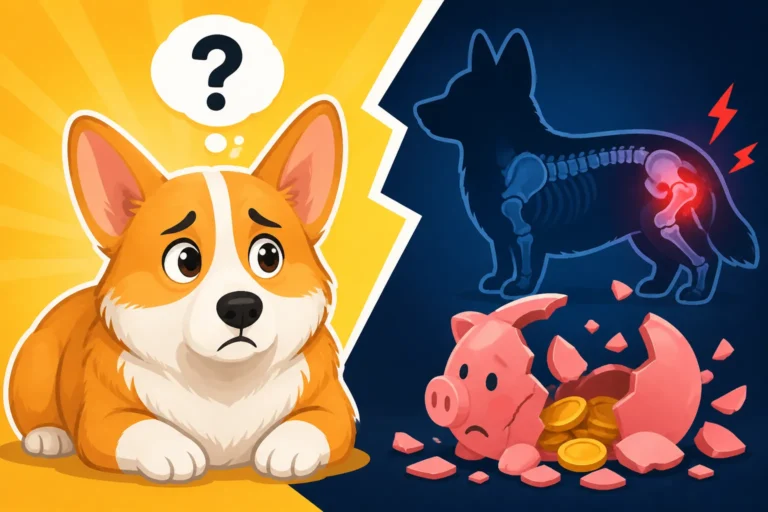
Whether Corgi Breeders Absorb the Test Costs
Bringing home a Corgi puppy is a joyful, albeit significant, financial decision. Many prospective owners wonder if the price tag for a well-bred Corgi includes the crucial genetic health testing that helps ensure a long, healthy life for their new family member. It’s a valid concern, because nobody wants surprise veterinary bills that could have been avoided. This guide will help you understand the common practices of reputable Corgi breeders regarding genetic testing costs and what to expect when you're looking for your perfect furry companion.
Understanding the Cost of a Well-Bred Corgi Puppy
When you start looking for a Corgi puppy, you'll quickly notice a range in prices. It’s tempting to gravitate towards the lower end, especially when the initial outlay for a new pet can feel overwhelming. However, understanding what goes into a higher price tag from a reputable breeder can shift your perspective from an expense to a valuable investment in your future dog’s well-being and your peace of mind.
Why Corgi Puppies Aren't Cheap (and Shouldn't Be)
Let's be realistic: raising a litter of Corgi puppies, or any purebred, isn't a cheap endeavor if done properly. A responsible breeder has significant overheads that contribute to the final price of a puppy. This includes everything from the initial investment in high-quality breeding stock—dogs with excellent pedigrees, health clearances, and proven temperaments—to the ongoing care for the dam before, during, and after pregnancy. Think about the stud fees for a carefully selected sire, which can be considerable. Then there are the extensive veterinary check-ups for the mother, special prenatal nutrition, and all the whelping supplies needed for a safe delivery.
Once the puppies arrive, the costs continue. High-quality puppy food, deworming treatments, initial vaccinations, microchipping, and vet checks for each puppy add up. Beyond the tangible costs, there's the immense time commitment: sleepless nights, constant supervision, early socialization efforts, and cleaning. A breeder isn't just selling you a puppy; they're selling you the result of months, sometimes years, of careful planning, dedication, and significant financial outlay. If a Corgi puppy seems unusually cheap, it’s often a big red flag that corners have been cut, potentially in areas like health testing or proper care. We’ve covered this in more detail in our article on The Price a Corgi Puppy Actually Fetches.
The Investment in Health and Temperament
The true value in a well-bred Corgi puppy extends far beyond its initial purchase price. It's an investment in a dog that has the best possible start in life, both genetically and environmentally. Responsible breeding is about more than just producing cute puppies; it's about preserving the breed standard, improving health, and ensuring sound temperaments. This means a focus on health clearances and early socialization, which are critical for preventing common Corgi issues later on.
A puppy from a reputable breeder is more likely to grow into a well-adjusted adult, reducing the likelihood of costly behavioral problems or devastating health crises. While no breeder can guarantee a dog will never have a health issue, they can significantly reduce the risk of inheritable conditions. This upfront investment, which implicitly includes the cost of genetic testing, can save you untold amounts of money and emotional distress in future vet bills, training, and heartache.
The Breeder's Responsibility in Genetic Health Testing
One of the most crucial distinctions between a responsible Corgi breeder and someone simply "breeding" dogs for profit is their approach to genetic health testing. For ethical breeders, these tests are not an optional add-on; they are a fundamental, non-negotiable part of their breeding program.
The Non-Negotiable Tests for Parent Dogs
Reputable Corgi breeders always perform a comprehensive battery of genetic tests on their breeding stock—the mother and father dogs—before they are ever bred. These tests are essential tools to screen for a range of inherited conditions that are prevalent in the Corgi breed. These aren't tests you, as the buyer, are expected to pay for directly, nor are they tests conducted on the puppies themselves (though some breeders might do preliminary checks on puppies, the definitive genetic screening is for the parents).
Key health concerns in Corgis include Degenerative Myelopathy (DM), a debilitating neurological disease; von Willebrand Disease (vWD Type 1), a bleeding disorder; and Progressive Retinal Atrophy (PRA-RCD3), which can lead to blindness. Beyond DNA tests, responsible breeders also screen for structural issues like hip and elbow dysplasia, which can be common in long-backed breeds. By testing the parent dogs, breeders can make informed decisions to avoid mating two carriers of a recessive gene, or breeding an affected dog, thereby greatly reducing the chance of passing these conditions onto their puppies. This proactive approach ensures that puppies inherit the best possible genetic health, and you can learn more about these crucial screenings in our guide, The DNA Tests a Corgi Breeder Should Run.
Why Breeders Absorb These Costs
Think of genetic health testing as part of a breeder’s professional overhead, much like a baker buys flour to make bread. It’s an integral part of producing a quality product. The costs associated with these tests – for blood draws, lab fees, and specialist examinations – are factored into the overall cost of operating an ethical breeding program. They are not typically itemized and passed on to the puppy buyer as an extra charge.
A breeder who asks you to pay separately for the parent dogs' genetic tests, or who claims they are an optional extra, is not operating ethically. These tests are performed on the adult dogs to determine their suitability for breeding before a litter is even conceived. The results directly influence which pairings are made and which dogs are included in a breeding program at all. It's about ensuring the health of the entire line, not just an individual puppy. Good breeders understand that their reputation, and the health of the breed itself, depends on this foundational commitment. Their goal is to produce robust, healthy Corgis, and the cost of achieving that goal is simply part of their business model. This commitment is a large part of How Breeders Cut the Corgi DM Rate.
What Genetic Tests Are Essential for Corgis?
Understanding the specific tests that responsible Corgi breeders conduct is empowering. It allows you to ask the right questions and evaluate a breeder’s commitment to health. These tests are typically performed on the adult breeding dogs long before puppies are conceived, making it a proactive measure to ensure the healthiest possible litter.
Specific Genetic Panel Tests
For Corgis, there are several key genetic DNA tests that a reputable breeder will ensure their breeding dogs have undergone. These are typically processed by specialized veterinary genetics laboratories. While I can't give specific current prices, these tests involve sending a cheek swab or blood sample to a lab.
- Degenerative Myelopathy (DM) – SOD1 Gene: This is perhaps the most well-known and critical test for Corgis. DM is a progressive, incurable neurological disease that affects the spinal cord, leading to weakness and paralysis in the hind limbs. Testing helps identify dogs that are "Clear" (two normal copies of the gene), "Carriers" (one normal, one mutated copy), or "At-Risk" (two mutated copies). Responsible breeders will never breed two "Carriers" together, and often won't breed an "At-Risk" dog at all, to prevent producing affected puppies. Our article Degenerative Myelopathy and the Corgi delves deeper into this condition. You can understand what the results mean by Reading a Corgi SOD1 Test Result.
- von Willebrand Disease Type 1 (vWD1): This is an inherited bleeding disorder where the blood doesn't clot properly. While not as universally debilitating as DM, it can pose significant risks during surgery, injury, or even routine procedures like nail trims. Knowing a dog's vWD status is crucial for safe medical care. This test identifies "Clear," "Carrier," and "Affected" dogs. More on this can be found in The Bleeding Disorder Pembrokes Carry.
- Progressive Retinal Atrophy (PRA-RCD3): This is a group of genetic diseases that cause the degeneration of the retina, eventually leading to blindness. The RCD3 specific test for Corgis is important for identifying dogs at risk. Early detection through parent testing allows breeders to avoid passing on this condition, helping to safeguard a puppy's sight. For more information, see Corgi Eye Disease and PRA.
Reputable breeders will be able to provide documentation from recognized genetic testing laboratories, often listing multiple tests in one comprehensive panel. Some common labs that perform these tests are well-known within the breeding community; you can learn more about them in Which Labs Run the Corgi DM Test.
Orthopedic Clearances (Hips and Elbows)
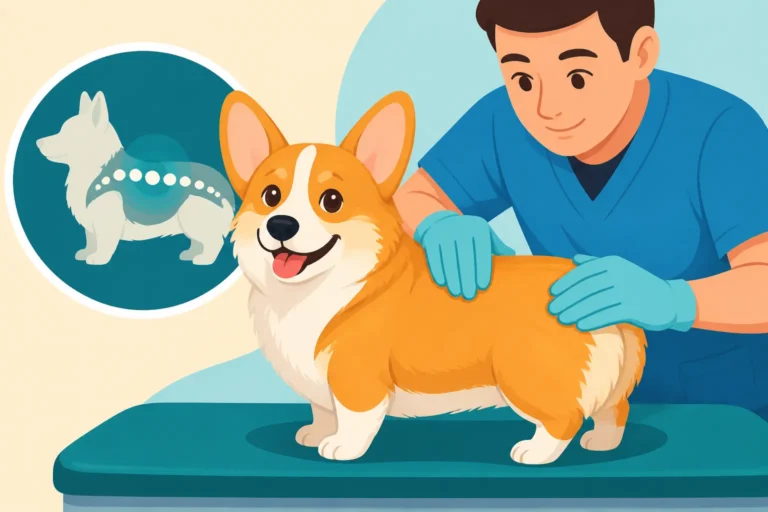
Beyond DNA-level genetic tests, structural evaluations are paramount for a breed like the Corgi, with its distinctive long back and short legs. Hip and elbow dysplasia are polygenic conditions, meaning they are influenced by multiple genes and environmental factors, so DNA tests alone aren't sufficient. Instead, physical evaluations of the breeding dogs are crucial.
- Hip Dysplasia: This condition involves abnormal development of the hip joint, leading to looseness and eventual arthritis. Organizations like the Orthopedic Foundation for Animals (OFA) or the University of Pennsylvania Hip Improvement Program (PennHIP) offer standardized evaluations. Breeding dogs are typically X-rayed after two years of age, and their hips are graded (e.g., Excellent, Good, Fair, Borderline, Mild, Moderate, Severe). Responsible breeders only breed dogs with "Good" or "Excellent" hip scores to minimize the risk in their offspring. Understanding these scores is key, as discussed in Corgi Hip Scores and What They Mean and Corgi Hips and Front-End Structure.
- Elbow Dysplasia: Similar to hip dysplasia, this involves abnormal development of the elbow joint, which can lead to pain and lameness. OFA also provides elbow evaluations, grading them as Normal or Dysplastic (Grade I, II, or III). Again, only dogs with normal elbow clearances should be used in a breeding program.
These orthopedic clearances are crucial for assessing the structural soundness of the breeding pair and reducing the likelihood of puppies developing debilitating joint problems. They are an upfront investment by the breeder to ensure they are producing dogs with the best possible chances for a comfortable and active life.
Transparency and What to Ask Your Corgi Breeder
Finding a Corgi breeder who is genuinely transparent about their practices and the health of their breeding stock is absolutely vital. It’s not just about getting answers; it’s about feeling confident in your choice and building a relationship with someone who will be a resource throughout your dog's life.
Expecting Documentation and Openness
A truly responsible breeder won't wait for you to ask for health clearances. They'll proactively provide documentation for both parent dogs—not just the sire or dam, but both—covering all the genetic and orthopedic tests discussed above. This includes official certificates from organizations like OFA, PennHIP, and reputable genetic testing labs. These documents should clearly state the results for DM, vWD, PRA, hips, and elbows. If a breeder is hesitant, makes excuses, or tries to downplay the importance of these tests, consider it a serious red flag.
Beyond test results, a good breeder should be an open book. They should be happy to discuss their breeding philosophy, why they chose a particular pairing, how they socialize their puppies, and what kind of support they offer after you take your puppy home. They should also provide a comprehensive puppy contract, outlining their responsibilities and yours. You should expect this level of detail; our article The Papers a Corgi Puppy Should Come With offers more insight into what essential documentation a Corgi puppy should come with. This commitment to transparency is a hallmark of ethical breeding.
The Value of a Health Guarantee
Reputable Corgi breeders often provide a health guarantee, typically covering inheritable genetic conditions for a certain period, usually the first year or two of the puppy's life. This isn't just a piece of paper; it’s a tangible reflection of the breeder's confidence in their breeding program and the health of their puppies, a confidence built upon the foundation of thorough genetic testing.
While a health guarantee can offer some financial protection, its greater value lies in the peace of mind it provides. It signals that the breeder stands behind their dogs. Conditions for these guarantees often include having your new puppy examined by your own veterinarian within a specified timeframe after bringing them home. This early vet visit is crucial for establishing your puppy's health baseline and allows for early detection of any immediate concerns. It's also a great time to discuss pet insurance options. Companies like Healthy Paws can provide coverage for unexpected illnesses and accidents, which can be a lifesaver, especially for breeds like Corgis with predispositions to certain conditions. Enrolling early, before any issues arise, ensures the broadest coverage.
Long-Term Savings Through Responsible Breeding
It might seem counterintuitive to pay a higher initial price for a puppy, but when it comes to a Corgi, investing in a well-bred, health-tested dog is often a significant long-term financial saving. Consider the alternative: a puppy from unknown lines or untested parents might come with a lower upfront cost, but could very well develop costly and heartbreaking genetic diseases or structural problems later in life. Treating conditions like severe hip dysplasia, advanced DM, or a serious bleeding disorder can involve multiple specialist vet visits, expensive diagnostics like MRIs, ongoing medications, physical therapy, and even surgery. These bills can quickly escalate into thousands of dollars, far exceeding any initial savings on the puppy's purchase price. Our article The Corgi Bills That Come With a Long Back outlines some of these potential costs.
By choosing a breeder who absorbs the cost of comprehensive health testing on their parent dogs, you're essentially benefiting from their proactive risk management. They've done their utmost to stack the genetic deck in your favor. This means you’re more likely to have a healthy, active companion who requires routine preventative care rather than extensive medical interventions. Furthermore, choosing high-quality food from brands like Chewy or Ollie, tailored to your Corgi's needs, can further support their health, but it's the genetic foundation laid by responsible breeding that truly sets them up for success.
| Test Type | What it Screens For | Typically Paid By | Why it Matters |
|---|---|---|---|
| Genetic DNA Panel (DM, vWD1, PRA-RCD3) | Degenerative Myelopathy, von Willebrand Disease Type 1, Progressive Retinal Atrophy | Breeder (on parent dogs) | Prevents passing on debilitating genetic diseases. |
| Orthopedic Evaluations (Hips, Elbows) | Hip Dysplasia, Elbow Dysplasia | Breeder (on parent dogs) | Screens for structural soundness, crucial for long-backed breeds. |
| Eye Certification (OFA CAER/CERF) | Ocular health, inherited eye diseases (e.g., cataracts, retinal folds) | Breeder (on parent dogs) | Ensures good vision and screens for conditions that could lead to blindness. |
| Cardiac Screening (OFA Echo/Ausculation) | Heart health, congenital heart defects | Breeder (on parent dogs) | Identifies potential heart conditions; important for overall health, though less common as primary Corgi concern. |
| New Puppy Initial Vet Exam | General health, parasites, initial wellness check post-purchase | New Owner (post-purchase) | Essential initial check-up for the new puppy, often required for health guarantee validity. |
Disclaimer
This article is for general informational purposes only and does not constitute professional advice. Laws, prices and regulations vary by location and change over time. Consult a qualified professional for guidance on your specific situation.