The First Twelve Months of Corgi Spending
Bringing a new Corgi puppy home is one of the most exciting times for any dog lover! It's a whirlwind of tiny paws, happy yips, and endless cuddles. But amidst all that joy, the practical reality of owning one of these amazing, sturdy little herders quickly sets in: they come with costs, especially in that crucial first year. This guide will walk you through the various expenses you can expect during your Corgi's first twelve months, helping you budget and prepare for a smooth start to your life together.
Initial Puppy Acquisition and Setup Costs
The very first expenses you'll encounter will center around bringing your Corgi home. This isn't just the price of the puppy itself, but all the essential gear and initial vet visits needed to get them settled and healthy. Don't underestimate these upfront costs; they lay the groundwork for a happy, well-adjusted Corgi.
The Puppy Purchase Price
Let's be real, a Corgi puppy from a responsible breeder isn't cheap. The price can vary widely based on location, the breeder's reputation, the puppy's pedigree, and whether the parents have undergone extensive health testing. You might see prices that make your eyes water, but remember, this initial investment often saves you significant heartache and vet bills down the line. A reputable breeder will have invested in genetic health screenings for conditions common in Corgis, like The DNA Tests a Corgi Breeder Should Run or Degenerative Myelopathy and the Corgi, ensuring you're getting the healthiest possible start. Be wary of prices that seem too low; they often signal a lack of proper care, health testing, or ethical breeding practices, which can lead to much higher costs later on.
Essential Gear for a New Corgi
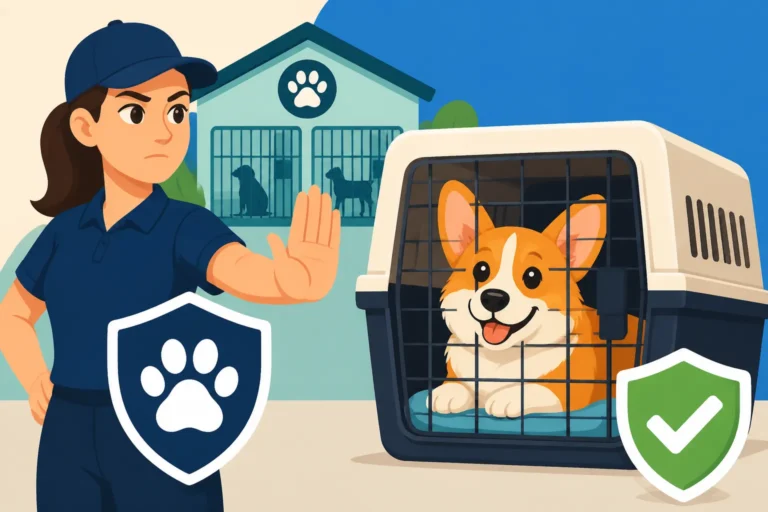
Once you have your puppy picked out, you’ll need to outfit your home. Think of this as setting up a mini-nursery! A crate is non-negotiable for house training and safety, especially for a breed prone to back issues where preventing unsupervised jumps is key. You'll need food and water bowls – stainless steel is often a great choice for durability and hygiene. A comfy bed, appropriate for a growing puppy, will be essential for their rest and relaxation. Don't forget a collar, leash, and ID tags right away. Toys, oh so many toys, will be vital for mental stimulation and redirecting that infamous Corgi nipping tendency. You'll also need puppy pads if you're doing indoor training, and cleaning supplies for accidents. Many owners find it convenient to order these essentials from online retailers like Chewy, which offers a wide selection for all your puppy needs. Think about Setting a House Up for a Corgi Puppy before they even arrive.
First Vet Visits and Vaccinations
The first year is packed with vet appointments for a new Corgi puppy. Immediately after bringing them home, you'll want a "well-puppy" check-up to ensure they're thriving. Then comes a series of vaccinations to protect them from common and dangerous canine diseases. This typically involves several rounds of shots over a few months, plus deworming treatments. Don't forget flea, tick, and heartworm preventatives, which are ongoing monthly or quarterly costs. These initial vet visits are crucial not just for physical health, but also for establishing a relationship with a veterinarian who understands the specific needs of the Corgi breed. Discussing things like A Corgi Puppy That Reacts to Its Shots or general puppy health at these early visits is important.
Ongoing Monthly Expenses for a Corgi Puppy
Beyond the initial setup, a Corgi puppy comes with a predictable set of recurring monthly expenses. These are the costs that will continue throughout their life, but they often see a peak in the first year due to growth and learning.
Food and Treats
A growing Corgi puppy needs quality nutrition, and that means a good puppy-specific food. The cost of food can vary significantly depending on the brand, ingredients, and whether you choose kibble, wet food, or a fresh-prepared option. Remember, Corgis are prone to weight gain, so choosing a nutrient-dense food that supports healthy growth without packing on extra pounds is vital. Owners often find themselves weighing their Corgi's food rather than scooping, to ensure precise portions, as covered in topics like A Month of Measured Food for a Corgi. Treats will also be a regular expense, used for training and positive reinforcement. High-quality, low-calorie options are best. Some owners opt for fresh, human-grade dog food services like Ollie, which can tailor meals to your Corgi's specific needs and calorie requirements, though these tend to be a higher price point.
Regular Preventative Care
Preventative care extends beyond the initial vaccinations. This includes ongoing parasite control – monthly doses for fleas, ticks, and heartworm. These medications are not optional; they protect your Corgi from debilitating and potentially fatal diseases. While the cost may seem minor each month, it adds up over the year. Regular vet check-ups, typically annual after the puppy series, are also part of this, even if the puppy is healthy. These visits ensure your Corgi stays on track with their development and allows your vet to catch any potential issues early. This is especially important for a breed with specific health considerations.
Training Supplies and Classes
Corgis are smart, but they can also be opinionated. That herding instinct means they often have their own ideas about how things should be done! Investing in training early is key. This could mean puppy classes, private training sessions, or even just a good supply of high-value training treats and puzzle toys to keep their minds engaged. The Cattle-Driving Nip a Corgi Still Has and Training a Corgi That Makes Its Own Decisions are real challenges that benefit from early intervention. Group classes are typically less expensive than private lessons but can still be a significant cost. Beyond formal training, you'll likely spend on things like durable chew toys (especially during the teething phase, when The Corgi Puppy Mouth and Where It Lands can be quite active) and enrichment items to keep them from getting bored and destructive.
Unexpected Vet Bills and Insurance Considerations
While we hope for a perfectly healthy first year, puppies are prone to accidents, ingesting things they shouldn't, or developing unexpected illnesses. This is where the financial planning for a Corgi becomes truly critical.
Puppy Accidents and Illnesses
Puppies are curious and often fearless, which can lead to emergency vet visits. They might swallow a foreign object, get an upset stomach from eating something they found on a walk, or sustain an injury from an ill-advised jump. Even minor issues like ear infections or skin irritations can pop up. These unplanned vet visits can quickly escalate in cost, especially if they involve diagnostics like X-rays or overnight stays. It's a frustrating reality that sometimes, despite your best efforts, things just happen. Having a financial cushion for these eventualities is paramount.
The Value of Pet Insurance
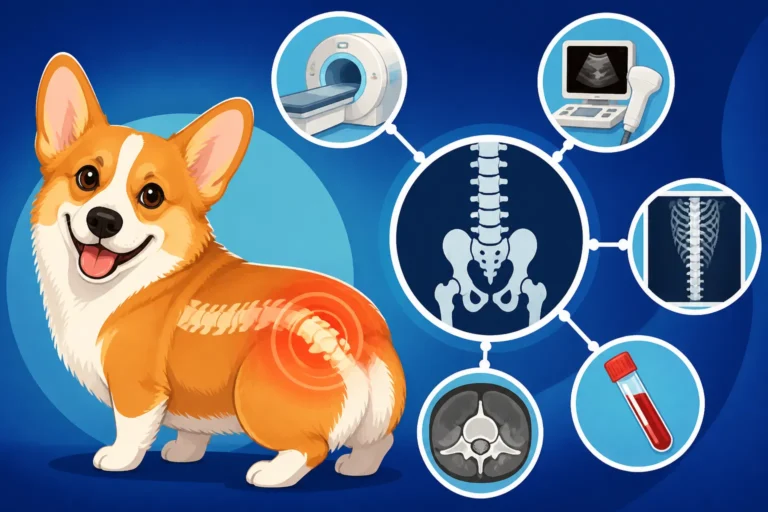
This is where pet insurance truly shines, especially for Corgis. Getting pet insurance when your Corgi is a young puppy, before any conditions arise, is the absolute best strategy. Once a condition is documented in their vet records, it may be considered "pre-existing" and excluded from coverage. Given that Corgis are predisposed to certain conditions, particularly back issues like Disc Disease in a Long-Backed Corgi, insuring them early can be a lifesaver for your wallet down the road. Companies like Healthy Paws are popular choices, often offering comprehensive plans that cover accidents and illnesses. It helps cover the costs of unexpected emergencies, diagnostics, treatments, and even some specialist care. While it's an additional monthly premium, it provides peace of mind and can prevent you from facing devastating bills later. It's truly a strategic move to Enrolling a Corgi Before Its Back Goes.
Hereditary Conditions and Early Screening
Some Corgi puppies might show early signs of hereditary conditions, even in their first year. While reputable breeders do their best to screen, some issues might not be immediately apparent. For example, some Corgis might carry the gene for The Bleeding Disorder Pembrokes Carry, which could become apparent during a routine spay/neuter surgery if clotting tests aren't done beforehand. Early screening can sometimes prevent issues or help you manage them proactively, but the tests themselves come with a cost. Understanding these potential challenges and having a plan, whether through insurance or a dedicated savings fund, is a smart part of Corgi ownership.
Training, Grooming, and Miscellaneous First-Year Spending
Beyond the basics of food and vet care, there are other important categories of spending that contribute to a well-adjusted and healthy Corgi, many of which are especially prominent in the first year.
Grooming Essentials and Services
Corgis have a double coat that sheds, a lot, all year round, not just twice a year. In the first year, you'll need to invest in quality grooming tools: a good undercoat rake, a slicker brush, and nail clippers or a grinder. Starting a regular grooming routine early helps your puppy get used to it and prevents matting and excessive shedding. While you can do most grooming at home to save money, some owners opt for professional deshedding treatments, especially during peak shedding seasons. Corgi Grooming Costs Against Doing It Yourself is a worthwhile consideration. Don't forget ear cleaning solution and dog-friendly shampoo. Regular nail trims are also crucial, as Nail Length and What It Does to a Corgi's Gait can significantly impact their comfort and even their back health.
Enrichment, Toys, and Home Adjustments
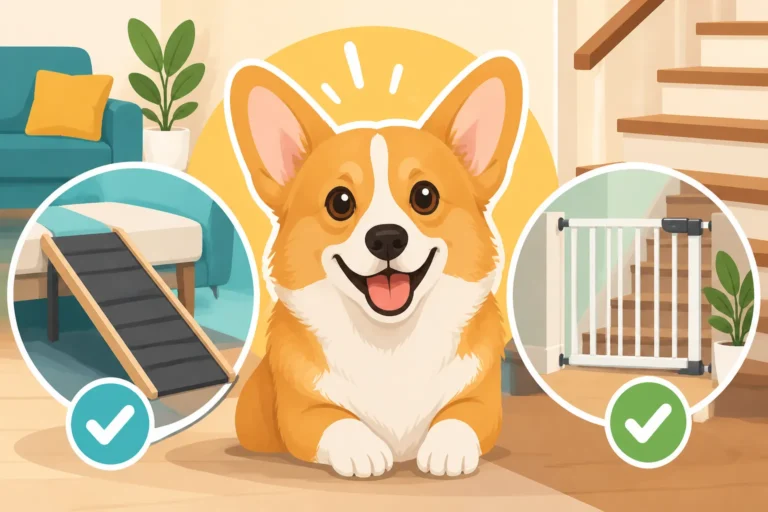
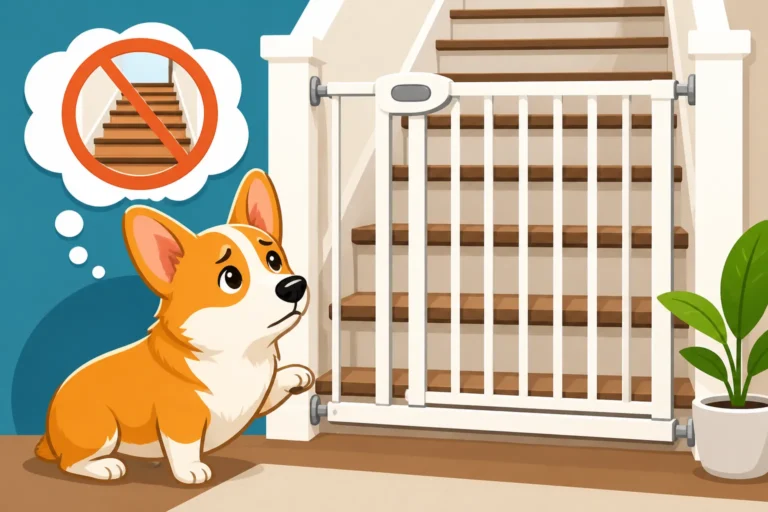
Keeping a Corgi mentally and physically stimulated is vital, especially in their active puppy year. This means a steady supply of new toys to rotate through, puzzle feeders, and opportunities for safe, engaging play. Think about toys that are durable enough for those strong Corgi jaws! Beyond toys, you might find yourself making home adjustments. Ramps are highly recommended for Corgis to prevent them from jumping off furniture and potentially injuring their long backs, a topic covered in Ramps and Steps That Save a Corgi's Back. Baby gates are also useful to restrict access to stairs or certain areas during house training or recovery from an injury. These items represent an investment in your Corgi's long-term health and safety.
Licensing, Microchipping, and Spay/Neuter
These are typically one-time or annual costs that fall within the first year. Most municipalities require dog licensing, which has a small annual fee. Microchipping, often done at the same time as puppy vaccinations or spay/neuter, is a crucial safety measure to ensure your Corgi can be identified if they ever get lost. Spaying or neutering your Corgi is a significant surgical expense that typically occurs around six months to a year of age. The cost varies by veterinary practice and location, but it's an important part of responsible pet ownership, preventing unwanted litters and often reducing the risk of certain health issues later in life.
Table of Estimated First-Year Corgi Expenses
To give you a clearer picture, here's a general breakdown of categories and whether they're one-time or recurring expenses in the first year. Remember, these are conceptual categories, and specific costs will fluctuate wildly.
| Expense Category | Type of Cost (First Year) | Notes |
|---|---|---|
| Puppy Purchase | One-Time | Varies by breeder, pedigree, health testing. Ethical breeders are worth the investment. |
| Crate, Bed, Bowls | One-Time | Essential for house training, safety, and comfort. |
| Collar, Leash, Tags | One-Time | Initial purchase, may need to upgrade as puppy grows. |
| First Vet Check-ups | One-Time / Initial Series | Crucial initial health assessment and vaccination series. |
| Vaccinations & Deworming | One-Time / Initial Series | Multiple rounds in the first few months. |
| Food & Treats | Recurring (Monthly) | High-quality puppy food and training treats. Portions will increase as they grow. |
| Flea, Tick, Heartworm Preventatives | Recurring (Monthly) | Ongoing protection from parasites. |
| Training Classes/Supplies | Mixed | Initial class fees, ongoing toy and treat purchases. |
| Grooming Tools | One-Time | Brushes, rakes, clippers. |
| Professional Grooming (Optional) | Recurring (Quarterly/As needed) | Deshedding services can be helpful. |
| Spay/Neuter Surgery | One-Time | Significant surgical expense, usually mid-to-late first year. |
| Microchipping | One-Time | Often included with spay/neuter or initial vet visits. |
| Licensing | Recurring (Annually) | Required by most localities. |
| Pet Insurance Premiums | Recurring (Monthly) | Highly recommended for Corgis; best to enroll early. |
| Ramps/Gates | One-Time | Important home modifications to protect their back. |
| Emergency Fund | Ongoing Savings | Crucial for unexpected illnesses or accidents not covered by insurance. |
Bringing a Corgi into your life is a deeply rewarding experience, and being financially prepared for their first year will help ensure it's a joyful one, free from undue stress about unexpected costs. Planning ahead allows you to focus on all the wonderful moments with your new, furry family member.
Disclaimer
This article is for general informational purposes only and does not constitute professional advice. Laws, prices and regulations vary by location and change over time. Consult a qualified professional for guidance on your specific situation.