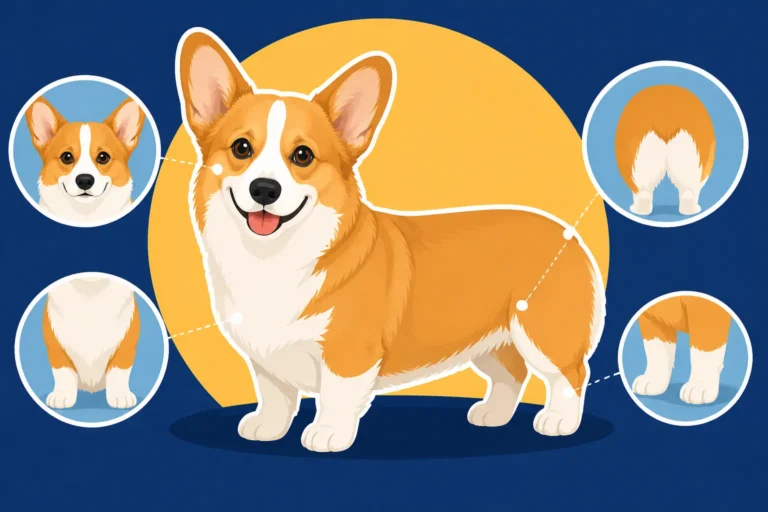
The Extra Colors a Cardigan May Be
It’s a common misconception that all Corgis come in a few basic shades of red or sable. While that might be largely true for the ever-popular Pembroke Welsh Corgi, anyone who has fallen in love with the Cardigan Welsh Corgi knows there’s a much wider, more vibrant world of colors to explore. If you’ve been poring over pictures of these wonderful dogs, trying to understand what makes a blue merle so striking or how brindle truly looks in person, then you're in the right place. This guide will help you understand the beautiful, sometimes complex, array of colors recognized in the Cardigan Welsh Corgi, moving beyond the familiar palette and diving into what makes these dogs truly unique in their appearance.
Beyond the Common Corgi Palette
When people think "Corgi colors," they often picture the Pembrokes: those charming red-and-white, sable, or tri-color pups. And don't get me wrong, those colors are absolutely lovely! But if you're exploring the Cardigan Welsh Corgi, you're in for a treat, because their genetic blueprint allows for a much broader and often more dramatic range of coat patterns and hues. This can be both exciting and a little overwhelming for prospective owners trying to pick out their perfect companion. You might see a stunning blue merle and wonder if it’s even a purebred Corgi, or why some Cardigans look so different from others. It's a valid question, and it really highlights one of the key distinctions between the two Corgi breeds.
Understanding the Pembroke's Color Restrictions
To truly appreciate the Cardigan's palette, it helps to briefly understand what a Pembroke's coat colors typically entail. Pembrokes primarily come in red, sable, fawn, and black and tan, often with white markings on the legs, chest, and sometimes a blaze on the face. These are generally solid colors or distinct patterns of two colors with white trim. You won't find a blue merle Pembroke, for instance, and if you do, it's usually a red flag suggesting a mixed breed or unethical breeding practices. This limited palette has its own charm, of course, giving Pembrokes a generally uniform and easily recognizable look. For a deeper dive into their specific appearances, you might check out Red, Sable, Fawn and Black-and-Tan Corgis.
The uniformity in Pembroke colors stems from their specific genetic lineage, which doesn't carry the merle gene or the wider range of modifier genes seen in Cardigans. This makes identifying a Pembroke’s color straightforward, with few surprises. Their coats are typically dense and straight, showcasing these classic colors beautifully.
The Cardigan's Rich Chromatic Spectrum
Now, let's talk about the Cardigan. Ah, the Cardigan! This is where the color spectrum truly opens up. The breed standard for Cardigan Welsh Corgis recognizes a much wider array of colors, and it's one of the delightful ways these dogs stand apart from their Pembroke cousins. While they share some common colors like black-and-tan, the Cardigan introduces truly distinct and eye-catching patterns that often surprise people who are only familiar with Pembrokes. This diversity is a testament to the Cardigan's ancient lineage and distinct genetic makeup.
When you look at a litter of Cardigan puppies, you might see several different colors and patterns, all from the same parents, which is much less common in Pembrokes. This adds to the excitement and individuality of each Cardigan. Understanding these variations helps you appreciate the breed's heritage and the unique beauty each dog brings.
Delving Into the Specific Cardigan Color Variations
Let's get down to the nitty-gritty of what makes a Cardigan's coat so special. It's not just about a few extra shades; it's about entirely different genetic expressions that create truly distinctive looks. These colors are all recognized and celebrated within the breed standard, meaning you're not looking at "designer" colors but rather authentic, historical expressions of the Cardigan Welsh Corgi.
The Distinctive Blue Merle
Perhaps the most iconic and visually striking of the Cardigan-specific colors is blue merle. If you’ve ever seen a blue merle Cardigan, you know exactly what I mean – they're absolutely captivating. This pattern isn't a solid blue; instead, it's a marbled effect where patches of black and grey are interspersed with lighter, diluted shades, creating a truly unique "salt and pepper" or "splashed" appearance across the dog's coat. No two blue merle Cardigans are exactly alike, making each one a true individual masterpiece.
Often, blue merles will have blue eyes, or sometimes even heterochromia, where one eye is blue and the other is brown, or an eye might be partially blue and partially brown. This adds another layer of intrigue to their appearance. The merle gene can also affect nose pigment, sometimes leading to a mottled or butterfly nose. It's important to understand that the merle pattern isn't just about aesthetics; the gene responsible for it also requires careful breeding to avoid potential health issues associated with double merles (dogs that inherit two copies of the merle gene). Ethical breeders are always very careful when breeding merles. For those curious about the financial aspect, you might wonder What a Blue Merle Cardigan Puppy Costs.
Brindle, Sable, and Black-and-Tan
Beyond blue merle, Cardigans can sport several other wonderful colors.
- Brindle: This is another truly distinctive pattern for Cardigans. Brindle isn't a solid color; it's a tiger-striped effect, where a base color (often fawn, red, or black) has darker stripes or streaks layered over it. Imagine a dog wearing a subtle, natural camouflage pattern. The intensity of the brindle can vary greatly, from very faint, almost ghostly stripes to bold, clearly defined markings. A rich brindle is a sight to behold, offering a depth of color and pattern that's quite different from any other Corgi coat. You'll often see brindles with black muzzles, which adds to their striking look.
- Sable: While Pembrokes also come in sable, the Cardigan sable can sometimes have a slightly different character. Sable coats feature individual hairs that are red or fawn at the base but tipped with black. This creates a shaded appearance, often darkest on the back and tail, with lighter areas on the chest and legs. A Cardigan sable can range from a light, almost golden hue with subtle black tipping to a darker, richer red with significant black overlay, sometimes appearing almost smokey. The "saddling" effect from the black tips can be quite pronounced.
- Black-and-Tan: This is a classic and very handsome color for Cardigans, and one that is shared with Pembrokes. A black-and-tan Cardigan will have a solid black body with distinct tan (or sometimes red) points on the muzzle, eyebrows, chest, and legs. These tan markings should be clear and well-defined, providing a beautiful contrast against the deep black. A well-marked black-and-tan Cardigan truly embodies the classic working dog aesthetic, looking both elegant and robust.
It’s this variety that makes the Cardigan so endlessly interesting. You truly never know what delightful combination of colors and patterns you might find.
The Importance of White Markings
Regardless of the base color or pattern, most Cardigan Welsh Corgis will feature white markings, just like Pembrokes. These white areas are typically found on the chest, neck, legs, feet, and tail tip. A white blaze on the face is also common and often highly desirable, especially if it's symmetrical. These white accents serve to break up the solid colors and patterns, adding a touch of brightness and definition to the dog's overall appearance.
The placement and extent of white markings are generally considered by the breed standard. While a little white is expected, excessive white (sometimes referred to as "whitelies" if it's too much on the body) can be considered a fault in the show ring, but it certainly doesn't impact a dog's health or ability to be a wonderful companion. What's most important is that these white markings are clean and crisp, providing a pleasing contrast to the main coat color. For example, a blue merle with striking white paws and a clear white chest can be incredibly eye-catching.
Genetic Nuances and Ethical Breeding
Understanding the colors of a Cardigan isn't just about aesthetics; it's also about appreciating the genetics that make them possible and recognizing the importance of ethical breeding practices. There’s a science and a history behind every shade and stripe, and responsible breeders are keenly aware of these factors.
The Genetics Behind Cardigan Colors
The incredible range of colors in Cardigans, particularly the merle pattern, comes down to their genetic blueprint. Cardigans carry genes that Pembrokes do not, allowing for this wider expression. The merle gene, for example, is a dominant gene that dilutes random areas of the eumelanin (black pigment) in the coat, leading to the distinctive mottled pattern. This same gene can also influence eye color and nose pigmentation. It’s fascinating how a single gene can create such a dramatic and beautiful effect!
Breeders utilize DNA testing to understand the genetic makeup of their dogs, ensuring they can predict possible coat colors and, more importantly, avoid breeding combinations that could lead to health problems. For example, breeding two merle dogs together can result in "double merle" puppies, which often suffer from severe vision and hearing impairments. A responsible breeder will never do this. This is why it’s so crucial to find a breeder who understands The DNA Tests a Corgi Breeder Should Run and prioritizes health over novelty.
Why Color Matters to the Standard (and Not Just Looks)
While personal preference certainly plays a role in what color we find most appealing, the breed standard exists for a reason: to maintain the integrity, health, and characteristic appearance of the breed. For Cardigan Welsh Corgis, all the colors we've discussed – blue merle, brindle, sable, black-and-tan, and their variations with white markings – are fully recognized and accepted within the standard. This means a Cardigan of any of these colors, provided it meets other conformational requirements, can be shown in conformation events.
The standard ensures that breeders strive for specific physical traits that historically made the Corgi effective as a working dog, and color is just one piece of that puzzle. It's not just about looking pretty; it’s about maintaining the breed as it was intended. For example, a Cardigan's distinctive head and ear set, described in the standard, is just as important as its coat color in defining the breed's overall look. You can learn more about this in The Corgi Head and Ear Set.
Avoiding Misinformation and Unethical Breeding
Unfortunately, the popularity of certain colors can sometimes lead to unethical breeding practices. When a color becomes highly sought after, unscrupulous breeders might try to market "rare" or "designer" colors that are not recognized by the breed standard, or worse, are the result of unhealthy breeding practices or cross-breeding. For instance, if you ever see a "blue merle Pembroke," that's a red flag. Pembrokes do not carry the merle gene. This isn't just about being "not to standard"; it can indicate a lack of transparency or even intentional deception about the dog's true lineage and health.
Always choose a reputable breeder who can provide health clearances, DNA test results for both parents, and is open about their breeding practices. They should be able to explain the genetics behind their puppies' colors and assure you that health is their top priority. Brands like Chewy, for example, often partner with reputable sources for educational content on responsible pet ownership, including how to find ethical breeders. A good breeder will prioritize the health and temperament of their dogs above all else, regardless of the flashy coat color.
Living with a Cardigan of Any Hue
Once you've fallen for a Cardigan, regardless of its captivating color, you'll quickly realize that their personality and general care needs are far more important than their coat's specific shade. Still, it's worth touching on a couple of practical points related to their appearance.
Coat Care Across Different Colors
While the color of a Cardigan's coat doesn't fundamentally change its texture or shedding patterns, the visual effect of shedding can sometimes be more noticeable with certain colors. For instance, a very light-colored Cardigan's shed hair might blend more easily into light carpets, while a dark black-and-tan's hair could stand out dramatically on pale flooring. All Cardigans have a dense double coat, meaning they shed year-round, with heavier "blowouts" twice a year. This requires consistent grooming to keep their coats healthy and manage the hair around your home.
Regular brushing, especially with a good undercoat rake and slicker brush, is essential for any Cardigan, no matter the color. This helps remove loose undercoat and prevents matting. You might find great grooming tools on Chewy's website. Clipping or shaving a Cardigan is generally not recommended as it can damage their protective double coat, impacting its ability to regulate temperature and grow back properly. For more on proper coat care, consider The Only Trimming a Corgi Should Get.
Personality First, Color Second
It's easy to get swept away by the beauty of a blue merle or the striking stripes of a brindle. However, the most important aspect of any dog is its temperament and health. A Cardigan's personality is legendary – they are intelligent, active, often vocal, and fiercely loyal. They are big dogs in small packages, with minds of their own. Their herding instincts are strong, and they thrive on mental stimulation and purpose.
Choosing a Cardigan should always prioritize finding a dog with a stable temperament that fits your lifestyle, and whose parents have good health clearances. Whether your Cardigan is a classic black-and-tan or a stunning blue merle, their fundamental needs for exercise, training, socialization, and love remain the same. The color is merely the beautiful wrapping paper; the dog inside is the true treasure. And remember, Pembroke and Cardigan Are Two Different Breeds, so their personalities, while both "Corgi-like," do have their own nuances!
Cardigan vs. Pembroke: A Color Comparison
To help you visualize the distinct differences in accepted colors, here's a quick comparison of the primary recognized coat colors for both Cardigan Welsh Corgis and Pembroke Welsh Corgis. This isn't exhaustive for every variation but covers the main categories.
| Color/Pattern | Cardigan Welsh Corgi | Pembroke Welsh Corgi | Notes |
|---|---|---|---|
| Red | Yes (often sable) | Yes | Can range from light fawn to deep red. |
| Sable | Yes | Yes | Red/fawn with black tipping; often appears shaded. |
| Fawn | Yes | Yes | Lighter shade of red. |
| Black & Tan | Yes | Yes | Solid black with tan markings on face, chest, legs. |
| Brindle | Yes | No | Tiger-striped pattern, unique to Cardigans. |
| Blue Merle | Yes | No | Marbled grey/black, unique to Cardigans; can have blue eyes. |
| White Markings | Always present | Always present | Expected on chest, neck, legs, blaze. Too much is a fault. |
| "Whitelies" | Fault (excessive white) | Fault (excessive white) | Extensive white on areas other than those typically marked. |
| Blue Merle Pembroke | N/A | No | Not an accepted Pembroke color; indicates mixed breeding or fault. |
This table clearly highlights how the Cardigan offers a spectrum that the Pembroke simply does not, particularly with the inclusion of brindle and blue merle. It’s a wonderful aspect of the Cardigan that truly sets them apart visually. Whether you're drawn to the classic look or something more exotic, a Cardigan likely has a coat color that will steal your heart.
Disclaimer
This article is for general informational purposes only and does not constitute professional advice. Laws, prices and regulations vary by location and change over time. Consult a qualified professional for guidance on your specific situation.