The Colors a Pembroke May Be
If you've ever found yourself scrolling through endless adorable Corgi pictures online, you might have noticed a surprising variety in their coats. It’s easy to get confused about what colors are actually considered standard for a Pembroke Welsh Corgi and which ones might indicate something else entirely. This guide will walk you through the recognized coat colors of the Pembroke Welsh Corgi, helping you understand what makes a Corgi's coloring truly distinct and what to look for when you're admiring these fantastic little dogs.
The Recognized Pembroke Welsh Corgi Colors
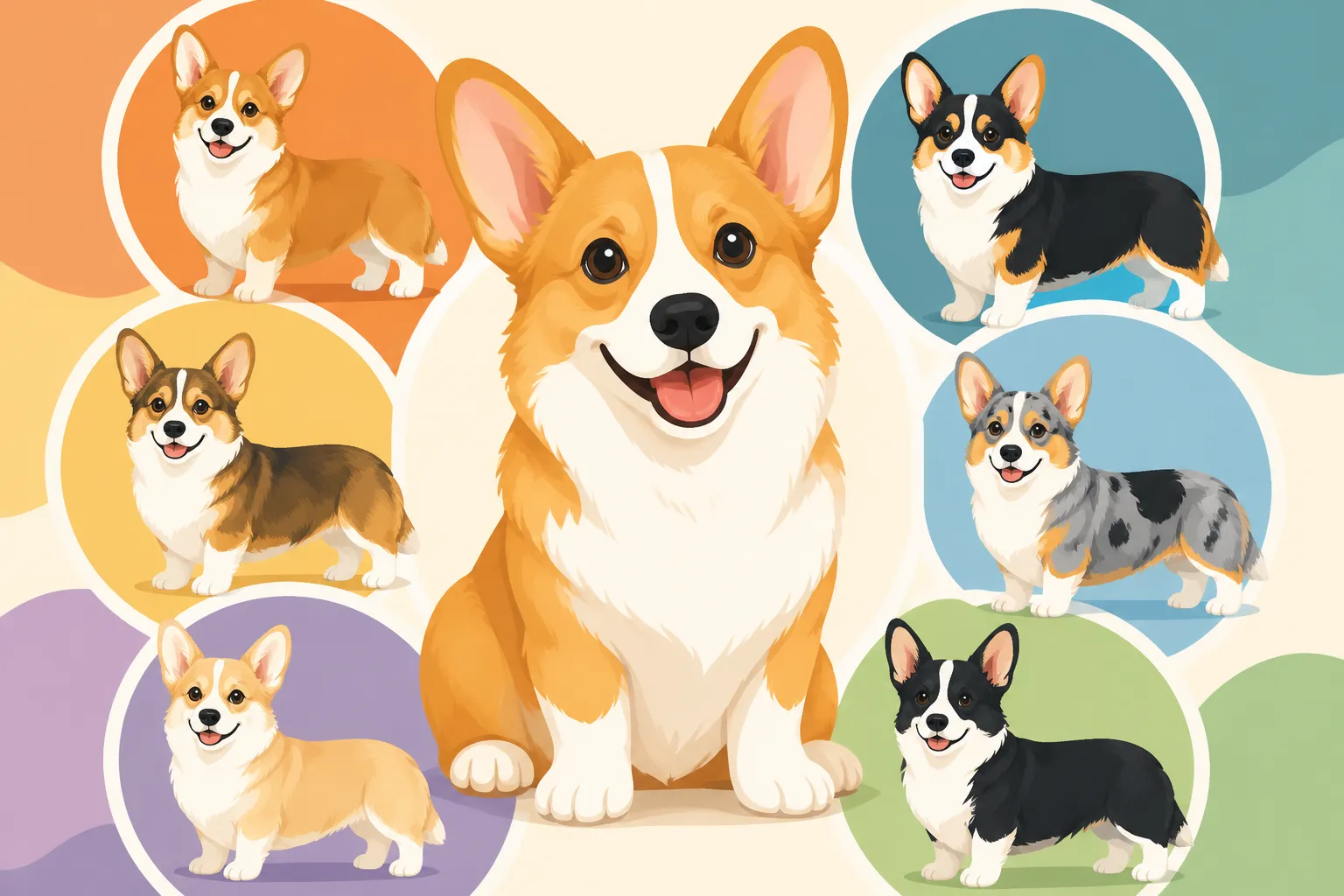
When you think of a Pembroke Welsh Corgi, a few classic colors probably spring to mind. These aren't just random shades; they're specific coat colors recognized by breed standards around the world, like those set by the American Kennel Club (AKC). Knowing these colors isn't just for show enthusiasts; it helps us appreciate the heritage and distinctiveness of the breed. There are four main accepted colors for a Pembroke Welsh Corgi: Red, Sable, Fawn, and Black and Tan. While these sound simple, each one has its own beautiful nuances.
Red Corgis: The Classic Look
The red Corgi is perhaps the most iconic image many people have of the breed, often conjuring up images of the Queen's beloved dogs. This color can range from a deep, rich red to a lighter, almost golden hue. When you look at a red Corgi, you'll notice a solid color across its body, though they'll almost always have white markings, which we'll discuss in more detail later. There's a certain warmth and vibrancy to a well-bred red Corgi's coat that is just captivating.
Sometimes, new Corgi owners might worry if their red puppy seems a bit dull or too light. It's important to remember that puppies' coats can change and develop as they mature. A young red Corgi might appear a little washed out, but with proper nutrition and a healthy lifestyle, that gorgeous color will often deepen over time. Red coats are generally quite easy to identify, as they lack the distinct dark tipping found in sables.
Sable Corgis: A Coat of Many Colors
Sable is a color that often causes the most confusion, but it's truly stunning once you know what to look for. A sable Corgi will have a base color that is typically red or fawn, but with distinct black tipping on the guard hairs, especially along the back, ears, and tail. This black tipping creates a shaded effect, giving the coat a multi-dimensional look. Think of it like a beautiful gradient, where lighter shades blend into darker ones.
Many sable Corgis will also feature a "widow's peak" or a "smutty" appearance on their face, where darker hairs create a mask-like effect around their eyes and muzzle. This adds to their charming, sometimes mischievous, expression. The amount of black tipping can vary greatly, from a subtle shading to a more pronounced, almost smoky appearance. This is also where you might hear the term "tri-color sable" even though it's technically still sable; the black tipping just makes the dog appear to have more colors. If you're looking for specific grooming tools to help manage a sable Corgi's double coat and keep those distinct colors vibrant, many online retailers like Chewy offer a wide range of deshedding rakes and brushes that can really help maintain the coat's health and appearance. You can learn more about this by checking out Red, Sable, Fawn and Black-and-Tan Corgis.
Fawn Corgis: The Gentle, Creamy Tones
Fawn is the lightest of the accepted Corgi colors, often appearing as a light tan, cream, or pale golden shade. These dogs possess a soft, elegant look, and their coats can sometimes seem almost iridescent in certain lighting. Like red Corgis, fawn Pembrokes will generally have a solid base color without the prominent black tipping seen in sables.
A fawn Corgi's color can also vary in intensity, from a very light, almost white fawn to a richer, biscuit-like shade. They will also typically have white markings on their chest, legs, and neck. Owners of fawn Corgis often appreciate the gentle beauty of their dog's coat, and while some might mistake a very light fawn for an "off" color, it is indeed a recognized and beautiful variation. It's truly just a lighter version of the red spectrum.
Black and Tan Corgis: Bold and Defined
Black and tan Corgis offer a striking contrast in their appearance, making them quite distinctive. This color pattern features a solid black body with specific tan markings, usually appearing on the legs, chest, muzzle, and sometimes over the eyes, creating "eyebrows." These tan points can range from a rich red-tan to a lighter, more golden tan. The defined edges between the black and tan areas are a hallmark of this coloration.
Sometimes, a black and tan Corgi might have what's called a "tri-color" appearance if they also have white markings in the usual places. It's important to understand that "tri-color" isn't a separate color from black and tan; it simply describes a black and tan Corgi with the added white. The bold contrast of a black and tan coat makes these Corgis stand out in a crowd.
Understanding White Markings on a Pembroke
Beyond the primary body color, almost all Pembroke Welsh Corgis will have white markings. These aren't just an afterthought; their placement and extent are also part of the breed standard. These white markings typically appear on the chest, neck, legs, and sometimes as a blaze on the face. It's these white accents that often give Corgis their charming, distinctive look.
Acceptable White Markings and Their Placement
The breed standard is quite clear about where white markings are permitted. You'll commonly see a white blaze running up the face, often meeting the white on the neck, forming a collar or partial collar. The chest is almost always white, and the legs and feet are typically white, sometimes extending up the forelegs. This pattern is often referred to as "Irish spotting."
The amount of white can vary, but there are limits. While a Corgi with a good amount of white can be stunning, excessive white is actually considered a fault in the show ring. The goal is for white to be an accent, not the dominant color. White should never encompass the entire body or appear in spots that aren't typical for the breed. For more on what's considered appropriate, you might want to read White Markings on a Corgi.
"Whitelies" and Their Significance
Sometimes, you might hear the term "whitelies" in Corgi circles. This refers to Corgis that have significantly more white than the breed standard allows. While these dogs are still perfectly healthy and wonderful pets, they would be faulted in conformation shows. This doesn't mean they are any less of a Corgi, merely that their coat pattern deviates from the ideal set by the standard.
For many pet owners, a Corgi being a "whitlie" is of no consequence. They're just as loving, playful, and full of Corgi sass. However, if you are looking into showing your Corgi or breeding, understanding these distinctions is quite important. Reputable breeders strive to produce dogs that adhere as closely as possible to the breed standard, not just for aesthetics but because the standard often reflects the functional health and structure of the dog.
The "Fluffy" Coat and Color Considerations
The "fluffy" Corgi is a topic that often comes up when discussing coats and colors. It's crucial to understand that "fluffy" refers to the texture and length of the coat, not a color in itself. A fluffy Corgi simply has a longer, softer, and often more voluminous coat than the standard Corgi, which has a double coat that is short to medium in length.
What is a Fluffy Corgi?
A fluffy coat is caused by a recessive gene. This means that both parents must carry the gene for a puppy to inherit the fluffy trait. While incredibly endearing and adorable to many, the fluffy coat is considered a fault in the show ring because it deviates from the breed standard for coat texture. Despite this, fluffy Corgis are highly sought after as pets due to their unique appearance and charming personalities.
The colors recognized in standard Pembrokes—red, sable, fawn, and black and tan—are all possible in a fluffy Corgi. The fluffy coat doesn't change the underlying color genetics; it just changes how that color presents due to the longer hair. For instance, a fluffy sable Corgi might have its black tipping look softer and more spread out due to the length of the fur, making the shading less distinct than in a standard-coated sable. If you're caring for a fluffy Corgi, you'll find that grooming requirements are a bit different. They need more frequent brushing to prevent matting, and you might want to look for specific brushes on sites like Chewy that are designed for longer, thicker coats. You can dive deeper into this topic with articles like The Fluffy Corgi and the Standard and Whether a Fluffy Coat Disqualifies a Corgi.
Grooming a Fluffy Coat
Grooming a fluffy Corgi requires a little extra dedication compared to their standard-coated counterparts. Their longer guard hairs and dense undercoat are prone to tangles and mats if not brushed regularly. While the standard Corgi already sheds quite a bit, a fluffy Corgi can seem to shed even more, simply because the individual hairs are longer and more noticeable.
It's vital to use appropriate grooming tools, such as slicker brushes, undercoat rakes, and wide-toothed combs, to get through that thick coat. Regular grooming not only keeps their coat healthy and tangle-free but also helps distribute natural oils and reduces shedding around the house. Don't be tempted to shave a fluffy Corgi in an attempt to manage shedding or keep them cool; this can actually damage their coat and hinder its natural insulation properties. Instead, focus on thorough brushing and proper bathing techniques.
Colors That Are Not Accepted in Pembrokes (and Why)
Just as there are recognized colors, there are also colors that are not considered standard for Pembroke Welsh Corgis. These unaccepted colors don't mean a dog is unhealthy or "bad," but they do indicate a departure from the breed standard and can sometimes suggest mixed breeding or genetic traits that aren't typical for a purebred Pembroke.
Blue Merle: A Cardigan Trait, Not Pembroke
One of the most common misconceptions revolves around the "blue merle" color. Blue merle is a striking pattern of diluted black, appearing as patches of grey and black on a lighter background, often with blue or marbled eyes. It's absolutely gorgeous, and it's a perfectly acceptable and desired color in the Cardigan Welsh Corgi. However, blue merle is not an accepted color in the Pembroke Welsh Corgi.
If you encounter a Corgi advertised as a "blue merle Pembroke," it's a strong indicator that the dog is either a Cardigan Welsh Corgi, a mixed breed (likely with a Cardigan or another merle-carrying breed), or that the breeder is not adhering to established breed standards. The merle gene carries certain health risks, particularly when two merle dogs are bred together, so responsible breeders of Pembrokes do not seek out this gene. Understanding the differences between the two Corgi breeds is key here, and you can learn more about why this color isn't for Pembrokes in Why a Blue Merle Pembroke Is a Warning Sign and Telling a Pembroke From a Cardigan on Sight.
Dilute Colors: Beyond Standard Shades
Beyond blue merle, other dilute colors like liver or fawn with a liver nose are also not accepted in Pembroke Welsh Corgis. These colors occur when the gene that produces black pigment is diluted, leading to lighter shades of black (blue/grey) or brown (liver/chocolate). While perfectly acceptable in some other breeds, they are outside the standard for Pembrokes.
Again, seeing a Corgi with these dilute colors suggests either a mixed lineage or a breeder who is not prioritizing the breed standard. Reputable breeders perform genetic testing to ensure they are breeding healthy dogs with correct conformation and coloring. When looking for a Corgi puppy, checking the genetic health clearances of the parents, which can include tests for color genes, is a great step. This helps ensure you're getting a true Pembroke Welsh Corgi with the recognized traits. You might find information about relevant health testing in The DNA Tests a Corgi Breeder Should Run.
Extensive White Markings
As mentioned earlier, while white markings are essential to the Pembroke Corgi's look, there is a point where "too much" white becomes a fault. This is often referred to as "excessive white" or "whitelies." When white covers more than the accepted areas (chest, neck, legs, and a face blaze) and extends significantly onto the back, sides, or other parts of the body, it is considered undesirable according to the breed standard.
These dogs are still healthy and make fantastic companions, but they would not be competitive in the show ring. For pet owners, this is usually just a cosmetic detail. However, for those interested in showing or responsible breeding, adhering to the standard's guidelines on white markings is important. The goal is a balanced appearance, where the primary color is showcased with the classic white accents. The AKC Pembroke Welsh Corgi Standard provides detailed descriptions of all acceptable colors and markings, offering a clear guide for enthusiasts and breeders alike.
| Pembroke Welsh Corgi Standard Colors | Description | Common White Markings | Notes |
|---|---|---|---|
| Red | A solid red hue ranging from deep, rich red to lighter, more golden tones. The color is uniform across the body. | Typically on chest, neck (collar/partial collar), legs, feet, and often a facial blaze. | This is the most widely recognized color for Pembrokes. The intensity of red can vary. |
| Sable | A base color of red or fawn with distinct black tipping on the guard hairs. This creates a shaded, multi-dimensional appearance, especially on the back, ears, and tail. | Same as Red. Often includes "smutty" or "widow's peak" dark facial markings. | The black tipping distinguishes it from pure red. The amount of tipping varies. Sometimes mistakenly called "tri-color sable." |
| Fawn | The lightest accepted color, ranging from light tan, cream, to a pale golden shade. The coat appears soft and uniform in color. | Same as Red. | A gentle, lighter appearance. Can sometimes appear almost white in extreme lightness, but should still have some pigment. |
| Black and Tan | A solid black body with specific tan (reddish-brown to golden-tan) markings. These markings are typically found on the legs, chest, muzzle, and "eyebrows" above the eyes. | White markings are also present, usually on the chest, neck, legs, and face. This creates a "tri-color" effect. | A striking contrast between black and tan. The tan points should be clearly defined. The combination with white makes it a "tri-color" Pembroke. |
| Unaccepted Colors | Blue Merle, Liver, Dilutes, Excessive White. These colors are not standard for Pembroke Welsh Corgis. Blue merle is a Cardigan trait; dilutes like liver indicate different genetics. Excessive white means more white than allowed by the breed standard. | Varies based on the specific unaccepted color/pattern. | These colors suggest mixed breeding, non-standard genetics, or a breeder not prioritizing the Pembroke standard. They do not necessarily imply health issues, but it's important for breed integrity and informed purchasing. |
Disclaimer
This article is for general informational purposes only and does not constitute professional advice. Laws, prices and regulations vary by location and change over time. Consult a qualified professional for guidance on your specific situation.