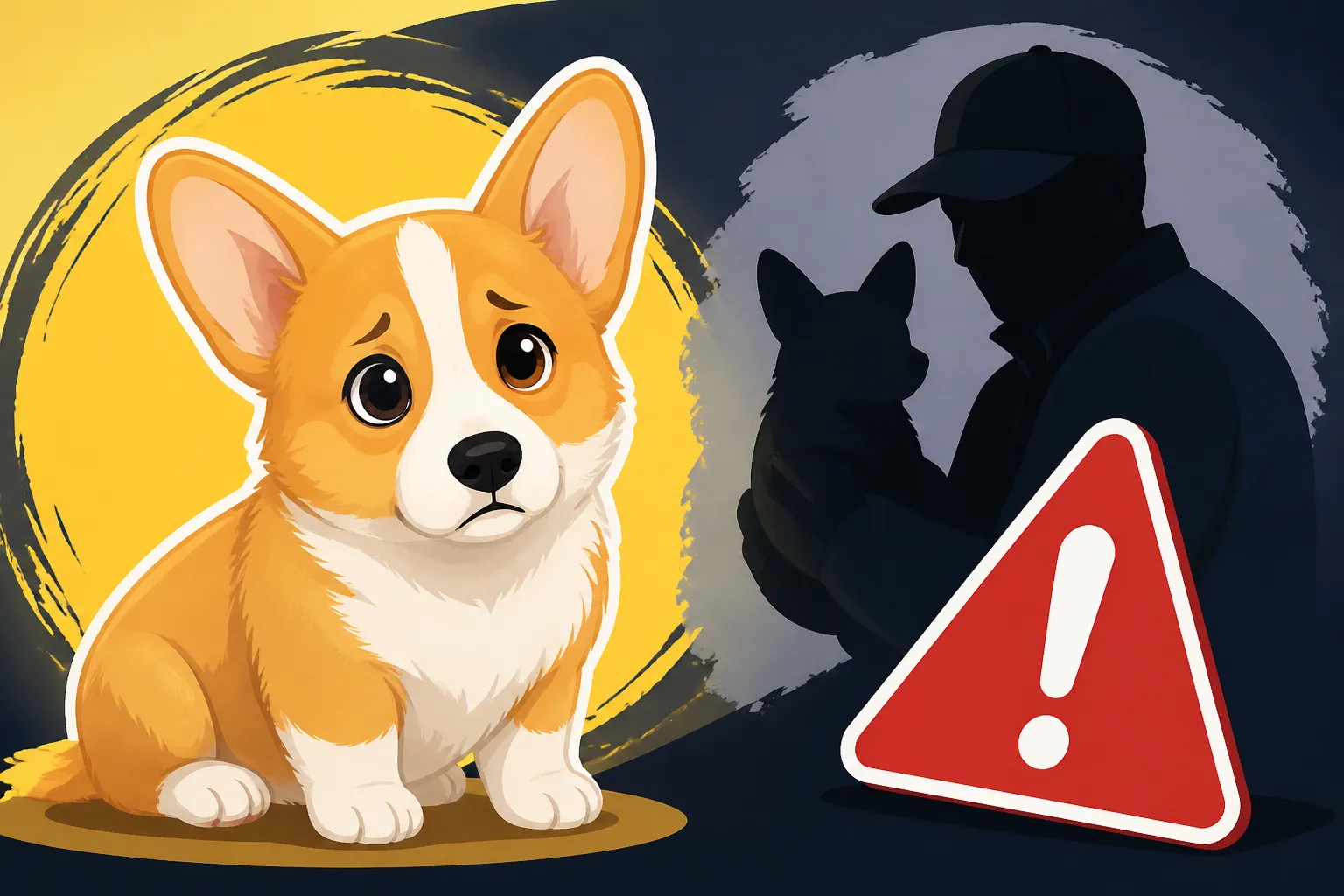
Why a Corgi Under a Thousand Should Worry You
It’s a tale as old as time for aspiring Corgi parents: you’re scrolling through listings, dreaming of that fluffy little potato-dog, and then you see it—a Corgi puppy advertised for a price that seems too good to be true, perhaps under a thousand dollars. It’s incredibly tempting to snatch up what looks like a bargain, especially when other puppies are listed for significantly more. But in the world of Corgis, a price tag this low is almost always a huge red flag that can lead to immense heartache and far greater expenses down the line. This guide will help you understand why those seemingly affordable prices often mask serious problems and how to protect yourself and your future Corgi.
The True Costs Behind a Responsible Corgi Breeder's Price Tag
When you see a Corgi priced much lower than the breed standard, it's natural to wonder why. Are other breeders just overcharging? The reality is that responsible Corgi breeding is an incredibly time-consuming, emotionally draining, and financially demanding endeavor. A low price almost invariably means that corners have been cut, potentially jeopardizing the health, temperament, and long-term well-being of the puppy you bring home.
The Investment in Parents and Pedigree
Think about what goes into creating a healthy, well-adjusted Corgi puppy. It starts long before the puppies are even conceived. A reputable breeder invests significantly in their breeding stock. This isn't just about buying a pretty dog; it's about acquiring Corgis with excellent pedigrees, proven health clearances, and sound temperaments from other respected lines. Stud fees for a high-quality male can be substantial, often thousands of dollars, not to mention the ongoing care, feeding, and showing expenses for the breeding parents themselves. These costs are all factored into the price of a well-bred puppy. When you see a very low price, it’s a strong indicator that the breeder hasn't made these foundational investments, leading to uncertainty about the puppy's genetic background and potential health.
Prenatal and Postnatal Care
Once a breeding takes place, the expenses continue to mount. The pregnant dam needs extra nutrition, specialized veterinary check-ups, and often ultrasound or X-rays to monitor the litter's development. Whelping, the birthing process, can be complicated for Corgis, sometimes requiring an emergency C-section, which is a major veterinary expense. After birth, the dam and puppies require constant supervision, high-quality food, and a clean, safe environment. Each puppy needs its own initial veterinary checks, vaccinations, deworming, and microchipping before going to their new homes. These aren't optional extras; they're standard care that ensures a healthy start. A breeder charging a very low price simply isn't covering these essential costs, which means the puppies likely haven't received the care they desperately need in their crucial early weeks.
Skipping Health Testing: A Recipe for Future Heartache and Expense
This is perhaps the biggest and most critical reason to worry about a cheap Corgi. Corgis, like many purebred dogs, are prone to certain genetic health conditions. Responsible breeders spend a considerable amount of money and time ensuring their breeding dogs are screened for these issues. If a Corgi is under a thousand dollars, it’s highly probable that this vital step has been skipped entirely.
Common Corgi Health Concerns and Testing
A good breeder will perform a range of health tests on both parent dogs before breeding. This includes DNA tests for conditions like Degenerative Myelopathy (DM), Von Willebrand Disease (vWD), and Progressive Retinal Atrophy (PRA). They also typically get evaluations for hip and elbow dysplasia, and sometimes even cardiac and patella clearances. You can learn more about The DNA Tests a Corgi Breeder Should Run. These tests aren't cheap; each one adds to the breeder's overhead, but they provide invaluable peace of mind that your puppy isn't predisposed to debilitating conditions.
Let's talk about DM, for example. Degenerative Myelopathy and the Corgi is a devastating neurological disease. While carrying the gene doesn't guarantee a dog will develop it, responsible breeders strive to reduce the risk by pairing a carrier with a clear dog, or ensuring both parents are clear. Breeders who don't test for DM risk producing puppies that are "at risk" and could face a future of mobility issues and difficult decisions for their families. Similarly, Corgi Hips and Front-End Structure are critical. Hip dysplasia can lead to painful arthritis and expensive surgeries, especially in a long-backed breed like the Corgi. Without proper hip evaluations of the parents, you're rolling the dice on your puppy's skeletal health.
The Financial and Emotional Burden of Untested Puppies
When you bring home a Corgi from untested parents, you are unknowingly taking on a massive potential financial and emotional burden. The money you save upfront on the puppy itself can quickly be dwarfed by veterinary bills if your dog develops a serious genetic condition. Imagine adopting that cheap Corgi, only to find out a few years later that they're developing signs of DM, or facing thousands of dollars for hip surgery. The Untested Corgi That Costs You at Eight is a heartbreaking reality for many. These are not minor ailments; they can significantly impact your Corgi's quality of life and your family's finances. A reputable breeder's higher price isn't a profit grab; it's an investment in the health and future of their puppies, which translates directly into less worry and potentially fewer vet bills for you. This is why many experienced Corgi owners recommend comprehensive pet insurance, but even then, conditions might be considered pre-existing if not diagnosed early.
Ethical Breeding Practices: Beyond Just Puppies
A responsible breeder does more than just produce puppies; they raise them in an environment that sets them up for success. This crucial period of early development has a profound impact on a Corgi’s temperament, social skills, and overall adjustability to a new home. A low price often means this critical developmental stage has been neglected.
The Importance of Early Socialization
Corgis are intelligent, active, and sometimes opinionated dogs. They need early exposure to various sights, sounds, textures, and people to develop into confident, well-adjusted companions. An ethical breeder raises puppies in their home, or a dedicated, clean, stimulating facility, where they interact daily with humans, are exposed to household noises like vacuums and doorbells, and begin basic potty training. This process, often called "early socialization," is vital for their emotional development. When puppies are raised in outdoor kennels, isolated environments, or overcrowded spaces, they often miss out on these crucial experiences. This can lead to shy, fearful, or even aggressive behaviors later in life, issues that can be incredibly challenging and costly to address through professional training. Getting a Corgi Puppy Used to the World starts right in the breeder's home.
Support and Transparency
A good breeder doesn’t just hand over a puppy and disappear. They become a lifelong resource for you. They’ll ask you many questions about your lifestyle and experience to ensure their puppy is going to a suitable home. This isn't being nosy; it's due diligence to prevent their puppies from ending up in rescues later. They'll provide you with detailed feeding instructions, health records, and information about the puppy's parents. They'll also be available to answer your questions as your Corgi grows, offering guidance and support. If a breeder is selling puppies for a very low price, they often lack this level of dedication. They're typically in it for quick cash, not for the long-term well-being of the dogs they produce. They won't provide references, encourage you to meet the parents, or offer any sort of health guarantee. This lack of transparency and support is a huge risk for new owners.
Spotting Red Flags: More Than Just the Low Price
While an unusually low price is a flashing warning sign, it's rarely the only one. Backyard breeders and puppy mills, often behind these "bargain" Corgis, exhibit several other characteristics that should make you run the other way.
Common Signs of a Questionable Breeder
If a breeder is offering Corgis for a price well under the typical range—which is often Corgi Puppy Prices From a Tested Breeder—start by looking for these additional red flags:
- No Health Testing Documentation: They can't or won't provide verifiable paperwork for hip/elbow scores, DM, vWD, or PRA clearances for both parents. They might claim the parents are "healthy" or "vet-checked" but offer no specific test results.
- No Parent Dogs On-Site: You're only allowed to see the puppies, often in a neutral location like a parking lot. This prevents you from seeing the living conditions of the adult dogs or assessing the temperament of the parents.
- Multiple Breeds or Litters: A reputable breeder usually focuses on one or two breeds max, and rarely has multiple litters available at once, especially not of different breeds. This is a tell-tale sign of a commercial breeding operation.
- No Questions for You: A good breeder is vetting you just as much as you're vetting them. If they don't ask about your living situation, experience with dogs, or plans for the Corgi, they likely don't care about the puppy's future home.
- Always Available Puppies: Responsible breeders often have waiting lists because they breed infrequently and carefully. If puppies are always available or you can pick one up "today," it suggests overbreeding or poor placement.
- Vague or Evasive Answers: When asked specific questions about health, genetics, socialization, or the parents, the breeder gives vague answers or gets defensive.
- No Contract or Guarantee: A comprehensive contract outlining health guarantees, spay/neuter agreements, and return policies is standard for ethical breeders. Without one, you have no recourse if issues arise.
- Lack of Registrations/Papers: While papers don't guarantee quality, reputable breeders register their litters with organizations like the AKC. If a breeder says they "don't bother with papers" or charges extra for them, be wary.
Consider the journey of getting your Corgi. You'll want to schedule The Vet Visits a Corgi Puppy Needs First and ensure they have a clear health history from the breeder. If you pick up a cheap puppy, you might be walking into a situation where you immediately face significant vet bills.
| Feature | Reputable Breeder (Higher Price) | Questionable Breeder (Lower Price) |
|---|---|---|
| Health Testing | Full genetic panel & orthopedic clearances | "Vet checked" or no proof |
| Parent Access | Always meet on-site (both if possible) | Only see puppies, often off-site |
| Living Environment | Clean, stimulating, home-raised puppies | Unsanitary, isolated, or crowded conditions |
| Socialization | Handled daily, exposed to household life | Limited human interaction, kennel-raised |
| Support & Resources | Lifetime support, educational materials | Minimal contact after sale, no follow-up |
| Contract & Guarantee | Detailed contract, health guarantee | No contract, "as-is" sale |
| References | Provides vet, previous buyer references | No references available |
| Questions for Buyer | Extensive screening process | Little to no interest in buyer's home |
| Registration Papers | Included with limited registration | Extra fee or not available |
Remember, the initial cost of a Corgi puppy is just a small fraction of the total lifetime cost of owning a dog. Investing in a healthy, well-socialized puppy from a reputable breeder helps mitigate many of the risks that can lead to far greater expenses, and much more importantly, heartbreak, down the road. You might be looking for ways to save money, but skipping out on a reputable breeder is rarely the right answer. You can find quality supplies for your new puppy at places like Chewy, but the health foundation of your Corgi starts with the breeder. Ultimately, What a Corgi Costs a Year Before Any Back Trouble is significantly less than the costs associated with chronic health problems from poor breeding.
Disclaimer
This article is for general informational purposes only and does not constitute professional advice. Laws, prices and regulations vary by location and change over time. Consult a qualified professional for guidance on your specific situation.