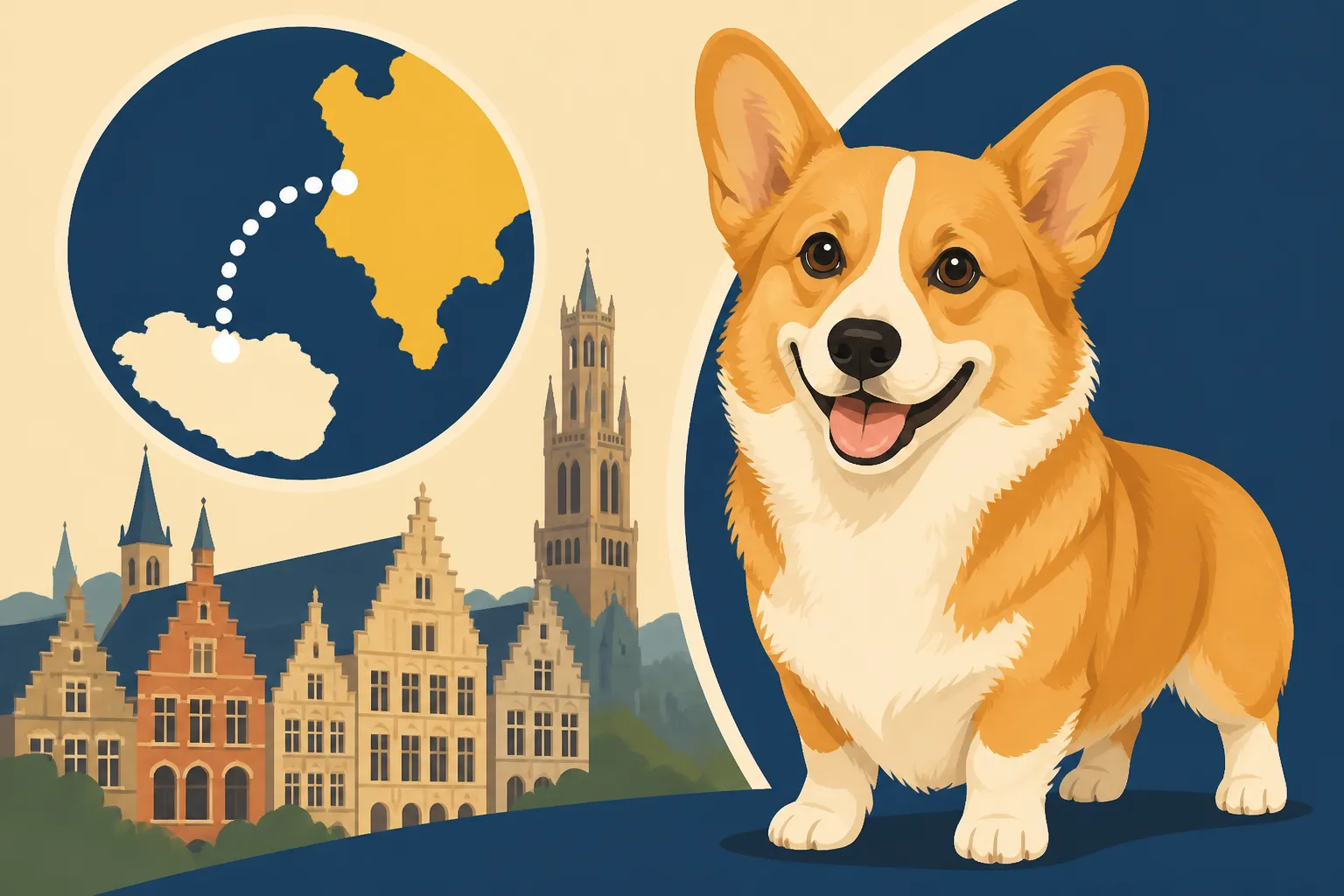
The Flemish Connection to the Pembroke
It's quite common for Corgi lovers to dive deep into the origins of our beloved little low riders, and sometimes the historical accounts can feel a bit scattered or contradictory. We know these dogs have ancient roots, but piecing together exactly how they became the Pembrokes we adore today often leads to fascinating theories, one of the most compelling being the influence of Flemish weavers. This guide is going to take a closer look at that connection, exploring how these skilled artisans and their dogs might have shaped the very essence of the Pembroke Welsh Corgi.
The Early History of the Welsh Corgi Breeds
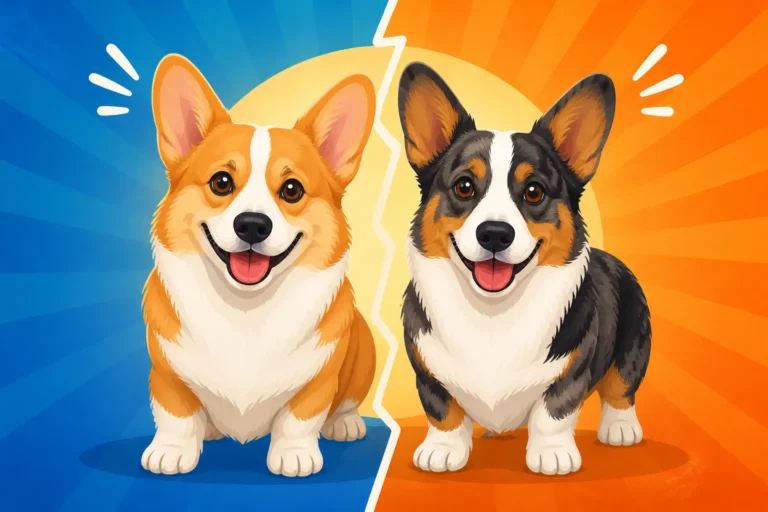
Before we zero in on the Flemish connection, it’s important to understand that the term "Welsh Corgi" actually encompasses two distinct breeds: the Pembroke Welsh Corgi and the Cardigan Welsh Corgi. For centuries, these dogs were working companions on the farms and fields of Wales, known for their ability to herd cattle by nipping at their heels and ducking under their kicks. This unique style of herding, perfected over generations, is a hallmark of the breed's ancestry and a testament to their intelligence and courage.
Ancient Roots in the Welsh Countryside
The Cardigan Welsh Corgi is often considered the older of the two breeds, with a history stretching back potentially over a thousand years, maybe even to the Celtic invasions of Wales. These dogs are thought to be descendants of the Teckel family of dogs, which includes the Dachshund, characterized by their long bodies and short legs. Imagine the rugged landscape of ancient Wales, where farmers relied on these hardy, low-to-the-ground dogs to manage their livestock, keeping them safe from harm while navigating difficult terrain. Their enduring presence in the stories and everyday life of Welsh farmers speaks volumes about their importance.
The Rise of the Pembroke
The Pembroke, while sharing many visual similarities with the Cardigan, has a slightly different, though equally fascinating, origin story. While the Cardigan's lineage is often traced back to the Teckel types, the Pembroke is believed to have a more Spitz-like ancestry, possibly with roots in dogs brought over by Nordic invaders or, more relevant to our discussion, early European settlers. This distinction is crucial because it suggests different genetic contributions that would eventually give the Pembroke its unique characteristics. The dogs were then developed further in Pembrokeshire, adapting to the specific needs of the local farmers and their flocks. The fact that Pembrokes were formally separated from Cardigans much later, in 1934 by the Kennel Club, highlights how intertwined their early histories were, yet how distinct their bloodlines remained. You can read more about The 1934 Split Into Pembroke and Cardigan.
Unpacking the Flemish Weaver Theory
The idea of a "Flemish connection" might sound a bit exotic for a humble Welsh farm dog, but it actually makes a lot of sense when you consider the historical context of medieval Europe. The story is a delightful blend of trade, migration, and the unintentional blending of canine bloodlines that created something truly special.
Historical Context: Flemish Migration to Wales
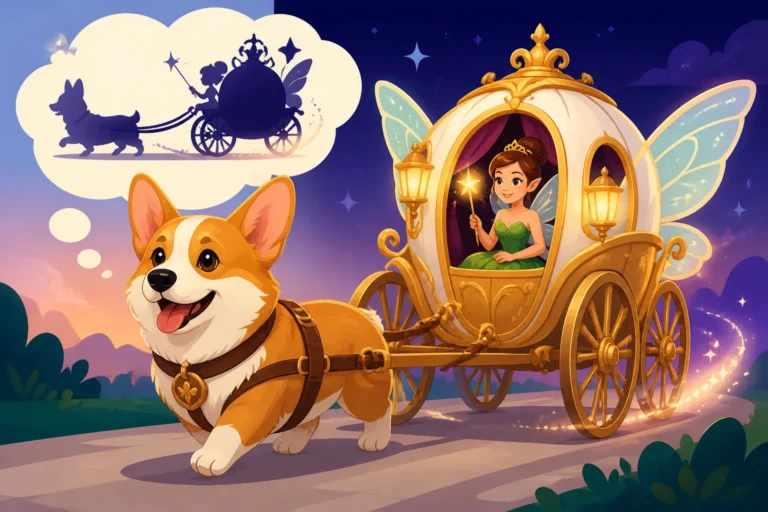
During the 10th to 12th centuries, particularly under the reign of King Henry I, there was a significant influx of Flemish weavers and artisans into various parts of Great Britain, including Pembrokeshire in Wales. These skilled craftsmen were invited to settle in the region to boost the local economy, bringing with them their expertise in wool production and textile manufacturing. They established communities, built homes, and, as people do, brought their dogs. These weren't just decorative pets; these were working dogs, companions that would have been invaluable for protecting their homes, their small herds, and even helping with their weaving materials. It's not hard to imagine these early settlers, far from home, relying heavily on their canine companions for both practical help and emotional comfort.
The Dogs the Weavers Brought
So, what kind of dogs did these Flemish weavers likely bring? It’s speculated that they might have brought small, sturdy herding or cattle-driving dogs, possibly of Spitz descent, similar to what we might recognize as early ancestors of breeds like the Schipperke or even certain types of continental European herding dogs. These dogs would have been bred for resilience, intelligence, and the ability to work independently, often with cattle or sheep. They needed to be agile enough to avoid being trampled and courageous enough to stand their ground. The traits of these dogs, like their foxy faces, prick ears, and compact, powerful bodies, resonate strongly with characteristics still seen in the Pembroke Welsh Corgi today. This historical theory suggests a direct genetic contribution that helped shape the Pembroke into the unique dog we recognize.
How These Dogs Intermingled with Native Welsh Stock
Once in Wales, it's believed that these Flemish dogs naturally interbred with the native Welsh herding dogs already present in the region. The Welsh farmers, ever pragmatic, would have recognized the desirable traits in the Flemish newcomers – their intelligence, their herding ability, and their robust constitution. Over generations, this cross-breeding would have led to a blending of characteristics, gradually solidifying into a distinct type of dog that was perfectly suited to the Welsh environment and the needs of its people. This intermingling wasn't a planned breeding program in the modern sense, but rather a natural evolution driven by utility and survival. It’s a testament to the idea that the best working dogs often emerge from a diverse genetic pool, combining strengths from different lineages. This mixing of traits contributes to why some believe Whether Spitz Blood Is in the Pembroke.
The Lasting Impact of the Flemish Legacy on the Pembroke
The Flemish connection isn't just a historical curiosity; it’s a living part of the Pembroke Welsh Corgi’s identity. The traits that make Pembrokes so endearing and effective today can often be traced back to this fascinating blend of ancestral influences.
Distinctive Physical Traits
Think about the classic Pembroke look: those bright, alert, foxy faces, the erect ears, and that sturdy, low-slung body. These features are often linked to Spitz-type dogs, which are precisely the kind of dogs the Flemish weavers might have brought. Their short legs, a defining feature, are not merely an aesthetic quirk but a crucial adaptation. Being low to the ground meant they could nip at the heels of cattle without getting kicked, a skill vital for their original herding duties. Their compact build, while sometimes leading to discussions around Why a Corgi's Back Is Built the Way It Is, is a testament to their strength and agility, allowing them to navigate dense undergrowth and uneven terrain with ease. Even their double coat, which helps them handle various weather conditions, could have been a valuable trait passed down from dogs accustomed to cooler European climates. When you see a Pembroke today, whether they're trotting through a park or snoozing on the sofa, you're looking at centuries of adaptation and selective breeding, much of which was subtly influenced by this early cultural exchange.
Temperamental and Behavioral Characteristics
Beyond the physical, the Flemish connection might also explain some of the Pembroke’s signature personality traits. Many herding dogs, including those thought to be part of the Flemish lineage, are known for their intelligence, independence, and strong-willed nature. Pembrokes are incredibly smart, often described as having a big dog personality in a small dog body. This intelligence, combined with a certain stubbornness, means they need consistent training and mental stimulation. They thrive on having a "job" to do, whether it's learning tricks, participating in dog sports, or simply being your vigilant household companion. Their strong herding instinct, which can manifest as a tendency to nip at heels (especially those of running children!) or try to "manage" family members, is a direct link to their working past. Understanding this heritage can help new owners better appreciate and manage these innate behaviors. Providing outlets for this energy, such as puzzle toys or supervised play, is essential. Many Corgi owners find The Cattle-Driving Nip a Corgi Still Has a charming, if sometimes challenging, reminder of their dog's history. Luckily, online stores like Chewy offer a fantastic range of engaging toys designed for intelligent breeds, which can be a real lifesaver for keeping a busy Corgi entertained.
The Pembroke Welsh Corgi's Unique Heritage
The Flemish connection is just one thread in the rich tapestry of the Pembroke Welsh Corgi's history. It illustrates how migration, trade, and the practical needs of people can shape the evolution of a dog breed. It reminds us that our dogs carry the echoes of their ancestors, their original purposes, and the environments in which they thrived. This deep history contributes to the Pembroke's enduring appeal, making them not just adorable companions but living pieces of history. Knowing their background helps us understand why they bark, why they try to herd us, and why they look at us with such intelligent, foxy eyes. It’s a story of resilience, adaptation, and the powerful bond between humans and their canine partners, a bond that has transcended centuries and cultures. This rich heritage is part of what makes them such fascinating dogs to live with, and a big reason why owners are so invested in their care and well-being. Keeping a Corgi healthy and happy often means providing for their genetic predispositions, from ensuring good joint health to stimulating their active minds. You can find many products, from specialized dog food to brain-teaser toys, on Chewy to support all aspects of a Corgi's life.
Modern Day Relevance of Historical Breeding
Understanding the historical factors that shaped the Pembroke Welsh Corgi isn't just about fun facts; it profoundly impacts how we approach their care, training, and overall well-being today. Many of the breed's characteristics, both physical and behavioral, can be better managed and appreciated when viewed through the lens of their ancestry, including the potential Flemish influence.
Informing Responsible Breeding Practices
For responsible breeders, knowledge of the Pembroke's historical influences is invaluable. It helps them maintain the breed standard while also addressing potential health concerns that may have arisen from their unique body structure or genetic predispositions. For example, understanding the origins of their short legs and long back highlights the importance of screening for conditions like Intervertebral Disc Disease (IVDD). Breeders who understand the historical context strive to produce healthy, well-tempered dogs that embody the best traits of their ancestors. They conduct genetic tests for issues relevant to the breed, ensuring that puppies have the best possible start. If you're looking for a Corgi puppy, a breeder should be transparent about their testing protocols and lineage, much like they would with The DNA Tests a Corgi Breeder Should Run.
Tailoring Training and Exercise Needs
A Pembroke's independent nature and strong herding drive, which can be linked to their working ancestors (Flemish or otherwise), means they require specific approaches to training. They're intelligent and capable, but they also have a mind of their own. Positive reinforcement training works wonders, channeling their smarts into constructive activities. Engaging them in activities like agility, obedience, or even scent work can satisfy their innate need for a "job." Even something as simple as using puzzle feeders for mealtime can provide valuable mental stimulation, which is crucial for a breed that was bred to make decisions in the field. Ignoring these deeply ingrained instincts can lead to undesirable behaviors, such as excessive barking or attempts to herd family members, especially children. Therefore, proactive and consistent training from a young age is essential. It's often helpful to provide them with toys and tools that mimic their herding instincts, which you can easily find at online retailers like Chewy.
Appreciating the Breed's Resilience
The Corgi's history, including any Flemish contributions, paints a picture of a resilient, adaptable, and robust little dog. They were bred to work hard in challenging conditions, and that tenacity is still evident in their spirit today. This doesn't mean they're indestructible, but it does speak to their general hardiness and zest for life. However, their unique body shape does mean owners need to be particularly mindful of their spinal health. Preventing jumping from furniture, providing ramps or steps, and maintaining a healthy weight are critical for preserving their mobility as they age. This careful consideration for their physical well-being is a way of honoring their working past and ensuring they can live full, active lives well into their senior years. While their back is often a concern, understanding Corgi Hips and Front-End Structure is equally important for their overall health.
| Historical Influence | Potential Traits Introduced/Reinforced | Impact on Modern Pembroke (Examples) |
|---|---|---|
| Native Welsh Dogs | Herding instinct, hardiness, compact size | Tenacious herding behavior, robust constitution, low-slung body. |
| Flemish Dogs | Spitz-like features, intelligence, independence, thick coat | Foxy face, prick ears, strong will, double coat, problem-solving ability. |
| Combined Influence | Agility, courage, vocal nature, strong bond with family | Versatile working dog, loyal companion, energetic, alert barker. |
Understanding the layers of their heritage helps us to truly appreciate these wonderful dogs for who they are. It's not just about a cute face; it's about a rich history woven into every bark, every prance, and every loving gaze.
Disclaimer
This article is for general informational purposes only and does not constitute professional advice. Laws, prices and regulations vary by location and change over time. Consult a qualified professional for guidance on your specific situation.