How Old the Cardigan Welsh Corgi Is
It's easy to assume that all Corgis are simply "Corgis," a single, adorable breed with stubby legs and a big personality. But that assumption overlooks a rich history, especially when it comes to the Cardigan Welsh Corgi, which actually boasts a far more ancient lineage than its Pembroke cousin. If you've ever wondered just how far back the roots of that distinct Cardigan personality and appearance go, you've come to the right place. This guide will delve into the deep history of the Cardigan Welsh Corgi, exploring its truly ancient origins and how its timeline differs from that of the Pembroke.
Tracing the Cardigan Welsh Corgi's Ancient Roots
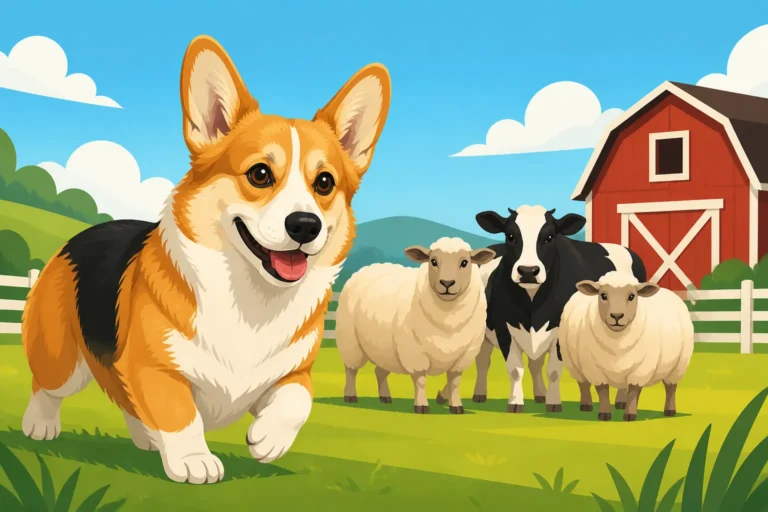
When we talk about the Cardigan Welsh Corgi, we're not just discussing a dog with a cute fluffy tail; we're talking about a breed whose ancestors trotted across the Welsh landscape thousands of years ago. It’s hard to imagine, isn't it? Many people are surprised to learn that the Cardigan predates the Pembroke by a significant margin, making it one of the oldest herding breeds in Britain, if not Europe. Its roots are firmly planted in Cardiganshire, a rugged, hilly region of Wales, where these tough little dogs were indispensable to farmers.
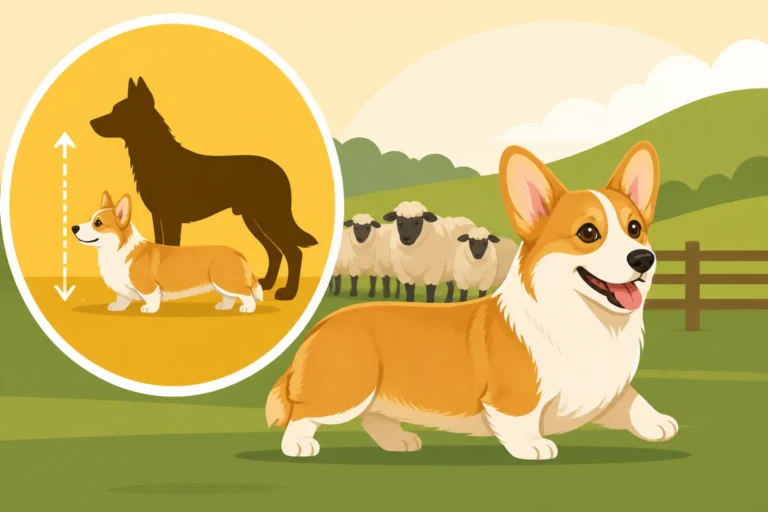
These weren't just pets; they were vital working animals. Imagine the wild, untamed fields of ancient Wales, where farmers needed intelligent, low-slung dogs to drive cattle without getting kicked by powerful hooves. The Cardigan’s unique build, with its low center of gravity and strong, agile body, was perfectly suited for nipping at the heels of stubborn livestock, ducking out of the way, and continuing the chase. This isn't a story of selective breeding for looks, but for sheer survival and utility in a harsh environment. The very essence of the Cardigan Welsh Corgi is steeped in this ancient, hardworking heritage.
The Teckel Family and Early Connections
One of the most fascinating theories about the Cardigan's lineage connects it to the "Teckel" family of dogs, which includes breeds like the Dachshund. While they look quite different at first glance, the shared long body and short legs, characteristics common in dogs bred to work close to the ground, suggest a common ancestry that stretches back to continental Europe. It's believed that these types of dogs arrived in Wales with Celtic tribes around 1200 BC, making them incredibly ancient companions to humans in the region. That's right, we're talking Iron Age dogs!
This connection isn't just a historical footnote; it speaks to the enduring traits of the Cardigan. Think about that determined, sometimes stubborn, nature, and that strong desire to explore and dig – traits often seen in earth dogs like Dachshunds. It suggests a dog that was always meant to be a problem-solver, whether it was moving cattle or perhaps even flushing out small game from burrows. This long history also means that the Cardigan has had more time to solidify its distinct genetic profile, contributing to its unique appearance and temperament today. It's a testament to their hardiness and adaptability that these ancient lines have persisted for so long. The Cardigan's Twelve Hundred BC Origins is a fascinating read if you want to delve deeper into these early connections.
Why the Cardigan and Pembroke Are Not Related
This is perhaps the biggest surprise for many Corgi enthusiasts: the Cardigan and Pembroke Welsh Corgis, despite their similar names and appearances, are actually distinct breeds with entirely separate ancestral lines. It’s a common misconception, given their shared "Corgi" designation and Welsh heritage. The Cardigan's deep roots in the Teckel family set it apart from the Pembroke, which is believed to have a Spitz-type ancestry, likely brought to Wales by Flemish weavers much later. This isn't just a subtle difference; it's a fundamental divergence in their genetic makeup and historical development.
Imagine two completely different streams, flowing into the same valley and eventually sharing a name, but having originated from entirely separate mountain springs. That's essentially the story of the Cardigan and Pembroke. Their similarities, such as their low stature and herding abilities, are more a result of convergent evolution – both breeds were shaped by the similar environmental and working demands of Welsh farm life – rather than direct kinship. This separation is why they were officially recognized as distinct breeds by The Kennel Club in 1934, despite being shown together for a time. Understanding this distinction helps us appreciate the truly ancient and independent journey of the Cardigan Welsh Corgi.
How the Cardigan's Age Compares to the Pembroke's
It's clear that the Cardigan Welsh Corgi has a truly ancient heritage, dating back millennia. But how does this stack up against its more widely recognized cousin, the Pembroke Welsh Corgi? The difference in their timelines is quite substantial, and understanding it really clarifies why they are considered two separate breeds, despite their superficial similarities. It's not just a few centuries; we're talking about a difference of over a thousand years in their established presence in Wales.
The Pembroke's Arrival in Wales
The Pembroke Welsh Corgi's origins are typically traced back to the 10th or 11th century AD, which, while still old, pales in comparison to the Cardigan's Iron Age connections. It's widely believed that the Pembroke's ancestors were Spitz-type dogs, brought to Wales by Flemish weavers who settled in Pembrokeshire. These weavers were invited by the King of England to help develop the wool industry, and they brought their working dogs with them. These dogs, adapted to driving cattle and protecting property, eventually evolved into the Pembroke Corgi we know today.
So, while the Cardigan was busy herding cattle for Celtic tribes in the hills of Cardiganshire, its Pembroke counterpart was still centuries away from setting paw on Welsh soil. This later arrival means that the Pembroke's lineage is much more recent in the grand scheme of canine history. It also implies different foundational traits – while both are herding dogs, the Pembroke's Spitz ancestry might explain some differences in temperament or physical characteristics, such as the often naturally bobbed tail, which is a key distinction from the Cardigan's long, bushy tail. If you're curious about the specific history of the Pembroke, When Pembrokes Arrived in Wales offers a great overview.
The Impact of Separate Evolution
This significant difference in origin means the two breeds evolved along distinct paths for a very long time. The Cardigan, with its deep Teckel roots, maintained traits suitable for the rugged terrain and ancient farming practices of its home county. Its slightly larger size, sturdier bone structure, and longer tail reflect its long history as a robust, all-around farm dog. The Pembroke, on the other hand, developed from Spitz stock in a slightly different environment, leading to its own set of characteristics, including a typically lighter build and often a docked or naturally bobbed tail.
Even their temperaments, while both intelligent and independent, can show subtle differences. Cardigans are often described as being a bit more reserved and perhaps a tad more stoic, a reflection of their ancient, no-nonsense working past. Pembrokes, while equally capable, sometimes lean towards being more effervescent and outgoing. These aren't hard and fast rules, of course, as individual dogs vary widely, but they hint at the long, separate journeys these two beloved breeds have taken. Knowing this truly highlights why Why the Cardigan and Pembroke Are Not Related is such an important piece of Corgi history.
The Journey to Official Recognition
For centuries, these two distinct types of Corgis lived and worked in their respective Welsh counties, largely without official distinction. Farmers knew their "Cardiganshire dogs" from their "Pembrokeshire dogs," but outside of local circles, the differences weren't widely publicized or formalized. It wasn't until the early 20th century, as dog shows gained popularity and breed standards began to be established, that the need to differentiate them became pressing. This journey to formal recognition is a relatively recent chapter in the Cardigan’s very long story.
When the Two Corgi Breeds Were Shown Together
It might seem strange now, but for a period, both Cardigan and Pembroke Corgis were actually shown together under a single breed category in dog shows. Can you imagine the confusion? Judges were faced with a variety of Corgi types, some with long tails, some with short, some with slightly different head shapes, all lumped into one category. This practice created a lot of debate and inconsistency in judging, as enthusiasts of both types felt their particular Corgi was being unfairly compared to the other.
This period of joint showing highlighted the clear distinctions between them, ultimately paving the way for their formal separation. It was a crucial step in recognizing the Cardigan for its unique characteristics, which had been developing for thousands of years. Without the push for formal breed standards, the ancient Cardigan might have remained simply a regional variant, its incredible history diluted by a lack of official distinction. Dog show enthusiasts often relied on resources like Chewy to find breed-specific information and understand these nuances.
The Kennel Club Split and AKC Recognition
The year 1934 was monumental for Corgi lovers. It was in this year that The Kennel Club in the UK officially recognized the Pembroke Welsh Corgi and the Cardigan Welsh Corgi as two entirely separate breeds. This decision was a long time coming and finally gave each breed the individual recognition they deserved based on their distinct histories, physical characteristics, and temperaments. It allowed breeders to focus on preserving the unique traits of each line without the pressure of merging them.
Not long after, the American Kennel Club (AKC) followed suit, recognizing the Cardigan Welsh Corgi in 1935, and the Pembroke Welsh Corgi in 1934. This formal recognition solidified their status worldwide and marked the beginning of modern breeding programs aimed at maintaining the health and integrity of each breed. It's a relatively young part of the Cardigan’s timeline compared to its ancient origins, but a crucial one for its preservation. This table outlines the key differences in their official recognition:
| Feature | Cardigan Welsh Corgi | Pembroke Welsh Corgi |
|---|---|---|
| Ancestral Lineage | Teckel family (Dachshund-like dogs) | Spitz family (Nordic dogs) |
| Estimated Arrival | Around 1200 BC (with Celtic tribes) | 10th-11th Century AD (with Flemish weavers) |
| Original Location | Cardiganshire, Wales | Pembrokeshire, Wales |
| Tail | Long, bushy, fox-like | Docked or naturally bobbed (short) |
| Ear Shape | Rounder, slightly larger | Pointier, more foxy |
| Build | Slightly larger and heavier boned | Generally lighter and finer boned |
| KC Recognition (UK) | 1934 (as separate breed from Pembroke) | 1934 (as separate breed from Cardigan) |
| AKC Recognition (USA) | 1935 | 1934 |
Understanding these distinctions helps us truly appreciate How Old the Cardigan Welsh Corgi Is and the incredible journey this breed has taken.
The Enduring Legacy of the Ancient Cardigan
So, the Cardigan Welsh Corgi isn't just an old breed; it's a truly ancient one, carrying the lineage of dogs that have been companions and working partners to humans for thousands of years. This deep history isn't just a fun fact; it's woven into the very fabric of the breed, influencing its physical characteristics, its unique temperament, and even its health considerations. When you look at a Cardigan today, you're looking at a living piece of history, a direct descendant of those resilient, intelligent dogs that helped shape the agricultural landscape of ancient Wales.
Why the Cardigan's Ancient History Matters Today
This ancient past contributes to the Cardigan's inherent hardiness and intelligence. These dogs weren't bred in kennels for generations; they evolved through necessity in a tough environment. This means they often possess a strong will, a sharp mind, and a robust constitution. Their long history of adapting to various challenges has instilled in them a unique resilience. It's also why many Cardigan owners find them to be incredibly loyal and devoted, albeit with an independent streak that can sometimes manifest as "stubbornness" – a trait born from making their own decisions while herding cattle.
For prospective owners, knowing this history helps set realistic expectations. A Cardigan isn't a fluffy lapdog without a purpose. They are intelligent, active dogs who thrive when given a job to do, even if that job is just advanced obedience or scent work in the modern home. Their ancient instincts are still very much alive. For instance, their drive to explore and investigate, honed over millennia, is why things like puzzle toys and interactive feeders from places like Chewy are so valuable for mental stimulation. The Cattle Dog Behind the Corgi gives an excellent insight into these working roots.
Whether Cardigan Numbers Are Falling
Despite its deep roots, the Cardigan Welsh Corgi has historically been the less common of the two Corgi breeds. While the Pembroke's popularity soared, partly thanks to its association with royalty, the Cardigan has remained more of a niche breed, cherished by a devoted following. This isn't necessarily a bad thing; lower numbers can sometimes mean that breeders are able to maintain more careful breeding practices, focusing on health and temperament. However, it also means they might be harder to find, and waiting lists for puppies from reputable breeders can be longer.
The good news is that appreciation for the Cardigan's unique qualities seems to be growing. Many people are discovering their charm, their distinct look, and their wonderful personalities. This renewed interest helps ensure the breed's continued presence, preventing their numbers from falling to concerning levels. It’s a delicate balance between maintaining rarity and ensuring the breed thrives. If you're considering adding a Cardigan to your family, researching reputable breeders who prioritize health testing and adhere to breed standards is paramount. Whether a Cardigan Is Harder to Find is a useful resource for those on the search.
The Cardigan Welsh Corgi is more than just a dog; it's a living link to an ancient past, a testament to resilience, intelligence, and the enduring bond between humans and their canine companions. Its thousands of years of history make it a truly special breed.
Disclaimer
This article is for general informational purposes only and does not constitute professional advice. Laws, prices and regulations vary by location and change over time. Consult a qualified professional for guidance on your specific situation.