Whether Spitz Blood Is in the Pembroke
It's natural to look at a Pembroke Welsh Corgi and ponder its lineage. With those upright, foxy ears, that keen expression, and that glorious double coat, many Corgi owners, or those just admiring these stout little herders, often find themselves wondering, "Is there some Spitz blood in there?" It's a question that stems from their very distinct appearance, which does indeed share some striking similarities with dogs from the Spitz family. This guide will delve into the fascinating history and genetic whispers that connect the beloved Pembroke Welsh Corgi to the ancient, cold-weather Spitz dogs, helping you understand the complex tapestry of their origins.
Understanding the Pembroke Welsh Corgi's Ancestry
When we talk about a dog's ancestry, it's rarely a simple, single-thread story. Most breeds, especially ancient ones like the Corgi, are a blend of history, geography, human needs, and the migration of various canine populations over centuries. The Pembroke Welsh Corgi, though relatively young in its recognized breed form, descends from a very old line of working dogs in Wales.
The Deep Roots of Welsh Herding Dogs
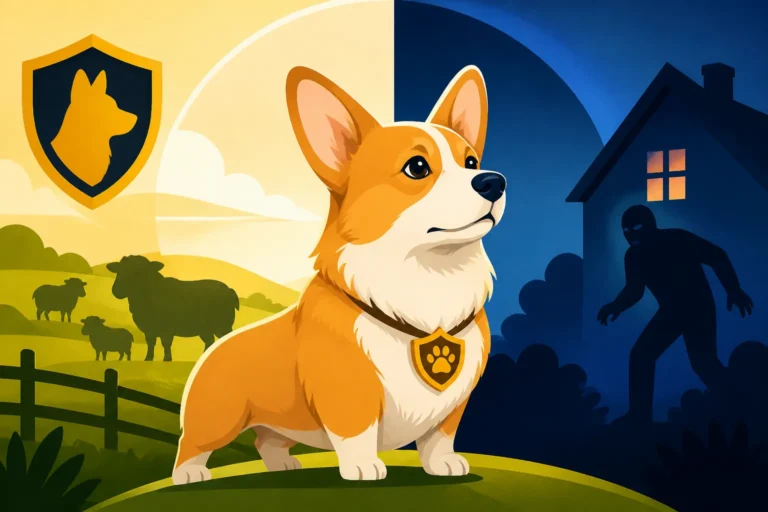
Imagine the rolling, often harsh landscapes of Wales, where farmers needed intelligent, resilient dogs to manage livestock. These weren't pampered pets; they were essential workers. The ancestral Corgis, alongside their cousins the Cardigan Welsh Corgis, were bred for a specific job: herding cattle. Their low-slung bodies, a defining characteristic, weren't just for charm; they were a deliberate adaptation to nip at the heels of stubborn cattle while ducking under swinging hooves. This short stature, known as achondroplasia, is a key genetic trait Why the Corgi Was Bred So Low.
The dogs that eventually became the Pembroke Welsh Corgi were known for their quick wit, sturdy build, and ability to navigate rough terrain. Their working life meant they needed a weather-resistant coat, keen senses, and a robust constitution. These qualities often align with many ancient working breeds, including those often grouped under the "Spitz-type" umbrella, which were also developed in challenging environments.
Differentiating Pembroke and Cardigan Origins
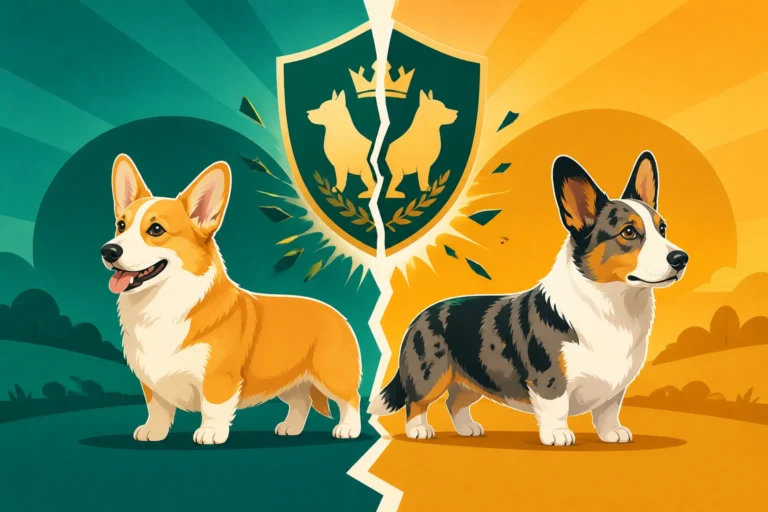
It's crucial to remember that while they share the "Corgi" name, the Pembroke and Cardigan are Pembroke and Cardigan Are Two Different Breeds. Their ancestries, though both rooted in Wales, diverged significantly long ago. The Cardigan Welsh Corgi is considered the older of the two, tracing its lineage back perhaps 3,000 years, believed to be related to the Teckel (dachshund) family of dogs. The Pembroke, on the other hand, is generally thought to have arrived in Wales much later, around the 10th century, likely with a different set of ancestral dogs in its genetic makeup. This distinction is vital when considering the "Spitz blood" question, as the theories often point to the Pembroke's specific, later introductions.
Tracing the "Spitz" Connection in Corgi Lineage
The idea of Spitz blood in the Pembroke isn't just a casual observation; it's a theory rooted in historical migration patterns and the visible characteristics these dogs share with classic Spitz breeds.
The Northern European Influence: Vikings and Flemish Weavers
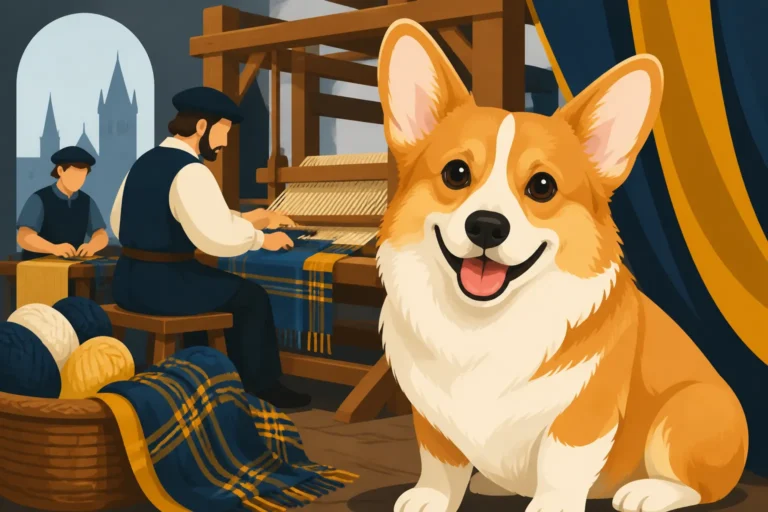
One of the most compelling theories regarding the Pembroke's ancestry involves Northern European dogs. It is widely believed that the ancestors of the Pembroke Welsh Corgi were brought to Wales by Flemish weavers who migrated to Pembrokeshire around the 10th century. These weavers, relocating with their skills, knowledge, and livelihoods, would naturally have brought their working dogs with them. The Flemish Connection to the Pembroke is a key piece of this puzzle.
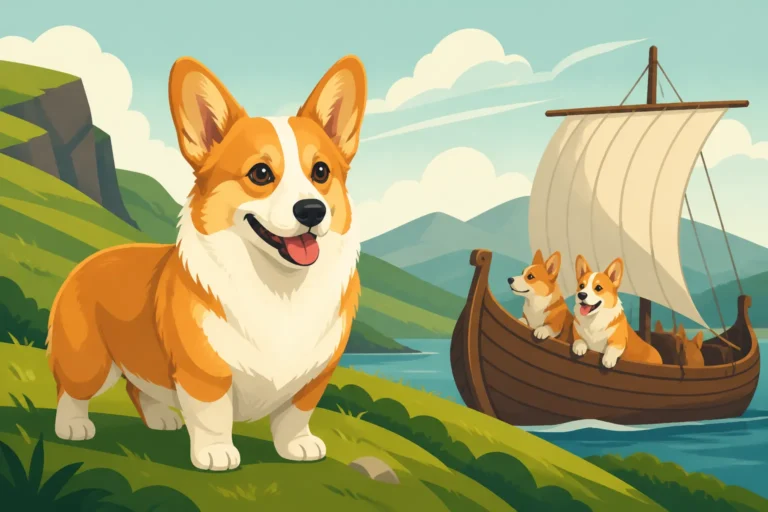
These dogs, often described as Spitz-type, were hardy animals used for herding and guarding in their native lands. They shared characteristics like pointed, erect ears, a dense double coat, and a foxy appearance. Prior to this, some theories also suggest an even earlier influence from dogs brought by the Vikings, who had extensive trade and settlement routes across Northern Europe and into the British Isles. These Viking dogs would also likely have been Spitz-types, known for their resilience in cold climates and their diverse working roles.
Shared Traits with Spitz Breeds
When you look at a classic Spitz breed – think Norwegian Elkhound, Finnish Lapphund, or even Siberian Husky – you'll notice a distinct set of features:
- Pricked, often triangular ears: A hallmark of many Spitz dogs, and certainly a dominant feature of the Pembroke.
- Foxy head and muzzle: A tapered muzzle, intelligent eyes, and a somewhat angular head shape are common.
- Dense double coat: Designed for insulation, perfect for harsh weather, a characteristic strongly present in Corgis.
- Curled tail (or historically, a full tail): While many Pembrokes have historically been docked, those with natural tails often have them carried over the back, similar to many Spitz breeds.
It's these shared phenotypic traits that fuel the speculation of a Spitz connection. It's not about a direct cross with a modern Siberian Husky, but rather a deeper, ancient lineage shared with the primitive working dogs from which many Spitz breeds developed. These were tough, resourceful dogs, much like the early Corgis needed to be.
A Look at Common Spitz Traits vs. Pembroke Traits
To help visualize this connection, let's put some of these observations into a table. This isn't to say Pembrokes are Spitz dogs, but rather that they share significant physical attributes that suggest a common, ancient ancestry or influence.
| Trait | Typical Spitz Breeds (e.g., Elkhound, Lapphund) | Pembroke Welsh Corgi |
|---|---|---|
| Ear Type | Erect, triangular, mobile | Erect, pointed, mobile (distinctive "bat ears") |
| Muzzle Shape | Tapered, "foxy" | Tapered, "foxy," sometimes described as wedge-shaped |
| Coat Type | Dense double coat, weather-resistant | Thick double coat, weather-resistant, moderate length |
| Tail Carriage | Often curled over back or sickle-shaped | Historically docked, natural tails often carried over back |
| Body Build | Sturdy, muscular, balanced | Long body, sturdy, muscular, low-slung, substantial bone |
| Temperament | Intelligent, alert, often independent | Intelligent, alert, independent, sometimes stubborn |
| Vocalization | Often vocal, prone to barking | Known for being vocal, including "alarm barking" |
This comparison clearly shows why the connection is so often made. The general form and function align in many ways, pointing to a shared heritage or at least a similar evolutionary path influenced by the demands of a working life in challenging environments.
How Breed Standards Reflect Ancestral Traits
The official breed standard for the Pembroke Welsh Corgi, as set by kennel clubs, describes a dog that overtly showcases many of these "Spitz-like" qualities. These standards are not just arbitrary aesthetic choices; they are a formalized description of the traits that define the breed, many of which are echoes of its ancient working heritage.
The Distinctive "Foxy Head" and Upright Ears
One of the most striking descriptions in the Pembroke breed standard is the "foxy head." The Foxy Head a Pembroke Should Have refers to the shape of the head, the expression, and the muzzle that give the Corgi its keen, alert, and intelligent look. This foxy appearance is a common thread among many Spitz breeds, which often have similar head shapes. It speaks to a shared evolutionary advantage in their ancestral hunting and herding roles, where sharp senses and an alert demeanor were paramount.
Similarly, the ears are specified as being "erect, firm, and tapering slightly to a rounded point." They are set fairly wide apart and moderately large in proportion to the head. This ear set is characteristic of Spitz dogs, designed for maximum auditory perception in an outdoor environment. When you're assessing a Pembroke, the "bat ears" are a defining feature that instantly brings to mind those Northern breeds. The Corgi Head and Ear Set article further elaborates on these features and their importance.
The Importance of the Double Coat
The Pembroke Welsh Corgi possesses a "medium length, dense double coat." This isn't just a fluffy accessory; it's a critical piece of its working dog heritage. The soft, insulating undercoat provides warmth, while the coarser, weather-resistant outer coat sheds water and dirt. This type of coat is absolutely essential for a dog that would have spent its days outdoors, herding in potentially damp and chilly Welsh weather.
This dense double coat is another clear characteristic shared with almost all Spitz breeds, from the Samoyed to the Alaskan Malamute. It's a testament to their roots in colder climates or at least their need for robust protection against the elements. Maintaining this coat, especially during seasonal sheds, is a commitment. Many Corgi owners turn to reputable pet supply sources like Chewy for specialized deshedding tools and high-quality shampoos that can penetrate that thick fur, ensuring their Corgi stays comfortable and healthy.
Other Physical Markers
While less overtly "Spitz-like" than the head and coat, even aspects of the Pembroke's sturdy body reflect a hardy, ancient lineage. Their strong bone structure, deep chest, and well-sprung ribs all contribute to a resilient physique capable of sustained work. The Ten to Twelve Inch Corgi isn't just cute; it's a testament to a robust, compact body designed for efficiency and durability. Even their temperament, often described as bold, outgoing, and sometimes independent, resonates with the self-reliant nature of many Spitz-type working dogs.
Dispelling Myths and Confirming Facts About Pembroke Origins
The discussion of "Spitz blood" can sometimes lead to misunderstandings, so it's important to clarify what this connection truly means for the Pembroke Welsh Corgi.
Not a Direct Cross, But a Shared Ancestry
It's crucial to understand that when we talk about Spitz "blood" in the Pembroke, we're not suggesting that a Corgi breeder in the last century directly crossed a Pembroke with, say, an Icelandic Sheepdog. Instead, it refers to a much older, ancestral connection. The dogs brought to Wales by the Flemish weavers, and potentially even earlier Northern European settlers, were likely primitive Spitz-type dogs – generalists used for herding, guarding, and companionship, rather than specific, formally recognized Spitz breeds as we know them today.
These early dogs shared common genetic traits that gave them their distinctive appearance and working abilities. Over centuries, these dogs intermingled with local Welsh herding stock, and through selective breeding by farmers focused on producing an efficient cattle-herding dog, the Pembroke Welsh Corgi as we know it today began to solidify its unique characteristics. The modern Pembroke is a distinct breed, carefully developed and bred for its specific traits, but its appearance and underlying genetics hint at those ancient origins.
The Role of Natural Selection and Utility Breeding
The traits that are reminiscent of Spitz breeds were likely preserved in the Pembroke line because they were useful. Upright ears provided excellent hearing for herding signals and detecting predators. A dense coat protected against the elements. An intelligent, alert temperament was essential for working independently. Farmers weren't thinking about "Spitz blood"; they were breeding for the most effective working dog. This utility-driven selection naturally favored dogs with robust physical and mental characteristics, many of which coincidentally align with the traits seen in other Northern working dogs.
The story of the Pembroke's development is one of practical necessity meeting available canine stock. The dogs that arrived with settlers, possessing a blend of "Spitz-like" and other ancient working dog characteristics, were refined over generations in Wales to create the efficient, low-slung herder we adore today. For those interested in deeper canine genetics, understanding these foundational influences helps paint a richer picture of a breed's identity. Finding the right food that supports a healthy coat, like specific formulas available on Chewy, is a practical way to honor this ancient heritage by nurturing their distinctive traits.
The Enduring Legacy
So, does the Pembroke Welsh Corgi have Spitz blood? The most accurate answer is that it likely shares an ancient, distant ancestry with the types of dogs that eventually gave rise to many modern Spitz breeds, and certainly exhibits many of their characteristic physical traits. Its lineage was influenced by Northern European dogs brought to Wales centuries ago, contributing to its foxy appearance, pricked ears, and dense double coat.
This connection makes the Pembroke even more fascinating, linking this small, powerful dog to a broader family of resilient, intelligent canines from across the globe. Understanding this deep history enriches our appreciation for the Corgi's unique qualities and helps explain why they look the way they do – a testament to a heritage forged in the fields and fables of ancient Wales. They're not just cute, they're living history!
Disclaimer
This article is for general informational purposes only and does not constitute professional advice. Laws, prices and regulations vary by location and change over time. Consult a qualified professional for guidance on your specific situation.