The Foxy Head a Pembroke Should Have
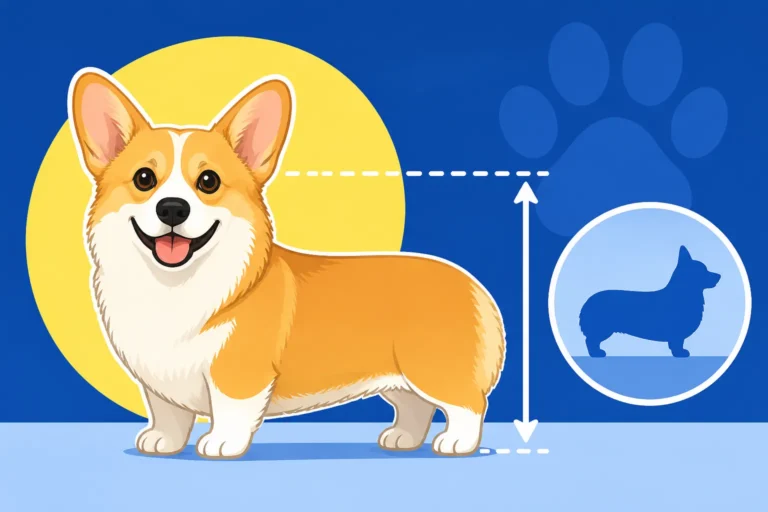
There’s something undeniably captivating about a Pembroke Welsh Corgi’s face. That alert, intelligent gaze, those perky ears, and that distinctive shape often get described as "foxy." But what does that really mean, and what exactly makes a Pembroke’s head earn that charming description? This guide is here to unravel the characteristics that create that beloved foxy look, helping you appreciate the subtle nuances of your Corgi’s charming expression and why it matters so much to the breed standard.
What "Foxy" Even Means in a Corgi Context
When people talk about a Corgi having a "foxy head," they’re not just making a cute comparison. It’s a descriptive term rooted deeply in the breed's history and its physical standards, reflecting specific characteristics that evoke the appearance and spirit of a wild fox. It's a hallmark of the Pembroke Welsh Corgi that sets it apart and is celebrated by enthusiasts and judges alike.
The Overall Impression of a Fox
Think about a fox – sleek, intelligent, and always seeming a bit mischievous. Their heads are usually proportionate to their bodies, featuring a relatively broad skull that tapers gracefully into a refined muzzle. Their eyes are bright and alert, often almond-shaped, and their ears are typically upright, mobile, and quite expressive, swiveling to catch every sound. A fox’s face suggests keen observation, quick wit, and a certain playful cunning.
Now, picture a Pembroke Welsh Corgi. You can immediately see the parallels. The "foxy" description captures this combination of characteristics: an alert, intelligent expression, a well-proportioned head with a tapering muzzle, and those wonderful, upright ears. It’s an overall aesthetic that speaks to the dog’s heritage as a quick-thinking herder, always ready to react. It’s this balanced blend of features that gives them their distinctive look, often making people smile and say, "Oh, look, a little fox dog!"
Beyond Just Red Fur
It’s a common misconception that "foxy" refers solely to the Corgi's coat color. While many Pembrokes sport beautiful shades of red, sable, or fawn—colors that certainly do bring to mind the reddish hues of a fox—the "foxy head" description is actually about the structure and expression of the head itself, not just its coloration. You can have a black-headed tricolor Pembroke with a perfectly "foxy" head, just as you can have a red Pembroke whose head might not quite fit the bill.
The essence of the foxy head lies in the lines, the proportions, and the overall impression it gives. It’s about the elegance of the taper from skull to muzzle, the keenness of the eyes, and the alertness conveyed by the ear set. A Corgi with a lovely red coat is certainly charming, but the true "foxy" quality resides deeper than just the fur pigment. It’s an integral part of their breed identity, independent of their particular shade of red, Red, Sable, Fawn and Black-and-Tan Corgis
Historical Context of the Term
The term "foxy head" didn’t just appear out of nowhere; it’s deeply intertwined with the Pembroke Welsh Corgi's working origins. These dogs were bred for centuries in Wales to herd cattle, ducks, and geese. To do this effectively, they needed to be intelligent, agile, and incredibly alert. Their low stature allowed them to nip at the heels of stubborn livestock without getting kicked, and their keen senses were paramount to their success.
A head that resembles a fox suggests a creature that is sharp, watchful, and clever—all traits essential for a successful herding dog. The specific head shape, eye placement, and mobile ears would have allowed them a wide field of vision, excellent hearing, and the ability to process their environment quickly. So, when early breeders and enthusiasts started describing the ideal Pembroke head as "foxy," they were not just commenting on its cuteness. They were referencing a suite of functional characteristics that made the Corgi such an effective and valuable working partner on the Welsh farms. It's a nod to their heritage and the qualities that define them as a breed. What Corgi Means in Welsh
Deconstructing the Pembroke's Foxy Head
Let's get down to the nitty-gritty of what specifically makes a Pembroke's head "foxy." It's a combination of several features, each contributing to that iconic look. Understanding these elements can help you better appreciate the distinct characteristics of the breed and what makes your own Corgi’s face so special.
The Head Shape and Cranium
The skull of a Pembroke Welsh Corgi should be fairly broad and flat between the ears, tapering gently toward the eyes. It's not a domed head, nor should it be too narrow. Imagine looking down on your Corgi's head from above—you should see a smooth, even transition, creating an almost wedge-like shape from the broad back of the skull to the more refined muzzle.
This specific cranium shape is crucial because it provides the foundation for the entire foxy appearance. A well-proportioned skull contributes to the overall balance of the head, ensuring it doesn't look too heavy or too light for the rest of their stout, muscular body. A beautifully shaped skull makes the eyes appear correctly set and gives the ears a proper base to stand upright. When you gently run your hand over your Corgi’s head, you should feel that smooth, flat plane leading into the slight curve above the eyes. This is a foundational element that establishes the "foxy" silhouette.
The Muzzle: Taper, Length, and Stop
The muzzle is arguably one of the most defining features of the "foxy" look. It should be of moderate length, neither too long and pointed (which would be described as "snipey") nor too short and blunt (which might make them look more like a teddy bear than a fox). The muzzle should taper slightly from the base to the nose, giving it that refined, wedge-like appearance.
The "stop" is the area where the forehead transitions down to the muzzle. In a Pembroke, this stop should be well-defined but not abrupt or extreme. Think of it as a gentle, graceful curve rather than a sharp indentation. This defined but not exaggerated stop, combined with the tapering muzzle, creates the elegant lines that truly evoke the fox. If the muzzle is too short, the face loses its foxy elegance; if it’s too long, it can look unbalanced. It’s all about moderation and harmonious proportions. You can find detailed descriptions of these elements in the official breed standard, like The AKC Pembroke Welsh Corgi Standard, which outlines exactly what breeders strive for.
Eye Shape, Color, and Expression
The eyes are often called the windows to the soul, and in a Corgi, they’re certainly key to that intelligent, foxy expression. Pembroke eyes should be oval in shape, not round or bulging. They should be set well apart, contributing to the breed’s characteristic broad-headed look, and should be dark in color—dark brown is preferred, often harmonizing with the coat, but the darker the better for that keen, alert look.
The expression they convey is perhaps the most critical part of the "foxy" face. A Pembroke’s eyes should communicate intelligence, alertness, and a friendly, engaging disposition. They shouldn't appear fearful, suspicious, or dull. When your Corgi looks at you, you should see a sparkle, a keen awareness that hints at their quick mind and their readiness for action. This bright, expressive gaze, combined with the oval shape and dark color, completes the foxy picture, adding depth and personality to their already charming face. Any signs of cloudy eyes or vision issues should always be checked by your vet, especially as some Corgis can be prone to conditions like Corgi Eye Disease and PRA.
Ear Placement and Shape
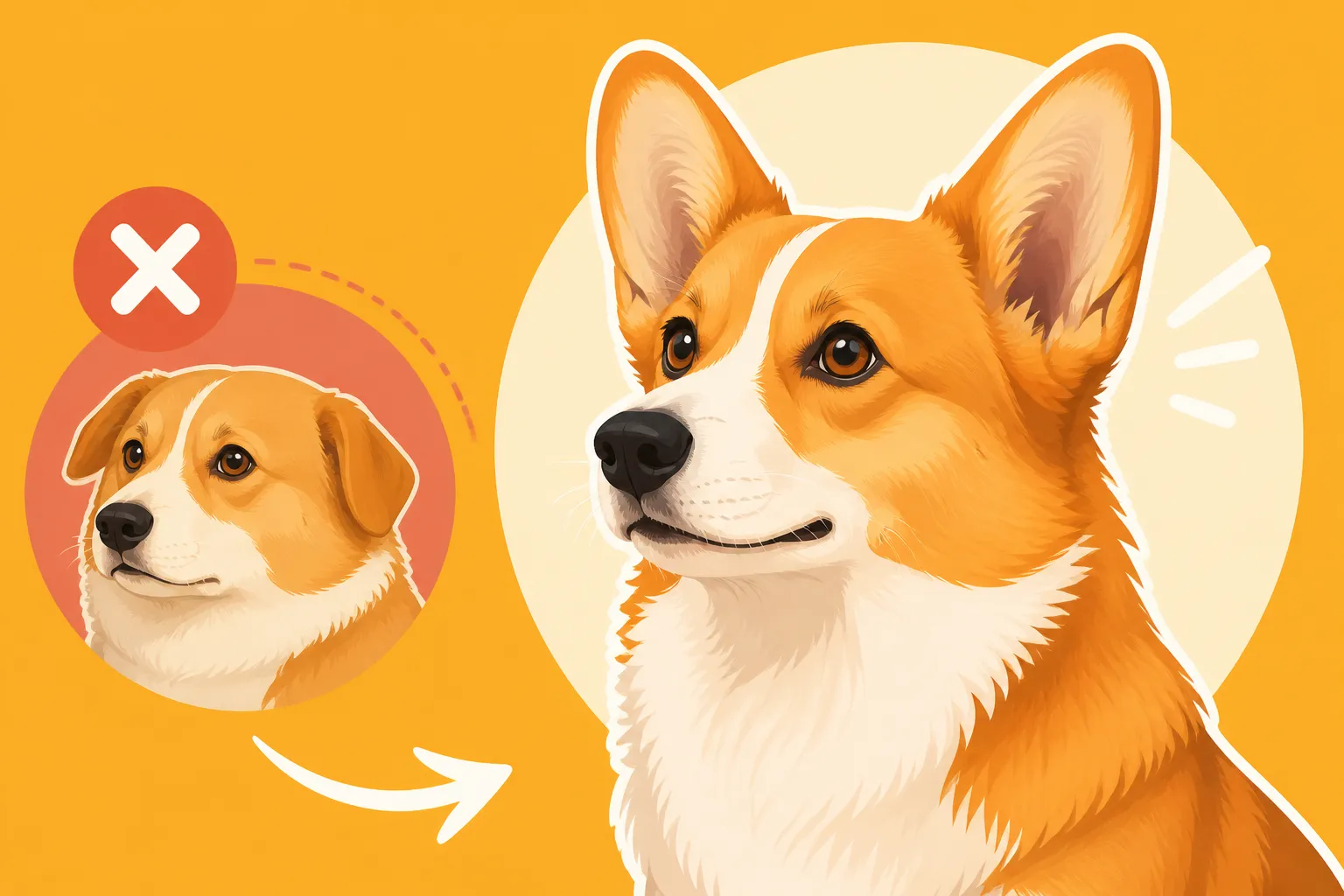
Those iconic, upright ears are another indispensable component of the Pembroke’s foxy head. They should be firm, medium in size, and have slightly rounded tips. When you look at your Corgi, their ears should be set wide enough apart to allow for that broad skull we discussed earlier, but not so wide that they splay out to the sides. They should be positioned in a way that allows them to swivel and react to sounds, contributing to the dog's alert and attentive demeanor.
The way the ears are set and carried is what truly gives them that fox-like quality. Imagine a fox listening intently in the woods—its ears are typically perked, mobile, and almost funnel-like. A Corgi's ears function similarly. They're not overly large or floppy, nor are they tiny and pricked like some terrier breeds. Instead, they’re perfectly balanced to complement the head, framing the face and adding to the overall intelligent and watchful expression. For a deeper dive into these features, you might check out The Corgi Head and Ear Set, which goes into more detail about how these ears contribute to the breed’s unique look.
The Difference Between a Foxy Pembroke and Other Looks
It's easy to assume all Corgis look alike, but even within the Corgi world, there are distinct differences, especially when it comes to the head. Understanding these variations helps highlight what makes the Pembroke's "foxy" appearance so specific and cherished.
Pembroke vs. Cardigan Head Differences
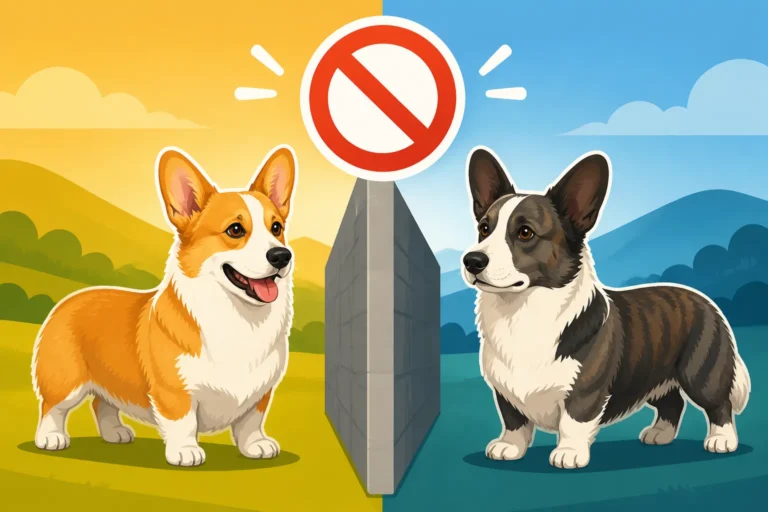
One of the most common comparisons is between the Pembroke Welsh Corgi and its cousin, the Cardigan Welsh Corgi. While both are low-slung, long-backed dogs, their heads offer distinct differences that impact their overall "foxy" impression. Cardigans generally tend to have a larger, often heavier head in proportion to their body. Their ears are typically larger and more rounded at the tips, sometimes giving them a softer, almost bear-like expression rather than a sharp, foxy one.
The Cardigan's muzzle can also be a bit heavier, and their stop might be less defined than a Pembroke's. These subtle differences result in an overall expression that, while undeniably charming, is often described as more serious, stately, or "wolf-like" rather than "foxy." Think about it: a fox is nimble and quick, while a wolf is powerful and robust. Both are canine, but their facial structures convey different characteristics. These distinctions are part of what defines each breed and why they were eventually separated into two distinct entities. If you’re ever trying to Telling a Pembroke From a Cardigan on Sight, the head and ears are often the first clues!
| Feature | Pembroke Welsh Corgi | Cardigan Welsh Corgi |
|---|---|---|
| Head Shape | Fairly broad, flat between ears, tapering to muzzle | Larger, heavier, often less refined taper |
| Muzzle | Moderate length, tapering gently, not snipey or blunt | Can be slightly heavier, less pronounced taper |
| Stop | Well-defined but not abrupt | Can be less defined, more gradual |
| Eye Shape | Oval, dark, alert expression | Can be slightly rounder, thoughtful expression |
| Ear Shape | Medium, firm, upright, slightly rounded tips | Larger, more rounded tips, wider set |
| Overall Impression | "Foxy," intelligent, alert, lively | "Wolf-like," serious, thoughtful, sturdy |
Recognizing "Unfoxy" Traits
Not every Corgi will have a perfectly "foxy" head, and some variations are considered deviations from the breed standard. Recognizing these "unfoxy" traits helps you understand what the standard aims for. For example, a muzzle that is too short can make the face appear pushed-in or blunt, losing that elegant taper. Conversely, a muzzle that is too long and thin (snipey) can give the dog a weak or unbalanced appearance. A weak or overly abrupt stop can also detract from the desired facial structure.
Eye characteristics are also important. Round or bulging eyes can give a surprised or anxious expression, while very light-colored eyes (except in rare cases of blue merle Cardigans, but never Pembrokes) can soften the keenness of the gaze. Ears that are too large, too small, too low-set, or that don't stand firmly upright immediately break the "foxy" silhouette. Floppy or rose ears are definite faults. While these traits don't make a Corgi any less lovable as a pet, they are generally considered "faults" in the show ring, as they stray from the breed's historical and aesthetic ideal. It really speaks to What Puts a Corgi Out of Competition in terms of conformation.
Why the "Foxy" Look Matters
The emphasis on the "foxy head" isn't just about superficial aesthetics. It’s deeply rooted in the Pembroke Welsh Corgi’s functional history and the breed standard, which was developed to preserve the traits necessary for their original purpose. A balanced head with keen eyes and alert ears wasn't just pretty; it was crucial for a herding dog that needed to be constantly aware of its surroundings, capable of quick decisions, and able to convey intelligence and confidence.
The structure of the head supports the overall health and functionality of the dog. For instance, correctly set, upright ears allow for good hearing and ventilation, reducing the risk of ear infections. Well-placed, oval eyes are less prone to injury than bulging eyes. The moderate muzzle and well-defined stop ensure proper breathing and dental alignment, though Corgi dental health still needs regular care. Corgi Dental Disease Ultimately, the "foxy" look is a package of traits that define the Pembroke Welsh Corgi both in appearance and in spirit, reflecting their heritage as intelligent, alert, and capable working dogs. It's about preserving the essence of the breed.
Caring for a Corgi's Foxy Features
Maintaining that charming, foxy face isn't just about admiring it; it also involves some practical care to keep your Corgi healthy and looking their best. Just like any part of their unique physique, the head requires attention.
Ear Care and Cleaning
Even though Corgi ears are upright and typically well-ventilated, they aren't immune to issues. Dust, debris, and sometimes even excess wax can accumulate, especially in the folds and crevices. It's a good habit to check your Corgi's ears regularly, perhaps once a week, for any signs of redness, discharge, or an unusual odor. These can be indicators of an infection, which can be quite uncomfortable for your pup.
Cleaning is usually simple. If you notice a bit of dirt or wax, you can use a veterinarian-approved ear cleaner. Apply a small amount to a cotton ball or gauze, and gently wipe the visible parts of the ear. Never insert anything deep into the ear canal, as this can cause damage. Many quality ear cleaning solutions are available at pet supply stores like Chewy, offering gentle formulations. If you ever see signs of excessive redness, swelling, or if your Corgi is shaking their head or scratching their ears frequently, it’s always best to consult your vet. Keeping those foxy ears clean and healthy ensures they stay perky and alert, just as they should be. For more on keeping those ears pristine, check out Whether a Corgi's Upright Ears Stay Clean.
Eye Health and Vigilance
A Corgi's keen, intelligent eyes are central to their foxy expression, and keeping them healthy is paramount. Regularly examine your Corgi's eyes for any signs of trouble. Look for clear, bright eyes without excessive tearing, redness, or discharge. A little sleep crust in the morning is normal and can be gently wiped away with a soft, damp cloth.
However, if you notice persistent discharge, cloudiness, sensitivity to light, or if your Corgi is pawing at their eyes, it's time to visit the vet. Corgis, like many breeds, can be prone to certain eye conditions. Prompt attention can prevent minor issues from becoming major problems. Good eye health contributes to their overall quality of life and ensures that their "foxy" gaze remains as bright and engaging as ever. You want those eyes to sparkle with intelligence and friendliness, not discomfort.
Grooming the Head and Muzzle
While Corgis are known for their dense double coats rather than elaborate head grooming, a little attention to their facial fur goes a long way in maintaining that crisp, foxy appearance. Their fur around the head and muzzle is typically shorter and smoother than the body coat, but it can still benefit from a gentle brush or comb, especially during shedding seasons.
Brushing helps remove loose hairs and keeps the fur lying flat and tidy, emphasizing the clean lines of their skull and muzzle. You might also want to gently wipe around their muzzle after meals, particularly if they’ve been enjoying a wet food or a particularly messy treat. This prevents food residue from accumulating and keeps their face looking fresh and clean. A simple soft brush or a grooming mitt from Chewy can be perfect for this light facial grooming. This routine helps to highlight the beautiful contours of their head and ensure their "foxy" profile is always shining through.
Disclaimer
This article is for general informational purposes only and does not constitute professional advice. Laws, prices and regulations vary by location and change over time. Consult a qualified professional for guidance on your specific situation.