Whether One Corgi Breed Is Rarer Than the Other
It’s a common moment for any prospective Corgi owner: you start researching these delightful, low-riders, and quickly realize there isn't just one Corgi. You uncover the Pembroke Welsh Corgi and the Cardigan Welsh Corgi, and then a natural question pops up – is one harder to find than the other? This guide will dive deep into the fascinating world of Corgi breeds, exploring their distinct characteristics and shedding light on which one generally sits higher on the rarity scale, helping you understand what to expect as you embark on your Corgi journey.
Understanding the Two Corgi Breeds
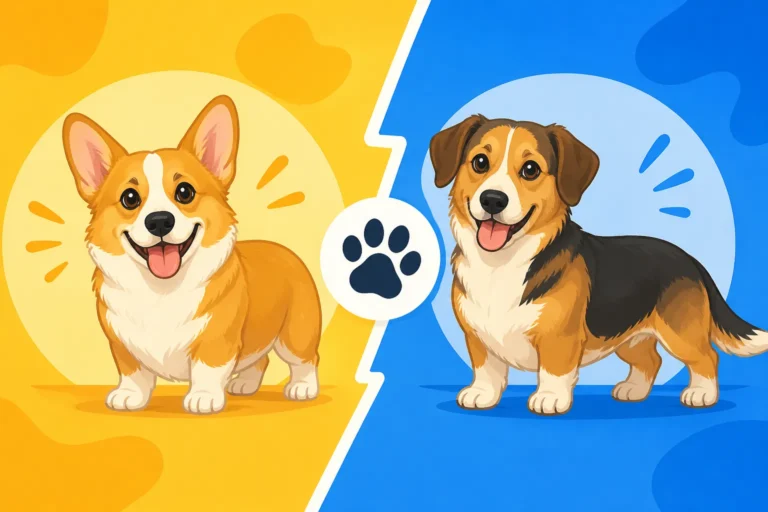
Before we even touch on rarity, it’s crucial to understand that while both Pembrokes and Cardigans share the Corgi name and some general traits like their distinctive short legs and long bodies, they are, in fact, two entirely separate breeds. They have different origins, different breed standards, and even slight differences in temperament and appearance. Thinking of them as simply "two types of Corgi" is a bit like thinking a Golden Retriever and a Labrador Retriever are the same dog – similar, yes, but distinct at their core.
Pembroke Welsh Corgi: The Popular Face
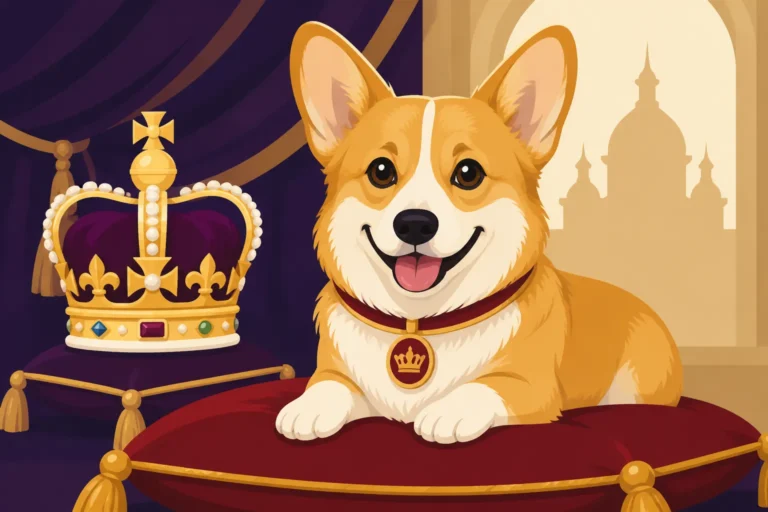
The Pembroke Welsh Corgi is likely the image that springs to mind for most people when they hear "Corgi." Famous for their association with British royalty, these outgoing, foxy-faced dogs have charmed their way into countless homes and hearts. They are known for their cheerful demeanor, intelligent eyes, and an undeniable bounce in their step. Their distinct appearance, often featuring a naturally bobbed or docked tail (where still permitted), contributes to their iconic silhouette. The Corgi in the Royal Household is a testament to their enduring appeal.
Pembrokes typically have a slightly finer bone structure than their Cardigan cousins. Their coats come in a range of colors including red, sable, fawn, and black and tan, usually with white markings. They are generally seen as more outgoing and perhaps a touch more boisterous. Because of their widespread popularity, particularly in recent decades, finding a Pembroke puppy or even an adult through a reputable breeder or rescue organization is often a more straightforward process. They are frequently ranked among the most popular dog breeds, which naturally influences their availability.
Their popularity often means there are more breeders dedicated to Pembrokes, and consequently, a greater number of litters available. This doesn't mean you won't still face waiting lists with ethical breeders, as responsible breeding takes time and effort, but the sheer volume of choices is typically higher. Many people are drawn to their playful nature and manageable size, making them a perennial favorite among dog enthusiasts globally.
Cardigan Welsh Corgi: The Ancient, Distinct Cousin
The Cardigan Welsh Corgi is the older, and generally larger, of the two breeds, boasting a history that stretches back potentially over a thousand years. Often described as having a slightly more "wolf-like" or "fox-like" appearance, Cardigans are distinguished by their long, bushy tails, which are never docked. Their ears are typically larger and more rounded than a Pembroke's, and they often carry a more serious, watchful expression, though they are equally affectionate and loyal. The Cardigan's Twelve Hundred BC Origins truly speaks to their ancient lineage.
Cardigans come in a wider array of colors than Pembrokes, including the striking blue merle, brindle, black and white, and red, often with white markings. They tend to be a bit heavier-boned and more substantial in body than Pembrokes, giving them a more rugged look. While still intelligent and adaptable, many Cardigan owners describe them as having a slightly calmer, more thoughtful temperament compared to the often effervescent Pembroke. This isn't to say they don't have their playful moments, but there's a certain gravitas to them.
Because of their longer history of development and slightly less widespread recognition over the centuries, Cardigans have consistently maintained a smaller population. They are less common to see in dog parks or pet stores, and their breeders are fewer and often have longer waiting lists. This makes the Cardigan Welsh Corgi the rarer of the two breeds, a fact that can present a unique set of challenges and rewards for those committed to welcoming one into their family.
The Numbers Game: Popularity and Registration
When we talk about which Corgi breed is rarer, we're largely looking at popularity as reflected by breed registration numbers. These numbers, compiled by kennel clubs around the world, offer a strong indicator of how many purebred puppies of each breed are being registered annually. While they aren't a perfect measure of all Corgis out there, they provide a very clear picture of breeder activity and public demand.
Comparing Registration Statistics
Historically, and continuing into the present, the Pembroke Welsh Corgi consistently outranks the Cardigan Welsh Corgi in terms of annual registrations across major kennel clubs. This isn't just a slight difference; often, Pembrokes are registered in numbers several times higher than Cardigans. This widespread adoption has made the Pembroke a household name, easily recognizable even by those not intimately familiar with dog breeds. Whether One Corgi Breed Is Rarer Than the Other is a question that these statistics consistently answer.
For instance, you might see Pembrokes frequently placing in the top 20 or 30 most popular breeds in certain regions, while Cardigans typically hover outside the top 100, sometimes even closer to the 150-200 mark. These figures illustrate a clear disparity in their respective populations. This means that if you walk into a dog park, you're far more likely to encounter a Pembroke than a Cardigan. The sheer volume of Pembrokes contributes to their higher visibility and, by extension, their perceived ubiquity.
This difference in numbers also impacts the availability of puppies. If a breeder of Pembrokes has a litter, there might be dozens, if not hundreds, of interested families on a waiting list. For a Cardigan breeder, the list might be shorter, but the litters themselves are often fewer and farther between. This dynamic shapes the entire experience of acquiring either type of Corgi, from initial research to finally bringing a puppy home.
Factors Influencing Rarity
Several factors contribute to why one Corgi breed is rarer than the other. One significant aspect is historical breeding practices and regional preferences. While both breeds originated in Wales, the Pembroke gained wider recognition and appeal earlier, especially after its endorsement by the British Royal Family. This royal connection undeniably propelled the Pembroke into the global spotlight, cementing its place in popular culture. How Corgi Popularity Changed After The Crown is a great example of this phenomenon.
Another factor is simply public exposure and media representation. Pembrokes are frequently featured in movies, television shows, and advertisements, making them more recognizable and desirable to the general public. This sustained visibility creates a higher demand. Cardigans, while equally charming, haven't enjoyed the same level of mainstream media presence, leading to less widespread awareness and consequently, lower demand. When you're browsing for dog supplies, even on a popular site like Chewy, you'll often see more merchandise featuring the Pembroke likeness.
Breeder numbers also play a crucial role. More demand for Pembrokes naturally means more people are drawn to breed them. Conversely, the smaller market for Cardigans means fewer dedicated breeders, often leading to longer waits and more specialized searches for prospective owners. This isn't a bad thing; in fact, many argue that the dedicated Cardigan community ensures that breeding is often done with a strong focus on health, temperament, and preserving the true breed standard.
Finding Your Corgi: What Rarity Means for Owners
The rarity of a Cardigan Welsh Corgi versus the widespread availability of a Pembroke Welsh Corgi has very real implications for anyone looking to add one of these wonderful dogs to their life. It affects everything from the time you might wait to the resources you use for your search. Knowing this upfront can help manage expectations and guide you toward a responsible adoption process.
The Search for a Cardigan
If your heart is set on a Cardigan Welsh Corgi, be prepared for a journey that might require patience and a bit more legwork. Because they are the rarer breed, there are simply fewer breeders, and those who do breed Cardigans are often deeply committed to the breed's preservation and careful genetic selection. This usually means longer waiting lists, potentially extending over a year or more. You'll likely need to cast a wider net geographically, possibly traveling further to meet breeders and pick up your puppy.
When you do find a Cardigan breeder, expect them to be highly selective about prospective owners. They'll want to ensure their puppies are going to the absolute best homes, understanding that a less common breed might attract impulse buyers. Don't be surprised by thorough interviews, extensive questionnaires, and even requests for references. This rigorous process is actually a good sign of a reputable breeder who prioritizes the welfare of their dogs. When preparing for a Cardigan, consider setting up a cozy space for them, perhaps finding an orthopedic bed on Chewy to support their long back.
Connecting with the Cardigan community, such as through national or regional breed clubs, is invaluable. These clubs can provide lists of reputable breeders, upcoming litters, and offer a wealth of information about the breed's specific needs and characteristics. They can also provide insights into Whether a Cardigan Is Harder to Find in your specific area. Embracing the wait and the diligent search is part of the unique experience of bringing a Cardigan into your home, and the reward is a truly special companion.
The Pembroke's Wide Availability
For those leaning towards a Pembroke Welsh Corgi, the search process is generally less arduous, purely due to their higher population numbers. You'll find a greater number of breeders, and while reputable ones will still have waiting lists, they might not be as long, or you might find more immediate availability. This can be appealing for families eager to welcome a Corgi into their home without an extended wait.
However, this popularity also comes with a caveat: the increased availability of Pembrokes can unfortunately attract less scrupulous breeders or puppy mills looking to capitalize on demand. It's vital to apply the same rigorous standards when researching Pembroke breeders as you would for a rarer breed. Always insist on seeing the parents, touring the breeding environment, and asking for health clearances. The DNA Tests a Corgi Breeder Should Run are non-negotiable, regardless of breed popularity.
Despite their wider availability, Pembrokes still require an owner who understands their specific needs, including their herding instincts and potential health concerns associated with their long backs. Just because they are common doesn't mean they are a "beginner dog" in every sense. Preparing for a Pembroke involves setting up your home safely, ensuring they have appropriate toys, and having essentials like food and grooming tools readily available, which can be easily ordered from a wide selection on Chewy.
Ethical Breeding and Responsible Ownership
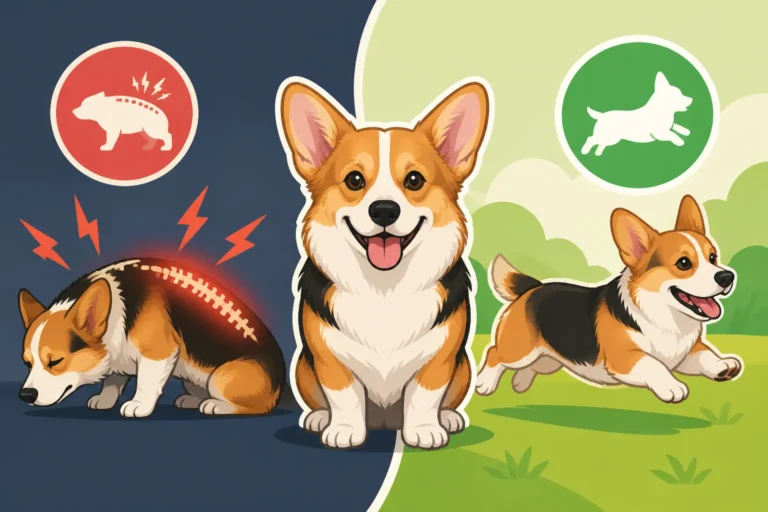
Regardless of whether you choose the popular Pembroke or the rarer Cardigan, the principles of responsible ownership remain the same. Both breeds benefit from early socialization, consistent training, and proper veterinary care. Understanding their specific health predispositions, such as potential back issues, is crucial for both breeds. Disc Disease in a Long-Backed Corgi is a concern for both, so choosing a breeder who prioritizes health testing is paramount.
When looking for any Corgi, always prioritize a breeder who:
- Health tests: They should be transparent about genetic testing for conditions common to Corgis (like DM for Pembrokes, eye issues, hips).
- Screens parents: They should perform health screenings on the parent dogs to minimize genetic health issues. The DNA Tests a Corgi Breeder Should Run is an excellent resource.
- Provides a safe environment: Puppies should be raised in a clean, stimulating home environment, not in kennels.
- Offers support: A good breeder will be a resource for the lifetime of your dog.
- Has a contract: This should outline health guarantees and rehoming policies if needed.
| Feature | Pembroke Welsh Corgi | Cardigan Welsh Corgi |
|---|---|---|
| Rarity | Less rare, generally more popular and widely available | Rarer, fewer breeders, often longer waiting lists |
| Tail | Naturally bobbed or docked (where legal) | Long, bushy, fox-like tail |
| Head Shape | More foxy, pointed ears | Slightly larger, more rounded ears, often a broader head |
| Build | Slightly lighter bone, generally smaller | Heavier bone, usually larger and more substantial |
| Coat Colors | Red, sable, fawn, black and tan (with white) | Blue merle, brindle, black and white, red (with white) |
| Temperament | Often described as outgoing, playful, effervescent | Often described as slightly calmer, thoughtful, devoted |
| Historical Role | Drover's dog | Drover's dog, thought to be older of the two |
| AKC Popularity | Consistently high (e.g., often top 20-30 breeds) | Lower (e.g., often outside top 100-150 breeds) |
Ultimately, while the Cardigan Welsh Corgi is undeniably the rarer of the two Corgi breeds, both offer immense joy and companionship. The decision isn't about which is "better," but which one best fits your lifestyle and what you're willing to commit to in your search. Whether you opt for the widely adored Pembroke or the distinguished, ancient Cardigan, you're choosing a dog with a big personality packed into a small, sturdy frame. Each brings its own unique charm and set of considerations, and a responsible approach to acquiring either will ensure a happy, healthy future together.
Disclaimer
This article is for general informational purposes only and does not constitute professional advice. Laws, prices and regulations vary by location and change over time. Consult a qualified professional for guidance on your specific situation.