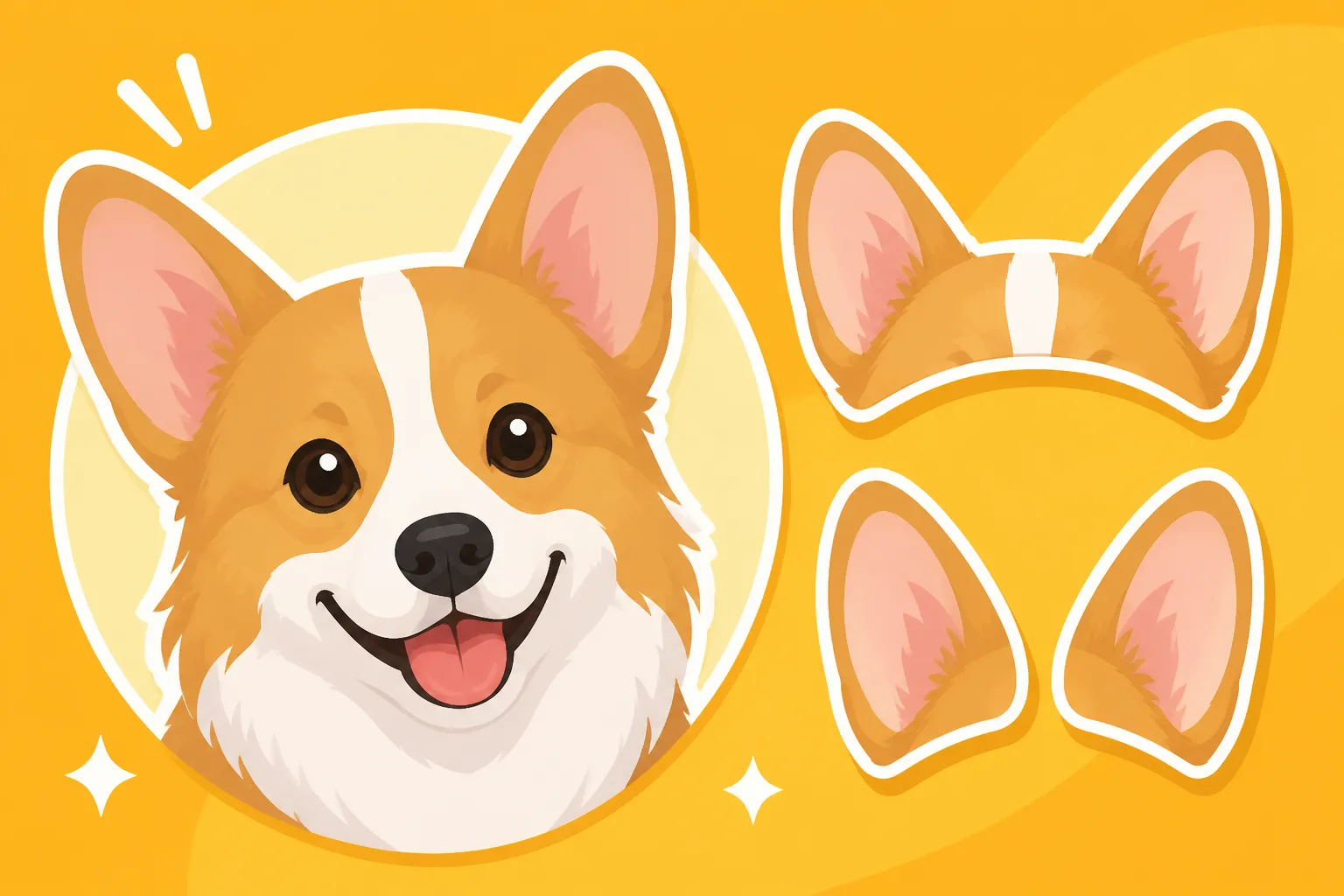
The Corgi Head and Ear Set
When you first meet a Corgi, their intelligent, foxy little face and those perfectly perked ears are often the first things that capture your heart. But beyond the undeniable cuteness, there's a world of fascinating detail in their head and ear set that speaks volumes about their heritage as a working dog and their breed standard. Many new owners find themselves wondering what makes a Corgi's head truly "typey" or how to spot the subtle differences between the Pembroke and Cardigan varieties. This guide is here to unravel all those delightful details, helping you appreciate the nuances of your Corgi's unique noggin.
The Distinctive Corgi Head: More Than Just "Foxy"
The Corgi head is often described as resembling that of a fox, a nod to their intelligent and alert expression. However, this description only scratches the surface of what makes their cranial structure so special. When you delve deeper, you discover a carefully balanced set of features that contribute to their unique charm and functionality. It’s not just about looking cute; it's about a head that was perfectly designed for the job of a low-to-the-ground cattle herder.
Pembroke Versus Cardigan Head Shape
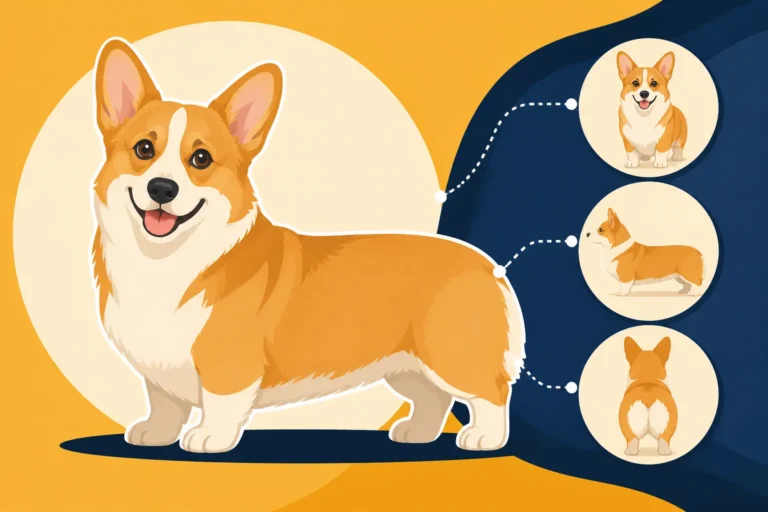
While both Corgi breeds share that characteristic "foxy" look, there are subtle yet important distinctions in their head shapes. A keen eye can tell them apart even without seeing the rest of their body. The Pembroke Welsh Corgi tends to have a slightly more refined, wedge-shaped head, often described as having a cleaner cut. Their skull should be fairly wide and flat between the ears, tapering towards the muzzle. The stop—the indentation between the eyes where the muzzle meets the forehead—is moderate, not too steep or too shallow. The Foxy Head a Pembroke Should Have is a good way to describe it.
On the other hand, the Cardigan Welsh Corgi typically presents a somewhat broader, slightly heavier-boned head, giving them a more robust appearance. Their skull is also wide and flat, but the overall impression might be a touch more substantial. The Cardigan's head can sometimes feel a bit more "hound-like" or ancient in its structure, reflecting its longer historical lineage. These differences, while subtle, contribute significantly to the overall impression of each breed. It's truly fascinating how a few millimeters here and there can change the whole picture!
Expression and Characteristic Demeanor
Regardless of breed, a Corgi's head, particularly its eyes and ear set, creates an expression of intelligence, alertness, and often, a touch of mischief. Their dark, oval-shaped eyes, set fairly wide apart, contribute to this keen and intelligent gaze. These are dogs that are constantly observing, processing, and often, plotting their next move. You can almost see the gears turning behind those expressive eyes!
The overall balance of the head, combined with the upright ears, conveys a sense of readiness and attentiveness. This isn't a sleepy, docile expression; it's one of an active, thinking dog. Whether they’re patiently waiting for a treat, carefully watching a squirrel out the window, or giving you that classic "Corgi stare" to demand attention, their facial features are constantly communicating. It’s part of what makes them such captivating companions, always seeming to have something to say with just a glance.
The Perky Corgi Ear Set
Those upright, expressive ears are arguably one of the most iconic features of the Corgi. They stand tall and proud, framing the face and adding immensely to that quintessential Corgi look. Their shape and placement are crucial to the breed standard, and they also play a vital role in how the Corgi interacts with its world.
Ideal Ear Placement and Size
For both Pembroke and Cardigan Welsh Corgis, the ears should be of medium size, in proportion to the head, and stand erect. They should have slightly rounded tips – never pointed – and be set wide enough apart on the skull so that the tips are slightly wider than the distance between the inner corners of the eyes. This creates a lovely, open frame for the face. The ears should also be set high enough on the head, but not so high that they look pinched or too close together at the base. This balanced placement is what truly defines The Corgi Ear Shape the Standard Calls For.
A correctly set ear allows the Corgi to articulate its emotions and react to sounds with remarkable agility. You'll notice their ears swiveling independently, each one tuning into different noises, showcasing their ancestral herding instincts. This keen sense of hearing was essential for working dogs needing to pick up subtle cues from their handlers and the livestock they managed.
Common Ear Faults
While those perky ears are the ideal, Corgis can sometimes present with ear sets that deviate from the breed standard. One common fault is ears that are set too low on the head, which can give the dog a heavier, less alert appearance. Imagine ears that start closer to the side of the head rather than the top—it changes the whole geometry. Another fault is ears that are overly large or disproportionately small, throwing off the balance of the head. Overly large ears can sometimes be prone to flopping or not standing fully erect, especially when the dog is relaxed.
"Hooded" ears are also considered a fault; this is when the ears are set too close together at the base, making them appear to "hood" over the top of the skull. Conversely, ears set too wide can make the head look spread. Occasionally, you might see "rose ears" or ears with slightly tipped or folded-over tips, which are considered incorrect for the breed. These minor variations, while not necessarily affecting the dog's health or happiness, are details that breeders work to avoid and judges look for in the show ring as they deviate from The AKC Pembroke Welsh Corgi Standard.
The Corgi Muzzle, Teeth, and Bite
The Corgi's muzzle is more than just a place for a wet nose; it's a vital part of their working heritage and overall health. It needs to be strong and functional, reflecting their ability to work cattle, even if most Corgis today only herd dust bunnies. The teeth and bite are equally important, both for their historical role and for their long-term well-being.
Muzzle Length and Strength
A Corgi's muzzle should taper moderately to the nose, but never be "snipey" or too pointed. It needs to possess good substance, indicating a strong jaw and the ability to hold a grip, even if that grip is now limited to a favorite squeaky toy. The length of the muzzle should be in good proportion to the skull, neither too long nor too short. A muzzle that is too short can lead to breathing difficulties or dental crowding, while one that is too long might compromise the characteristic "foxy" expression.
This strength in the jaw and muzzle harks back to their days as cattle drivers. Although they don't typically "bite" cattle in the aggressive sense, they would nip at the heels to move stubborn animals. A strong, capable muzzle was essential for this task, allowing them to deliver a quick, firm nip without sustaining injury themselves. Even in today's Corgi, you can see the remnants of this robust design.
Scissor Bite and Dental Health
The ideal bite for a Corgi, like many breeds, is a scissor bite. This means that when the mouth is closed, the outside of the lower incisors (front teeth) just touches the inside of the upper incisors. This alignment allows for maximum gripping power and efficient chewing. Any deviation, such as an undershot bite (lower jaw protrudes) or an overshot bite (upper jaw protrudes), is considered a fault. A level bite, where the incisors meet perfectly edge-to-edge, is also considered less than ideal as it can lead to premature wear of the teeth.
Maintaining good dental health is paramount for Corgis. Their mouth structure, combined with genetics, can sometimes make them prone to Corgi Dental Disease, including tartar buildup and gum disease. Regular brushing, dental chews, and professional cleanings are essential. Products like dental toys or specific dental care foods from a trusted retailer like Chewy can be incredibly helpful in preventing these issues. Neglecting dental health can lead to pain, infection, and even more serious systemic health problems down the line. It's a key part of their overall care, and a good vet will check their bite and teeth at every annual exam, especially as they get older. Tartar and Tooth Loss in an Older Corgi is a serious concern that can be mitigated with consistent care throughout their life.
Eyes and Overall Facial Symmetry
The eyes are the windows to the soul, and for a Corgi, they are central to their intelligent and engaging expression. Along with the rest of the facial features, they contribute to the harmonious balance that defines a well-proportioned Corgi head.
Eye Shape, Color, and Placement
Corgi eyes should be oval in shape, never round or bulging, and set fairly wide apart on the face. Their color should be dark, typically brown, in harmony with their coat color. A darker eye conveys a softer, more intelligent expression, whereas lighter eyes can sometimes give a harder, less characteristic look. The rims of the eyes should be pigmented, typically black. A keen, alert, and intelligent gaze is highly prized.
The placement of the eyes is also important: they shouldn't be too close together or too far apart, but rather contribute to the overall width and flatness of the skull. This well-spaced placement, along with their oval shape, allows for good peripheral vision, which was beneficial in their herding duties. They needed to see what was happening to the sides and behind them without constantly turning their head.
Harmonious Proportions of the Head
Ultimately, what makes a Corgi's head truly beautiful and characteristic is the harmonious blending of all its features. The skull, muzzle, eyes, and ears must all be in proportion to one another and to the size of the dog. There should be no single feature that dominates or appears out of place. The head should appear sturdy but refined, strong but intelligent.
Imagine drawing a series of lines and angles across a Corgi's head; in a well-proportioned dog, these lines would flow smoothly and balance each other out. This symmetry and balance are what create that undeniably charming "Corgi expression" we all adore. It’s a testament to centuries of thoughtful breeding, aiming for both beauty and function.
Why the Head and Ear Set Matter
You might wonder why such specific details about a Corgi's head and ears are so important. It's not just about aesthetics; these features are deeply tied to the breed's history, health, and identity. For anyone considering owning or showing a Corgi, understanding these elements provides a deeper appreciation for the breed.
Impact on Hearing and Working Ability
As a herding breed, the Corgi's senses, particularly hearing, were crucial for their work. Those upright, well-set ears are perfectly designed to capture sounds from all directions. This allowed them to quickly respond to commands from the drover and to detect the movements of cattle, even subtle ones. A Corgi with ears that were too small, too large, or poorly set might have struggled to perform its duties effectively. Whether a Corgi Was Ever a Drover's Dog highlights their historical role, and these features were key to that success.
The strong muzzle and jaw were also integral. While they don't use their teeth for aggression against livestock, the quick, sharp nip at the heels of cattle required a powerful and resilient mouth. This physical capability is still reflected in the breed standard today, emphasizing that form and function are intrinsically linked in the Corgi.
Conformance to the Breed Standard
For those involved in showing or responsible breeding, adherence to the breed standard for the head and ear set is paramount. The standard, as defined by organizations like the American Kennel Club (AKC), outlines the ideal characteristics for each breed. These descriptions aren't arbitrary; they exist to preserve the unique traits and working abilities that define a Corgi. When a Corgi is evaluated in the show ring, every aspect of its head, from the curve of the skull to the tip of its ears, is scrutinized. Any significant deviation can put a Corgi out of competition, but more importantly, it means they deviate from the ideal type that breeders strive to maintain.
Understanding these standards helps aspiring owners appreciate the careful thought and effort that goes into breeding Corgis. It ensures that the beloved "foxy face" and perky ears continue to be hallmarks of the breed for generations to come. When you are looking for a Corgi puppy, a reputable breeder will be able to discuss these characteristics with you, explaining how their puppies align with the standard. You can also often find detailed grooming tools, including ear cleaning solutions and dental products, at places like Chewy, which helps owners maintain these important features. Whether Corgi Eyes Are Checked Before Breeding and The DNA Tests a Corgi Breeder Should Run are also crucial considerations that often include aspects of overall head health.
Keeping Corgi Ears Clean and Healthy
Beyond aesthetics, keeping your Corgi's ears clean is a vital part of their overall health routine. Those erect ears, while beautiful, can sometimes be susceptible to dirt, debris, or even ear mites. Regular checks and cleaning are important, especially if your Corgi loves to explore low-lying brush or gets into dusty environments. Whether a Corgi's Upright Ears Stay Clean is a common question, and the answer is that they certainly can get dirty!
To clean your Corgi's ears, use a vet-approved ear cleaning solution on a cotton ball, gently wiping the visible parts of the ear. Never insert anything into the ear canal itself, as this can cause damage. If you notice excessive redness, discharge, foul odor, or if your Corgi is shaking their head frequently or scratching their ears, it's time for a vet visit. These could be signs of an infection or Wax in a Corgi's Upright Ears becoming an issue that requires professional attention. Good hygiene, often with supplies readily available from online retailers like Chewy, can help prevent many common ear problems.
| Feature | Pembroke Welsh Corgi Ideal | Cardigan Welsh Corgi Ideal | Common Faults |
|---|---|---|---|
| Head Shape | Refined, foxy, wedge-shaped; moderate stop. | Broader, more robust; wider skull; moderate stop. | Snipey muzzle, too blocky, disproportionate. |
| Ears | Medium size, erect, slightly rounded tips, set high but wide. | Medium size, erect, slightly rounded tips, set high but wide. | Too large/small, low-set, hooded, rose ears, pointed tips. |
| Muzzle | Tapers moderately, good substance, in proportion to skull. | Tapers moderately, good substance, in proportion to skull. | Too short/long, snipey, lacking in jaw strength. |
| Bite | Scissor bite preferred. | Scissor bite preferred. | Undershot, overshot, level bite. |
| Eyes | Oval, dark, well-set, intelligent expression, pigmented rims. | Oval, dark, well-set, intelligent expression, pigmented rims. | Round, bulging, light-colored, unpigmented rims. |
| Expression | Alert, keen, intelligent, sometimes mischievous. | Alert, keen, intelligent, thoughtful. | Dull, worried, aggressive. |
Disclaimer
This article is for general informational purposes only and does not constitute professional advice. Laws, prices and regulations vary by location and change over time. Consult a qualified professional for guidance on your specific situation.