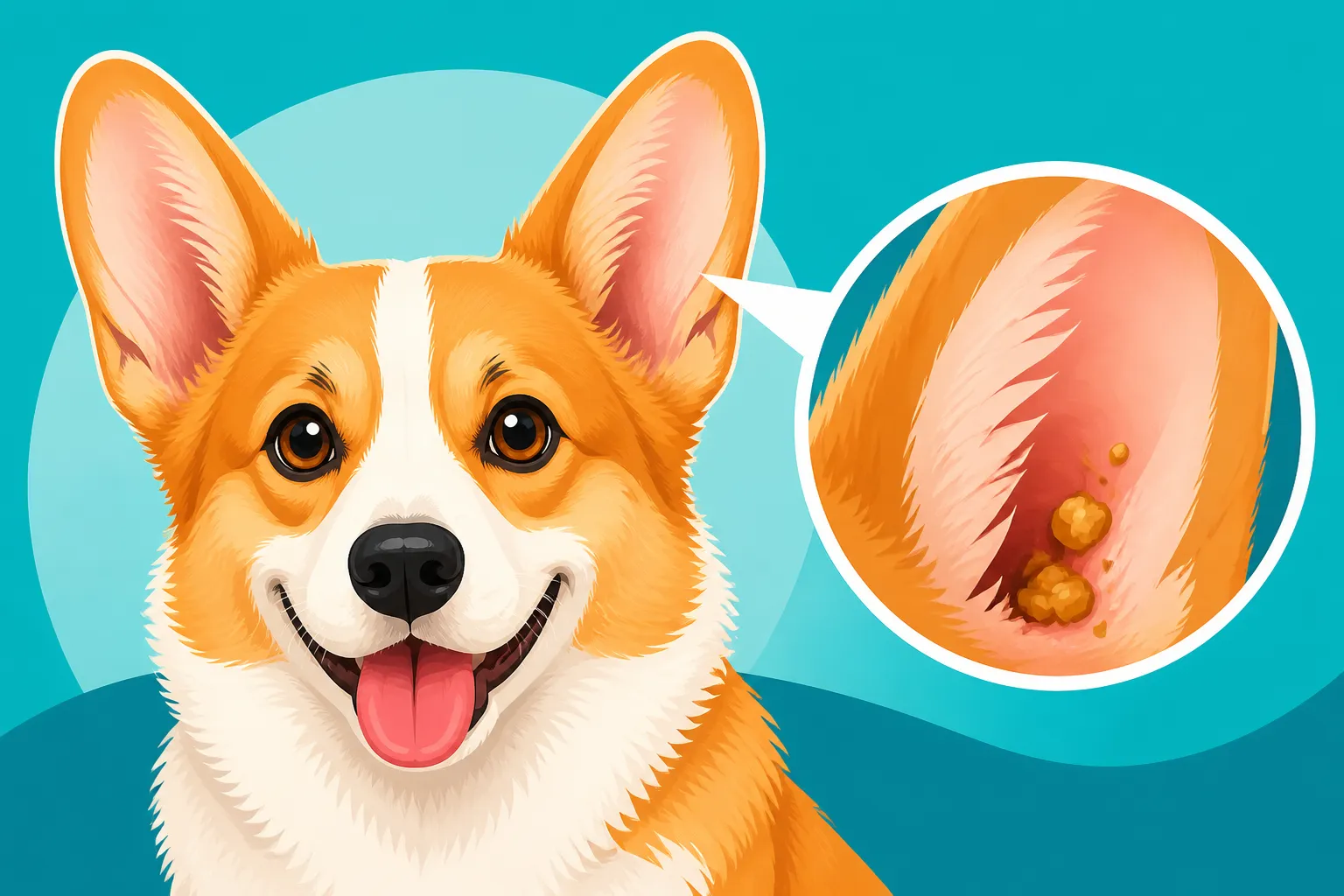
Wax in a Corgi’s Upright Ears
As a Corgi owner, those perky, expressive ears are one of your dog's most endearing features. But they can also be a source of worry, especially when you peer inside and see a buildup of ear wax. It’s natural to feel a bit lost figuring out what’s normal and what signals a problem, or how to even clean them effectively without causing distress. This guide is here to walk you through understanding your Corgi's unique ear anatomy, recognizing signs of trouble, and confidently providing the best ear care to keep those adorable listening devices healthy and clean.
Understanding Corgi Ears: More Than Just Cute Fluff
Corgis are known for their distinctive, upright ears, which are a hallmark of the breed's spirited and attentive nature. Unlike breeds with long, floppy ears that trap moisture and debris, a Corgi's ears often benefit from better air circulation. However, "better air circulation" doesn't mean "maintenance-free." These ears still require your attention to prevent issues from developing. Understanding the basic anatomy and what constitutes a healthy Corgi ear is the first step to proactive care.
The Anatomy of a Corgi's Ear Canal
Even though Corgi ears stand up proudly, the actual ear canal dives down and then takes a sharp turn horizontally towards the eardrum, forming an "L" shape. This bent design, common in many dog breeds, is quite efficient at protecting the inner ear from external threats like dirt and water. However, it also means that any wax, debris, or moisture that gets past the initial upright part of the ear can become trapped in that horizontal section. It's not a straight shot for things to fall out, which can become a problem if left unchecked. You might look into your Corgi's ear and see a relatively clear path, but the deeper canal is where most issues develop unseen.
What Healthy Corgi Ear Wax Looks Like
Believe it or not, some ear wax is completely normal and healthy! It's your Corgi's natural defense mechanism, helping to trap dust, dead skin cells, and foreign particles before they reach the delicate inner ear. Healthy ear wax in a Corgi typically appears as a small amount of pale yellow, light brown, or even a grayish, waxy substance. It should be relatively dry, not gooey or foul-smelling. Think of it like a natural self-cleaning process, where the wax slowly migrates out, carrying debris with it.
A healthy Corgi's ear canal should also look clean and pink, with no redness, swelling, or excessive discharge. The skin inside should be smooth, not bumpy or inflamed. If you gently rub the base of your Corgi's ear, they should enjoy it, not react with pain or discomfort. Getting familiar with what your Corgi's healthy ears look and smell like is crucial, as it creates a baseline for you to spot any changes later on. Regularly checking their ears during your Corgi Dental Disease routine or general grooming can help you stay on top of things.
When to Worry: Spotting the Signs of Ear Trouble
While some wax is normal, there's a clear line where "normal" turns into "trouble." Corgis, with their inquisitive nature and love for exploring low to the ground, can pick up all sorts of things that end up in their ears. More often, though, ear problems stem from underlying issues like allergies or infections. Being vigilant and knowing what red flags to look for can save your Corgi a lot of discomfort and potentially prevent more serious complications down the line.
Common Signs of an Ear Infection or Irritation
The most obvious signs of ear trouble often involve a change in appearance or behavior. You might notice your Corgi shaking their head much more frequently than usual, often with a vigorous, almost frantic motion. Excessive scratching at their ears or rubbing them against furniture or the carpet is another huge indicator. If you're seeing persistent scratching, it’s a good idea to schedule a vet visit, especially if you notice other symptoms.
When you examine the ear itself, look for redness or swelling inside the ear flap and canal. The presence of a strong, yeasty, or foul odor emanating from the ear is a definite warning sign. Normal ears shouldn't smell like much at all. Discharge that is dark brown, black, yellow, or green, especially if it's gooey or pus-like, is a clear sign of an infection. In some cases, you might even see a crusting around the ear opening or along the inner ear flap. Your Corgi might also yelp or pull away when you try to touch their ear, indicating pain.
Distinguishing Between Normal Wax and Problematic Discharge
This can be tricky because some healthy wax can look a little dark, especially against light fur. However, the key differences lie in consistency, quantity, and accompanying symptoms. Normal wax is usually relatively dry and small in amount, not actively oozing, and it won't be accompanied by redness, swelling, or odor. It's just there, doing its job.
Problematic discharge, on the other hand, is often excessive, wet, and might have a chunky or granular texture. It will almost certainly come with that distinctive, unpleasant smell. If you're ever in doubt, it's always best to err on the side of caution and consult your veterinarian. They can properly diagnose whether it's a bacterial infection, a yeast infection, ear mites, or an allergic reaction manifesting in the ears. Early intervention is always better, particularly when it comes to sensitive areas like the ears. This distinction is also important if your Corgi tests positive for The Bleeding Disorder Pembrokes Carry, as some ear issues could exacerbate existing conditions, making vet intervention even more critical.
Here's a quick comparison to help you tell the difference:
| Feature | Healthy Corgi Ear | Problematic Corgi Ear |
|---|---|---|
| Color of Wax/Discharge | Pale yellow, light brown, grayish | Dark brown, black, yellow, green |
| Consistency | Dry, waxy, minimal | Gooey, pus-like, chunky, excessive |
| Odor | None or very faint, natural | Strong, yeasty, foul, unpleasant |
| Appearance of Skin | Clean, pale pink, smooth, no redness/swelling | Red, swollen, inflamed, crusty, discharge around opening |
| Behavior | No scratching, head shaking, or pain when touched | Frequent head shaking, ear scratching, rubbing, painful |
| Reaction to Touch | Enjoys ear rubs | Pulls away, yelps, shows discomfort |
The Art of Corgi Ear Cleaning: A Step-by-Step Guide
Once your vet has given the all-clear, or if you're dealing with normal, minor wax buildup, regular cleaning can be a part of your Corgi's routine care. It's not about scrubbing vigorously, but gently removing excess wax and debris to keep the ear canal clear and healthy. Knowing how to clean properly will help you avoid pushing wax deeper or irritating the delicate skin.
Gathering Your Supplies
Before you even think about touching your Corgi's ears, make sure you have everything you need laid out. This will make the process smoother and less stressful for both of you. You'll need a good quality, vet-approved ear cleaning solution designed specifically for dogs. Avoid using harsh chemicals, alcohol, or hydrogen peroxide, as these can irritate or damage the delicate ear tissues. Many reputable brands offer gentle formulations, easily found on sites like Chewy or Amazon.
You'll also need plenty of cotton balls or gauze pads. Resist the urge to use cotton swabs (Q-tips) to clean deep inside the ear canal. The L-shape of a Corgi's ear canal means a cotton swab can easily push wax and debris further in, potentially causing blockages or even rupturing the eardrum. Stick to cotton balls or gauze for cleaning only the parts of the ear you can visibly see. A towel, and perhaps some treats, will also be helpful additions to your arsenal.
The Gentle Cleaning Process
Find a quiet, comfortable space where your Corgi feels secure. Having an extra set of hands, especially for a wiggly Corgi, can be a huge help. Start by holding the ear flap gently upright, exposing the ear canal.
- Apply Solution: Carefully squirt the ear cleaning solution into the ear canal until it's full but not overflowing. Don't worry, the solution won't harm their eardrum when applied correctly. If you're unsure, ask your vet to demonstrate the first time.
- Massage the Base: Gently massage the base of your Corgi's ear for about 20-30 seconds. You should hear a squishy sound as the solution works its way down and breaks up the wax and debris. Your Corgi might shake their head a bit, and that's okay – it actually helps dislodge the gunk.
- Wipe Away: Let your Corgi shake their head freely. This helps bring loosened debris and excess solution to the surface. Then, using a fresh cotton ball or gauze pad, gently wipe away any visible wax, dirt, and excess solution from the outer ear and the entrance to the ear canal. Remember, only clean as far as your finger can comfortably reach. Never dig deep into the ear canal.
- Reward and Repeat: Praise your Corgi generously and offer a treat! This helps create a positive association with ear cleaning. Repeat the process on the other ear. If their ears are particularly dirty, you might need to use several cotton balls per ear until they come out relatively clean.
When to Seek Professional Help for Cleaning
Sometimes, even with the best intentions, you might encounter situations where DIY cleaning isn't enough, or it's simply too challenging. If your Corgi is in pain, becomes aggressive when you try to clean their ears, or if you suspect a deep-seated infection, it’s absolutely time to call your vet. They have specialized tools and techniques to thoroughly clean ears, sometimes under sedation if the situation warrants it.
Your vet can also properly diagnose the underlying cause of recurring ear problems. This is particularly important if you find yourself cleaning their ears constantly and they're still getting dirty or irritated. Don't feel like you've failed if you need professional help; your Corgi's comfort and health are the priority. For Corgis prone to recurrent ear issues, discussing The Vet Visits a Corgi Puppy Needs First and setting up a regular ear check schedule is a smart move.
Proactive Ear Health: Preventing Future Woes
Prevention is always better than cure, especially when it comes to something as sensitive as your Corgi's ears. By implementing a few proactive measures into your routine, you can significantly reduce the likelihood of ear wax buildup and infections, keeping those adorable ears healthy and clear for the long haul.
Regular Checks and Routine Cleaning Schedule
Consistency is key. Make it a habit to check your Corgi's ears visually at least once a week. Take a good look inside, sniff for any unusual odors, and gently feel around the base for any swelling or tenderness. If you notice any redness, discharge, or smell, that's your cue to investigate further or consult your vet.
For routine cleaning, how often you clean depends on your individual Corgi. Some dogs with naturally less waxy ears might only need cleaning once a month, or even less frequently. Others, particularly those prone to allergies or who love to roll in dirty places, might benefit from cleaning every two weeks. If your Corgi swims regularly, their ears may need more frequent attention to ensure they are dry and free of trapped moisture. A good rule of thumb is to clean them only when you start to see a slight buildup of healthy wax, not so often that you irritate the sensitive skin of the ear canal. Keeping a schedule helps avoid both neglect and over-cleaning.
Addressing Underlying Issues: Allergies and Diet
Many chronic ear problems in Corgis aren't just about external dirt; they're often a symptom of underlying allergies. Food allergies and environmental allergies can manifest as itchy, inflamed ears, leading to excessive wax production and secondary infections. If your Corgi has recurring ear issues despite regular cleaning, talk to your vet about exploring allergy testing or dietary changes.
Sometimes, simply switching to a high-quality, limited-ingredient diet or a hydrolyzed protein diet can make a world of difference for a Corgi suffering from food sensitivities that show up as ear problems or Itchy Skin Under a Corgi's Undercoat. Your vet might also recommend specific anti-allergy medications or treatments. Beyond allergies, ensuring your Corgi maintains a healthy weight can indirectly impact overall inflammation in the body, which can play a role in chronic ear issues. Remember, a holistic approach to your Corgi's health, including appropriate nutrition and allergy management, is crucial for long-term ear health.
Environmental Factors and Lifestyle Adjustments
Your Corgi's environment can also play a role in ear health. For instance, if your Corgi loves to run through tall grasses and dense undergrowth, they might be more prone to getting seeds, foxtails, or other plant matter lodged in their ears. Always check their ears thoroughly after outdoor adventures, especially if you live in an area with lots of natural vegetation.
Moisture is another common culprit. While Corgi ears are upright, prolonged dampness from bathing or swimming can still create a breeding ground for yeast and bacteria. Always make sure to thoroughly dry your Corgi's ears, particularly after baths. You can gently wipe the visible parts with a towel or cotton ball. For dogs who love water, consider using a drying ear solution specifically designed to evaporate moisture after swimming. You might find a range of these products easily on Amazon or Chewy. These small lifestyle adjustments can go a long way in keeping your Corgi's ears clear and comfortable.
Disclaimer
This article is for general informational purposes only and does not constitute professional advice. Laws, prices and regulations vary by location and change over time. Consult a qualified professional for guidance on your specific situation.