Fur Between a Corgi’s Toes
The fluffy fur between your Corgi's paw pads might seem like just another adorable quirk, but it can actually be a sneaky source of discomfort, hygiene issues, and even health problems for your low-riding companion. Many Corgi owners grapple with matted fur, slippery paws, and debris-filled pads, unsure how best to manage this often-overlooked grooming challenge. This guide will walk you through understanding why this fur matters and how to keep your Corgi's paws healthy and happy.
Understanding the "Why": The Purpose of Paw Pad Fur
Before we grab our grooming tools, it's helpful to understand why Corgis, and many other breeds, have fur between their toes in the first place. It's not just for aesthetics; there's a practical, evolutionary reason behind it.
The Corgi's Natural Design and Its Environment
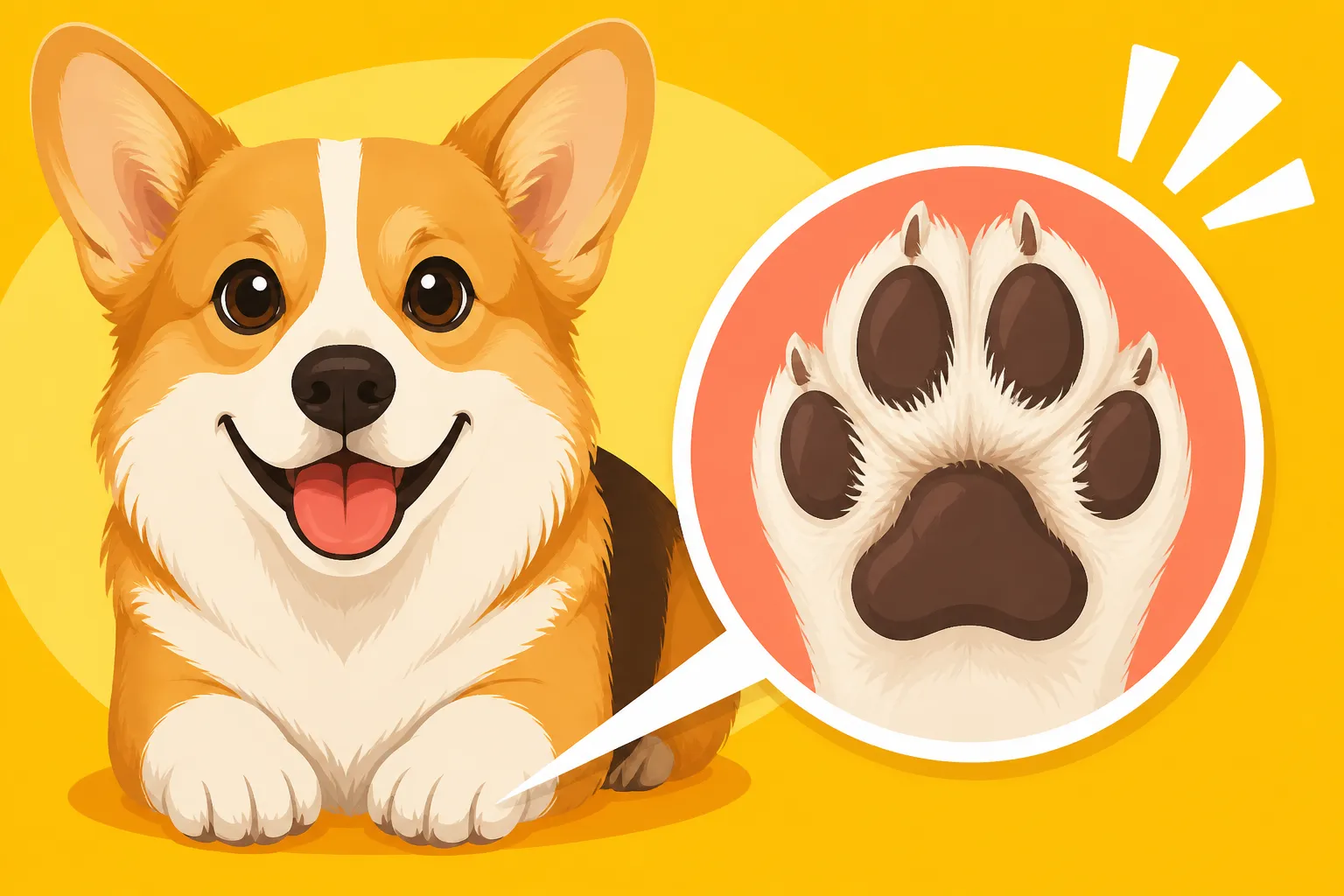
Think about the Corgi's heritage as a herding dog, especially in the often damp and varied terrain of Wales. Their short legs and stout bodies were built for navigating fields and pastures. The fur between their paw pads, sometimes called "slippers" or "grinch feet," serves as a natural form of protection and insulation. It helps shield the delicate paw pads from harsh elements like rough ground, thorns, and extreme temperatures, offering a small buffer against the world they traverse.
In their natural environment, this fur would also help with traction on uneven or soft surfaces, providing a bit more grip. It's a small detail, but every part of a Corgi's anatomy is finely tuned for their original purpose. However, the domestic lives our Corgis lead today are often vastly different from their ancestors, which means what was once an advantage can sometimes become a hindrance.
When a Little Fur is a Good Thing
A moderate amount of fur between the toes can certainly be beneficial. It helps keep the paw pads warm in cooler weather, acting like built-in socks. It can also prevent small irritants from directly contacting the sensitive skin between the toes. For a Corgi that spends a lot of time outdoors on varied terrain, this natural padding offers a layer of defense.
The key word here, though, is "moderate." When the fur grows too long, it starts to lose its protective benefits and instead creates a host of new problems. It's a delicate balance between natural function and the demands of modern pet ownership, which is why understanding when to intervene is so important. Grooming a Corgi That Sits Six Inches Off the Ground is something many owners learn to master.
When Fur Between the Toes Becomes a Problem
While a bit of paw fur is natural, excess growth can lead to a surprising number of issues that impact your Corgi's comfort, hygiene, and mobility. Many owners don't realize the extent of these problems until they see their Corgi struggling.
Trapping Dirt, Debris, and Moisture
One of the most common complaints among Corgi parents is how much debris gets trapped in that extra paw fur. Imagine your Corgi trotting through wet grass, then through some dirt. The long fur acts like a sponge and a magnet, collecting mud, burrs, small stones, foxtails, and even sticky bits of sidewalk grime. Not only does this bring the outside world directly into your home, but it can also become a significant source of irritation for your dog.
When moisture and debris are consistently trapped, it creates a warm, damp environment that is perfect for bacterial and yeast infections. You might notice your Corgi licking or chewing at their paws incessantly, which can lead to red, inflamed skin or even open sores. This is especially true after walks in rainy weather or through damp foliage. Keeping those paws clean and dry is vital, and excessive fur makes that task much harder.
Hindering Traction and Causing Discomfort
Perhaps the most overlooked problem with overgrown paw fur is how it affects your Corgi's traction, especially indoors. Their paw pads are designed to make direct contact with surfaces to provide grip, much like the tread on a tire. When long fur grows over these pads, it reduces that direct contact, essentially making their paws "slippery."
This can be a real struggle on hard floors like tile, wood, or laminate. You might see your Corgi sliding, splaying out, or hesitant to walk or run on these surfaces. This constant slipping puts undue strain on their joints, particularly their hips and back – areas Corgis are already prone to issues with. Over time, this can exacerbate conditions like arthritis or disc problems. It’s certainly a major consideration when managing Long Nails and How a Corgi Places Its Feet, as both factors contribute to poor grip.
Matted Fur and Skin Irritations
Just like the rest of your Corgi's double coat, the fur between their toes can mat. This is particularly common if the paws frequently get wet and aren't thoroughly dried, or if debris like sap or chewing gum gets caught. Matted fur around the paw pads isn't just unsightly; it can be incredibly painful. Mats pull on the skin, causing tenderness and restricting movement.
If mats become severe, they can cut off circulation, leading to serious skin infections. The constant pulling can also deter your Corgi from letting you touch their paws, making future grooming sessions a battle. Beyond mats, the trapped moisture and lack of air circulation can lead to dermatitis or fungal infections, often evidenced by a distinct yeasty smell or Itchy Skin Under a Corgi's Undercoat in the paw area. Addressing these issues promptly is crucial for your Corgi's overall comfort.
The Art of Trimming: How to Keep Those Paws Tidy
Once you understand the potential pitfalls of overgrown paw fur, the solution is clear: regular trimming. This isn't just about aesthetics; it's about comfort, hygiene, and preventing future health problems. It might seem daunting at first, but with the right tools and a bit of patience, you can master the art of paw trimming at home.
Gathering Your Grooming Tools
Before you start, make sure you have everything you need laid out. This helps ensure a smooth and safe process for both you and your Corgi. Safety is paramount, especially when working around delicate paw pads.
- Small, Blunt-Nosed Scissors: These are often called "paw scissors" or "face and paw scissors." The blunt tips are crucial for preventing accidental nicks if your Corgi suddenly moves. You can find excellent options on online retailers like Amazon or Chewy.
- Small Electric Trimmers/Clippers: For some Corgis, especially those with particularly thick or long fur, a small, quiet clipper designed for delicate areas might be easier and safer. These are great for getting a very clean, close trim without the risk of scissoring skin. Again, look for quiet, low-vibration models that won't startle your pup, readily available from pet supply stores or online.
- Paw Balm or Conditioning Spray: Having a soothing paw balm or conditioning spray on hand for after the trim can help keep the pads moisturized and healthy. This also makes the experience more positive for your Corgi.
- High-Value Treats: Keep plenty of your Corgi's favorite treats nearby! Positive reinforcement is key to making grooming a stress-free experience.
- A Non-Slip Surface: Work on a mat or surface where your Corgi feels secure and won't slip around.
It's a good idea to introduce these tools slowly, letting your Corgi sniff them and hear them run (if using clippers) before you even attempt to trim. This builds trust and reduces anxiety. Whether a Corgi Coat Can Be Managed at Home definitely extends to paw care.
Step-by-Step Guide to Paw Trimming
Now, let's get to the actual trimming. Remember to take your time, keep it positive, and don't be afraid to take breaks if your Corgi gets antsy.
- Start with Clean, Dry Paws: It's much easier and safer to trim clean paws. Dirt and debris can hide skin folds or make the fur harder to cut. A quick wipe-down with a damp cloth and thorough drying is usually sufficient.
- Position Your Corgi Comfortably: Find a comfortable spot where your Corgi can stand or lie down, preferably with good lighting. If you can, gently hold their paw so the pads are facing up, allowing you clear visibility of the fur.
- Use Scissors (Blunt-Nosed Only!):
- Gently spread your Corgi's toes apart with your non-dominant hand.
- Carefully snip the fur that grows between the paw pads, making sure to cut parallel to the pads, not into them.
- Your goal is to trim the fur so it's flush with the surface of the paw pads, exposing them fully. Imagine you're outlining the pads.
- Work slowly, taking small snips. Always keep the blunt tips of the scissors pointed away from the skin.
- Pay close attention to the fur around the edges of the paw pads, especially near the dewclaws if your Corgi has them (though many Pembrokes have theirs removed).
- Use Clippers (If Preferred):
- With a small trimmer, gently part the fur and carefully glide the clippers over the fur, moving away from the pads.
- The goal is the same: to trim the fur flush with the paw pads.
- Clippers can be particularly effective for dense fur and can minimize the risk of nicks, as long as you use a fine blade and a light touch.
- Check All Angles: Once you've trimmed the fur, gently place your Corgi's paw on a flat surface. Any fur that still touches the ground should be carefully trimmed. You want to see the paw pads clearly exposed and the fur neatly tucked away.
- Reward and Repeat: Give your Corgi plenty of praise and treats throughout and after the process. This positive association is vital. Repeat this process regularly, typically every 4-6 weeks, or more often if your Corgi's fur grows quickly. Regular maintenance is much easier than tackling severely overgrown paws. You might find that once you get the hang of it, this becomes part of your routine, alongside Corgi Nail, Ear and Tooth Routines.
| Tool | Pros | Cons | Best For |
|---|---|---|---|
| Blunt-Nosed Scissors | Precise, good for small areas, quiet | Risk of nicks if dog moves, can be slow for thick fur | Light trimming, nervous dogs, fine detailing |
| Small Electric Trimmers | Safer (less risk of nicks), faster for thick fur, consistent trim | Noise may scare some dogs, requires regular charging/maintenance | Dense fur, quick trims, confident owners |
When to Seek Professional Help
Even with the best intentions, some Corgis simply aren't keen on having their paws handled, or their fur might be so matted that it's beyond a safe home trim. Don't feel bad if this is the case! Professional groomers are experienced in handling all sorts of temperaments and conditions.
If your Corgi becomes overly stressed or aggressive during paw handling, or if you encounter severe matting, embedded debris, or signs of infection (like redness, swelling, or discharge), it’s always best to consult a professional groomer or your veterinarian. They have specialized tools and expertise to address these issues safely and effectively. A groomer can also show you techniques for making at-home grooming easier. Remember, A Corgi That Will Not Let You Touch Its Feet often needs extra patience and professional guidance.
Maintaining Paw Health Beyond Trimming
Trimming the fur between your Corgi's toes is a fantastic step, but it's just one piece of the overall paw health puzzle. A holistic approach ensures your Corgi's paws remain strong, clean, and comfortable, allowing them to waddle, run, and herd to their heart's content.
Regular Inspections and Cleaning
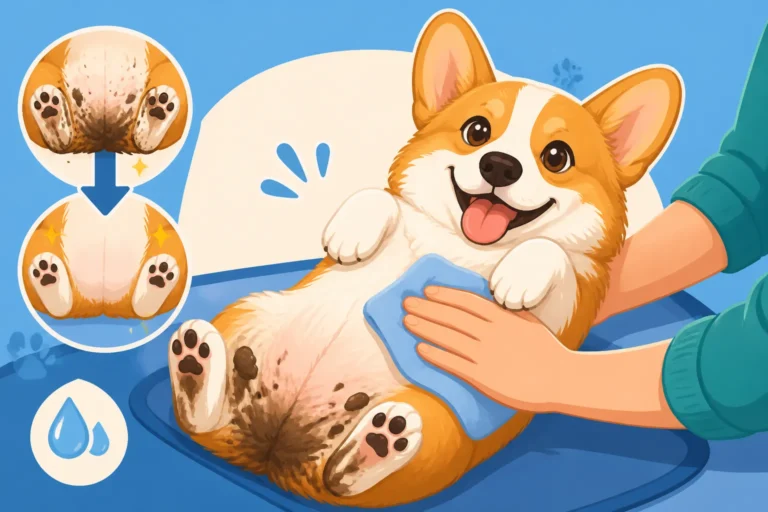
Beyond trimming, make it a habit to regularly inspect your Corgi's paws. This means a quick check after every walk, especially if you've been in grassy or muddy areas. Look for any foreign objects caught between the pads or toes – burrs, ticks, tiny thorns, or even small pieces of gravel. Cleaning a Corgi Belly After a Wet Walk also means getting those paws!
Regular cleaning is vital, too. A simple wipe-down with a damp cloth can remove everyday grime. For deeper cleaning, especially if your Corgi has been romping in mud or salt, a gentle dog-specific paw wash can be beneficial. Make sure to thoroughly dry their paws afterward, paying special attention to the areas between the toes, to prevent moisture-related skin issues. Some owners even invest in dog booties for walks in extreme weather, like hot pavement or icy, salted sidewalks.
Addressing Specific Paw Problems
Sometimes, despite your best efforts, paw problems can arise. Being proactive and knowing when to seek veterinary advice is crucial.
- Dry or Cracked Pads: If your Corgi's paw pads become dry, rough, or cracked, a good quality paw balm can work wonders. Look for natural ingredients like shea butter or beeswax. You can often find a wide selection of paw balms on sites like Chewy or Amazon. Apply it regularly, especially before bedtime, to allow it to soak in.
- Excessive Licking or Chewing: This is a big red flag. While occasional licking is normal, constant attention to the paws can indicate pain, allergies, yeast infections, or even anxiety. If you notice persistent licking, chewing, or limping, it's time for a vet visit. They can diagnose the underlying cause and recommend appropriate treatment.
- Weight Management: Keeping your Corgi at a healthy weight is paramount for paw health and overall well-being. Excess weight puts additional strain on their paws and joints, exacerbating issues like slippery paws or arthritis. Discussing proper portion sizes and nutrition with your vet is important. High-quality dog food, like that offered by Ollie, can contribute to overall health, which in turn supports healthy skin and paws.
- Nail Length: Don't forget nail care! Overly long nails can splay the toes, deform the paw, and make walking uncomfortable. They can also push the paw pads up, further reducing traction. Regularly Clipping Nails on a Corgi That Objects is essential for preventing these problems.
Taking care of the fur between your Corgi's toes might seem like a small task, but it contributes significantly to their comfort, mobility, and overall health. With a little routine and the right tools, you can ensure your furry friend's paws are always in tip-top shape.
Disclaimer
This article is for general informational purposes only and does not constitute professional advice. Laws, prices and regulations vary by location and change over time. Consult a qualified professional for guidance on your specific situation.