Long Nails and How a Corgi Places Its Feet
It's easy to overlook something as seemingly small as your Corgi's nails, but trust me, those little extensions of their toes can have a monumental impact on their entire body, subtly shifting how they walk, stand, and even the stress placed on their precious long back. This guide is all about understanding why nail length is so critical for your Corgi's overall health and how to ensure those paws are always in tip-top shape.
The Unseen Impact of Overgrown Corgi Nails
You might think long nails are just a cosmetic issue, or perhaps a minor annoyance when you hear that clicking on the kitchen floor. But for a Corgi, with their unique build and low-slung body, overgrown nails are far more serious. They act as levers, pushing up on the paw pads and forcing the toes into an unnatural position, which then cascades into problems further up the leg and spine. It’s like walking around with ill-fitting shoes that force you to adjust your entire posture.
How Nails Alter a Corgi's Foot Placement
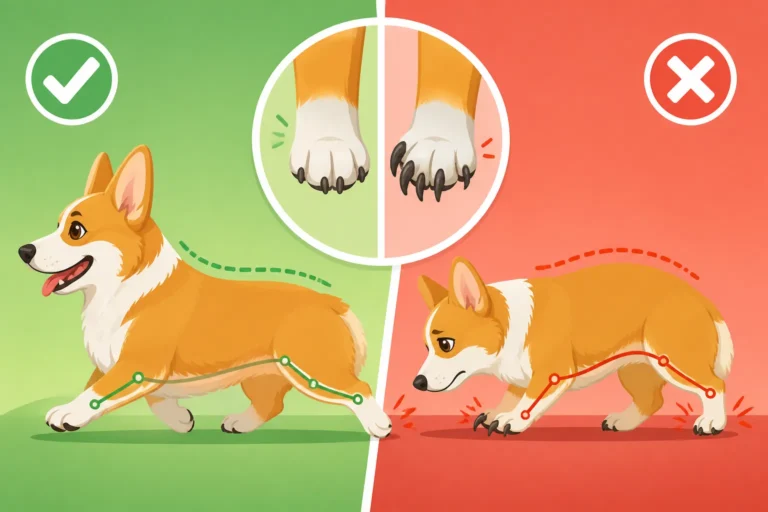
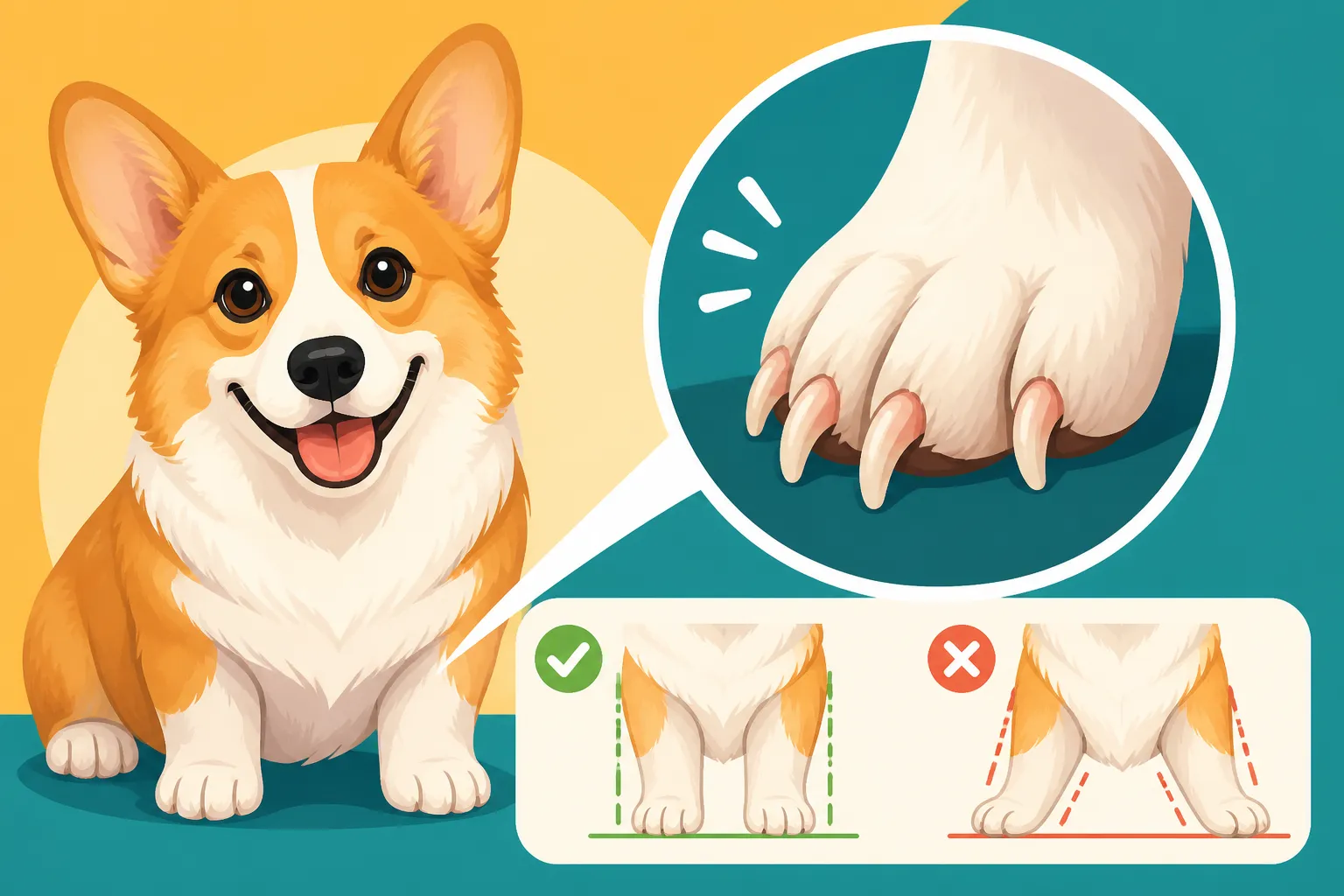
Imagine your Corgi standing normally. Their paw pads should be flat on the ground, with their nails just shy of touching the surface, or barely brushing it. When the nails get too long, they hit the ground first. This contact provides an uncomfortable fulcrum point, forcing the paw to roll back slightly, pushing the toes upward and backward. This seemingly minor shift means the dog isn't standing squarely on their paw pads. Instead, they're constantly trying to compensate.
Think about it: if the nails are constantly pushing back into the quick or against the ground, your Corgi naturally tries to spread their toes or shift their weight to avoid that pressure. Over time, this changes the natural angle of their footfall. Instead of landing heel-first (on the main paw pad), they might start to land more on their toes, or even roll their paws slightly to the side to mitigate the pressure. This can lead to splayed toes, weaker foot structure, and a less stable base. It's not just uncomfortable; it fundamentally changes the mechanics of how they bear weight.
The Ripple Effect on Joints and Spine
Once the feet are compromised, the ripple effect begins. The irregular foot placement doesn't just stop at the paw; it travels up the leg. The joints of the carpus (wrist), elbow, and shoulder are all affected as they try to compensate for the incorrect angle of the paw. Muscles that should be working in harmony get strained, while others become underutilized. For a Corgi, whose low center of gravity and long back already make them prone to spinal issues, this is particularly concerning.
When a Corgi's weight isn't distributed evenly and naturally through their legs and paws, their spine takes on additional, unnecessary stress. This constant, subtle misalignment can exacerbate existing conditions or contribute to new ones, particularly problems like intervertebral disc disease (IVDD) which is common in the breed. Every joint from the toes to the tail relies on proper alignment, and long nails disrupt that delicate balance, adding cumulative wear and tear that can lead to pain and discomfort down the line. This is why keeping an eye on The Corgi Years When the Back End Gives Out becomes even more crucial.
Recognizing the Red Flags: Signs Your Corgi's Nails Are Too Long
It's not always obvious that your Corgi's nails are too long, especially if you're used to seeing them a certain way. However, there are several tell-tale signs that your Corgi's nails are already impacting their posture and comfort. Being vigilant and catching these early can save your dog a lot of discomfort and potentially prevent more serious issues.
Audible Clicks and Scuffing Noises
One of the most common and easiest signs to spot is the sound of your Corgi walking. If you hear a distinct "click-click-click" on hard surfaces like tile, hardwood, or pavement, their nails are definitely too long. Ideally, your Corgi's nails should be short enough that they don't make any sound when walking on these surfaces. If you can hear them, it means they are hitting the ground, creating that unwanted pressure and altering their gait.
Beyond clicking, listen for any scuffing or dragging noises, especially from the back feet. Sometimes, Corgis with neurological issues or developing mobility problems, like early signs of Degenerative Myelopathy, might start A Corgi That Scuffs Its Back Nails or drag their toes. While this can be a sign of underlying nerve issues, long nails can certainly worsen the scuffing and make it harder for them to lift their feet properly, even if their neurological function is fine. It’s a vicious cycle where long nails contribute to poor foot placement, which then looks like, or exacerbates, actual mobility problems.
Changes in Gait and Posture
Another critical indicator is a noticeable change in how your Corgi walks or stands. You might observe a hesitant or awkward gait, especially on slippery floors. They might spread their legs wider to find balance, or their paws might appear splayed out. Their natural, purposeful Corgi waddle might become less fluid, almost as if they're walking on eggs. Some Corgis will try to compensate by shifting more weight to the outside of their paws or rocking back on their heels, which strains the pasterns and wrist joints.
When standing, a Corgi with long nails might have their toes pushed up, rather than their paw pads sitting flat. If you try to slide a piece of paper under their nails when they're standing on a hard surface and you can't, then they're too long. This seemingly small detail forces their entire posture to change, putting their back in a less optimal position. Over time, this can contribute to persistent back pain and even lead to a reluctance to jump, climb stairs, or engage in activities they once enjoyed. Consider what this means for Why Corgi Weight Is a Spinal Problem as well, compounding the issue for heavier Corgis.
Visible Signs of Discomfort or Reluctance
Beyond what you see and hear, pay attention to your Corgi's behavior. Are they reluctant to have their paws touched? Do they pull away when you try to examine their feet? This could be a sign that their nails are causing pain or sensitivity. They might even start licking or chewing at their paws excessively, a common behavior when discomfort or irritation is present.
In more advanced cases, a Corgi might become less active, not wanting to go for walks or play as much. This isn't just about the discomfort of walking on long nails; it's about the entire body feeling off. The chronic, low-level pain can lead to generalized stiffness and a decrease in overall enthusiasm. If your usually boisterous Corgi is becoming a couch potato, it's worth checking their nails, among other things. If you suspect deeper issues, consulting your vet, perhaps even regarding Screening an Older Corgi's Spine, is always a good idea.
The Corgi's Unique Anatomy and Nail Care Needs
Corgis, whether Pembroke or Cardigan, are chondrodystrophic breeds, meaning they have a genetic predisposition to dwarfism which gives them their characteristic long bodies and short legs. This very structure, while endearing, makes them particularly susceptible to issues stemming from poor nail care. Their low stance means their paws are closer to the ground, and any imbalance created by long nails affects their entire skeletal system more directly.
Understanding the Quick and Nail Structure
Every dog nail has a "quick," which is the pink, fleshy part inside the nail that contains blood vessels and nerves. If you cut into the quick, it will bleed and cause pain, which understandably makes dogs (and owners!) wary of nail trims. Corgis often have thick, dark nails, making it harder to see the quick, especially if you're not used to it. The key is to trim small amounts frequently, rather than trying to take off a lot at once.
When nails get too long, the quick actually grows longer with the nail. This makes it challenging to trim them back to a healthy length without hitting the quick. Consistency is your best friend here. Regular, short trims encourage the quick to recede over time, allowing the nail to be cut shorter and shorter until it reaches the ideal length. It takes patience, but it's entirely achievable. You can find excellent clippers and grinders on popular pet supply sites like Chewy or Amazon to help you get started.
The Importance of Regular Trimming
For Corgis, "regular" nail trimming often means more frequent than for many other breeds. Depending on their activity level and how quickly their nails grow, this could be anywhere from every 2-4 weeks. An active Corgi that walks a lot on pavement might wear their nails down naturally to some extent, but even then, the dewclaws (if present) and the inner nails often escape this natural abrasion.
Think of it as a crucial part of their overall wellness routine, as important as regular vet check-ups or good nutrition. Neglecting nail care is like ignoring daily brushing for their teeth—it leads to cumulative problems that become harder and more painful to fix later. Establishing Corgi Nail, Ear and Tooth Routines early on is vital, even for puppies.
| Nail Length Status | Impact on Corgi's Paw & Body | Recommended Action |
|---|---|---|
| Ideal Length | Nails just off the ground or barely touching; paw pads flat. | Maintain regular 2-4 week trims. |
| Slightly Overgrown | Mild clicking on hard floors; slight pressure on toe joints. | Increase trimming frequency; consider a grinder for smoother, shorter results. |
| Moderately Overgrown | Pronounced clicking; toes splayed; visible changes in gait. | Consistent, small trims every week to encourage quick recession. Consult vet if discomfort or lameness present. |
| Severely Overgrown | Paws rolled back; splayed toes; visible discomfort; potential lameness. | Vet visit for professional trim and assessment of pain/joint issues. May require sedation for first trims. Physiotherapy might be recommended for joint recovery. |
Practical Nail Care for Your Corgi
Taking charge of your Corgi's nail care doesn't have to be a battle. With the right tools, technique, and a lot of patience and positive reinforcement, you can make it a stress-free experience for both of you. Consistency is truly the secret ingredient here.
Choosing the Right Tools and Technique
When it comes to tools, you have a couple of main options: clippers or grinders.
- Clippers: There are two main types: scissor-style (Resco or Millers Forge type) and guillotine-style. Many Corgi owners find scissor-style clippers easier to use, especially for their thick nails, as they offer better leverage and visibility. Ensure they are sharp to give a clean cut and prevent crushing the nail.
- Grinders: A Dremel-style nail grinder can be an excellent alternative, especially if your Corgi is anxious about clippers or if their nails are dark and the quick is hard to see. Grinders allow you to take off tiny bits at a time, gradually shortening the nail and smoothing the edges. The key is to introduce the sound and sensation slowly and positively. Some dogs tolerate them much better than clippers.
Regardless of your chosen tool, the technique is crucial. For clippers, hold the paw firmly and clip just the very tip of the nail, aiming to take off only the hooked part. For grinders, touch the rotating head to the nail for just a second or two, then move to the next nail, repeating the process until you've taken off enough. Always have styptic powder (available at pet stores or online) on hand in case you accidentally hit the quick. And remember, positive reinforcement is your best friend! High-value treats, praise, and a calm demeanor will go a long way. You can even use their favorite food, like those from Ollie, as a reward for successful nail trims.
Making Nail Trims a Positive Experience
This is perhaps the most important aspect of Corgi nail care. If your Corgi associates nail trims with fear or pain, it will be a constant struggle. Start slowly, especially with puppies. Even if you can only touch their paws and give a treat at first, that's a win. Gradually introduce the tools without actually using them, letting them sniff and investigate. Then, turn on the grinder nearby (not touching them) and reward them for ignoring the sound.
When you do start trimming, do one or two nails at a time, then stop and praise lavishly, giving treats. The goal is to make it a routine, not a traumatic event. If your Corgi is particularly resistant, consider taking them to a professional groomer or your vet's office for a few initial trims. They can often do it quickly and safely, and you can observe their technique. Remember, a stress-free Corgi is more likely to cooperate, and regular, positive exposure is the best way to achieve that. For Corgis that really put up a fight, you might find more tips in Clipping Nails on a Corgi That Objects.
When to Seek Professional Help
Sometimes, despite your best efforts, managing your Corgi's nails can be a challenge. If your Corgi is highly anxious, aggressive, or if their nails are severely overgrown to the point of causing pain or lameness, it's time to seek professional help. Your veterinarian can trim the nails, often with an assistant to help hold your Corgi securely and calmly. In extreme cases, a vet might even suggest light sedation for the first few trims to get the nails back to a manageable length without causing undue stress or pain.
A professional groomer is another excellent resource. Many groomers are experienced with anxious dogs and have specialized equipment and techniques to handle even the most stubborn Corgis. They can also demonstrate proper technique for you to try at home. Don't feel like a failure if you need to enlist help; your Corgi's comfort and health are what truly matter. Sometimes, an extra pair of hands or professional expertise is exactly what's needed to ensure your Corgi maintains a healthy, pain-free gait.
Disclaimer
This article is for general informational purposes only and does not constitute professional advice. Laws, prices and regulations vary by location and change over time. Consult a qualified professional for guidance on your specific situation.