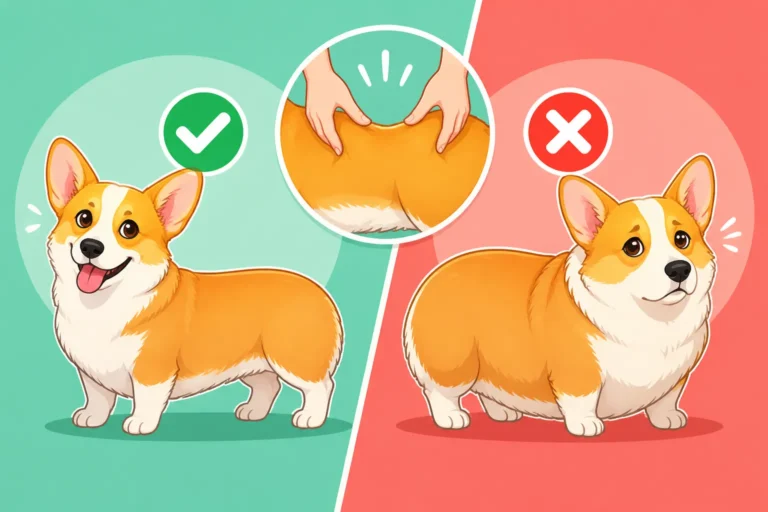
How Often a Corgi Actually Needs Washing
Oh, the joy (and sometimes the absolute mess!) of living with a Corgi. If you're a Corgi parent, you know the struggle: those short legs are a magnet for mud, dust, and whatever mysterious gunk they decide to roll in. But then you look at that glorious double coat, and you start to wonder, "How often can I really wash this furry potato without ruining their beautiful fur or irritating their skin?" It’s a common dilemma, and this guide is here to help you navigate the tricky waters of Corgi bathing, ensuring your pup stays clean, healthy, and happy without overdoing it.
Understanding the Corgi Coat: Why Less is Often More
When you bring a Corgi into your life, you're not just getting an adorable, intelligent companion; you're also inheriting a magnificent, functional double coat. This coat is one of their defining features, providing incredible insulation and protection, but it also requires a specific approach to bathing. Understanding its purpose is key to knowing why you shouldn't just scrub your Corgi down every week.
The Double Coat's Natural Protection
A Corgi's coat is a marvel of natural engineering, designed to protect them from the elements as they herded cattle in their ancestral Welsh homeland. It consists of two distinct layers: a harsh, dense outer layer of guard hairs and a softer, thicker, woollier undercoat. The outer guard hairs are somewhat water-repellent, shedding moisture and dirt, while the insulating undercoat provides warmth in winter and helps regulate body temperature in summer by trapping cool air close to the skin.
This intricate system relies on natural oils produced by your Corgi's skin. These oils keep the coat healthy, supple, and functional. When we bathe our Corgis too frequently, especially with harsh shampoos, we risk stripping away these vital natural oils. This can compromise the coat's ability to repel water and dirt, making it less effective at insulation and potentially leading to dry, irritated skin. It’s a delicate balance, and respecting their natural coat structure is the first step in proper grooming.
The Self-Cleaning Aspect of Corgi Fur
Now, I wouldn't go so far as to say a Corgi's fur is "self-cleaning" in the same way a cat’s might be, but it certainly has a remarkable ability to shed dirt once it's dry. Imagine your Corgi, after a spirited romp through a muddy field, returning home looking like a small, four-legged mud sculpture. It's tempting to rush them straight to the tub. However, often, if you let the mud dry completely, a good, thorough brushing session can remove a surprising amount of grime.
The coarse outer guard hairs prevent dirt from penetrating too deeply into the undercoat. Once dry, much of that surface dirt and loose debris can be brushed away, saving you a full-blown bath. This isn't to say brushing replaces bathing entirely, but it significantly reduces the frequency with which a full wash is needed. Many Corgi owners find that regular, diligent brushing is their best defense against a constantly dirty dog, keeping their Corgi looking neat and tidy without compromising their skin health.
Factors Influencing Your Corgi's Bathing Schedule
There's no one-size-fits-all answer to how often a Corgi needs washing, because every dog and every household is different. What works for one Corgi might be completely inappropriate for another. Instead of a strict calendar, it’s more about paying attention to your individual dog, their environment, and their specific needs.
Lifestyle and Activity Level
Your Corgi's daily routine plays a massive role in how often they'll need a bath. Think about it: a Corgi who spends most of their time indoors, maybe with short leash walks around a clean suburban neighborhood, is going to stay cleaner for much longer than a Corgi who accompanies you on long hikes, visits the dog park daily, or has free range of a muddy yard. If your Corgi is constantly exploring puddles, rolling in fresh-cut grass (or worse, something organic and smelly they found), then "as needed" baths will naturally come around more often.
For example, my Corgi, Barnaby, loves to investigate every single patch of damp soil and often emerges with a layer of fine red dust coating his belly and paws. A quick spot clean or a thorough brush might take care of it most days, but after a particularly enthusiastic encounter with a swampy patch at the local park, a full bath is unavoidable. Conversely, a friend's Corgi, who is much more of a couch potato, might only need a bath every three to four months because he simply doesn't get into situations that warrant more frequent washing. It's all about assessing the level of grime accumulation.
Skin and Coat Health Considerations
Another crucial factor is your Corgi's individual skin and coat health. Some Corgis have robust skin and coats that tolerate more frequent bathing, while others are incredibly sensitive. If your Corgi suffers from allergies, dry skin, or other dermatological issues, your veterinarian might recommend a specific bathing schedule, often with medicated shampoos, or advise less frequent bathing to avoid exacerbating dryness or irritation. You might notice your Corgi exhibiting Itchy Skin Under a Corgi's Undercoat, which could be a sign of environmental allergies or a reaction to a harsh shampoo.
On the flip side, some Corgis might have naturally oilier skin or be prone to certain skin conditions that necessitate more regular washing. For instance, if your Corgi develops Wet Patches That Turn Into Corgi Hot Spots, your vet might suggest gentle, frequent bathing to help manage the area. Always consult with your vet if you notice any persistent skin issues. They can guide you on the best products and frequency to maintain skin health without causing further problems. For Corgis prone to skin sensitivities, selecting a gentle, hypoallergenic shampoo is paramount. You can often find a good selection of these on platforms like Chewy or Amazon, making it easier to try different options to see what works best for your pup.
Seasonal Changes and Shedding Cycles
Corgis are famous (or infamous, depending on your perspective) for their shedding. Their double coats go through significant seasonal changes, typically "blowing" their undercoat twice a year, usually in spring and fall. During these heavy shedding periods, you'll find handfuls of fur coming off your dog, sometimes daily. The Two Weeks a Corgi Coat Comes Out in Handfuls is not an exaggeration – it's a reality for Corgi owners.
While bathing during these periods can help loosen and remove dead hair, making subsequent brushing more effective, it's not the primary reason for a bath. Brushing, specifically with an undercoat rake, is still your most potent weapon against shedding. However, a bath can kick-start the process of shedding out the old coat, giving you a cleaner slate for brushing. Remember, the goal isn't to stop shedding – that's impossible with a Corgi – but to manage it. Understanding Which Months a Corgi Coat Comes Out Worst can help you prepare your grooming routine, including whether a bath will aid in the deshedding process.
The Ideal Corgi Bathing Frequency: Finding the Balance
Given all these variables, pinning down an exact bathing schedule for every Corgi is impossible. However, we can establish some general guidelines that aim to maintain coat health, minimize skin irritation, and keep your Corgi smelling fresh enough to be a welcome presence on the sofa. The mantra for Corgi bathing should always be "as needed," informed by a baseline understanding of their coat.
General Guidelines for Most Corgis
For the average healthy Corgi with a relatively clean lifestyle, a bath every 2-3 months is often sufficient. This allows enough time for the skin's natural oils to replenish while still addressing any accumulated dirt or mild odors. Some Corgis, especially those that are mostly indoors and meticulously brushed, might even stretch this to every 4-6 months without issue. The key is to avoid bathing too frequently, which can strip those essential oils, leading to dry skin, itching, and a compromised coat that becomes more prone to dirt and matting.
Think of it this way: your Corgi's coat is designed to be low-maintenance in terms of wet washing. It's a natural protective layer. Over-washing interferes with this natural defense. Many Corgi owners find that a regular grooming routine focused on brushing, rather than frequent bathing, is the secret to a healthy coat and less mess. For example, if you've ever wondered How Long Between Corgi Baths is truly optimal, aiming for quarterly unless there's a specific reason is a solid benchmark for most.
When an "As Needed" Bath is Truly Needed
Despite the general guidelines, there will be times when an "as needed" bath becomes non-negotiable. These are the moments when brushing and spot-cleaning simply won't cut it, and a full immersion is the only way forward.
Here are some common scenarios:
- The "Mystery Gunk" Incident: You know the one. Your Corgi finds something truly disgusting to roll in – decaying leaves, mud that smells suspiciously like manure, or some other unidentifiable, odorous substance. This isn't just about cleanliness; it's about removing something potentially harmful or deeply unpleasant from their fur.
- Persistent "Doggy Odor": All dogs have a natural scent, but if your Corgi develops a strong, persistent "doggy odor" that isn't resolved by brushing or airing out, it's a good sign they need a bath. Sometimes, this odor can indicate a skin issue, so if it's unusually strong or accompanied by skin irritation, a vet check is a good idea.
- Visible Grime and Dirt: While a Corgi's coat is good at shedding dry dirt, sticky mud, sap, or other substances can get deeply embedded. If brushing can't dislodge it, and your Corgi is leaving dirty marks on your furniture, it's time for a wash.
- Veterinary Recommendation: As mentioned, certain skin conditions or allergies might require medicated baths on a specific schedule prescribed by your vet. In these cases, always follow your vet's instructions precisely, as the bath is part of their medical treatment.
It’s about being observant and practical. If your Corgi isn't visibly dirty or smelly, there's no need to stick to an arbitrary schedule. Their coat and skin will thank you for it.
Best Practices for Bathing Your Corgi
Once you’ve determined that a bath is indeed necessary, it’s important to approach the task with the right tools and techniques. A Corgi bath isn’t just about getting them wet and soapy; it’s about a thorough process that protects their unique coat and sensitive skin.
Choosing the Right Products
The products you use are just as important as the frequency of bathing. Never use human shampoo on your Corgi! Our skin pH is different from a dog's, and human shampoos can be too harsh, stripping their natural oils and causing irritation. Always opt for a high-quality dog-specific shampoo. Look for formulas that are tearless, hypoallergenic, or oatmeal-based if your Corgi has sensitive skin. Many brands offer specialized shampoos designed to be gentle and moisturizing, which are ideal for Corgis.
For example, a good oatmeal shampoo can be wonderfully soothing for skin, and you can find excellent options from reputable brands on online pet stores like Chewy or Amazon. After shampooing, a dog-specific conditioner is also highly recommended, especially for Corgis. It helps to restore moisture to the coat and skin, making it softer, shinier, and easier to brush, while also adding back some of those essential oils. A conditioner can also help to detangle any minor knots in their longer feathering, making the drying and brushing process smoother. Always check the ingredients to avoid harsh chemicals or excessive fragrances that might irritate your Corgi's skin. Understanding Shampoo That Suits a Thick Corgi Undercoat is key to making an informed choice.
The Bathing Process: From Wet to Dry
Bathing a Corgi, especially one with a dense double coat, requires patience and thoroughness. The process starts with a good wetting. Their dense undercoat can be surprisingly resistant to water, so ensure every inch of their body is thoroughly saturated before applying shampoo. Use lukewarm water to avoid shocking them or burning their skin.
Once wet, apply shampoo and work it deep into their coat, massaging it down to the skin. Pay special attention to their belly, armpits, and rear, where dirt tends to accumulate. After a good scrub, the most crucial step is rinsing. And then, rinsing again. And then, probably rinsing one more time. Residual shampoo left in the undercoat can cause severe skin irritation, itching, and dry flakes. Continue rinsing until the water runs completely clear and you can't feel any slickness on their fur. Once rinsed, gently squeeze excess water from their coat before towel drying.
Now for the drying: this is where many Corgi owners make mistakes. Their thick double coat can hold a lot of moisture, and an incompletely dried undercoat is a breeding ground for bacteria, yeast, and ultimately, uncomfortable hot spots. Start with enthusiastic towel drying, absorbing as much water as possible. Then, use a low-heat pet-specific blow dryer (human hair dryers can be too hot and burn their skin). Blow dry their coat in sections, lifting the fur with a brush to ensure air reaches the undercoat. Continue until their fur is completely dry, feeling cool and fluffy to the touch, not damp. This step is critical, especially to prevent issues like Whether a Damp Corgi Undercoat Causes Trouble. Taking your time with Getting a Corgi Dry Through the Undercoat is an absolute must.
The Role of Brushing Between Baths
While bathing is important for deep cleaning, regular brushing is your daily or weekly essential for Corgi coat maintenance. It's your first and best defense against dirt, mats, and excessive shedding, reducing the need for frequent baths. Brushing helps remove loose hair, dead skin cells, and surface dirt, distributing natural oils throughout the coat, which keeps it healthy and shiny.
Invest in the right tools: a slicker brush is great for the outer coat and general smoothing, but an undercoat rake is invaluable for getting deep into that dense undercoat and pulling out loose fur. During shedding seasons, you'll be amazed at the amount of hair you can remove with an undercoat rake, saving your vacuum cleaner a lot of work and your furniture from becoming entirely Corgi-colored. Brands like Hertzko and Furminator offer excellent undercoat rakes that can be easily found on platforms like Chewy or Amazon. Regular brushing also gives you an opportunity to check for any skin issues, parasites, or lumps that might be developing. For a detailed look at tools, check out The Rake and Comb a Corgi Coat Actually Needs. A quick brush every day or a more thorough session a few times a week can make a huge difference in your Corgi's cleanliness and overall coat health, far outweighing the benefits of an extra bath.
Common Bathing Mistakes to Avoid
Even with the best intentions, it's easy to fall into common traps when bathing a Corgi. Avoiding these mistakes can save your Corgi from uncomfortable skin conditions and keep their magnificent coat in prime condition. Understanding what not to do is almost as important as knowing what to do.
Over-Bathing and Skin Issues
The most common mistake Corgi owners make is bathing too often. It’s tempting, especially with those low-riders who seem to attract dirt, but over-bathing strips the natural sebum (oils) from your Corgi's skin and coat. These oils are a protective barrier, keeping skin moisturized and the coat water-resistant and healthy. When they're constantly stripped away, the skin can become dry, flaky, and itchy. This irritation can lead to excessive scratching, which in turn can break the skin, making it vulnerable to secondary bacterial or yeast infections.
Imagine constantly washing your own hair with harsh soap; it would eventually become dry, brittle, and your scalp would suffer. The same principle applies to your Corgi. A compromised coat and irritated skin are far more susceptible to environmental allergens and can actually increase the likelihood of skin problems, creating a vicious cycle where you feel compelled to bathe more to alleviate symptoms, only to make them worse. Always err on the side of less frequent bathing unless a vet specifically advises otherwise for a medical condition.
Incomplete Rinsing and Drying
Another major pitfall is not rinsing thoroughly enough, or worse, not drying completely. Soap residue left in a Corgi's thick undercoat acts as an irritant, leading to itching, flaking, and a dull-looking coat. It can also create a sticky film that attracts more dirt, defeating the purpose of the bath. It's incredibly easy to think you've rinsed enough, only to find a soapy patch hours later. When you rinse, ensure the water runs crystal clear from their body, and use your fingers to feel deep into the undercoat for any lingering suds.
Incomplete drying is arguably even more dangerous. As mentioned before, a damp undercoat creates a warm, moist environment – the perfect breeding ground for bacteria and yeast. This can quickly lead to painful hot spots, skin infections, and a very unhappy Corgi. The process of Getting a Corgi Dry Through the Undercoat can be time-consuming, sometimes taking longer than the bath itself, but it’s absolutely non-negotiable for their health. Never let your Corgi air-dry, especially if they have a thick coat and are prone to skin issues.
Using Human Products
This might seem obvious to experienced dog owners, but it's a mistake newcomers often make: using human shampoos, conditioners, or even dish soap on their Corgi. Human skin has a different pH level than dog skin, and human products are formulated accordingly. Using them on your Corgi can disrupt their skin's natural pH balance, making it too acidic or too alkaline. This leads to dryness, irritation, and can severely compromise their skin's protective barrier.
Moreover, human products often contain fragrances, dyes, and harsh chemicals that can be highly irritating or even toxic to dogs if absorbed through the skin or licked off their fur. While it might seem like a quick fix in a pinch, it's a risk not worth taking. Always stick to products specifically designed and pH-balanced for dogs. If you're ever in doubt, consult your veterinarian for product recommendations. Your Corgi's sensitive skin deserves the best, vet-approved care you can provide.
Special Situations and Professional Grooming
While home bathing is perfectly feasible for most Corgis, there are definitely times when professional help becomes invaluable. Sometimes, the situation calls for more than just a quick scrub in the tub, and a professional groomer brings expertise and equipment that can make a huge difference for both you and your Corgi.
Dealing with Extreme Dirt or Odor
Let's face it, Corgis are low to the ground and sometimes, they find things. Really, really smelly things. Or they decide to roll in something so muddy and sticky that it feels like it's fused to their undercoat. These are the "extreme dirt and odor" situations where your home bathtub might just not cut it. Trying to de-skunk a Corgi in your small bathroom, for instance, can quickly become a horror story involving skunk oil permeating your towels, your shower curtain, and perhaps even your own hair.
In these instances, a professional groomer is a godsend. They have industrial-strength shampoos, specialized de-skunking treatments, and powerful high-velocity dryers that can penetrate even the densest Corgi undercoat. They also have the experience to handle a Corgi who might not be thrilled about a deep clean. Don't feel guilty about seeking professional help for these tough jobs; it's often the safest and most effective way to restore your Corgi to their clean, sweet-smelling self without turning your home into a disaster zone.
The Benefits of Professional Grooming for Corgis
Beyond the extreme situations, regular professional grooming offers numerous benefits for your Corgi, especially given their unique coat needs. While Whether a Corgi Coat Can Be Managed at Home is generally yes, a professional touch can elevate their coat health. Groomers have high-velocity dryers that are far more powerful than anything you'd use at home. These dryers are crucial for thoroughly drying the Corgi's dense undercoat, which, as we've discussed, is paramount for preventing skin issues like hot spots and fungal infections. They can literally "blow out" much of the loose undercoat during shedding seasons, something a brush alone can't achieve as effectively.
Moreover, a professional groomer can tackle other essential aspects of Corgi hygiene that many owners struggle with. This includes precise nail trims (which are crucial for a Corgi's joint health, preventing splayed toes and spinal strain), thorough ear cleaning, and even anal gland expression, if needed. They are also adept at managing the Corgi's notorious shedding, using techniques and tools to minimize hair around your home. The cost What a Groomer Charges to Blow Out a Corgi is often well worth the peace of mind and the visible improvement in your Corgi's overall appearance and health. Many groomers are experienced with the Corgi breed and understand the nuances of their double coat, ensuring proper care without resorting to damaging practices like shaving, which can ruin a Corgi's protective coat. Regular visits, perhaps every couple of months, can keep your Corgi looking and feeling their best.
Here's a handy table to help summarize Corgi bathing frequency:
| Corgi Lifestyle & Coat Condition | Recommended Bathing Frequency | Key Considerations |
|---|---|---|
| Indoor, low activity, healthy skin | Every 3-6 months (or less) | Regular brushing is crucial. Spot clean as needed. |
| Active, moderate outdoor play, healthy skin | Every 2-3 months (or as needed) | Brush frequently. Bathe when visibly dirty or smelly. |
| Outdoor adventurer, prone to mud/smells | Monthly to every 6 weeks (as needed) | Prioritize thorough rinsing and drying. Consider professional grooming for tough jobs. |
| Sensitive skin, allergies, dry coat | Every 3-4 months, or vet-prescribed | Use hypoallergenic/medicated shampoo. Avoid over-bathing. Consult vet. |
| Oily coat, prone to hot spots | Every 4-8 weeks, or vet-prescribed | Ensure complete drying. Medicated shampoos may be recommended by vet. |
| Heavy shedding season (spring/fall) | Can aid brushing, but not primary method | Focus on undercoat raking. A bath can help loosen dead hair, but follow with thorough drying. |
Remember, this table provides general guidelines. Always observe your individual Corgi's needs and consult with your veterinarian for specific skin conditions.
Disclaimer
This article is for general informational purposes only and does not constitute professional advice. Laws, prices and regulations vary by location and change over time. Consult a qualified professional for guidance on your specific situation.