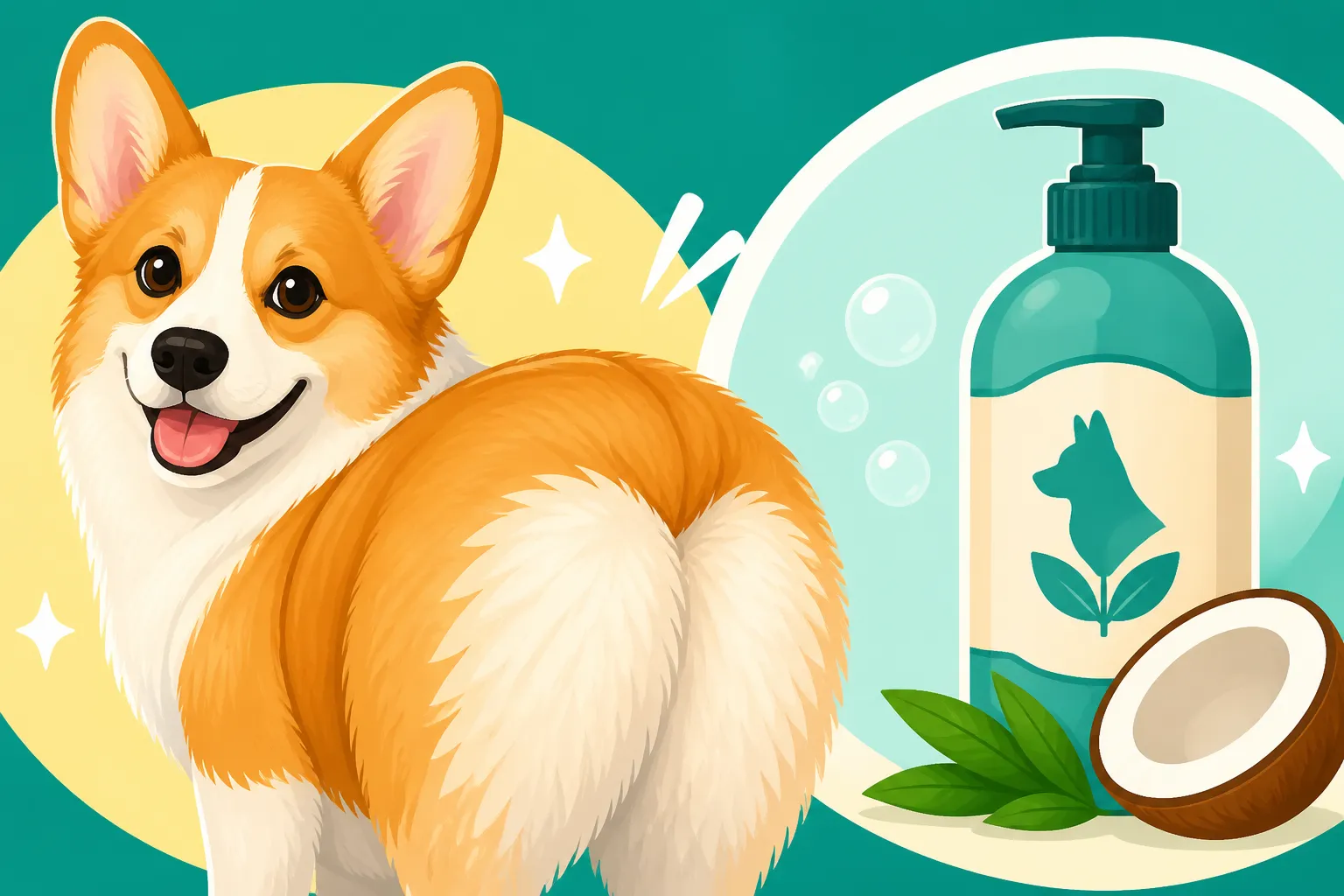
Shampoo That Suits a Thick Corgi Undercoat
Few things are more frustrating than bathing your adorable, fluffy Corgi, only to find their coat is still shedding like crazy, or worse, their skin looks irritated and dry. That dense, water-resistant double coat is a marvel of nature, but it also presents a real challenge when it comes to grooming. This guide is here to walk you through exactly what kind of shampoo your Corgi's thick undercoat truly needs and how to use it effectively to keep them clean, comfortable, and shedding a little less.
Understanding the Unique Corgi Coat
Before we even talk about shampoo, it's vital to truly understand what you're up against with a Corgi's coat. It's not just hair; it's a finely engineered protective layer that served their ancestors well herding cattle in all sorts of weather. Trying to treat it like any other dog's coat is where many owners go wrong, leading to endless shedding battles and sometimes even skin issues.
The Double-Coated Marvel: Guard Hairs vs. Undercoat
Your Corgi possesses what's known as a double coat, and it's this characteristic that makes finding the right shampoo so crucial. The outer layer consists of coarse, protective guard hairs. These are longer, stiffer, and naturally somewhat water-repellent. They act like a shield, protecting your Corgi from elements like rain, snow, and thorny undergrowth. When you pet your Corgi, these are the hairs you typically feel first.
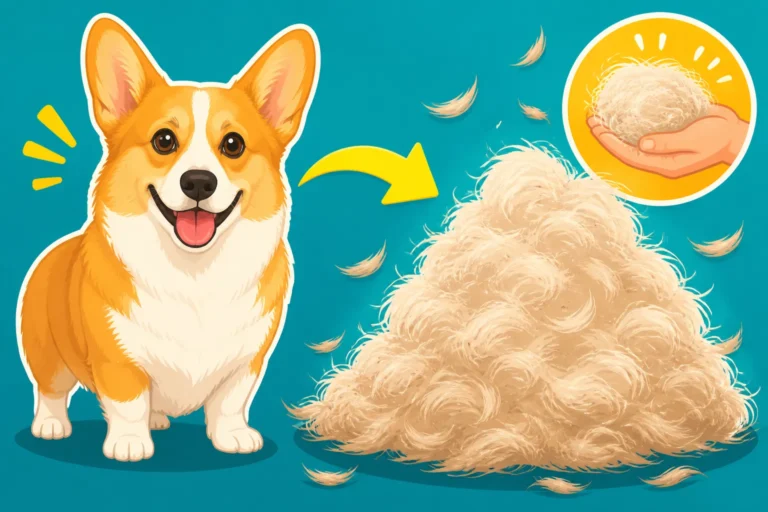
Beneath this outer shield lies the true challenge: the soft, dense, incredibly thick undercoat. This fluffy layer is designed for insulation, keeping your Corgi warm in winter and helping to regulate their body temperature in summer by trapping cooler air. It's this undercoat that generates the vast majority of the "Corgi glitter" found all over your home. It sheds constantly, but particularly heavily twice a year, during seasonal "blows," where it comes out in enormous clumps. This dense layer can easily trap dirt, dander, and shed hair, creating mats if not properly maintained, and acting as a barrier for poorly chosen shampoos. How Much Hair a Twenty-Eight Pound Corgi Drops will give you an idea of the sheer volume.
Why Regular Shampoos Fall Short
Many generic dog shampoos are simply not formulated to penetrate or adequately clean a thick double coat like a Corgi's. They might create a nice lather on the surface, but they often fail to reach the skin and the dense undercoat where dirt, oils, and loose hair really accumulate. This means you could be washing your Corgi, feeling like you've done a good job, but in reality, much of the grime and loose undercoat remains trapped.
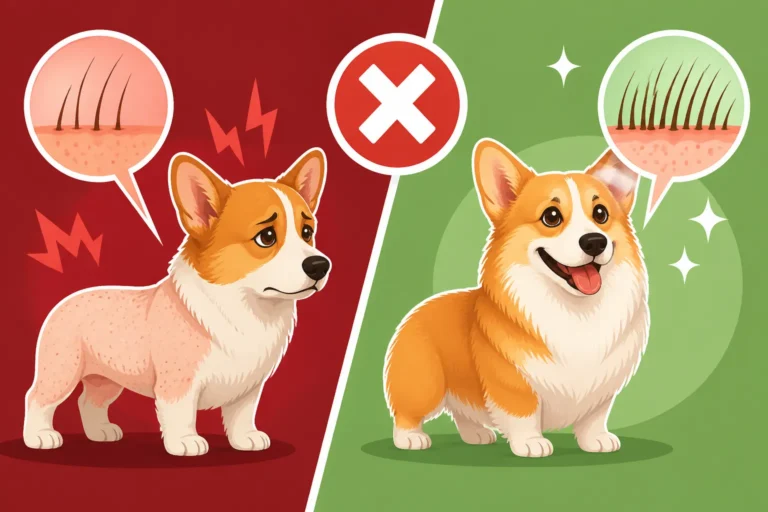
Using the wrong shampoo can also strip the natural oils from your Corgi's guard hairs, making them dull and brittle, and potentially irritating the sensitive skin beneath the undercoat. Some shampoos contain harsh chemicals, artificial fragrances, or sulfates that can dry out the skin, leading to itching, flaking, and even hot spots. A Corgi's skin needs to breathe, and if the undercoat isn't properly cleaned and rinsed, it can create a damp, unhealthy environment. This is why just any shampoo won't do; you need something designed for the job.
Types of Shampoo for a Corgi's Double Coat
Now that we understand the Corgi coat's specific demands, let's talk about what types of shampoos are best suited to tackle that magnificent, yet challenging, fur. The goal is to clean thoroughly without stripping essential oils or irritating the skin, and ideally, to help manage that ever-present shedding.
Deshedding Shampoos: Your Best Friend
For Corgi owners, deshedding shampoos are often the Holy Grail. These shampoos are specifically formulated with ingredients that help release loose undercoat during the bath, making it easier to brush out. They often contain nourishing ingredients like Omega fatty acids, oatmeal, or specialized proteins that help strengthen the hair follicles and reduce excessive shedding over time. The idea isn't to stop shedding entirely – that's impossible and unhealthy for a double-coated dog – but to facilitate the natural shedding process, so less hair ends up on your furniture and floors.
When you use a deshedding shampoo, you're actively working with your Corgi's coat, rather than just cleaning the surface. It allows you to remove a significant amount of dead undercoat while wet, which is far more efficient than trying to brush it all out dry. Many reputable pet supply retailers, like Chewy and Amazon, offer a wide range of these products from various brands. Look for those specifically marketed for "double coats" or "heavy shedding breeds." Remember, proper rinsing is even more critical with these shampoos to avoid residue that can irritate the skin.
Hypoallergenic and Soothing Options
Even with the best deshedding efforts, some Corgis can have sensitive skin, or develop allergies over time. If your Corgi exhibits signs of itchiness, redness, or has Itchy Skin Under a Corgi's Undercoat, a hypoallergenic or soothing shampoo might be a better choice, at least periodically. These formulas are typically free from harsh dyes, perfumes, and common irritants. Ingredients like oatmeal, aloe vera, and chamomile are often included to calm and moisturize the skin.
While these might not have the intense "deshedding" properties of specialized formulas, a healthy, moisturized skin and coat will naturally shed more efficiently and comfortably. Sometimes, addressing the underlying skin comfort is more important than just removing hair. You might alternate between a deshedding shampoo and a soothing one, depending on your Corgi's individual needs and the time of year. Always check the ingredient list for anything that might trigger your dog's sensitivities.
Two-in-One Shampoos: A Corgi Conundrum
You might see "shampoo and conditioner in one" products on the shelves and think, "Great, one less step!" However, for a Corgi's thick double coat, these can be a bit of a conundrum. While convenient for some breeds, the dense undercoat often requires a separate, dedicated conditioning step to truly hydrate the hair and skin, and to help the guard hairs lie properly.
A two-in-one product might not provide enough conditioning to effectively penetrate the undercoat, leaving it dry or prone to matting, especially on the feathering or "trousers" around their hindquarters. It can also leave residue if not rinsed meticulously, which is already a challenge with a Corgi. For optimal results, most groomers and experienced Corgi owners recommend using a separate shampoo followed by a dedicated conditioner specifically formulated for double coats. This allows each product to perform its intended function thoroughly.
The Bathing Process: Making the Shampoo Work
Having the right shampoo is only half the battle; knowing how to apply it and, crucially, how to rinse it out effectively, is just as important. A Corgi's dense coat can easily retain water and shampoo residue, leading to problems if not handled correctly.
Pre-Bathing Preparation
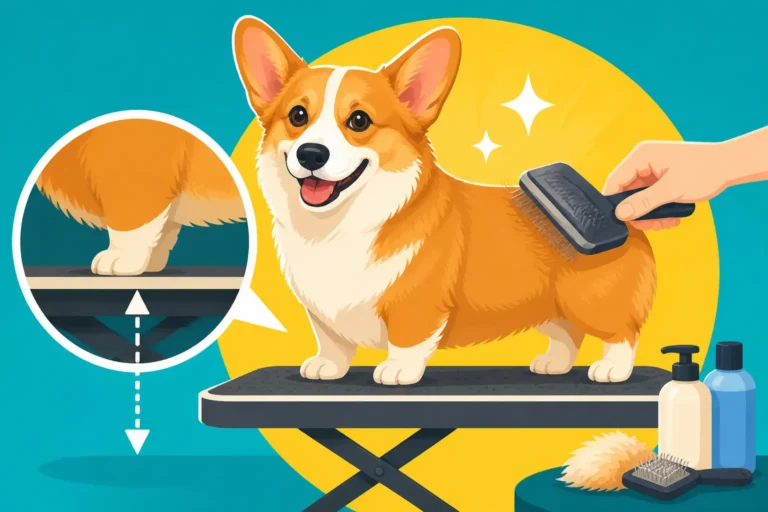
Before you even think about turning on the water, a thorough pre-bath brush-out is non-negotiable for a Corgi. This step is critical for removing as much loose hair and as many small mats as possible while the coat is dry. If you skip this, the water will only tighten existing mats, making them nearly impossible to remove, and the shampoo won't be able to penetrate to the skin. Use a slicker brush, an undercoat rake, or a deshedding tool like a Furminator to work through the entire coat, paying special attention to the dense areas on their back, flanks, and the feathering on their legs and belly. The Rake and Comb a Corgi Coat Actually Needs is a great resource for tools.
Gather all your supplies beforehand: your chosen shampoo and conditioner, towels, a non-slip mat for the tub, and cotton balls for their ears (to prevent water from getting in). Having everything ready will make the process smoother and less stressful for both you and your Corgi. You don't want to be scrambling for a towel with a soaking wet Corgi trying to shake water everywhere!
Application and Lathering Techniques
When it's time to apply the shampoo, remember that consistency is key. First, thoroughly wet your Corgi's entire coat down to the skin. This can take longer than you think due to their water-resistant guard hairs. Use lukewarm water, and really work it in. Once wet, apply the shampoo. Many professional groomers recommend diluting dog shampoo with water (check the product's instructions for ratios) before applying it. This helps distribute the product more evenly and makes it easier to rinse out.
Start applying the diluted shampoo from the neck down, working towards the tail. Use your fingertips to massage the shampoo deeply into the coat, making sure to reach the skin. Pay special attention to the belly, armpits, and groin area, which tend to get dirtiest. Because Corgis are so low to the ground, their bellies often get quite soiled, so Washing a Corgi That Drags Through Everything is a common concern. A rich lather is good, but don't just rely on surface bubbles; you need to feel the shampoo working down to the skin level. Let the shampoo sit for the recommended time (usually 5-10 minutes for deshedding formulas) to allow the ingredients to work their magic. This is a great time for some gentle massage, which can also help loosen dead undercoat.
The All-Important Rinse
This is arguably the most crucial step for a Corgi. Due to their incredibly dense undercoat, it is notoriously difficult to rinse all the shampoo and conditioner out. Any residue left behind can lead to skin irritation, dryness, itching, and dullness, and can even attract more dirt, making their coat feel greasy faster. Think of it like washing a thick wool blanket; it holds onto suds for dear life.
Rinse, rinse, and then rinse again. Seriously, when you think you're done, rinse for another five minutes. Use lukewarm water and direct the spray close to the skin. Squeeze sections of the coat with your hands to help force water through and shampoo out. Continue rinsing until the water runs completely clear and you can't feel any slickness or residue on the fur or skin. This might involve lifting sections of the coat, especially around the neck, back, and feathering, to ensure water reaches every single hair follicle. Don't forget to rinse the legs and paws thoroughly. Once satisfied, gently squeeze excess water from their coat before reaching for towels. Getting a Corgi Dry Through the Undercoat will further detail how vital this step is.
Essential Grooming Products for Corgi Bathtime
Beyond the shampoo itself, having the right supporting cast of grooming products can make a world of difference in your Corgi's bathtime experience and the overall health of their coat. These items complement the shampoo, ensuring a truly clean, well-maintained, and comfortable Corgi.
Conditioners and Detanglers
While some people might skip conditioner for dogs, for a Corgi's double coat, it's a game-changer. A good conditioner will replenish moisture, soften the guard hairs, and, most importantly, help to "lubricate" the undercoat, making it much easier to brush out after drying. This reduces tangles and matting, and also helps the coat lie flatter, which can reduce how much mud and debris their low-slung bellies pick up.
Look for conditioners that are specifically designed for double coats or for dogs with dry or sensitive skin. Apply it generously after thoroughly rinsing out the shampoo, working it deep into the undercoat. Let it sit for a few minutes (again, check product instructions) before rinsing even more thoroughly than you did the shampoo. Detangling sprays can also be incredibly useful, especially for the feathering on their legs and hindquarters, or during heavy shedding periods. Applying a detangler after the bath and before brushing can significantly reduce static and snags.
Drying Aids and Tools
After a thorough rinse, the next challenge is drying that incredibly dense coat. A Corgi can stay damp for an alarmingly long time, and a prolonged damp undercoat can lead to skin issues like bacterial or fungal infections. Start by squeezing out as much water as you can by hand, then use highly absorbent towels to blot (don't rub vigorously, as this can create tangles) your Corgi dry. You might go through several towels!
For a truly dry Corgi, especially if you've used a deshedding shampoo, a high-velocity pet dryer (often called a "force dryer") is invaluable. These are not heat dryers; they use powerful airflow to blast water out of the coat, drying it quickly and effectively. They also help to literally "blow out" loose undercoat, further assisting with the deshedding process. If you don't have one, a regular human hairdryer on a cool or low-heat setting can work, but it will take much longer and you must be careful not to overheat their skin. Always keep the dryer moving. Whether a Corgi Needs Its Belly Dried After Rain highlights the importance of thorough drying for these low riders.
Common Shampoo Mistakes to Avoid
Even with the best intentions, Corgi owners can fall into common grooming traps that can inadvertently harm their dog's coat and skin. Knowing what to avoid is just as important as knowing what to do.
Over-Bathing and Skin Irritation
While a clean Corgi is a happy Corgi (and a happier owner!), over-bathing can actually do more harm than good. Bathing too frequently, especially with harsh shampoos, can strip the natural oils from your Corgi's skin and coat. These oils are essential for maintaining the health and integrity of their skin barrier and for the natural water-repellency of their guard hairs. Stripping them away can lead to dry, flaky, itchy skin, and can even exacerbate shedding as the body tries to compensate.
For most Corgis, a bath every 4-8 weeks is sufficient, unless they've rolled in something particularly smelly or muddy. During heavy shedding seasons, you might increase it slightly, but always prioritize gentle, moisturizing products. Focus on spot cleaning dirty areas (like their belly and paws) between full baths if needed. For areas prone to getting dirty, like the feathering on their legs that can pick up Burrs Caught in Corgi Leg Feathering, a quick rinse with plain water and careful drying can often be enough.
Skipping Conditioner
As mentioned earlier, many people skip conditioner, believing it's an unnecessary luxury for dogs. For a Corgi's double coat, this is a significant oversight. Without proper conditioning, the undercoat can become dry, brittle, and more prone to static and tangles, especially after the stripping action of shampoo. Dry guard hairs can also feel rougher and lose their natural sheen.
A good conditioner helps to seal the hair shaft, restoring moisture and elasticity. It also aids in preventing matting, which is particularly common in Corgis with their dense undercoat. If you've ever struggled to brush through a freshly washed and dried Corgi, a lack of conditioner might be the culprit. It's an investment in their coat health and makes future grooming sessions much easier. Think of it as essential coat care, not just a pampering step.
Using Human Shampoo
This is a big no-no that many first-time dog owners unfortunately try. Human skin and dog skin have different pH levels. Human shampoos are formulated for acidic human skin, while dog skin is more neutral. Using human shampoo on your Corgi, even a gentle baby shampoo, can disrupt their skin's natural pH balance.
This disruption can lead to dry, itchy, irritated skin, which in turn can cause excessive scratching, flaking, and even skin infections. It strips their coat of natural oils, making it dull and unhealthy. Always use shampoos specifically formulated for dogs. These products are designed to be pH-balanced for canine skin and often include ingredients beneficial for their coat types. Save your fancy human shampoo for yourself!
Disclaimer
This article is for general informational purposes only and does not constitute professional advice. Laws, prices and regulations vary by location and change over time. Consult a qualified professional for guidance on your specific situation.