The Two Weeks a Corgi Coat Comes Out in Handfuls
If you're a Corgi owner, you know the struggle: there are times when your adorable, low-riding companion seems to suddenly erupt in a cloud of fur, leaving tumbleweeds of undercoat floating through every room. It often feels like you just brushed them, only to find another handful minutes later. This guide is all about navigating those intense periods when your Corgi's coat seems to come out in literal handfuls, understanding why it happens, and what you can do to manage it.
Understanding the Corgi Coat and Its Purpose
The Corgi, whether a Pembroke or a Cardigan, boasts a truly magnificent coat – thick, weather-resistant, and beautifully marked. But this isn't just for show; it's a functional marvel, a direct link back to their heritage as hardy herding dogs in the often-chilly, damp Welsh countryside. Understanding the structure of this coat is the first step in understanding why your vacuum cleaner works overtime.
The Double Coat Design
A Corgi's coat is what we call a "double coat," meaning it's comprised of two distinct layers, each with its own crucial job. The outer layer, known as the guard hairs, is coarser, longer, and somewhat stiff. These hairs are designed to be water-repellent and protective, shielding your Corgi from rain, snow, and even minor scrapes when they're navigating rough terrain. They give the coat its color and its overall smooth appearance. Think of it as their durable, waterproof jacket.
Beneath this protective outer layer lies the real powerhouse for temperature regulation: the undercoat. This layer is much softer, denser, and incredibly fine, almost like down. Its primary function is insulation. In cold weather, it traps air close to the body, keeping your Corgi warm. In warmer weather, it acts as a barrier against heat and sunburn, as long as it's healthy and properly maintained. It's this undercoat that makes Corgis feel so incredibly plush when you pet them, and it's also the layer that causes most of the shedding havoc.
Why Corgis Are Built for the Elements
Imagine a Corgi out in the Welsh fields, nimbly darting around the hooves of cattle. Their short stature kept them safe from kicks, but their robust coat kept them comfortable regardless of the weather. They weren't bred to be pampered lapdogs; they were working animals that needed to withstand biting winds, sudden downpours, and cool temperatures. This functional design means their coat is naturally dense and evolved to adapt to seasonal changes.
This adaptive quality means the undercoat isn't a static thing. It's constantly growing, dying, and being replaced, much like our own hair. However, with a Corgi, this process becomes much more pronounced due to the sheer volume and insulating properties of their undercoat. When the seasons shift dramatically, their body signals to "blow" the old coat, making way for a new, appropriately thick (or thin) layer. This biological imperative is why no amount of wishing will make the shedding disappear entirely; it's part of being a Corgi.
The Seasonal Shedding Cycle
While Corgis are fairly consistent shed-machines year-round – meaning you'll always find some Corgi glitter around your home – there are two distinct periods when this shedding ramps up to an almost unbelievable level. These are often referred to as "coat blows," and they are entirely natural for breeds with double coats. Preparing for them is half the battle.
The Spring "Blow-Out"
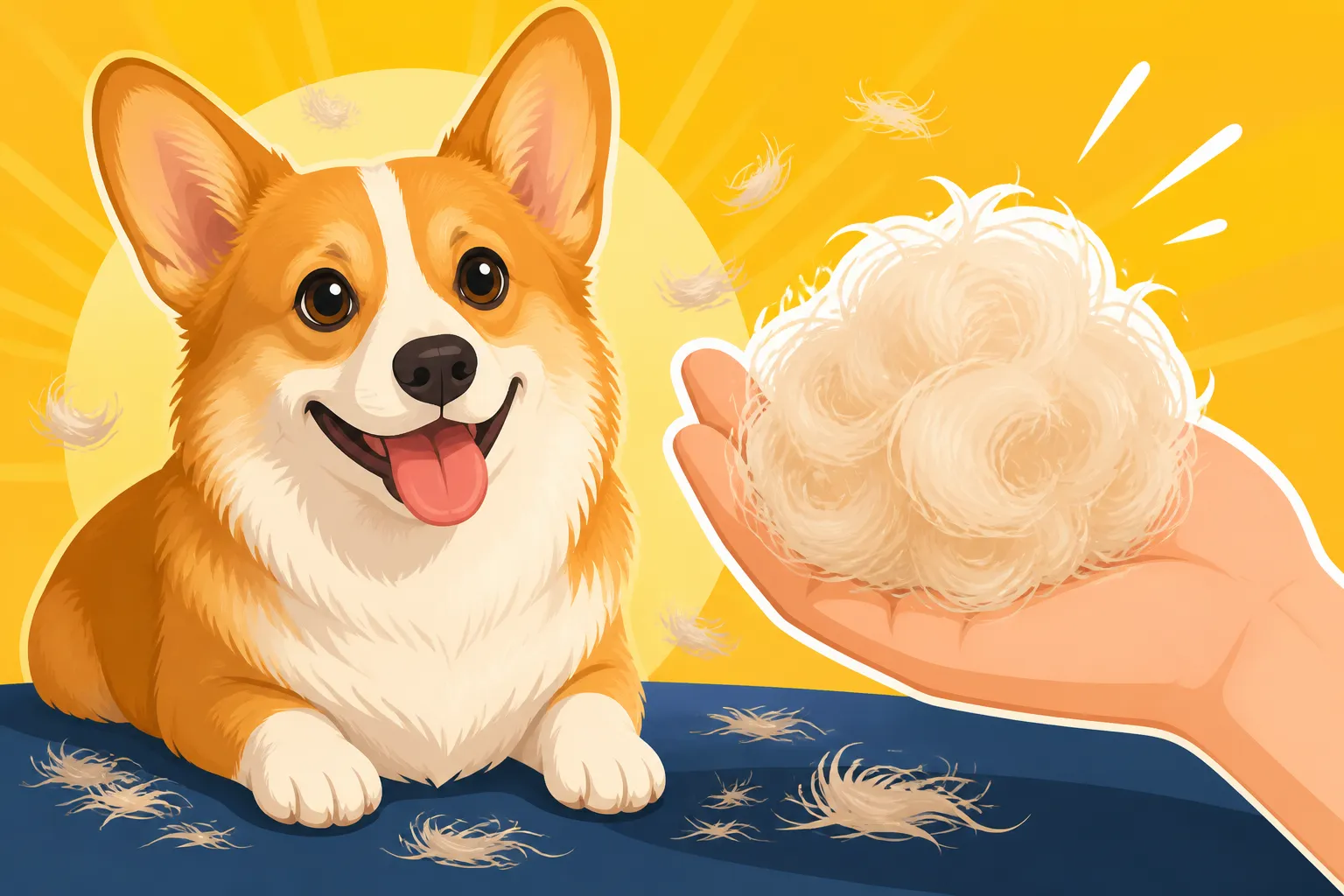
As the days grow longer and the temperatures begin to rise after winter, your Corgi's body starts preparing for warmer weather. This means shedding the incredibly dense, insulating undercoat they developed to stay warm during the colder months. This spring blow-out is usually the most dramatic shedding event of the year. You'll literally be pulling out clumps of soft, fluffy undercoat that feel like you could knit a new dog. It can feel relentless, lasting anywhere from a couple of weeks to over a month, depending on the individual dog, their environment, and the tools you use.
During this time, you might find yourself questioning if your Corgi is actually balding, but rest assured, it's just their body efficiently clearing out the old to make way for the new. The sheer volume of hair can be astounding, filling brush after brush in a single grooming session. This is the period when many Corgi owners seriously consider investing in a high-velocity dryer, or booking a professional grooming appointment for a thorough de-shedding treatment.
The Autumn Undercoat Shift
The other significant shedding period occurs in the fall, as summer heat gives way to cooler temperatures. While typically less intense than the spring blow-out, the autumn shed is still a force to be reckoned with. During this time, your Corgi is shedding the lighter summer undercoat to grow in a thicker, denser layer that will provide insulation against the coming winter chill.
You might notice more fine hairs around the house, and your regular brushing sessions will definitely yield more fur than usual. It's a crucial time to help your Corgi shed this old coat efficiently, as a healthy, well-maintained coat will insulate them better and keep their skin healthy beneath. If the old undercoat isn't removed, it can trap moisture and debris, leading to skin irritation or hot spots. Remember that grooming during these times isn't just about reducing hair in your home; it's about supporting your Corgi's natural health and comfort.
Factors Influencing Shedding Intensity
Several factors can influence how much and how often your Corgi sheds. Genetics play a role, of course, with some Corgis naturally having denser coats than others. Environmental factors are huge; dogs living primarily indoors in temperature-controlled environments might shed more consistently year-round, as their bodies don't get as strong of a signal for seasonal changes. However, even indoor Corgis will still have peak shedding periods.
Diet is another critical component. A high-quality diet rich in Omega-3 and Omega-6 fatty acids contributes to healthy skin and coat, potentially reducing excessive shedding caused by dryness or poor hair follicle health. Stress can also be a factor; a stressed dog might shed more than usual. Finally, health issues like allergies, parasites, or thyroid imbalances can cause abnormal shedding. If your Corgi's shedding seems excessive, patchy, or comes with skin irritation outside of the normal seasonal shifts, a vet visit is always a good idea to rule out underlying health concerns. You might also want to look into The Corgi Years When the Back End Gives Out or The Bleeding Disorder Pembrokes Carry as general health considerations for the breed.
Recognizing the Peak Shedding Period
It's easy to just assume "my Corgi sheds," but there's a difference between routine shedding and the true "coat blow." Knowing the difference helps you prepare, both mentally and with your grooming arsenal. This isn't just about finding a few hairs on the sofa; it's about anticipating the veritable snowstorm of fur.
Visual Cues and Telltale Signs
The most obvious sign is, of course, the sheer quantity of loose hair. During a peak shedding period, you'll see visible clumps of undercoat lifting away from your Corgi's body, especially when you pet them. Running your hand against the grain of their fur will reveal clouds of loose, soft hair. You might also notice their coat looks a little "fluffier" or less sleek than usual, as the old undercoat starts to detach. Sometimes, you can even see it hanging in little wisps from their guard hairs.
Another common visual cue is finding "Corgi tumbleweeds" rolling across your floors or collecting in corners, even shortly after you've vacuumed. Their favorite resting spots, like beds or rugs, will be visibly coated in fur. Beyond the visual, your Corgi might also start scratching or rubbing themselves more as the loose undercoat can become itchy. While this isn't necessarily a sign of fleas (though always rule those out!), it's often a natural reaction to the shedding process.
The "Two Weeks" Phenomenon
Many Corgi owners talk about the "two weeks" of intense shedding. While the entire seasonal shedding period might last longer, there's often a particular phase, usually around two to three weeks, where the amount of hair coming off your Corgi is truly staggering. During this concentrated period, daily, sometimes twice-daily, intense brushing sessions are needed just to keep up. It's almost as if the coat goes from shedding a lot to shedding an impossible amount overnight.
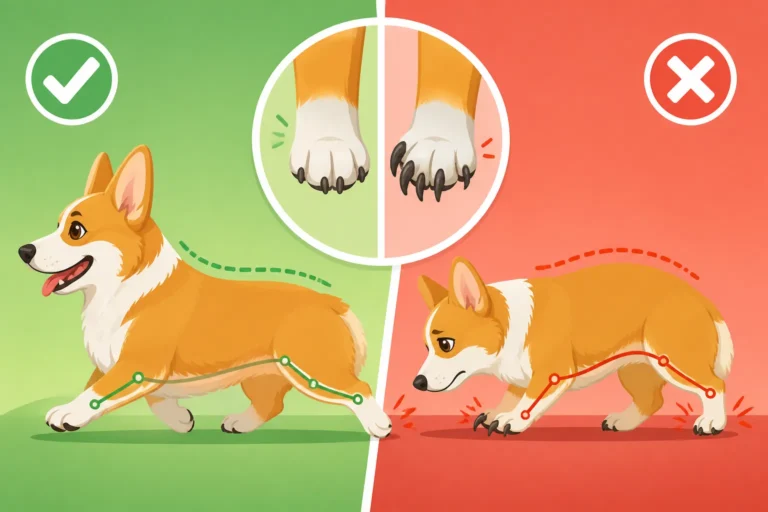
This "two weeks" is when the bulk of the old undercoat detaches, creating an almost non-stop cascade of fur. It can be frustrating, messy, and feel never-ending. This is the time when commitment to a rigorous grooming schedule truly pays off. If you don't actively remove the loose undercoat, it can become matted, especially in areas like behind the ears, on the flanks, or around the "trousers" on their hind legs. Matted undercoat not only makes your Corgi uncomfortable but can also lead to skin issues by trapping moisture and preventing proper air circulation. A good brush or comb during this time is invaluable; tools found on sites like Amazon can be a lifesaver.
Essential Tools for Managing the Shed
Effective shedding management isn't just about elbow grease; it's about having the right tools for the job. Investing in quality grooming equipment designed for double-coated breeds will make your life much easier and your Corgi much more comfortable. Don't just grab any brush; choose wisely.
Brushes and Rakes That Actually Work
For a Corgi's thick double coat, you'll need a few specialized items. First, a deshedding rake or undercoat rake is non-negotiable. These tools have long, sturdy teeth designed to penetrate through the guard hairs and gently pull out the loose undercoat without damaging the topcoat or irritating the skin. Brands like Furminator are popular, but many similar rakes work effectively. Using it in short, gentle strokes, especially during peak shedding, will yield an astonishing amount of fur.
Next, a slicker brush is excellent for removing loose hair from the topcoat and for general tidying. It also helps to smooth the coat and distribute natural oils. Finally, a pin brush can be useful for longer feathering and for simply making the coat look neat and shiny. Avoid brushes that have very sharp metal teeth, as these can scratch your Corgi's skin. Websites like Chewy offer a wide array of options for these essential grooming tools, making it easy to find what you need.
| Tool Type | Primary Function | Best For | How to Use |
|---|---|---|---|
| Undercoat Rake | Removes loose, dead undercoat without cutting guard hairs. | Dense undercoat, seasonal "coat blows". | Use in short, gentle strokes, following the direction of hair growth. Start from the head and work backwards. Avoid excessive pressure. Focus on areas with thick undercoat (back, sides, hindquarters). Be mindful of sensitive spots like elbows and hocks. This tool is your best friend during the intense shedding weeks. Regularly clean the rake of accumulated fur to maintain its effectiveness and avoid pulling your Corgi's hair. |
| Slicker Brush | Removes loose surface hair, smooths coat, detangles. | All-around grooming, minor tangles, surface shedding. | Use short, quick strokes, moving in the direction of hair growth. Can be used daily for general maintenance. Great for finishing off after using an undercoat rake to catch any remaining loose hairs and add shine. It helps to keep the outer coat neat and free of debris, which is especially helpful after a romp in the park. |
| Pin Brush | Gentle detangling, overall coat smoothing, distributes oils. | Longer feathering, general daily brushing. | Use with longer strokes, working through the coat to keep it neat and free of tangles. Good for reaching deeper into the coat without being too aggressive. Ideal for the "trousers" and chest feathering. This brush is less about removing massive amounts of undercoat and more about maintaining the overall health and appearance of the guard hairs. |
| High-Velocity Dryer | Forces out loose undercoat and debris, dries quickly. | Post-bath de-shedding, drying. | Use on a low-heat or cool setting, keeping the nozzle moving. Start with lowest power and increase as your dog tolerates. Crucial for blowing out the undercoat after a bath, significantly reducing shedding indoors. This also helps prevent hot spots by ensuring the double coat is completely dry, especially after swimming or wet weather. |
The Power of a High-Velocity Dryer
Often overlooked by home groomers, a high-velocity dryer (or "force dryer") is an absolute game-changer for Corgi owners, especially during a coat blow. These aren't like human hair dryers; they use powerful, focused airflow rather than heat to literally blast the loose undercoat out of your dog's fur. After a bath, when the hair follicles are open, this is incredibly effective.
Using a high-velocity dryer outside (or in a garage/bathtub you can easily clean) can remove an unbelievable amount of fur in a short amount of time, preventing it from ending up all over your house. It also helps to fully dry the dense undercoat, which is vital for preventing skin issues like hot spots or fungal infections. If you're serious about managing Corgi shedding, this tool, while an investment, will pay dividends in time saved and cleaner floors.
Cleaning Up the Aftermath
Let's be realistic: even with the best grooming tools, Corgi hair is going to end up everywhere. A good vacuum cleaner with strong suction and attachments for pet hair is essential. Regular vacuuming, often daily during peak shedding, will be your new normal. You might also want to invest in lint rollers, rubber brooms, or specialized pet hair removal tools for furniture and carpets. Corgi Hair Woven Into Carpet is a very real problem, so proactive cleaning is key.
Another tip is to designate a "grooming zone," ideally outdoors or in a tiled area that's easy to sweep or vacuum. That way, you're containing the worst of the fur blizzard. For car rides, consider seat covers or blankets specifically for your Corgi, which can be easily removed and washed to prevent car upholstery from becoming permanently embedded with fur.
Grooming Strategies During Peak Shed
Knowing when and what to use is only part of the equation; understanding how to implement a grooming strategy during peak shedding is where you'll see the real difference. It requires consistency and a bit of a routine, but the payoff is a happier Corgi and a cleaner home.
Daily Brushing Routines
During the intense "two weeks" of a coat blow, daily brushing isn't just recommended; it's practically mandatory. And we're not talking about a quick once-over. You'll need to dedicate a solid 15-30 minutes, working through sections of their coat. Start at the head and work your way down their body, using your undercoat rake. Gently pull the dead undercoat out in small sections. Pay particular attention to areas where mats tend to form, such as behind the ears, around the neck, the "armpits" of their front legs, and their dense hindquarters.
The goal is to remove as much loose hair as possible before it falls out in your home. Be patient, gentle, and make it a positive experience for your Corgi with treats and praise. This daily ritual also provides a great opportunity to check their skin for any unusual bumps, redness, or parasites. Consistent daily brushing during these periods will drastically reduce the amount of fur you find on your furniture and floors. For more tips on this, read Brushing a Corgi Daily Through a Shed.
Bathing for Shed Control
A good bath can work wonders during a shedding cycle, especially if followed by a thorough blow-out. The warm water and shampoo help to loosen dead hair and debris, making it easier to remove. Use a dog-specific shampoo and conditioner that are gentle and moisturizing. Lather thoroughly, getting down to the skin, and let the shampoo sit for a few minutes to really work its magic.
Rinse extremely well – residual shampoo can irritate the skin and actually lead to more shedding or hot spots. The real trick comes after the bath: towel dry your Corgi as much as possible, then use that high-velocity dryer. The force of the air will literally blow out an incredible amount of loose undercoat. If you don't have a force dryer, be prepared for a slightly messier air-dry period and follow up with a thorough brushing once they are completely dry. Getting Water Through to a Corgi's Skin is important, as their double coat can be tricky to penetrate.
Professional Grooming Considerations
Sometimes, despite your best efforts, the sheer volume of Corgi fur is overwhelming. This is where a professional groomer, especially one experienced with double-coated breeds, can be an invaluable resource. They have industrial-strength equipment, including powerful high-velocity dryers and specialized de-shedding tools, that can do in one session what might take you days or weeks at home.
A professional de-shedding treatment can significantly reduce the amount of hair your Corgi is carrying, giving you a fresh start. Many owners book these sessions just before or at the start of the peak shedding seasons (spring and fall) to get ahead of the curve. Discuss with your groomer what type of services they offer for double coats and be firm about not having your Corgi shaved, as this can permanently damage their coat, compromising its natural insulation and protection. What a Groomer Charges to Blow Out a Corgi can be a significant investment, but often worth it for the relief it provides.
Nutrition and Lifestyle for a Healthy Coat
While grooming is your frontline defense against shedding, don't underestimate the role of internal health. A well-nourished Corgi with a healthy lifestyle will naturally have a healthier coat that sheds appropriately, rather than excessively due to underlying issues.
The Role of Diet in Coat Health
What your Corgi eats directly impacts the health and strength of their hair follicles and skin. A high-quality dog food, rich in animal protein and healthy fats, is paramount. Look for ingredients like salmon oil, flaxseed, or sunflower oil, which are excellent sources of Omega-3 and Omega-6 fatty acids. These essential fatty acids are crucial for maintaining skin elasticity, reducing dryness, and promoting a shiny, healthy coat.
Some owners even add supplements like fish oil to their Corgi's diet, especially if they notice dry skin or a dull coat. Brands like Ollie focus on fresh, human-grade ingredients that can contribute to overall canine health, including coat quality. However, always consult your vet before adding any supplements to your Corgi's diet to ensure it's appropriate for their individual needs and won't interact with any existing health conditions. A poor diet can lead to dull, brittle hair that sheds more easily and frequently.
Hydration and Skin Health
Just like us, dogs need adequate hydration for healthy skin and coat. Ensure your Corgi always has access to fresh, clean water. Dehydration can lead to dry, flaky skin, which in turn can contribute to excessive shedding and discomfort. You might not always associate a full water bowl with less fur on the floor, but it's an important part of the holistic picture.
Beyond drinking water, the moisture content of their food can also contribute. Some wet foods or fresh diets contain more moisture than dry kibble, which can indirectly support skin hydration. Monitor your Corgi's water intake, especially during warmer months or after exercise, to ensure they're staying well-hydrated. Proper hydration helps cells function optimally, including those responsible for hair growth and retention.
Avoiding Common Shedding Mistakes
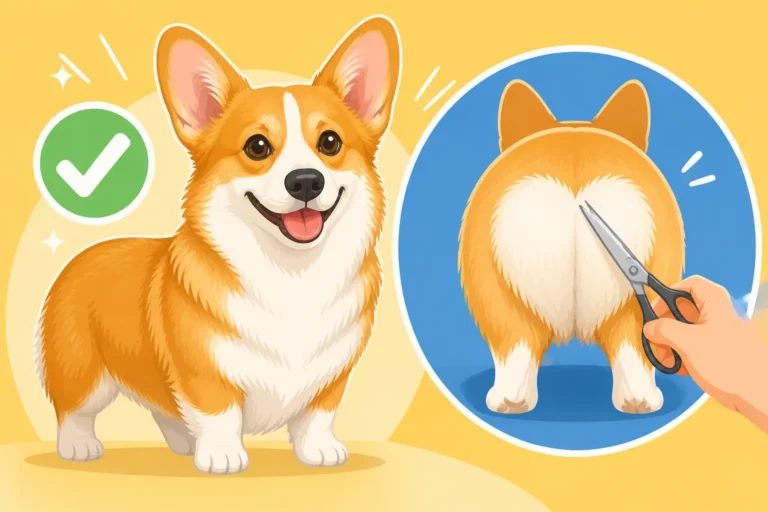
One of the biggest mistakes Corgi owners make is shaving their double-coated dog. While it might seem like a logical solution to shedding in summer, shaving a Corgi's coat actually ruins its natural insulation. The guard hairs protect against sunburn and help regulate temperature. When shaved, the undercoat can grow back incorrectly, becoming patchy, coarser, and even thicker, disrupting the natural shedding cycle and offering less protection. This can lead to future skin problems and make shedding even worse in the long run. For more, see Why a Clipped Corgi Loses Its Weather Protection.
Another mistake is using harsh brushes or brushing too aggressively, which can irritate the skin and break healthy hair. Always be gentle, especially with an undercoat rake. Lastly, ignoring shedding between seasonal blows can make the peak periods worse. Regular, consistent grooming throughout the year, even when shedding is lighter, keeps the coat in good condition, prevents mats, and makes those "two weeks" more manageable. Being proactive rather than reactive is always the best approach for C glorious, shedding coat.
Disclaimer
This article is for general informational purposes only and does not constitute professional advice. Laws, prices and regulations vary by location and change over time. Consult a qualified professional for guidance on your specific situation.