Why a Clipped Corgi Loses Its Weather Protection
It’s a common sight during those sweltering summer months: a well-meaning Corgi owner, scissors or clippers in hand, ready to "help" their furry friend beat the heat. You might think you're doing your low-rider a huge favor by shearing off that thick, fluffy coat, picturing them feeling lighter and cooler. But the truth is, clipping a Corgi's coat, especially shaving it down, can actually do more harm than good, stripping them of their natural defenses against both the sun's scorching rays and winter's biting chill. This guide will walk you through exactly why a Corgi's coat is designed the way it is, what happens when you clip it, and how to genuinely keep your beloved companion comfortable year-round.
Understanding the Corgi's Unique Double Coat
Your Corgi isn't just fluffy; they possess a marvel of natural engineering: a double coat. This isn't just a fashion statement; it's a functional, multi-layered system that has evolved over centuries to protect them in various environments. Understanding this coat is the first step to truly caring for your Corgi's comfort and well-being.
The Structure of the Corgi Coat – Guard Hairs and Undercoat
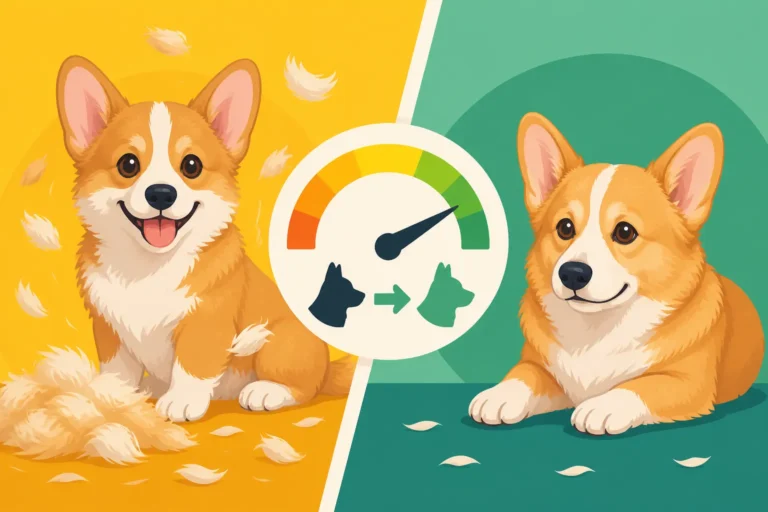
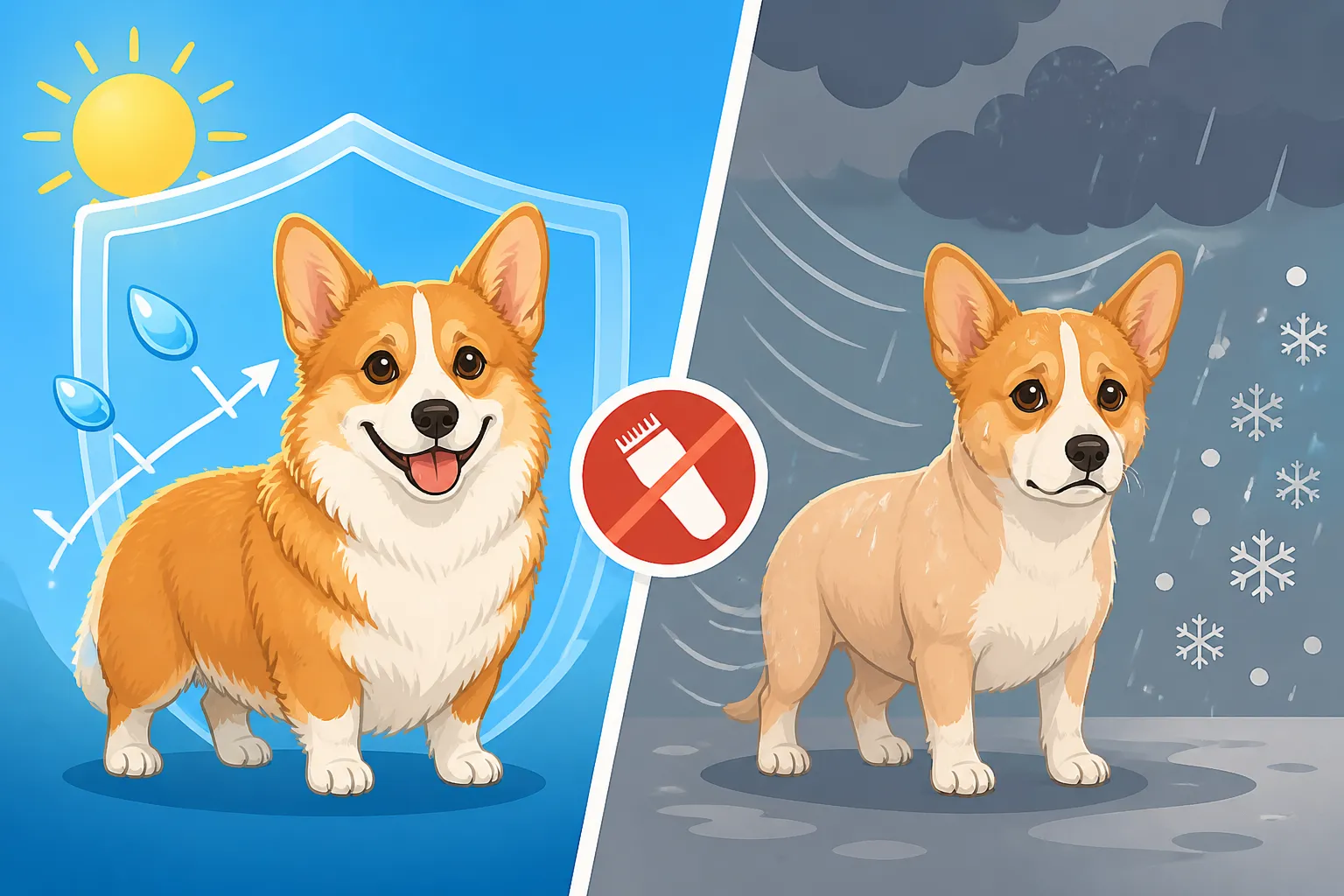
Imagine two distinct blankets woven together, each with a specific job. That's essentially your Corgi's double coat. The outer layer consists of what we call "guard hairs." These are tougher, coarser, and longer hairs that form the protective shield. They are water-resistant, helping rain and snow just roll right off, and they're also surprisingly good at deflecting dirt and UV rays. Below this lies the true magic: the undercoat. This layer is much softer, denser, and incredibly insulating. It's made up of countless fine, downy hairs that trap air close to the body, creating a thermal barrier. It's what keeps them warm in the cold, much like a down jacket, but here’s the kicker – it also helps keep them cool in the heat by preventing external heat from reaching the skin.
Think about it like this: if you were going out in a snowstorm, you wouldn't just wear a t-shirt, right? You'd layer up with a warm, fluffy sweater (the undercoat) and then a waterproof, wind-resistant jacket (the guard hairs). Your Corgi comes pre-equipped with both. Why a Corgi Sheds All Year and Not Just Twice delves deeper into how this natural system works throughout the seasons, and it's a constant cycle of shedding and regrowth to maintain this balance.
How the Double Coat Naturally Regulates Temperature
This dual-layer system is a master of thermoregulation. In colder weather, the dense undercoat traps warm air, insulating your Corgi from the chill. It's like having a built-in furnace, efficiently keeping their body temperature stable even when the mercury drops. But here's where many owners get confused about summer: the same principles apply, just in reverse. In warm weather, the coat doesn't just trap warmth; it also creates an insulating layer against external heat. The guard hairs reflect sunlight, and the slightly lofted undercoat allows for air circulation near the skin. This airflow, coupled with the dog's natural panting mechanism, helps dissipate heat and keeps their core temperature regulated.
Without this natural barrier, the sun's heat would directly hit their skin, making them hotter, not cooler. It’s like how an igloo stays cool inside even when it’s scorching outside – the thick walls (or in this case, the dense coat) create an insulating buffer. This is why you often see desert animals with surprisingly thick coats; it’s for protection from the intense sun, not just the cold desert nights.
The Importance of the Double Coat for Protection
Beyond temperature regulation, the Corgi's double coat serves several other vital protective functions. First, it acts as a physical barrier against environmental hazards. Those sturdy guard hairs protect their delicate skin from scratches, scrapes, insect bites, and allergens they might encounter while sniffing around low to the ground. If you’ve ever seen a Corgi roll through brush or tall grass, you appreciate how those guard hairs offer a shield. Grooming a Corgi That Sits Six Inches Off the Ground addresses how their low stature makes this protection even more critical.
Secondly, and often overlooked, the coat provides crucial UV protection. Just like humans, dogs can get sunburned, especially on exposed skin. Corgis, with their naturally pink skin hidden beneath that thick coat, are particularly vulnerable once their protective layer is removed. Sunburn isn't just uncomfortable; it can lead to more serious skin issues, including an increased risk of skin cancer over time. Their coat acts as a natural sunscreen, filtering out harmful rays.
The Damaging Effects of Clipping a Corgi's Coat
Given the incredible design of the Corgi's double coat, it's clear that interfering with it by clipping or shaving can have significant negative consequences. While the intention might be good, the outcome often jeopardizes their health and comfort.
Compromising Natural Insulation: Hot and Cold Weather
When you clip your Corgi's double coat, you strip away both layers – the protective guard hairs and the insulating undercoat. This immediately compromises their natural thermal regulation system. In hot weather, instead of helping them stay cool, clipping actually exposes their skin to direct sunlight and ambient heat. The sun's rays now hit their skin with full force, often making them feel hotter and putting them at a greater risk for overheating or even Heat Stroke Signs in a Corgi. It's a bit like removing the insulation from your house in summer, thinking it will cool down – in reality, it just lets more heat in.
Conversely, once that coat is gone, they also lose their natural defense against the cold. That dense undercoat that would trap warmth is no longer there. While you might not clip them in winter, the effects of a summer clip can linger, impacting their coat's ability to regrow properly and provide insulation when the colder months arrive. A compromised coat is less effective year-round, leaving them more vulnerable to the elements.
Increased Risk of Sunburn and Skin Irritation
One of the most immediate and visible risks of clipping a Corgi is severe sunburn. Their skin, accustomed to being shielded by a thick layer of fur, is often light and very sensitive. Once exposed, it can burn quickly, just like fair human skin on a sunny beach. This isn't just about discomfort; severe sunburn can cause pain, blistering, and significantly increase the risk of skin cancer later in life. Imagine how miserable your Corgi would be with a burnt back!
Beyond sunburn, removing the coat leaves their skin vulnerable to other irritants. Allergens, grass, chemicals, and even insect bites can now reach the skin much more easily, potentially leading to rashes, itching, and infections. That natural barrier is gone, making them more susceptible to whatever their low-riding bodies encounter. Owners often report their Corgis developing unexplained skin issues after a clip, and this increased exposure is a major culprit.
Altering Hair Growth and Texture Permanently
This is perhaps one of the most disheartening long-term effects of clipping. A Corgi's coat is designed to grow to a specific length and texture, with guard hairs and undercoat growing in harmony. When you clip it, especially shave it, you disrupt this natural growth cycle. Often, the undercoat grows back faster and thicker than the guard hairs, leading to what groomers call "coat blow" or "clipper alopecia." The guard hairs, which are slower to regenerate, may not grow back to their original length, texture, or even color.
This results in a coat that is soft, woolly, and uneven, rather than the coarse, protective outer layer and dense inner layer. This altered coat is less effective at temperature regulation, less water-resistant, and prone to matting because the soft undercoat dominates. It can take years, if ever, for the coat to fully recover its original integrity, and sometimes, it never does. This is why most professional groomers experienced with double-coated breeds will strongly advise against clipping unless medically necessary.
Debunking Myths: Why Clipping Doesn't "Cool" Your Corgi
The desire to clip a Corgi often comes from a place of love, fueled by persistent myths that shaving a dog will make them cooler. It’s an understandable misconception, especially when we humans shave our heads to feel cooler, but a dog’s physiology, particularly a double-coated breed like a Corgi, is fundamentally different.
The Misconception of Shaving for Summer Relief
Many owners equate a Corgi's thick coat with wearing a heavy winter jacket in summer. They assume that by removing the coat, they are taking off that jacket and immediately providing relief. However, this analogy doesn't hold true for double-coated dogs. As we discussed, the double coat isn't just for warmth; it's a dynamic climate control system. It provides an air-conditioned buffer against external heat and allows for natural air circulation. When you shave it off, you're not removing a blanket; you're removing their entire thermoregulation system, leaving them vulnerable to the elements.
This misconception is deeply ingrained, and it’s hard for many to believe that more fur can actually be better in the heat. But think of a camel in the desert – thick fur helps protect it from the intense sun. Or people in certain hot climates who wear loose, flowing robes. It’s about creating a barrier and allowing air movement, not stripping down to bare skin. Whether a Corgi's Coat Helps in Summer provides more detailed insights into this very point.
How Clipping Can Actually Make Your Corgi Hotter
Without the protective layer of guard hairs to reflect sunlight, and without the airy undercoat providing insulation from ambient heat, a clipped Corgi's skin is directly exposed to the sun's infrared rays. This direct exposure leads to faster absorption of heat, making their skin hotter and causing their body temperature to rise more quickly. It's like stepping outside without a hat on a sunny day – your scalp gets hot fast!
Furthermore, the act of panting is a dog's primary cooling mechanism, not sweating through their skin like humans. The coat facilitates the transfer of heat away from the skin as air circulates through it, helping the panting process be more efficient. When the coat is clipped, this natural airflow dynamic is disrupted, and the exposed skin simply absorbs more heat, making the dog work harder to cool down. In essence, you might have inadvertently given your Corgi a heavier burden in managing their body temperature.
Long-Term Consequences and Regrowth Issues
Beyond the immediate risks of sunburn and overheating, clipping a Corgi can lead to lasting problems with their coat. The term "clipper alopecia" isn't just a fancy phrase; it describes a real condition where the clipped coat regrows incorrectly, becoming patchy, sparse, or even failing to grow back in certain areas. This is especially true for older Corgis or those with underlying health conditions, where the regrowth can be even more unpredictable. What Changes in a Corgi's Care After Ten suggests that an older Corgi's system might be less robust for such a drastic change.
The texture can also change permanently, becoming dull, brittle, or cottony, which then becomes more prone to matting. A matted coat is not only uncomfortable but further hinders proper air circulation and skin health. This means future grooming becomes more challenging, requiring even more specialized care to manage the compromised coat. What was intended as a quick fix can turn into years of frustrating coat management.
Healthy Alternatives to Clipping for Corgi Comfort
Instead of reaching for the clippers, which can cause more problems than they solve, focus on proper, consistent grooming and environmental management. These are the tried-and-true methods that truly keep your Corgi comfortable and their double coat healthy, allowing it to do its job.
Proper Grooming Techniques for a Healthy Coat
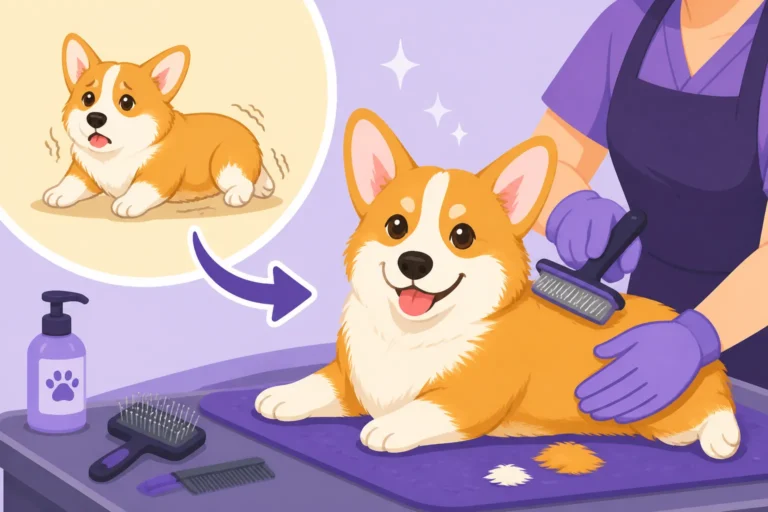
The best way to help your Corgi stay cool in summer and warm in winter is through regular, thorough grooming, not clipping. This means brushing, brushing, and more brushing! Especially during heavy shedding seasons, you need to dedicate time to remove the loose, dead undercoat. This dead hair, if left in the coat, is what truly traps heat and prevents proper air circulation. Removing it allows the healthy guard hairs to breathe and the skin to feel the benefits of air movement.
Invest in the right tools, like a good undercoat rake and a slicker brush. The Rake and Comb a Corgi Coat Actually Needs is a great resource for this. Aim for daily brushing during peak shedding and a few times a week during calmer periods. This not only keeps their coat healthy and functional but also minimizes the infamous "Corgi glitter" around your home. Regular professional de-shedding treatments at a reputable groomer can also be a godsend, as they use high-velocity dryers to blast out loose undercoat without cutting any hair. Blowing a Corgi Coat Out With a Dryer explains this process beautifully.
| Feature | Clipped/Shaved Coat | Properly Groomed Double Coat |
|---|---|---|
| Insulation | Severely compromised; loses ability to regulate temperature | Excellent natural insulation against heat and cold |
| Sun Protection | Minimal to none; high risk of sunburn | Natural barrier against harmful UV rays |
| Skin Protection | Exposed to irritants, allergens, insect bites | Physical barrier against environmental hazards |
| Water Resistance | Reduced; coat may absorb more water | Guard hairs repel water, keeping skin drier |
| Regrowth | Often uneven, patchy, or changed in texture (clipper alopecia) | Maintains natural texture, density, and healthy growth cycle |
| Comfort | Can lead to overheating, skin issues, and discomfort | Optimized for natural comfort and thermoregulation |
| Maintenance | Requires careful re-grooming; potential long-term issues | Regular brushing and de-shedding maintains health |
Environmental Management to Keep Your Corgi Cool
While proper grooming is essential, managing your Corgi's environment plays an equally critical role in keeping them comfortable, especially in warmer climates.
- Shade and Water: Always ensure your Corgi has access to ample shade when outdoors, whether it's a tree, an umbrella, or a covered patio. Fresh, cool water should be available at all times. Consider adding ice cubes to their bowl or using a pet fountain to encourage drinking.
- Indoor Cooling: During hot spells, keep your Corgi indoors in an air-conditioned space. If you don't have AC, use fans, cooling mats, or even frozen towels for them to lie on.
- Timing Walks: Adjust your exercise schedule. Walk your Corgi during the coolest parts of the day – early morning and late evening – to avoid the intense midday heat. Remember that asphalt and pavement can get incredibly hot, burning their paw pads. Whether a Corgi Should Walk on Hot Pavement is a must-read for hot weather safety.
- Cooling Gear: Some Corgis benefit from cooling vests or bandanas that you can wet down, but always monitor to ensure it doesn't just trap heat. These are usually designed to facilitate evaporative cooling.
- Car Safety: Never leave your Corgi in a parked car, even for "just a minute," as temperatures can rise to dangerous levels very quickly.
Supporting Coat Health Through Nutrition and Care
A healthy coat starts from within. What you feed your Corgi directly impacts the health and integrity of their skin and fur. A high-quality diet rich in essential fatty acids (like Omega-3 and Omega-6) can promote a lustrous coat and reduce excessive shedding by keeping hair follicles strong. Many premium dog food brands, including those found on platforms like Chewy or specialty stores, formulate their foods to support skin and coat health. Even fresh, human-grade food options like those offered by Ollie can make a noticeable difference in coat quality for some dogs, providing nutrients in their most bioavailable form.
Beyond diet, regular bathing (but not too frequent, as it can strip natural oils) with a gentle, dog-specific shampoo and thorough drying is important. Cleaning a Corgi Belly After a Wet Walk is practical advice, especially given their low ride. For sensitive skin, always choose hypoallergenic products. Supplements like fish oil or coconut oil can also contribute to coat sheen and skin hydration, but always consult your vet before adding any supplements to your Corgi's regimen. Remember, a well-nourished Corgi is a Corgi with a healthy, protective coat.
Clipping your Corgi might seem like a quick fix for shedding or summer heat, but it’s a practice that undermines their natural defenses and can lead to long-term coat and skin problems. Embracing their double coat with proper grooming, environmental management, and a healthy diet is the most loving and effective way to ensure your Corgi lives a comfortable, protected, and happy life, no matter the season.
Disclaimer
This article is for general informational purposes only and does not constitute professional advice. Laws, prices and regulations vary by location and change over time. Consult a qualified professional for guidance on your specific situation.