The Corgi Ear Shape the Standard Calls For
It's easy to fall in love with a Corgi's expressive face, and a huge part of that charm comes from those wonderfully alert, upright ears! But for many of us, the actual specifics of what makes a Corgi ear "standard" can be a bit of a mystery. This guide will dive deep into what the breed standard truly calls for regarding Corgi ear shape, why these details matter, and what they mean for your beloved companion.
Understanding the Pembroke Welsh Corgi Ear Standard
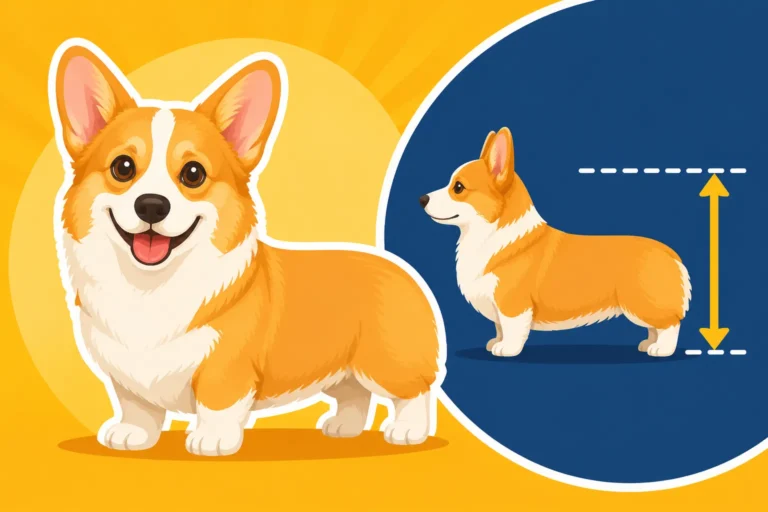
When we talk about Corgi ears, most people immediately picture the Pembroke Welsh Corgi – and for good reason. Their ears are one of their most distinctive features, contributing significantly to that foxy, intelligent, and sometimes mischievous expression we adore. The official breed standard is quite precise about what constitutes the ideal Pembroke ear. It's not just about them being "upright"; there's a whole lot more nuance to it.
The standard typically describes the Pembroke's ears as medium in size, tapering to a slightly rounded tip. They should be set fairly high on the head, but not so high that they appear "prick-eared" or overly large for the dog's overall head proportion. When you look at your Corgi head-on, the inner line of the ear, when extended, should ideally pass just slightly through the outside corner of the eye. This specific placement is crucial because it gives the dog that broad, alert, and watchful expression, ready to take in everything happening around them. A good breeder will pay close attention to this, as it speaks to the overall balance of the head and the dog's intended function. You can find more detail on this in resources like The AKC Pembroke Welsh Corgi Standard.
Upright and Alert Posture
The most defining characteristic of the Pembroke's ears is their upright posture. These aren't floppy ears, nor are they semi-prick like some terrier breeds. They stand erect, almost as if your Corgi is constantly tuned into the world, listening for distant sheep or, more likely in a modern home, the rustle of a treat bag. This alert posture is a direct link back to their heritage as herding dogs, needing to be aware of their surroundings at all times.
Beyond just standing up, the way they are carried contributes to the Corgi's overall demeanor. They should be mobile, swiveling independently to catch sounds, expressing curiosity, happiness, or even mild concern. A Corgi whose ears are always rigidly forward or completely laid back might not be conforming to the ideal expressive quality described in the standard. This isn't just cosmetic; it speaks to the dog's ability to communicate and respond to its environment, something important for a working breed. The overall presentation, including The Corgi Head and Ear Set, is key.
Size and Set Considerations
While "medium" sounds subjective, experienced Corgi enthusiasts and judges have a clear idea. Ears that are too large can make the head look disproportionate and somewhat bat-like, losing that foxy charm. Conversely, ears that are too small can give the Corgi a less characteristic or even "ratty" appearance. It's all about balance with the head and body.
The setting of the ears—how they are placed on the skull—is equally vital. If the ears are set too low, they can make the head appear wider and less refined, sometimes leading to a "heavy" look. If they're set too high or too close together, it can narrow the appearance of the skull and make the dog look startled or overly intense. The goal is that harmonious placement that frames the face perfectly, giving the Corgi its signature expression of intelligent curiosity. This isn't just about looks; a well-set ear on a properly structured skull contributes to the dog's overall functionality and health, allowing for proper air flow and sound reception.
The Cardigan's Distinctive Ear Characteristics
Now, if you're a Cardigan Welsh Corgi owner, you know that while they share the "Corgi" name, they are a distinct breed with their own set of standards, and their ears are a prime example of this difference. Cardigans often boast ears that are noticeably larger and more rounded than their Pembroke cousins, contributing to a slightly different, though equally endearing, expression.
The Cardigan standard describes the ears as being moderately large, broad at the base, and tapering to a rounded point. They are also held erect, but the overall impression is one of greater breadth and a more pronounced curve, rather than the sharper point seen in some Pembrokes. This gives the Cardigan a slightly more "alert and attentive" look, sometimes described as reminiscent of a fox, but with a more substantial feel. The goal here is still balance with the head, but with a different emphasis on size and shape. If you're comparing the two, you'll immediately see the difference; it's subtle but significant. It’s part of what makes them, well, Cardigans!
Broader and More Rounded
The breadth of the Cardigan's ear at its base is a key distinguishing feature. While Pembroke ears are also broad at the base, the Cardigan's can appear even more so, contributing to that sense of robust charm. The rounding at the tip is also more pronounced, giving them a softer, less pointed silhouette. Imagine tracing the outline of a Cardigan's ear – you'd find a gentler curve all the way to the top.
This broader, rounder shape, combined with their slightly larger size, gives the Cardigan a somewhat different facial aesthetic. It contributes to their often more serious or thoughtful expression, compared to the Pembroke's often impish grin. For a breed that dates back centuries, these subtle differences in physical characteristics reflect their unique lineage and development as a separate herding dog, truly embodying Why a Cardigan's Ears Are Rounder.
The Significance of Ear Set in Cardigans
Similar to the Pembroke, the set of the Cardigan's ears on the head is vital for the breed standard. They should be set fairly wide apart, with a slight tilt outwards, giving a wide-awake and attentive appearance. This wide placement contributes to the broad look of the Cardigan's skull. It should also be noted that, like the Pembroke, they should not be set too low or too high.
The specific "wide apart" and "slightly tilted outwards" aspect is what truly frames the Cardigan's face and gives it that distinctive intelligent and watchful look. It allows for a more open facial expression and is integral to the breed's overall structural balance. When considering the ideal Cardigan, every detail from the ear set to The Corgi Body the Standard Describes is carefully considered to ensure it aligns with the breed's historical function and aesthetic.
Beyond the Standard: Practicality and Health
While breed standards focus on aesthetics and historical function, as pet owners, we're equally—if not more—concerned with the practicality and health aspects of our Corgi's ears. A deviation from the "perfect" ear shape usually doesn't impact a Corgi's ability to be a wonderful companion, but understanding ear anatomy and proper care is crucial for their well-being.
Upright ears generally offer some advantages in terms of hygiene and air circulation. Unlike dogs with long, floppy ears that can trap moisture and debris, Corgis' ears allow for better airflow, which can help reduce the risk of yeast and bacterial infections. However, this doesn't mean Corgi ears are maintenance-free. Their open nature also means they can be more susceptible to collecting dirt, pollen, or even small burrs, especially given their low-to-the-ground lifestyle. Regular checks are always a good idea to keep them healthy.
The Function of Upright Ears
The upright nature of a Corgi's ears isn't just for looks; it’s a functional trait. These ears are incredibly efficient at funneling sound, helping Corgis locate their charges (whether cattle or family members) and detect potential threats from afar. This keen sense of hearing is a hallmark of herding breeds. From a health perspective, as mentioned, this ear type generally receives good ventilation.
Good air circulation helps prevent a warm, moist environment inside the ear canal that bacteria and yeast absolutely love. For many owners, this means fewer ear infections compared to breeds with heavy, pendulous ears. However, this doesn't make them immune. Allergies, swimming, or just natural wax buildup can still lead to issues. It's why consistent cleaning and monitoring are still important, ensuring Whether a Corgi's Upright Ears Stay Clean for optimal health.
Puppy Ears and Developmental Stages
One of the most common questions Corgi puppy owners have is about their ears. It's not uncommon for a Corgi puppy's ears to be floppy for several weeks, or even to stand up only partially, giving them a comical "bat-eared" or "one up, one down" look. This is completely normal! Most Corgi ears will start to stand erect between 8 weeks and 6 months of age, usually correlating with their teething phase when calcium is being redirected to tooth development.
Sometimes, one ear might stand before the other, or they might flop down again temporarily during intense teething. It's a rite of passage for many Corgi owners. If your puppy's ears haven't stood by around 6-7 months, it's less likely they will without intervention, though for a pet Corgi, it's purely a cosmetic concern. A balanced diet and good general health, like managing The Body Condition Score a Corgi Should Hold, are key during this growth phase. Always consult your vet if you have concerns about structural development or puppy health.
Common Ear Variations and What They Might Mean
While the breed standard describes the ideal, Corgis, like all dogs, can exhibit variations in ear shape and set. These variations are often just cosmetic quirks that add to your dog's individual charm, especially if they are not destined for the show ring. However, understanding them can sometimes provide insights into lineage or simply help you appreciate your dog's unique traits.
Some Corgis might have ears that are slightly too large or too small for the standard, or perhaps set a little too wide or too close. These aren't usually health concerns but are simply deviations from the aesthetic ideal. For the average pet owner, these variations simply make your Corgi one-of-a-kind. However, some variations, like fully dropped ears, might indicate a mixed heritage if your dog was represented as a purebred.
Rose Ears, Drop Ears, and Hooded Ears
Occasionally, you might see a Corgi with ears that don't stand fully erect. These can be described in a few ways:
- Rose Ears: Similar to a Greyhound's, where the ear folds backward, revealing part of the burr. This is very rare in Corgis and would be a significant deviation.
- Drop Ears (or Hound Ears): The ears are entirely floppy and lie flat against the side of the head. This is almost never seen in purebred Corgis and would strongly suggest mixed ancestry.
- Hooded Ears: The ears stand up, but the tips curl slightly inwards or forwards, giving a somewhat "hooded" appearance. This is a subtle variation and might be seen in purebred lines but is not ideal for the show ring.
For a pet Corgi, unless these ear types cause a health issue (like constantly covering the ear canal and trapping moisture, which is more common in truly pendulous ears), they are generally nothing to worry about. They are simply part of your dog's individuality. When it comes to finding practical solutions for daily care, online retailers like Chewy offer a wide range of ear-cleaning products suitable for all ear types, regardless of whether they conform to the standard.
Health Implications of Non-Standard Ears
For the most part, a Corgi's non-standard ear shape doesn't inherently lead to health problems. A slightly larger or smaller ear, or one that's set a bit off, rarely impacts their hearing or increases infection risk. The biggest "health implication" of a non-standard ear is typically for show dogs, where it would be considered a fault.
However, if a Corgi had fully dropped ears (which, again, is highly unusual for a purebred), this could potentially create a slightly warmer, less aerated ear canal environment, making them marginally more prone to ear infections. Even then, Corgi ears are typically not as heavy or thick as those of traditional floppy-eared breeds, so the risk would still be relatively low. The main health concerns for Corgi ears typically stem from allergies, wax buildup, or trauma, rather than their shape. Regular checks are your best defense, regardless of ear conformation. If you notice any signs of irritation or infection, it's always best to consult your vet.
Caring for Those Adorable Corgi Ears
No matter if your Corgi's ears are perfectly "standard" or have their own unique flair, proper care is essential. Their ears are surprisingly delicate, and even though they stand up, they still need attention to stay clean and healthy. Think of it as part of their regular grooming routine, just like caring for Itchy Skin Under a Corgi's Undercoat or their magnificent double coat.
It’s not just about cleaning, either. Regular inspection helps you catch any potential issues early, whether it's a minor irritation or something more serious. A healthy Corgi is a happy Corgi, and healthy ears are a big part of that!
Routine Cleaning and Inspection
Incorporating ear checks into your weekly grooming routine is a smart move. Simply lift the ear flap and visually inspect the ear canal. What are you looking for?
- Cleanliness: Is there any visible dirt, excess wax, or discharge? A little light brown wax is normal, but dark brown, yellow, or green discharge is a red flag.
- Odor: Give a sniff. Healthy ears should have very little odor. A strong, yeasty, or foul smell often indicates an infection.
- Redness/Swelling: The skin inside the ear should be a healthy pink. Redness, swelling, or crusting means irritation.
- Foreign Objects: Check for grass seeds, burrs, or ticks, especially if your Corgi has been romping in tall grass.
If you notice a bit of dirt or excess wax, you can gently clean the outer folds of the ear with a soft cloth or cotton ball dampened with a vet-approved ear cleaning solution. Never use cotton swabs inside the ear canal, as this can push debris further in or damage the delicate structures. You can find excellent, gentle ear cleaning solutions and wipes at places like Chewy. If your Corgi's ears are consistently dirty, smelly, or inflamed, it's time for a vet visit, not just a cleaning. They can tell you whether a Corgi needs its ears washed weekly or more often.
Protecting Ears from the Elements
Because Corgi ears are upright and open, they are more exposed to the elements than a floppy-eared dog's. While this is generally a good thing for air circulation, it also means a few considerations:
- Sunburn: For Corgis with very little hair on the inside of their ear flaps, particularly those with light pigmentation, sunburn can be a concern during prolonged sun exposure. This is more common in breeds with very thin, bare ears, but it's something to be mindful of.
- Cold/Frostbite: Similarly, in extremely cold weather, ear tips can be susceptible to frostbite. Again, Corgis aren't typically as vulnerable as some breeds, but severe conditions warrant caution.
- Debris: As mentioned, their low stature means they often brush through grass and undergrowth. A quick check after outdoor adventures can prevent uncomfortable irritations from burrs or grass seeds.
- Water: If your Corgi loves to swim or gets very wet during a bath, ensure their ears dry thoroughly to prevent moisture from becoming trapped in the canal, which could lead to infection.
Taking these small preventative steps can go a long way in keeping your Corgi's ears in top condition, ensuring they remain those charming, alert beacons we love.
Comparing Ear Characteristics: Pembroke vs. Cardigan
To help you visualize the subtle but important differences in ear characteristics between the two Corgi breeds, here's a quick comparison:
| Feature | Pembroke Welsh Corgi | Cardigan Welsh Corgi |
|---|---|---|
| Shape | Medium, tapering to a slightly rounded tip | Moderately large, broad at the base, rounded tip |
| Size | Medium, proportionate to head | Larger and broader than Pembroke, proportionate to head |
| Set | Fairly high, inner line aligns with outside corner of eye | Fairly wide apart, slightly tilted outwards |
| Posture | Erect and mobile | Erect and mobile |
| Expression | Foxy, intelligent, sometimes mischievous | Attentive, alert, thoughtful, often more serious |
Disclaimer
This article is for general informational purposes only and does not constitute professional advice. Laws, prices and regulations vary by location and change over time. Consult a qualified professional for guidance on your specific situation.