Other Welsh Stories About Corgis
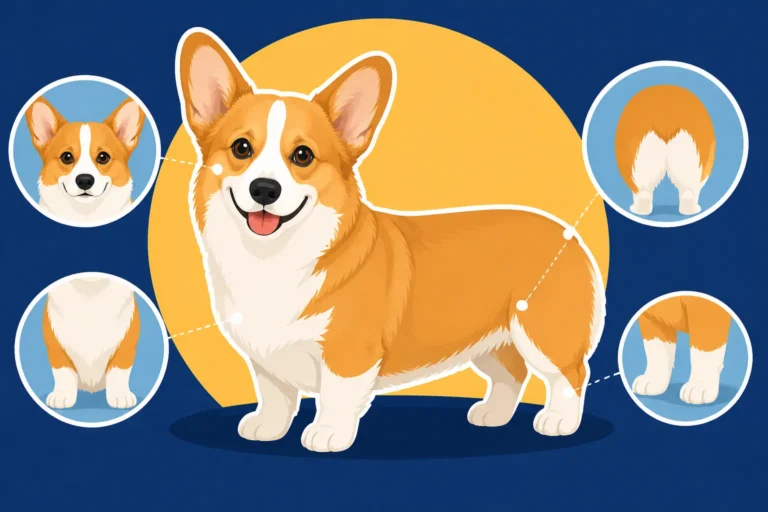
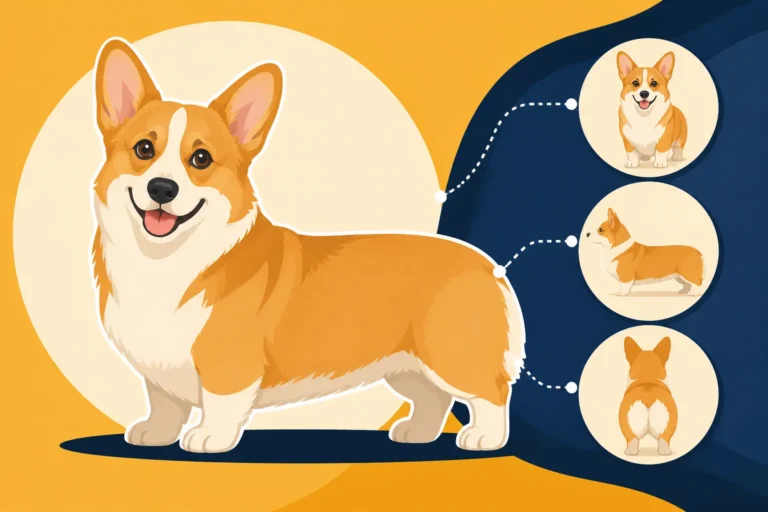
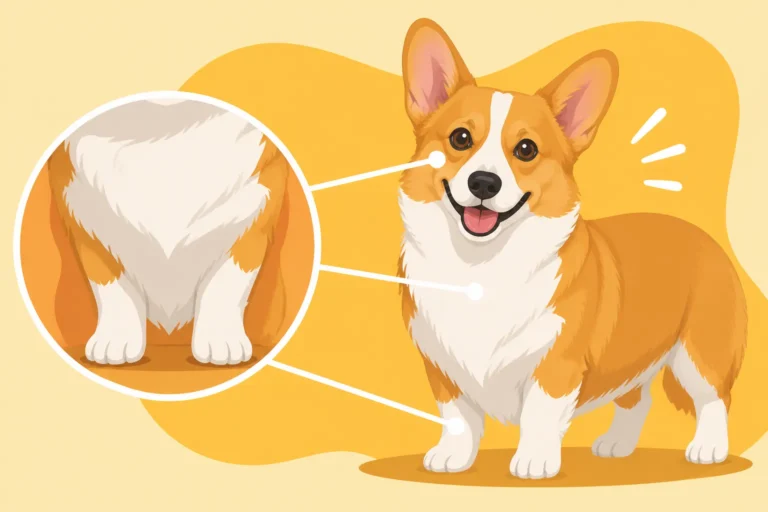
So, you know about the Corgi's famous "fairy saddle" — that charming stripe across their shoulders that legends say marks them as steeds for tiny, magical folk. It’s a lovely story, a classic piece of Corgi lore, and it speaks to their enchanting presence. But if you think that's the only magical tale or historical tidbit connected to these wonderful dogs from Wales, you'd be missing out on a much richer tapestry of folklore and practical history. Many Corgi owners, myself included, sometimes forget that beneath the adorable fluff and sassy bark, there's a deep, storied past. This guide is all about digging into those other, equally captivating, Welsh stories that explain why our Corgis are truly special.
Beyond the Fairy Saddle: The Corgi's Role in Welsh Mysticism
While the fairy saddle is the most widely known legend, Welsh folklore is brimming with other hints of the Corgi's supernatural connections. These aren't just cute tales; they're reflections of how deeply these dogs were integrated into the spiritual and everyday lives of the Welsh people, seen as much more than just working animals.
The Corgi as a "Gift from the Fairies" – More Than Just a Saddle
Imagine a world where the veil between the ordinary and the magical was thin. In such a place, a dog as unique and clever as the Corgi wouldn't just be an animal; it would be a divine messenger or a special gift. Many of these older Welsh stories describe Corgis not merely as mounts for fairies, but as companions given by the Y Tylwyth Teg – the Welsh fairies – to deserving humans. It's said that these fairy-gifted Corgis would sometimes lead lost travelers back to their villages, or guide children home through thick fog or treacherous paths.
This idea highlights the Corgi’s innate intelligence and their watchful, almost intuitive nature. If you’ve ever felt like your Corgi just knows what you're thinking, or seems to anticipate your needs, you're tapping into this ancient belief. They weren't just pets; they were seen as beings with a foot in both worlds, capable of understanding more than their barks let on. The markings on their coats, like the "saddle," or sometimes even "bridle marks" on their faces, weren't just decorative; they were physical proof of their otherworldly origins. It's a charming thought to consider when your Corgi nudges your hand, almost as if imparting some ancient wisdom. Where the Corgi Fairy Saddle Legend Comes From
Guardians of the Home and Hearth – A Different Kind of Magic
Beyond guiding lost souls, Corgis were also often believed to be protectors, particularly of the home and family, guarding against more mischievous or even malevolent supernatural entities. In a land steeped in folklore, where sprites and tricksters might try to cause trouble, a Corgi was considered a potent deterrent. Their alert nature, often accompanied by their characteristic, surprisingly loud bark, wasn't just useful for herding cattle or announcing visitors; it was thought to keep unwelcome magical guests at bay.
Think about how your Corgi barks at the rustle of leaves or the squirrel on the fence. Now imagine that sound echoing in a quiet, isolated Welsh cottage centuries ago. That bark wasn't just noise; it was a warning, a declaration that the household was protected. This belief offered a profound sense of security to the inhabitants, especially those in rural areas. The Corgi became an integral part of the emotional and spiritual well-being of the family, a furry sentinel safeguarding not just physical property, but also the intangible peace of the home. This deep-seated protective instinct, which many Corgi owners recognize today, is a direct echo of their historical role as guardians, be it against rogue cattle or shadowy figures from the local legends. Corgi Barking and How Much Is Normal
The Practical Legends: Corgis in Daily Welsh Life
While the mystical tales are enchanting, the Corgi's legend is equally rooted in their indispensable, pragmatic contributions to Welsh farm life. These were dogs born of necessity, bred for specific, demanding tasks that shaped their bodies, minds, and enduring spirit. They weren't just cute faces; they were vital members of the working family.
The Drover's Companion – Working the Fields and Roads
Long before they graced royal palaces or Instagram feeds, Corgis were the ultimate cattle dogs of Wales. Their job was tough: driving livestock, often large, stubborn cattle, across vast distances to markets. This wasn't just a casual stroll; it involved long, arduous journeys, sometimes over many days and miles. The Corgi's unique build, specifically their short legs, was their greatest asset in this demanding role. They could dart in and nip at the heels of cattle, effectively moving them along, all while staying low enough to avoid being kicked by powerful hooves. How a Corgi Moved Cattle Without Being Kicked This brilliant adaptation meant they were invaluable to drovers, who depended on them for their livelihood.
These journeys weren't always straightforward. Drovers and their Corgis faced challenges like rough terrain, changing weather, and often, other animals. A Corgi on such a drive had to be incredibly intelligent, intuitive, and brave. They learned complex routes, understood their drover's commands implicitly, and developed an unwavering loyalty that made them truly inseparable partners. It’s this history that explains why your Corgi, even today, might try to "herd" your family members, or why they possess such an independent, problem-solving mind. They weren't just following orders; they were making critical decisions on the fly to keep the herd moving safely. What a Welsh Corgi Did on a Farm All Day
The Farmhand's Helper – Beyond Just Herding
While herding was their primary claim to fame, the Corgi's versatility on a Welsh farm extended far beyond just managing livestock. They were true all-round farmhands, capable of taking on a multitude of tasks that eased the daily burden on their human families. This diverse skill set solidified their place as indispensable members of the household.
For instance, Corgis were excellent at pest control. Their keen senses and agile bodies made them adept at rooting out rats and mice that threatened grain stores or spread disease. A Corgi patrolling the barn was a silent, efficient deterrent against unwelcome rodents, saving valuable crops and maintaining a healthier environment. They also acted as early warning systems. Their sharp hearing and vigilant nature meant they would alert farmers to any approaching strangers, whether human or animal, long before they reached the farmhouse. In a time without modern security systems, a Corgi's bark was a reliable alarm. Whether Corgis Were Ever Guard Dogs Moreover, they often took on the unofficial role of child-minder. Their protective instincts, combined with their sturdy yet gentle demeanor, made them ideal companions for children playing around the farm. They'd keep a watchful eye, nudging a straying toddler back to safety or simply offering a comforting, stable presence. This multifaceted contribution to farm life shows just how deeply embedded Corgis were in the fabric of Welsh rural communities, earning their keep in countless ways beyond the fields. You can see hints of this in how your Corgi monitors your household or even supervises you as you go about your day. Many great Corgi products from places like Chewy are designed with their active, engaged nature in mind, whether it's puzzle toys to keep their clever minds busy or durable leashes for their daily patrols.
The Corgi's Enduring Spirit in Welsh Culture
The stories, both mystical and practical, didn't just fade away; they became woven into the very identity of the Corgi and, by extension, into Welsh culture itself. These tales underscore the unique spirit of the breed, a blend of ancient wisdom and steadfast loyalty that resonates deeply with Corgi enthusiasts around the world.
Storytelling and Symbolism – Passing Down the Corgi Legacy
Every culture has its iconic animals, and in Wales, the Corgi stands tall, not just as a dog, but as a living symbol. The tales of their fairy connections and their tireless work ethic cemented their legendary status. They became symbols of resilience, mirroring the tenacious spirit of the Welsh people themselves, who often faced challenging landscapes and demanding livelihoods. The Corgi's quick wit, their undeniable charm, and their steadfast loyalty in these stories all contributed to an image of a dog that was more than just flesh and blood – a creature imbued with a special, almost magical, essence.
These narratives were often passed down through generations around hearths on cold Welsh evenings. Grandparents would tell children about the dog who brought blessings from the fairies or the brave little herder who protected the family's cattle. This constant reinforcement ensured that the Corgi's distinct personality and importance were never forgotten. Even now, when you see a Corgi's intelligent gaze or watch them confidently navigate their world, you can almost hear the echoes of these ancient tales, reminding you of the profound heritage they carry. It's a powerful connection to the past, reminding us that our beloved pets are part of a much larger, captivating story.
Modern Reflections of Ancient Tales
It's truly remarkable how, even in our modern homes, we still see flashes of these ancient roles and characteristics in our Corgis. That intense stare they give you when you're eating, the way they patrol the house, or their determined efforts to 'manage' you and your routine – these aren't just random quirks. They are direct echoes of their deep-seated history. The Corgi's territorial nature, which can sometimes manifest as a vigilant alarm bark or a tendency to "supervise" family activities, is a reflection of their guarding instincts from centuries past.
Their intelligence, often perceived as "stubbornness" or "sass," isn't them being difficult; it's the independent, problem-solving mind of a drover's dog. They were bred to make decisions and direct large animals, not just blindly follow orders. So, when your Corgi seems to be debating whether or not to obey a command, they might just be applying that ancient problem-solving brain. Even when we're browsing for the best dental chews on Chewy to keep their teeth healthy, we're engaging with a creature whose very essence is steeped in a lineage of both mystical wonder and practical, hardworking ingenuity. Understanding these historical roots can even help us interpret their modern behaviors with more empathy and humor. Training a Corgi That Makes Its Own Decisions
The Heart of the Corgi: Bridging Past and Present
For us Corgi owners, understanding these historical narratives and cultural connections does more than just fill our heads with fun facts; it enriches our relationship with our dogs. It provides context for their unique personalities and helps us appreciate the depth of their heritage.
Understanding Their Quirks Through History
Have you ever wondered why your Corgi is so vocal, not just barking, but grumbling, "talking back," and offering a whole range of expressive sounds? Or why they seem to think they're the boss of everyone and everything in the house? When you look back at their history, these "quirks" suddenly make perfect sense. Their vocalizations are part of their ancestral role as alert guardians and enthusiastic herders. They needed to communicate effectively, whether to their drover or to the cattle. Why an Independent Corgi Ignores You Similarly, their strong-willed, independent nature isn't defiance; it's the inherited trait of a dog that often had to make split-second decisions in the field without direct human command.
Knowing these stories helps us frame our Corgis' behaviors not as frustrating habits, but as echoes of their deeply ingrained past. That bossy little attitude? It's the spirit of a cattle dog, expertly managing a herd. That surprising agility despite their short legs? It's the swiftness needed to avoid a cow's kick. It truly shifts your perspective, making you appreciate their cleverness and resilience all the more. When you find your Corgi staring intently at something outside, consider that they might just be channeling their inner ancient protector, keeping watch over their domain.
Honoring the Heritage of Your Corgi
Appreciating the Corgi's rich Welsh heritage means recognizing them as the intelligent, active working dogs they truly are, even if their "herd" now consists of family members or sofa cushions. It's about providing outlets for their innate instincts and respecting the depth of their character. This doesn't mean you need to buy a flock of sheep, of course! But it does mean engaging their minds and bodies in ways that resonate with their historical roles.
Consider activities like scent work, puzzle toys, or even structured obedience that challenges their intelligence. Ensuring they have a healthy weight is another way to honor their working past, protecting their unique long backs for as long as possible. The Corgi Years When the Back End Gives Out Many Corgi owners, myself included, invest in high-quality food, like those available at Chewy, to support their robust health. Understanding their heritage allows us to see beyond the cute façade and truly connect with the powerful, intelligent, and loyal spirit of the Corgi – a spirit that has been shaped by centuries of myth, magic, and hard work in the heart of Wales.
Here's a quick look at some Corgi traits and their historical or folklore roots:
| Corgi Trait | Folklore/Historical Origin | Modern Manifestation |
|---|---|---|
| "Fairy Saddle" Marking | Fairies rode them; a magical gift. | Unique coat pattern, endearing visual trait. |
| Alert Barking | Guarding home from sprites/intruders, herding communication. | Vocal alarms, "talking" back, general noisiness. |
| Low Stature | Avoiding cattle kicks while herding, navigating dense undergrowth. | Agile, fast over short distances, distinctive silhouette. |
| Independent Thinking | Making quick decisions while droving, guiding lost travelers. | "Stubbornness," problem-solving, strong will. |
| Heel Nipping | Driving cattle by nipping at their heels. | Playful nipping at ankles (needs redirection!), herding. |
| Protective Instincts | Guarding against supernatural and physical threats. | Vigilance over family, home, and perceived territory. |
| Deep Loyalty | Unwavering companions to drovers on long journeys. | Strong bond with owners, follows them everywhere. |
Disclaimer
This article is for general informational purposes only and does not constitute professional advice. Laws, prices and regulations vary by location and change over time. Consult a qualified professional for guidance on your specific situation.