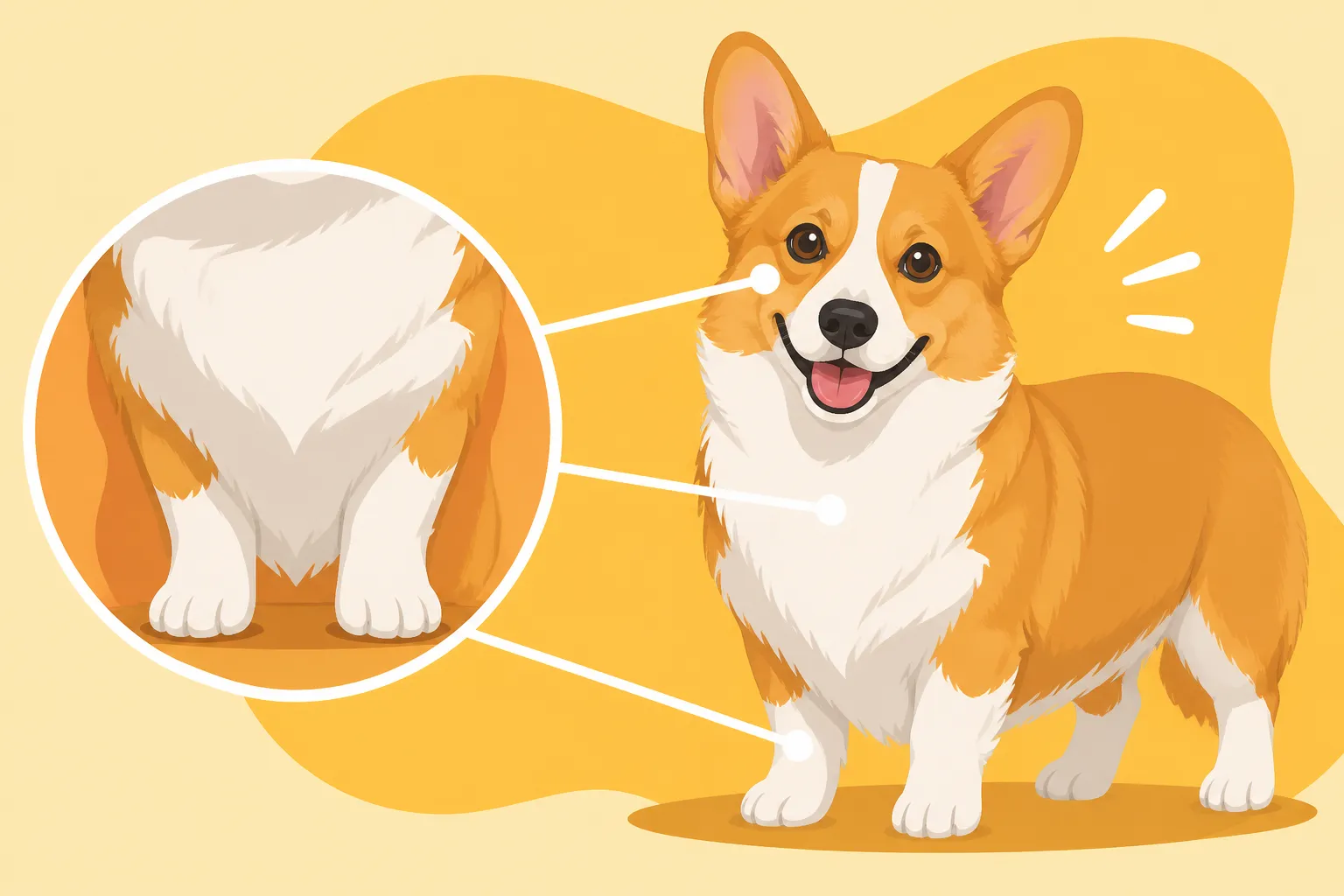
White Markings on a Corgi
Oh, the charm of a Corgi! Those short legs, the foxy face, and that incredibly expressive gaze. But if you’ve spent any time looking at Corgi puppies, or even just browsing pictures online, you’ve probably noticed that not all Corgis look exactly alike, especially when it comes to those little splashes of white. It can be a bit confusing to understand what’s considered "normal" or "acceptable" for white markings, particularly if you’re new to the breed or curious about breed standards. This guide is here to untangle all the nuances of white markings on Corgis, from the typical splashes to the more unusual patterns, explaining what they mean from a breeder's perspective and, more importantly, what they mean for your beloved companion.
Understanding Corgi Breed Standards and White Markings
When we talk about Corgis, it's crucial to remember we're often discussing two distinct breeds: the Pembroke Welsh Corgi and the Cardigan Welsh Corgi. While they share that iconic low-rider silhouette, their histories, physical characteristics, and even their breed standards regarding color and markings have some important differences. These standards aren't just arbitrary rules; they reflect the historical development of the breeds and help maintain consistency in appearance and temperament.
The Pembroke Welsh Corgi Standard for White
For the Pembroke Welsh Corgi, the breed standard is quite specific about where white markings are permitted and to what extent. Generally, white is allowed on the legs, chest, neck, muzzle, and as a narrow blaze on the head. Think of those adorable white "socks" or a neat white "bib" on the chest – these are quintessential Pembroke features. A white collar, often called a "full white collar," is also fairly common, though sometimes depending on its width, it might be considered an "excessive" marking in the show ring, even if it's perfectly lovely on a pet.
The key here is usually the location and amount. A small, well-defined patch of white on the chest or a symmetrical blaze between the eyes is generally celebrated. However, if that white starts creeping up the sides, spilling onto the back, or becoming a wide, unbroken band around the neck that extends well onto the shoulders, it might be considered a fault by a breed judge. It doesn't mean the dog is unhealthy or less of a Corgi; it simply means it deviates from the ideal set forth in The AKC Pembroke Welsh Corgi Standard. Breeders carefully consider these guidelines when planning litters and evaluating puppies, aiming to produce dogs that fit the established mold, which historically was often about ensuring consistency in working dogs.
The Cardigan Welsh Corgi Standard for White
Now, if we pivot to the Cardigan Welsh Corgi, you'll find a bit more leniency when it comes to white markings. Cardigans have a broader range of acceptable colors, including the striking blue merle, and with these colors often comes a more varied distribution of white. For a Cardigan, white markings are generally acceptable on the neck, chest, legs, muzzle, underparts, and as a blaze. In fact, a bit of white is often expected, especially on merle-patterned dogs, where it can highlight the unique mottling of their coats.
While white is more freely permitted, even for Cardigans there are limits. The standard typically states that white should not entirely encircle the body or be so predominant that the dog appears primarily white. This is often described as "white markings should not obscure the primary body color." So, while a Cardigan might have more extensive white on its chest and legs than a Pembroke, a dog that looks largely white with just a few patches of color would likely be considered outside the standard. This difference in white allowance is one of the many fascinating aspects that highlight Why the Cardigan and Pembroke Are Not Related, despite their similar appearances.
Why White Markings Matter to Breeders and Judges
For breeders and judges involved in conformation shows, adhering to the breed standard for white markings is a big deal. The standards exist to preserve the unique characteristics of each breed, ensuring that a Pembroke consistently looks like a Pembroke and a Cardigan like a Cardigan, across generations. These details, including color and white placement, contribute to what judges look for in the ring. A dog with "faulty" white markings, meaning they deviate from the standard, might not place well in competition, regardless of its other excellent qualities. This isn't about the dog being "bad," but about it not perfectly matching the breed's aesthetic blueprint.
Historically, in working breeds like Corgis, certain markings might have been practical. A splash of white could help distinguish one dog from another in a field, or a prominent blaze might have been seen as a desirable trait. Over time, these preferences solidified into formal standards. Today, while most Corgis live as beloved family pets, the breed standards continue to influence breeding decisions. Responsible breeders strive to produce dogs that are not only healthy and well-tempered but also conform as closely as possible to these historical and aesthetic ideals. This often involves careful selection of breeding pairs and genetic testing where appropriate, although for most standard white markings, there isn't a specific genetic test beyond understanding the general color genetics. It's truly about maintaining the integrity and recognizable appearance of the breed.
Common White Markings and Their Acceptability
So, you're looking at a Corgi, and it has some white. Is it "too much"? Is it "just right"? Let's dive into the most common places you'll find white on these charming dogs and what that means in the world of Corgi aesthetics and standards. Remember, for a pet owner, these are mostly fun observations about your dog's unique appearance, but for breeders, they're important details.
White on the Chest and Neck
Perhaps the most universally accepted and common white marking on both Pembroke and Cardigan Welsh Corgis is the splash of white on the chest. This can range from a small "bib" or "star" to a more expansive "collar" that wraps around the dog's neck. These white chest and neck markings are often seen as a hallmark of the breed, giving them a tidy, often contrasting, appearance against their main coat color. You'll frequently see reds, sables, and black-and-tan Corgis sporting a crisp white chest.
While a small bib is almost always considered acceptable, the "full white collar" can sometimes be a point of discussion. A full collar is one where the white extends all the way around the neck, connecting at the nape. If this collar is very narrow and clean, it might still pass without much comment in the show ring. However, if it's particularly wide, extending significantly up the neck or down onto the shoulders, it might be termed "excessive" by a judge, particularly for Pembrokes. For Cardigans, especially those with merle patterns, a more generous white collar might be more readily accepted. Regardless of the show ring, many pet owners adore these striking white collars, finding them to be a charming and distinctive feature on their Corgis. They just add to the individual character, don't they?
White on the Legs and Paws
Those adorable white "socks" or "stockings" on a Corgi's legs and paws are another incredibly common and generally accepted white marking. Whether it's just the very tips of the toes dipped in white, or the white extends higher up the leg like a pair of neat socks, this is a classic Corgi look. These markings typically occur on all four feet, though sometimes they might be more prominent on the front or back legs. They often create a lovely contrast, especially with darker coat colors like black and tan.
The acceptability often depends on how far up the leg the white extends. For Pembrokes, white usually shouldn't go much higher than the elbows on the front legs or the hocks on the back legs. If the white starts creeping up onto the thighs or shoulders, it might be considered too much. Cardigans, again, tend to have a bit more leeway; their white can sometimes extend a little higher without being overly criticized, especially if it ties into a larger pattern of white on the chest or underbelly. The white on the feet can sometimes pick up dirt more easily, meaning you might find yourself reaching for a paw wipe more often after a muddy walk, or considering a sturdy mat from Chewy by the door. But honestly, a little dirt on those white paws just means your Corgi has been having fun!
White on the Face and Muzzle
A white blaze on a Corgi's face, running between the eyes and sometimes extending down the muzzle, is another beloved and characteristic marking. This blaze can vary widely – from a thin, elegant line to a broader, more substantial stripe. It often frames their expressive eyes and adds to their foxy appearance. White on the muzzle or chin is also very common, giving many Corgis that sweet, almost smiling look.
For Pembrokes, a symmetrical white blaze is generally preferred, and it shouldn't be so wide that it wraps around the eyes or consumes a large portion of the forehead. White extending onto the sides of the face or beyond the muzzle area might be considered excessive. Cardigans, with their wider variety of acceptable markings, might have blazes that are more asymmetrical or more extensive without raising as many eyebrows in the show ring. Think of the beautiful blue merle Cardigans, where the white blaze can be quite pronounced and still be within the breed standard. These facial markings truly enhance the individual look of each Corgi, contributing to that distinctive charm that makes them such popular companions.
"Excessive" White Markings and "Whitelies"
Now, let's talk about those Corgis that have a little more white than the standard typically allows. You might hear terms like "excessive white" or even "whitlie" thrown around. It's important to understand what these terms mean and, more importantly, what they don't mean for the health and happiness of your Corgi.
Defining "Excessive White" in Corgis
"Excessive white" refers to white markings that go beyond the generally accepted areas and proportions outlined in the breed standard for either Pembrokes or Cardigans. For a Pembroke, this might mean white on the back, large white patches on the sides, white extending very high up the legs onto the body, or a collar so wide it covers a significant portion of the shoulders. The general rule of thumb for Pembrokes is that white should mostly be confined to the extremities (paws, legs, muzzle), chest, and neck (as a limited collar or bib). If the white encroaches into the "saddle" area on the back, or covers more than about 30% of the body, it's typically considered excessive.
For Cardigans, while more white is accepted, there are still limits. A Cardigan with white patches that are so large they obscure the main body color, or if the white forms a completely encircling band around the body, might be deemed to have excessive white. Again, these are cosmetic faults within the context of breeding and showing. They don't indicate a health problem, but rather a deviation from the desired aesthetic uniformity that breed standards aim to achieve. A Corgi with excessive white might be disqualified from conformation shows, but they are just as healthy, intelligent, and lovable as any other Corgi.
The Term "Whitlie" and Its Connotations
The term "whitlie" (sometimes spelled "whitely") specifically refers to a Corgi, usually a Pembroke, with a substantial amount of white markings that clearly exceed the breed standard. These dogs might have large white patches on their sides, back, or entire hindquarters, making them look significantly more white than a typical Pembroke. Historically, puppies born with such extensive white markings were sometimes culled or not registered, and breeders would typically avoid breeding two dogs that produced whitelies. The idea was to maintain the accepted color patterns and avoid undesirable traits in the breed line.
It's crucial to understand that "whitlie" is a term rooted in breed aesthetics and historical breeding practices, not health. A whitlie Corgi is not inherently unhealthy or less valuable as a companion. In fact, many people find their unique patterns to be absolutely striking and beautiful! These dogs are often placed in pet homes and live full, happy lives. The connotation of the term has softened over the years; it's less about a "defect" and more about a charming variation that simply doesn't conform to show standards. You might read more about this in articles like Whether Whitelies Are Faulted in a Corgi, which delves into the show ring implications.
Health Implications (or Lack Thereof) of White Markings
This is perhaps the most important point for pet owners: for Corgis, most white markings, even those considered "excessive" or on a "whitlie," are purely cosmetic and have no associated health problems. Unlike some other breeds where extensive white patterning (especially in conjunction with merle genes or piebaldism) can be linked to deafness or vision issues, this is not a common concern for the Corgi breed.
For instance, in breeds like Dalmatians or some white Boxers, the extreme piebald gene can sometimes correlate with congenital deafness. However, the genetic mechanisms that produce white markings in Corgis typically do not carry these health risks. If a Pembroke Corgi were to somehow inherit a merle gene (which should not occur in Pembrokes and is a sign of an outcross), then excessive white in combination with merle could raise concerns, but this is an entirely different genetic scenario and not related to the typical white markings discussed here. So, if your Corgi has a lot of white, rest assured that in almost all cases, it's just a beautiful variation in their coat and nothing to worry about medically. Your vet will be much more concerned with Why Corgi Weight Is a Spinal Problem or other common Corgi health concerns than with the amount of white on their fur.
Genetic Basis of Corgi Colors and White Patterns
Understanding why Corgis come in various shades and patterns, including those distinct white markings, takes us into the fascinating world of canine genetics. While it can get quite complex, a basic grasp helps us appreciate the diversity within the breed and understand why certain traits appear.
The Genes Behind White Markings
The white markings we see on Corgis are primarily governed by the S-locus, or the piebald gene series. This gene controls the distribution of pigmented (colored) cells across a dog's body. Dogs inherit two copies of the S gene, one from each parent, and different alleles (versions) of this gene result in different patterns of white spotting. For Corgis, the common alleles lead to what's called "restricted white spotting" – meaning white areas are limited to specific parts of the body, like the chest, neck, legs, and muzzle.
Imagine it like a painter's canvas. The S gene determines where the "color" brush strokes will go and where the canvas will remain "white." Most Corgis carry alleles that dictate where the white can appear. For instance, some alleles result in minimal white (just a few white toes), while others allow for more extensive white, such as a wide collar and higher leg markings. It's a natural genetic variation that contributes to the beautiful diversity we see in Corgi coats, even within the same litter. These genes are typically quite stable and predictable within purebred lines when breeders understand the genetics involved.
The "Fluffy" Coat and White Markings
Sometimes, a Corgi might have white markings and an unusually long, soft coat, affectionately known as a "fluffy" coat. It's important to clarify that the gene responsible for the "fluffy" coat is entirely separate from the genes that control white markings. The "fluffy" gene (often referred to as the L-locus, specifically the variant that causes long hair) affects the texture and length of the coat, not its color or pattern. Corgis are meant to have a double coat that is medium in length and weather-resistant, which is very different from the longer, softer hair of a fluffy.
While the fluffy coat is a cosmetic fault in the show ring, just like excessive white, it does not carry any health implications. A Corgi can be red with a fluffy coat, or black and tan with a fluffy coat, or even a whitlie with a fluffy coat! The presence of a fluffy coat simply means the dog inherited two copies of the recessive "fluffy" gene from its parents. You can learn more about this distinctive coat type in Corgi Colors and the Fluffy Coat or The Fluffy Corgi and the Standard, which explain why these dogs are loved as pets but don't meet show ring criteria. If you have a fluffy Corgi, you know they just need a little extra attention with grooming to prevent mats, perhaps with some specialized brushes and conditioners available at Chewy.
Ethical Breeding and Genetic Testing for Color
For ethical breeders, understanding the genetic basis of coat colors and white markings is part of responsible breeding. While there isn't typically a specific genetic test for the amount of white a Corgi will have (as it's often a polygenic trait or influenced by complex interactions), breeders use their knowledge of parentage and past litters to predict outcomes. For certain colors, like blue merle in Cardigans, understanding the genetics is crucial to avoid breeding two merles together, which can lead to serious health issues.
Responsible breeders prioritize health and temperament above all else. They also strive to produce dogs that conform to the breed standard, which includes acceptable white markings. This means being honest about any "faults" a puppy might have, whether it's excessive white or a fluffy coat, and placing those puppies in loving pet homes where their unique appearance can be celebrated. Genetic testing plays a vital role in identifying other health concerns, like Degenerative Myelopathy and the Corgi or The Bleeding Disorder Pembrokes Carry, ensuring that puppies are as healthy as possible regardless of their coat pattern. It's a commitment to the long-term well-being of the breed, not just its outward appearance.
Living with a Corgi with Unique White Markings
So, you've brought home a Corgi with some unique white markings, or perhaps you're considering adopting one. Congratulations! Now it's time to embrace that individuality and ensure your furry friend thrives, regardless of whether they meet every nuance of the breed standard.
The Pet Home Perspective on White Markings
From a pet owner's point of view, white markings are simply part of what makes your Corgi your Corgi. Whether your companion has a perfect little white bib, a full white collar, or is even what some might call a "whitlie," these markings are entirely cosmetic. They do not affect your dog's personality, intelligence, health, or ability to be a loving, mischievous, and utterly charming family member. Your Corgi will still give you those infamous Corgi side-eyes, herd your ankles with gusto, and fill your life with joy and shedding.
Instead of viewing extensive white as a "fault," many pet owners see it as a special characteristic that makes their dog stand out. Think of it as a unique paint job! While a dog with excessive white might not win ribbons in the show ring (which, let's be honest, most pet Corgis aren't aiming for anyway), they win hearts every single day. The most important thing is that your Corgi is healthy, happy, and well-loved. Whether your Corgi boasts a majestic white stripe or just a few white toes, their true value lies in their companionship and the bond you share.
Grooming Considerations for White Patches
While white markings typically don't cause health problems, they can sometimes come with minor grooming considerations. White fur, particularly on the legs, muzzle, or belly, can be more prone to showing dirt, mud, or tear stains. If your Corgi loves to roll in the grass or splash through puddles, those white paws and belly can quickly become less-than-pristine!
To keep those white areas looking their best, a few simple steps can help:
- Regular Wiping: Keep some pet-safe wipes handy for quick clean-ups of paws, muzzle, and undercarriage after walks, especially in wet weather. Products available at Chewy can be super helpful here.
- Tear Stain Management: If your Corgi develops tear stains (reddish-brown discoloration under the eyes), gently clean the area daily with a damp cloth or a specialized tear stain remover. Persistent staining might warrant a vet visit to rule out underlying eye issues.
- Belly and Leg Cleaning: For Corgis with significant white on their belly or inner legs, especially males, urine can sometimes cause staining. Regular spot cleaning or even a quick rinse of those areas can keep the fur bright.
- Brushing: Consistent brushing, as you would for any Corgi, helps remove loose fur and keeps the coat healthy, including the white patches. For a breed that Why a Corgi Sheds All Year and Not Just Twice, regular brushing is a must for all coat colors!
Celebrating Your Corgi's Individuality
Every Corgi is an individual, and their white markings are just one more aspect of their unique charm. Instead of worrying about whether your Corgi perfectly matches a show standard, celebrate the little quirks and differences that make them special. Whether they have a lopsided blaze, a particularly wide white collar, or striking white "trousers," these are the details that often spark conversations and draw compliments.
Share photos of your uniquely marked Corgi with friends, join online Corgi communities, and relish in the fact that your companion is one-of-a-kind. At the end of the day, a Corgi's worth is measured not by the exact placement of its white fur, but by the size of its personality and the boundless love it brings into your home. Embrace the white, the fluff, the sass, and everything in between – that's what being a Corgi owner is all about!
Comparison of White Markings in Pembroke vs. Cardigan Corgis
To help clarify the differences, here's a quick overview of how white markings are generally viewed for each Corgi breed according to their respective standards. This is a generalization, and individual interpretation by judges can vary slightly, but it provides a good guideline.
| Feature / Location | Pembroke Welsh Corgi | Cardigan Welsh Corgi |
|---|---|---|
| Acceptable Areas | Muzzle, blaze (narrow), chest, neck (bib/collar), legs, paws. | Muzzle, blaze (can be wider), chest, neck (bib/collar), underparts, legs, paws. |
| "Excessive" White | White on back, sides, above elbows/hocks, or covering >30% body. | White entirely encircling body, obscuring primary body color, or extremely dominant. |
| Full White Collar | Acceptable if narrow; can be a fault if very wide. | Generally more accepted, especially with merle patterns, can be wider. |
| Health Concerns | No health issues associated with typical white markings, even if excessive. | No health issues associated with typical white markings, even if extensive. (Merle-specific risks are separate) |
| Show Ring Impact | Likely a fault/disqualification if excessive. | Less likely to be faulted for slightly more white than Pembroke; still has limits. |
| Pet Owner View | Purely cosmetic; part of the dog's unique appearance. | Purely cosmetic; part of the dog's unique appearance. |
Disclaimer
This article is for general informational purposes only and does not constitute professional advice. Laws, prices and regulations vary by location and change over time. Consult a qualified professional for guidance on your specific situation.