What Corgi Means in Welsh
Oh, the quintessential Corgi! We see those adorable, low-slung, big-eared dogs waddling and scampering through our lives and across our screens, and it’s natural to wonder about their origins. But have you ever stopped to think about what "Corgi" actually means? It’s not just a cute sound; there’s a rich, practical history embedded right in their name, telling us a story about their heritage and the Welsh land from which they hail. This guide will dive deep into the fascinating etymology of "Corgi," uncovering the layers of meaning behind this beloved breed's unique moniker.
Deconstructing the Name: "Cor" and "Gi"
The word "Corgi" is, in fact, a compound word derived from the Welsh language. It's elegantly simple when you break it down, yet it carries a weight of history and purpose. Understanding these two root components, "Cor" and "Gi," helps us appreciate just how perfectly the name fits these charming dogs. It's not just a label; it's a description of their very essence and function.
The "Cor" Connection: Dwarf or Cur?
Now, this is where it gets interesting, and a little debated among language enthusiasts and Corgi aficionados alike! The "Cor" part of Corgi has two primary interpretations, both of which offer a unique lens through which to view these dogs.
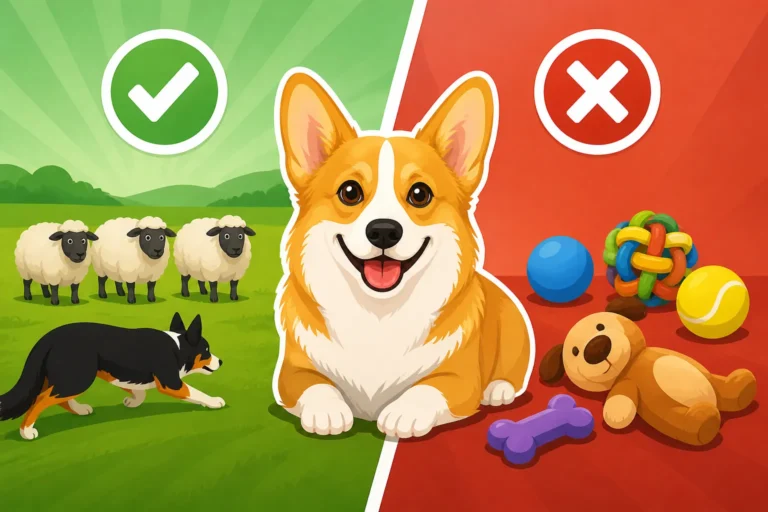
One of the most widely accepted interpretations is that "Cor" means "dwarf" or "small" in Old Welsh. When you look at a Corgi, especially compared to many other herding breeds, this immediately makes sense, doesn't it? Their distinctive low-rider stature is arguably their most defining physical characteristic. Imagine a bustling Welsh farm, centuries ago, with cattle much larger than these little dogs. The Corgi's job was to nip at the heels of the cattle, guiding them without getting trampled. Their "dwarf" size wasn't a cute quirk; it was an essential occupational safety feature! This low center of gravity allowed them to duck and weave, avoiding dangerous kicks from much larger livestock. So, calling them a "dwarf dog" wasn't meant as an insult, but a literal, practical description of their physical build, perfectly suited for their role. It speaks to a time when dogs were named for what they were and what they did, not for fancy titles.
However, there's another intriguing possibility for "Cor": some argue it comes from the Welsh word for "cur." Now, before you gasp, let's understand that "cur" in historical contexts didn't always carry the derogatory meaning it often does today. Originally, a "cur" could simply refer to a working dog, often one of mixed breed or undefined lineage, used for herding or guarding. It implied a dog of practical purpose, valued for its grit and utility rather than its purebred status or aristocratic lineage. Many working breeds, especially those developed by common folk on farms, would have been considered "curs" in this older sense. Given the Corgi's humble beginnings as a farmer's indispensable assistant, driving cattle and guarding the homestead, this interpretation also makes a lot of sense. They were tough, tenacious, and incredibly smart working dogs, and that's exactly what a "cur" could signify. This connection really helps explain The Cattle Dog Behind the Corgi and how integral they were to farm life.
The "Gi" Component: Simply Dog
Thankfully, the second part of the name, "Gi," is far less ambiguous! "Gi" is simply the Welsh word for "dog." It's straightforward, uncomplicated, and exactly what it sounds like. So, when you put "Cor" and "Gi" together, you get "dwarf dog" or "cur dog" – both powerful descriptors that encapsulate the historical essence of these wonderful animals.
Think about it: the ancient Welsh farmers weren't likely to be coming up with poetic, elaborate names for their working companions. They needed a name that was descriptive, easy to say, and functional. "Dwarf dog" or "working dog" fits that bill perfectly. It tells you immediately what kind of animal you're looking at and what its purpose is. It's a testament to the practical, no-nonsense approach of those who first bred these dogs. It speaks volumes about their utility and how they were viewed as an essential part of the farm operation, not just a pet to be pampered. When you consider What a Welsh Corgi Did on a Farm All Day, the simplicity and directness of their name makes perfect sense. They were there to work, and their name reflected that function clearly and concisely.
Historical Context: Why the Name Fits
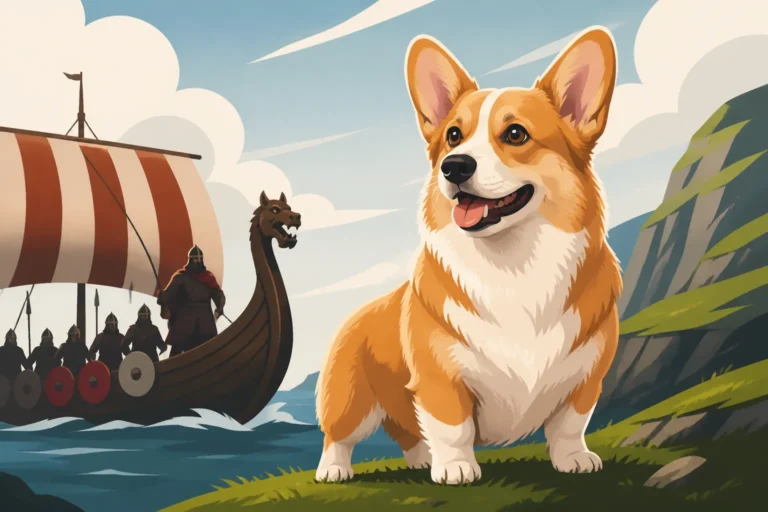
Understanding the linguistic roots of "Corgi" is one thing, but truly appreciating why those particular words were chosen requires a peek into their historical role. These dogs weren't bred for show rings or cuddles on the sofa (though they excel at both now!). They were bred for a tough, demanding job on the rugged Welsh terrain. The name "Corgi" is intrinsically tied to this working past, a constant echo of their heritage.
Life as a Cattle Driver
Imagine living in ancient Wales, where small family farms dotted the landscape, and livestock was the lifeblood of survival. These were not vast, open ranches, but often smaller holdings where efficient movement of cattle was crucial. This is where the "dwarf dog" aspect of the Corgi's name truly shines. Their low height, typically only about 10-12 inches at the shoulder, was their superpower. It allowed them to dart in and out, nipping at the heels of much larger, more imposing cattle – often cows that weighed ten or twenty times more than the dog itself. They could do this with incredible agility, staying beneath the animals' kicking range, thus avoiding serious injury. This specialized technique was essential for a working dog of their size.
The Corgi's sturdy build, strong chest, and short, powerful legs were all adaptations for this challenging job. They needed to be quick, nimble, and tough enough to withstand the bumps and scrapes of a cattle drive. Their intelligence and innate herding instinct meant they were capable of making quick decisions, anticipating the movement of the herd, and responding to their farmer's commands – or sometimes, just doing what needed to be done. It's a fascinating thought, isn't it? These compact bundles of fur, bravely moving large animals, all thanks to their unique physique. It's why Why the Corgi Was Bred So Low is such a critical piece of their history and identity.
The "Cur" Connotation: A Working Dog's Label
Let's revisit that "cur" idea for a moment. Today, if someone calls a dog a "cur," it's usually not a compliment. But centuries ago, particularly in farming communities, the term wasn't necessarily negative. It often referred to a common, hardy working dog, usually of indeterminate breed, that performed essential tasks on the farm. These dogs weren't about pedigree papers or fancy titles; they were about putting in a hard day's work.
The Corgi, in its earliest days, was exactly that kind of dog. Bred by farmers for farmers, they were valued for their work ethic, their resilience, and their ability to perform their duties without fuss. They weren't pets in the modern sense; they were colleagues, essential members of the farming team. They didn't have a specific breed standard or formal recognition for many centuries. They were simply the "dogs" that helped with the "cor" (dwarf/cur) work. This practical, no-frills origin story is key to understanding the Corgi's independent, intelligent, and sometimes stubborn nature. They were accustomed to making their own decisions while working, a trait many Corgi owners today will readily recognize! Even if you're shopping for their favorite kibble on Chewy, it's good to remember that tenacity runs deep in their genes.
Pembroke vs. Cardigan: Does the Name Apply Equally?
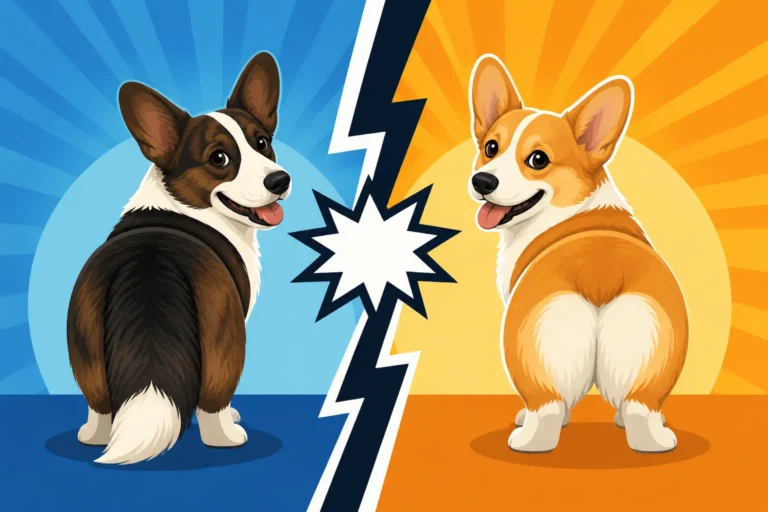
It's a common misconception that there's just one "Corgi." In reality, there are two distinct breeds: the Pembroke Welsh Corgi and the Cardigan Welsh Corgi. While they share the "Corgi" name and a superficial resemblance, their histories are surprisingly separate. Yet, the meaning behind "Corgi" applies to both, albeit through slightly different historical lenses.
Shared Etymology, Divergent Histories
Yes, despite their differences, both breeds bear the name "Corgi" because both fit the original descriptive terms: they are both "dwarf dogs" (or "cur dogs") from Wales. Their low-to-the-ground build and their historical role as cattle drivers are common threads that unite them under the "Corgi" umbrella. However, their lineage diverged many centuries ago. The Cardigan Welsh Corgi is actually the older of the two breeds, with roots tracing back over a thousand years, believed to be descendants of the Teckel family (related to Dachshunds). The Pembroke Welsh Corgi, on the other hand, is thought to have arrived in Wales with Flemish weavers around the 10th century, bringing with them Spitz-type dogs.
These distinct ancestries meant they developed in different regions of Wales – Cardiganshire and Pembrokeshire, respectively – largely isolated from one another for a long time. They were bred for similar jobs, leading to convergent evolution in terms of their body shape and working style. So, while their genetic family trees are quite separate, the descriptor "Corgi" was equally apt for both because they both embodied the characteristics of a low-slung, sturdy working dog from Wales. You can learn more about their unique paths in Pembroke and Cardigan Are Two Different Breeds, which really highlights their individual journeys despite the shared name.
The "Welsh" Distinction
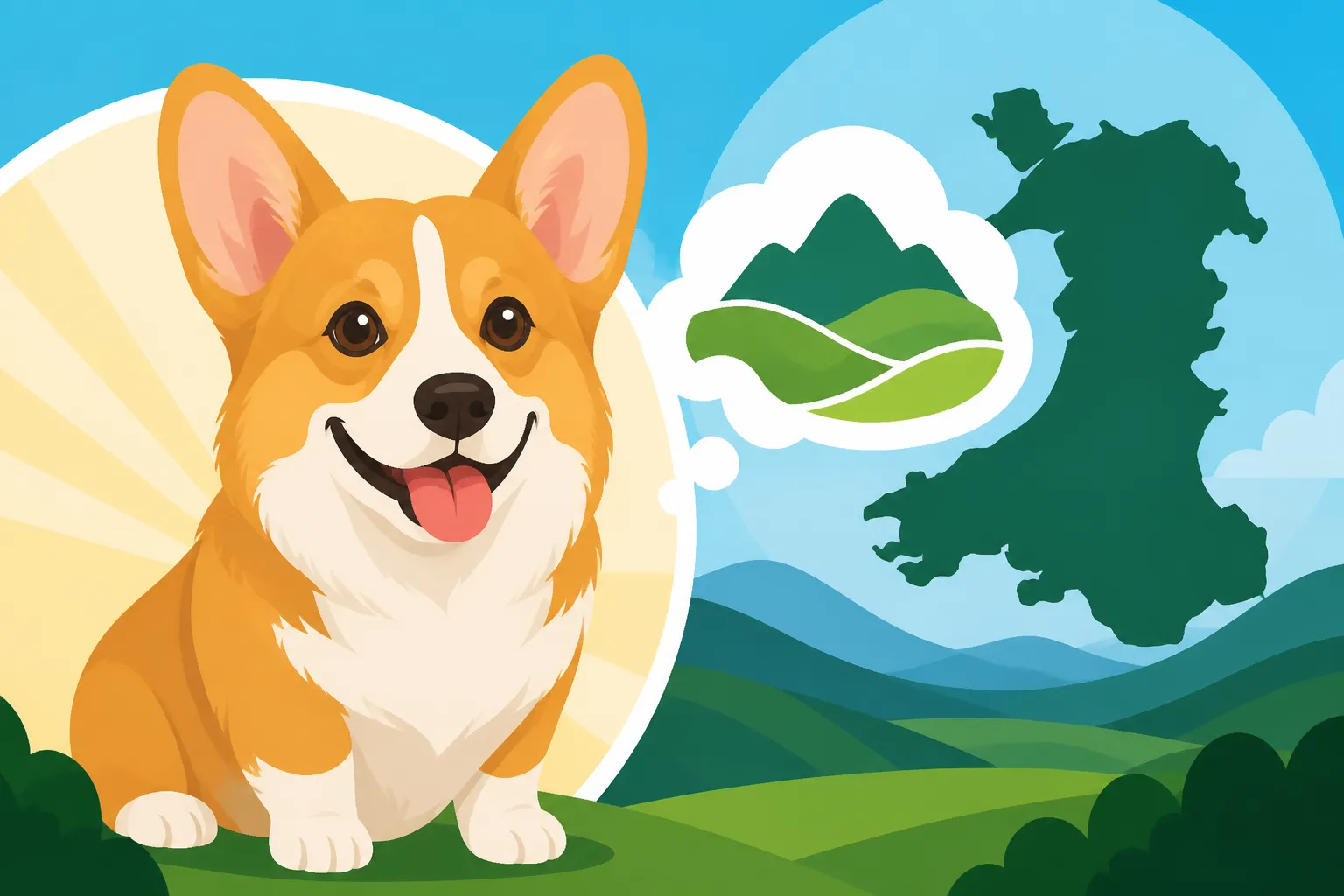
To be precise, the full names are "Pembroke Welsh Corgi" and "Cardigan Welsh Corgi." That "Welsh" isn't just a geographical tag; it's a profound part of their identity. It anchors them firmly to their homeland, the verdant, often rugged landscapes of Wales, where they were developed and perfected. It signifies not just their place of origin but also the culture and agricultural practices that shaped them.
Adding "Welsh" emphasizes that these are specific types of "Corgis" from a particular region, setting them apart from any other "dwarf dogs" that might exist elsewhere. It’s a proud declaration of their heritage. When you consider the deep cultural roots and the centuries these dogs spent working alongside Welsh farmers, the addition of "Welsh" makes perfect sense. It’s a nod to the resilience of the Welsh people and the dogs they bred to thrive in their unique environment. Much like how a specific cheese or wine is identified by its region, so too are these dogs indelibly linked to Wales.
The Cultural Impact of the Name
From humble beginnings as indispensable farmhands, the Corgi has ascended to an almost iconic status, particularly the Pembroke. This journey from "dwarf cur dog" to beloved global celebrity is quite a tale, and the name itself has taken on new layers of meaning along the way.
From Farm Dog to Royal Companion
Perhaps no other event elevated the Corgi into the public consciousness quite like their association with the British Royal Family. Queen Elizabeth II famously adored Pembroke Welsh Corgis, owning more than 30 throughout her lifetime. This royal patronage transformed the perception of the breed almost overnight. Suddenly, the "dwarf dog" of Welsh farmlands became a symbol of British royalty, often seen trotting beside the Queen or lounging in the palace.
This shift in status didn't change the literal meaning of their name, but it certainly altered its cultural resonance. What was once a purely functional, descriptive term now evoked images of regal dignity, loyal companionship, and a certain playful charm. The Corgi's personality – intelligent, bold, and sometimes surprisingly bossy – fit right in with their newfound celebrity. The name "Corgi" became synonymous with a small dog with a big personality, capable of commanding attention whether in a muddy field or a gilded hall. To delve deeper into this fascinating transition, explore The Corgi in the Royal Household, which truly showcases their incredible journey.
Modern Interpretations and Affectionate Nicknames
Today, for most Corgi owners, the original "dwarf dog" or "cur dog" meaning is a fun piece of trivia, rather than a literal everyday descriptor. We've layered new, affectionate meanings onto the name. Owners often playfully refer to their Corgis as "loafs," "potato dogs," "fluffbutts," or "wigglebutts," celebrating their unique shape and expressive rear ends. The name Corgi itself often conjures images of boundless energy, comical antics, and fierce loyalty.
The historical name reminds us of their strong character and intelligence, traits that still make them captivating companions today. While we might not be herding cattle with them, their drive and smarts are channeled into agility, obedience, or simply being the most entertaining member of the family. The name "Corgi" has transcended its original, utilitarian meaning to become a brand, a symbol of a dog breed cherished for its unique blend of working dog tenacity and irresistible charm. Even brands like Chewy embrace this image, knowing that Corgi owners are passionate about their "dwarf dogs" and what they represent.
Here’s a quick summary of the name's evolution:
| Aspect of Name | Original Meaning (Historical) | Modern Interpretation (Cultural) |
|---|---|---|
| Cor | "Dwarf" (due to height) or "Cur" (working dog) | Affectionate nod to unique low stature; tenacious spirit |
| Gi | "Dog" | Beloved companion, part of the family |
| Welsh | From Wales (geographical origin) | Proud heritage, source of specific breed traits |
| Overall | Functional description of a working dog | Iconic breed name, symbol of charm & loyalty |
More Than Just a Name: What It Tells Us About the Breed
The name "Corgi" isn't just a label; it's a compact history lesson, offering insights into the breed's fundamental characteristics that persist even today. It's a reminder that their physical form and their spirited temperament were forged by a specific purpose in a specific place. Looking at their name closely helps us understand why they are the way they are.
The Enduring Low Stature
The "dwarf" aspect of their name is perhaps the most obvious and enduring testament to their working past. Even in a modern pet home, their short legs and long bodies are defining features. This distinctive physique, known as chondrodysplasia, wasn't a random genetic mutation that happened to be cute; it was deliberately selected and cultivated by generations of Welsh farmers. They needed a dog that could duck and weave under the swift kicks of cattle, precisely nipping at their heels to drive them without getting injured. This low center of gravity also makes them incredibly agile and surprisingly fast over short distances.
This unique build still influences how we care for Corgis today. It means we need to be mindful of their backs, as their elongated spine can be prone to issues like intervertebral disc disease (IVDD). It's why we often invest in ramps for sofas and beds, or carefully lift them to prevent unnecessary strain. The name "Corgi" quite literally means "short-legged dog," and that anatomical feature remains a central part of their identity and health considerations. It’s a physical characteristic that makes them adorable but also requires responsible ownership. To understand the significance of their build, you might find Why a Corgi's Back Is Built the Way It Is particularly insightful.
A Testament to Their Working Heritage
Whether you lean towards "dwarf dog" or "cur dog," both interpretations of "Cor" point directly to the Corgi's working heritage. These were not pampered pets; they were integral members of the farm community, relied upon for their intelligence, courage, and independent spirit. They had to be smart enough to understand and execute complex herding maneuvers, brave enough to stand up to much larger livestock, and independent enough to work even when the farmer wasn't right beside them.
These traits are still very much alive in the modern Corgi. They are known for their strong will, their problem-solving abilities (sometimes manifested as clever mischief!), and their confident, sometimes assertive, demeanor. They thrive on having a "job" to do, whether it's learning tricks, participating in dog sports, or simply "herding" their family members from room to room. Understanding that their name signifies a working dog helps new owners appreciate their intelligence and drive, and why they need mental stimulation as much as physical exercise. It's a reminder that beneath that fluffy exterior lies a highly capable and historically significant herding dog. Their name truly tells their story, making them a breed with a profound and fascinating past.
Disclaimer
This article is for general informational purposes only and does not constitute professional advice. Laws, prices and regulations vary by location and change over time. Consult a qualified professional for guidance on your specific situation.